Phones
OnePlus 13R
OnePlus' 13R brings Snapdragon 8 Gen 3, a 6.78-inch 120Hz ProXDR display, a 50MP main plus 2x telephoto camera and a 6,000 mAh battery with 80W charging.

Key figures at a glance
Gallery


Specifications
- Display
- 6.78" LTPO 4.1 ProXDR, 2780x1264, 1-120Hz, 1600 nits HBM / 4500 nits peak, Gorilla Glass 7i
- Chipset
- Qualcomm Snapdragon 8 Gen 3 (Kryo CPU up to 3.3GHz, Adreno 750)
- RAM
- 12GB
- Storage
- 256GB (UFS 4.0)
- Rear Camera
- 50MP main (Sony LYT-700, f/1.8, OIS) + 50MP 2x telephoto + 8MP ultra-wide
- Front Camera
- 16MP
- Battery
- 6,000 mAh (typical), 80W SUPERVOOC wired (UK spec page; the North American page lists 55W, up to 80W with a separate adapter)
- OS
- OxygenOS 15.0 based on Android 15
- Dimensions
- 161.72 x 75.77 x 8.02 mm, 206 g
- Connectivity
- 5G, Wi-Fi 7, Bluetooth 5.4, NFC, infrared remote, dual nano-SIM, USB-C (USB 2.0)
- Other
- Alert Slider, in-display optical fingerprint sensor
The OnePlus 13R is the "R" model in the OnePlus 13 family: a performance-focused phone that uses last-generation flagship silicon, the Snapdragon 8 Gen 3, together with a large 6.78-inch 120Hz display, a three-camera system that includes a 2x telephoto, and a 6,000 mAh battery. This page is based on the published specifications and manufacturer information, and it explains where the phone fits, what the hardware promises and which compromises come with it.
Place in the lineup
OnePlus sells the 13R alongside the flagship OnePlus 13, and the "R" tag has traditionally meant a more affordable phone that keeps the core of the flagship experience, such as a fast chip and a bright, large screen. In the 13R's case the chip is the Snapdragon 8 Gen 3, a high-end platform from the previous chip generation. The idea continues in the later OnePlus 15R, and the top of the range is now the OnePlus 15.
The release date shown here, 7 January 2025, is a reference date for the launch window. OnePlus' regional spec pages do not state an on-sale date, and we do not list a US price because we could not confirm an official US price on the pages used. Regional versions differ in some details, notably charging, which we cover below.
Design and display
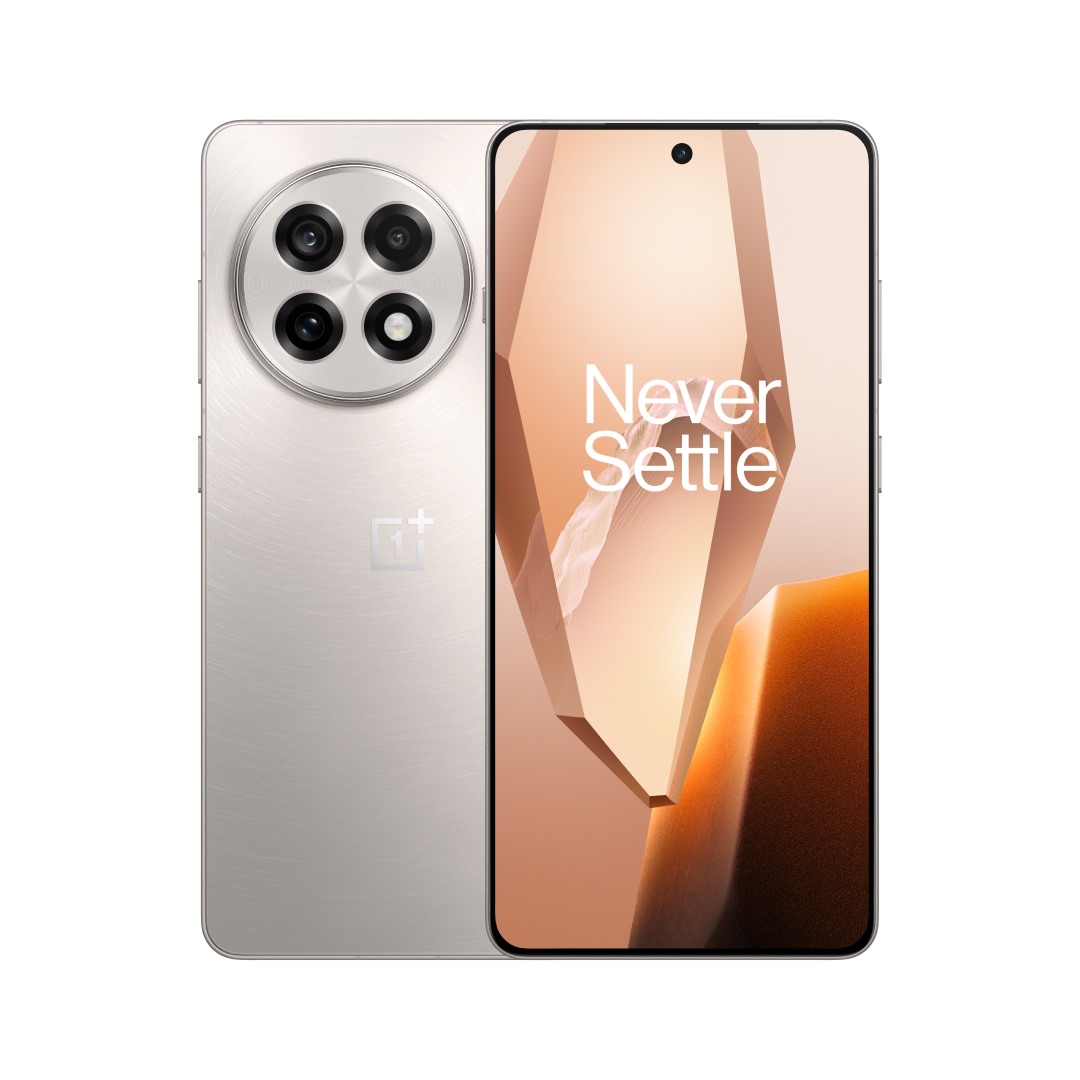
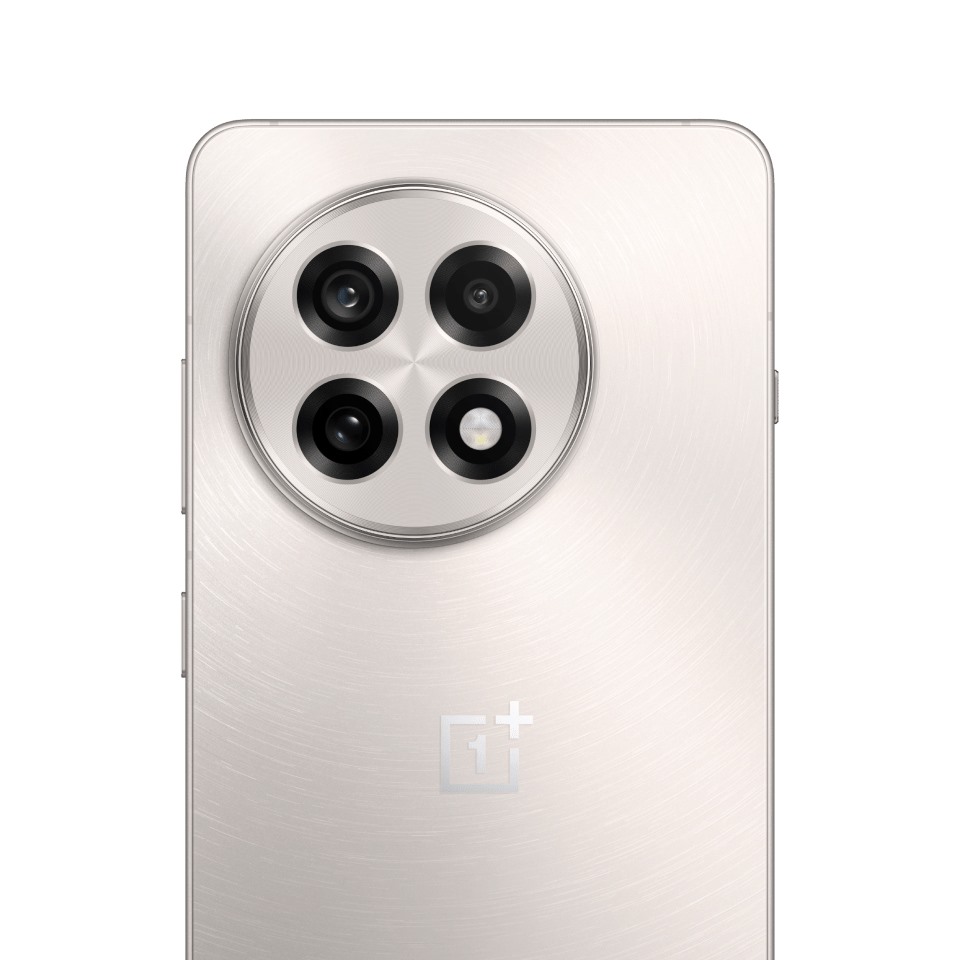
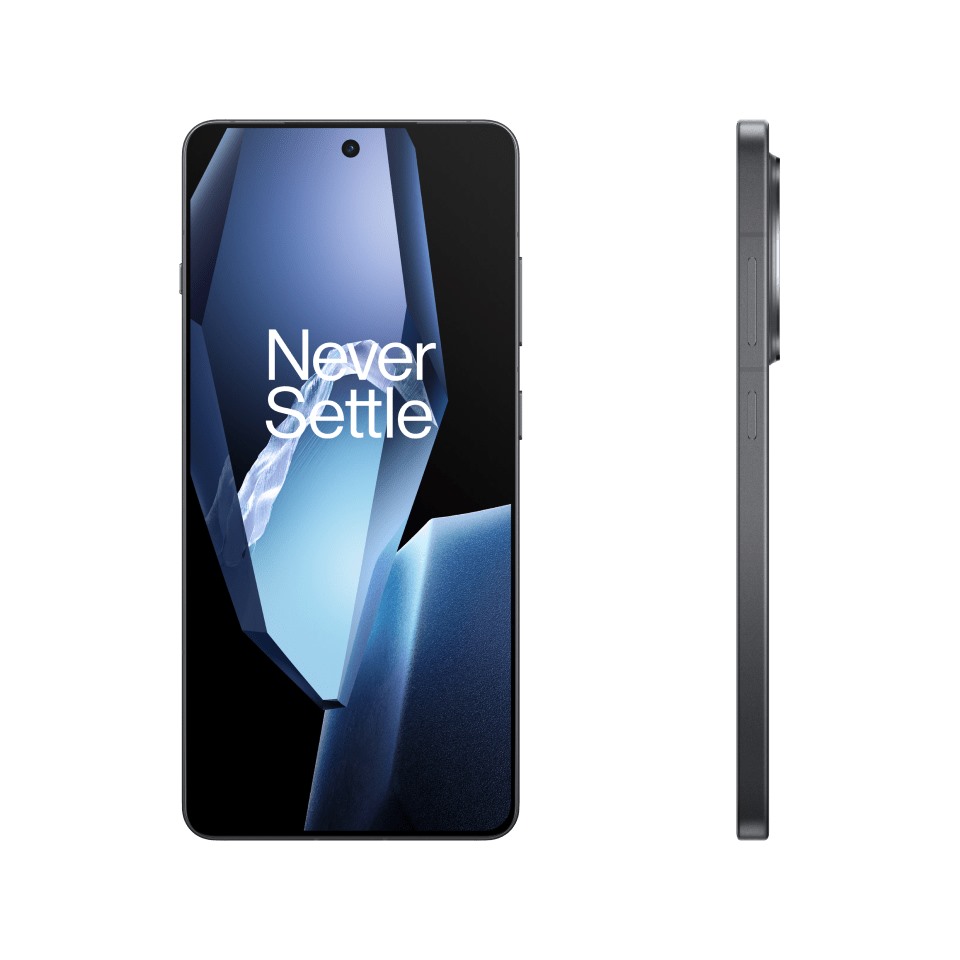
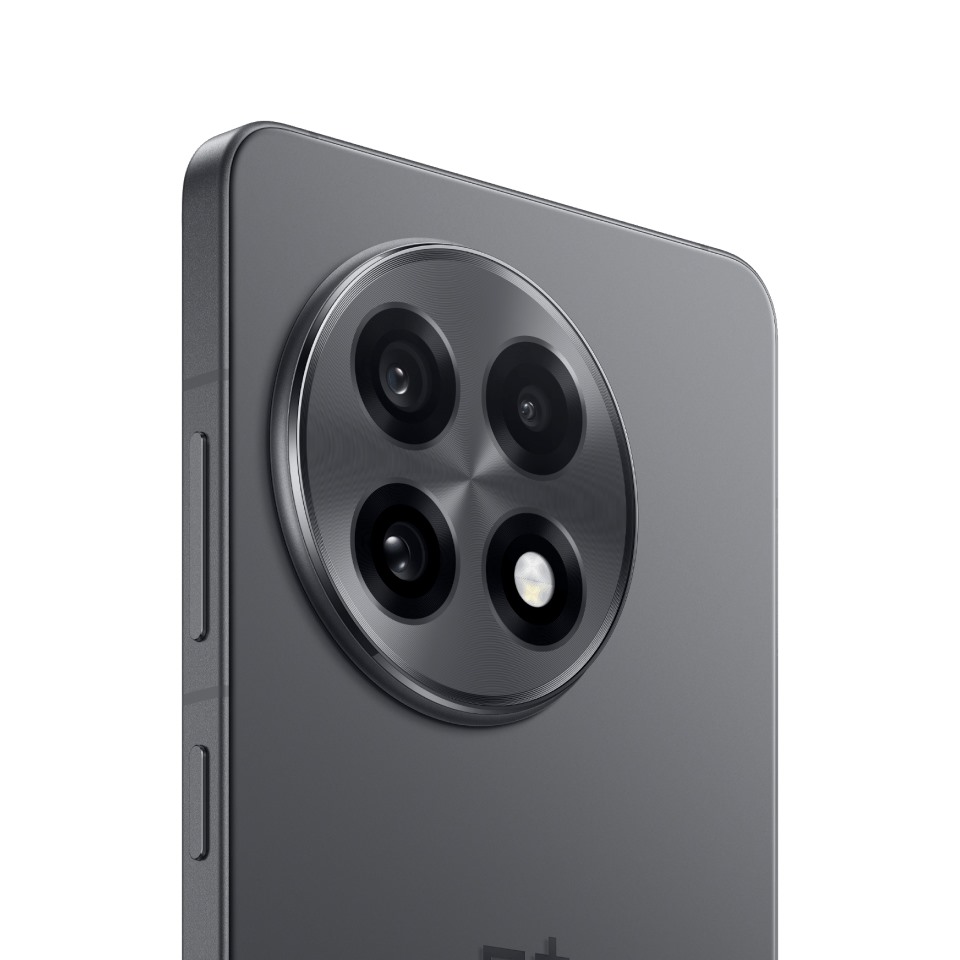
The 13R measures 161.72 mm by 75.77 mm, is 8.02 mm thick and weighs 206 g. That is a substantial phone, in line with its large battery. Two finishes appear on OnePlus' spec page: a dark grey one and a light silver one with a brushed look. The back is dominated by a large circular camera module that holds the lenses and the flash, and the phone keeps the Alert Slider, a physical switch to flip between ring, vibrate and silent modes that many OnePlus users value.
The display is a 6.78-inch LTPO 4.1 panel that OnePlus calls ProXDR, with a resolution of 2780 x 1264 pixels, a density of 450 ppi and a 19.8:9 aspect ratio. The refresh rate adapts from 1Hz to 120Hz. Brightness is listed at 1,600 nits in high brightness mode and 4,500 nits at peak, and the panel covers 100% of Display P3 with 10-bit colour depth. HDR support includes Dolby Vision, HDR10+ and HDRViVid. The cover glass is Corning Gorilla Glass 7i. A 1-120Hz LTPO panel is one of the main differences between a phone like this and cheaper 120Hz LCD or fixed-rate OLED phones, because it can slow right down for static content, which helps battery life. Peak brightness figures are measured for small areas and short periods, so real-world outdoor visibility will be better described by the high-brightness figure.
Biometrics are handled by an in-display optical fingerprint sensor. The spec sheet also lists an infrared remote, NFC, a proximity sensor, an ambient light sensor, a colour temperature sensor, a compass, an accelerometer, a gyroscope and a Hall sensor. The page does not list an official dust and water ingress rating, and we do not state one; check your local OnePlus site if that matters to you.
Performance, memory and software
The Snapdragon 8 Gen 3 has a Kryo CPU that peaks at 3.3GHz and an Adreno 750 GPU running at 903MHz. It is still a high-end platform and capable of handling demanding games, multitasking and heavy camera processing. The configuration listed on the UK and Canadian spec pages is 12GB of LPDDR5X RAM with 256GB of UFS 4.0 storage; those pages list no other combination, so we show this one. Other regions and later retail listings may offer different memory options, and you should confirm what is sold where you live. There is no storage card slot mentioned on the spec sheet.
The software is OxygenOS 15.0, based on Android 15. OnePlus does not give a software update commitment on the spec page we used, so we cannot quote one. Connectivity is extensive: 5G with a long list of bands, Wi-Fi 7, Bluetooth 5.4 with SBC, AAC, aptX, aptX-HD, LDAC and LHDC 5.0 codecs, NFC, multi-constellation positioning with dual-frequency GPS support and a dual nano-SIM tray. The USB-C port is listed as USB 2.0, so wired file transfers and video-out are limited to slower speeds than on phones with USB 3.x ports. Audio features include OReality Audio, and the phone records with three microphones.
Camera system
The rear system has three cameras. The main one is a 50MP Sony LYT-700 sensor with a 1/1.56-inch size, 1.0 micrometre pixels, a 24 mm equivalent focal length, an f/1.8 aperture and both optical and electronic stabilisation. The second camera is a 50MP telephoto with 2x optical zoom, a 47 mm equivalent focal length, an f/2.0 aperture and electronic stabilisation. The third is an 8MP ultra-wide with a 112-degree field of view and an f/2.2 aperture. The 2x telephoto is a practical feature for portraits and mid-range framing, but it is not a long-range zoom, so beyond 2x the phone relies on cropping and processing. The 8MP ultra-wide is the most basic of the three.
The front camera is a 16MP unit with an f/2.4 aperture and an 82-degree field of view, with a fixed focus. Video recording on the rear reaches 4K at 60 frames per second, with 1080p at 60 or 30 and slow motion up to 1080p at 240 frames per second or 720p at 480 frames per second. A 3840 x 1644 "movie" mode at 30 frames per second, time-lapse and a dual-view video mode are also listed, as is a long list of photo features such as Pro Mode, Hi-Res Mode, Nightscape, Tilt-Shift and Long Exposure. Front video is limited to 1080p at 30 frames per second. How the pictures look depends on tuning that cannot be judged from numbers.
Battery and charging
The battery is a single 6,000 mAh cell, which OnePlus gives as a typical capacity, with a rated capacity of 5,860 mAh. Charging is listed as 80W SUPERVOOC on the UK page. The North American spec page lists 55W SUPERVOOC and says up to 80W is available with a separate OnePlus 80W dual-port GaN adapter or the 100W dual-port adapter. In other words, the charging speed you get depends on your region and on the adapter. The UK spec page lists a Type-A to C cable, a quick start guide, a safety guide and a SIM tray ejector in the box, and no charger, so plan to buy a suitable adapter if you do not already own one. OnePlus describes the battery as a lithium-silicon design in its regional marketing, while the spec sheet itself simply lists the capacity.
Who it is for
The 13R suits people who want flagship-class performance and a large battery without necessarily buying the top model: gamers, heavy multitaskers and anyone who keeps a phone for several years. The 2x telephoto, the bright LTPO screen and the Alert Slider add practical value. To see how it compares with the more expensive sibling, read our OnePlus 13R vs OnePlus 13 comparison, and check the rankings for where it stands across all the phones we track.
Compromises to weigh
- Not the latest chip: the Snapdragon 8 Gen 3 is a generation behind the newest flagship platforms.
- Size and weight: 206 g and 8.02 mm make it a hefty phone.
- Regional charging: 80W on the UK page against 55W on the North American page, and no charger is listed in the UK box.
- USB 2.0: the USB-C port runs at slower speeds than USB 3.x.
- Camera hierarchy: the 8MP ultra-wide is basic and zoom beyond 2x is cropped rather than optical.
- Unstated details: no official dust and water rating, update policy or US price appears on the pages used here, and RAM and storage options may differ by market.
In short, the OnePlus 13R is a fast, big-battery phone with a very capable screen and a practical camera trio. It is a strong option if you want near-flagship speed and endurance, with the compromises being weight, a basic ultra-wide and region-dependent charging.
Where it ranks
Compare OnePlus 13R with similar devices
More from OnePlus
Frequently asked questions
When was the OnePlus 13R released?
The OnePlus 13R was released on 2025-01-07, according to the manufacturer’s published information.
What are the main specs of the OnePlus 13R?
Headline figures for the OnePlus 13R: Battery: 6,000 mAh, Refresh rate: 120 Hz, Main camera: 50 MP, RAM: 12 GB. The full specification table is further up this page.
Is the OnePlus 13R worth buying?
That depends on your priorities. Use the editorial review on this page for our view, check the rankings above to see where the device stands on battery, display and camera, and compare it directly with similar models before you decide.


