Phones
Apple iPhone 16 Pro Max
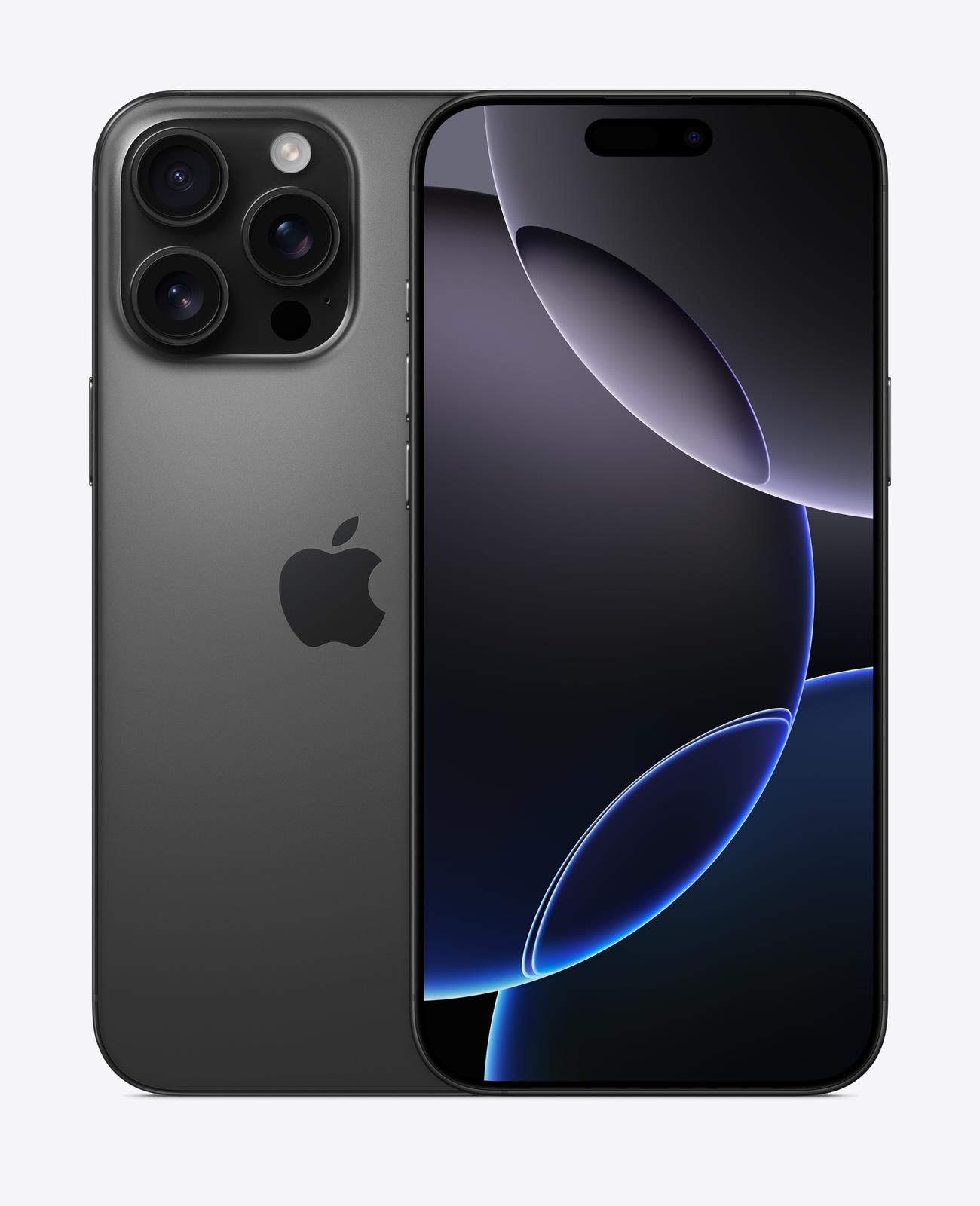
Apple's largest 2024 iPhone: 6.9-inch 120Hz OLED, A18 Pro chip, titanium frame, 5x telephoto and up to 33 hours of rated video playback, starting at $1,199 with 256GB.
Key figures at a glance
Gallery


Specifications
- Display
- 6.9" Super Retina XDR OLED, 2868x1320, ProMotion up to 120Hz, Always-On, 2000 nits peak outdoor
- Chipset
- Apple A18 Pro (6-core CPU, 6-core GPU, 16-core Neural Engine)
- Storage
- 256GB / 512GB / 1TB
- Rear Camera
- 48MP main (Fusion, 24mm f/1.78) + 48MP ultrawide + 12MP telephoto 5x
- Front Camera
- 12MP, f/1.9
- Battery
- Up to 33 hours video playback (Apple claim; capacity not stated), 25W MagSafe, 50% in about 30 minutes with 20W adapter
- Body
- Titanium frame, Ceramic Shield front, 227 g, IP68
- OS
- iOS 18
The iPhone 16 Pro Max is the largest and longest-running iPhone Apple made in 2024. Apple calls its 6.9-inch screen the largest iPhone display ever, pairs it with the A18 Pro chip, a titanium frame and a 5x telephoto camera, and credits it with the best battery life of any iPhone up to that point. This page is based on the published specifications and manufacturer information, and it covers the design, screen, performance, cameras, battery and the trade-offs that come with a phone of this size and price.
Place in the lineup
Apple announced the iPhone 16 Pro Max together with the iPhone 16 Pro on 9 September 2024. Pre-orders opened on 13 September and the phone went on sale on 20 September 2024, with further countries following on 27 September. The U.S. starting price was $1,199, and Apple dropped the 128GB tier on this model, so storage starts at 256GB and runs to 512GB and 1TB. It is the top of the 2024 range, above the smaller iPhone 16 Pro, the iPhone 16 Plus and the base iPhone 16.
Its successor, the iPhone 17 Pro family, arrived in September 2025 with a redesigned back and a different frame material. Anyone choosing between generations can open the iPhone 16 Pro Max vs iPhone 17 Pro comparison.
Design and display
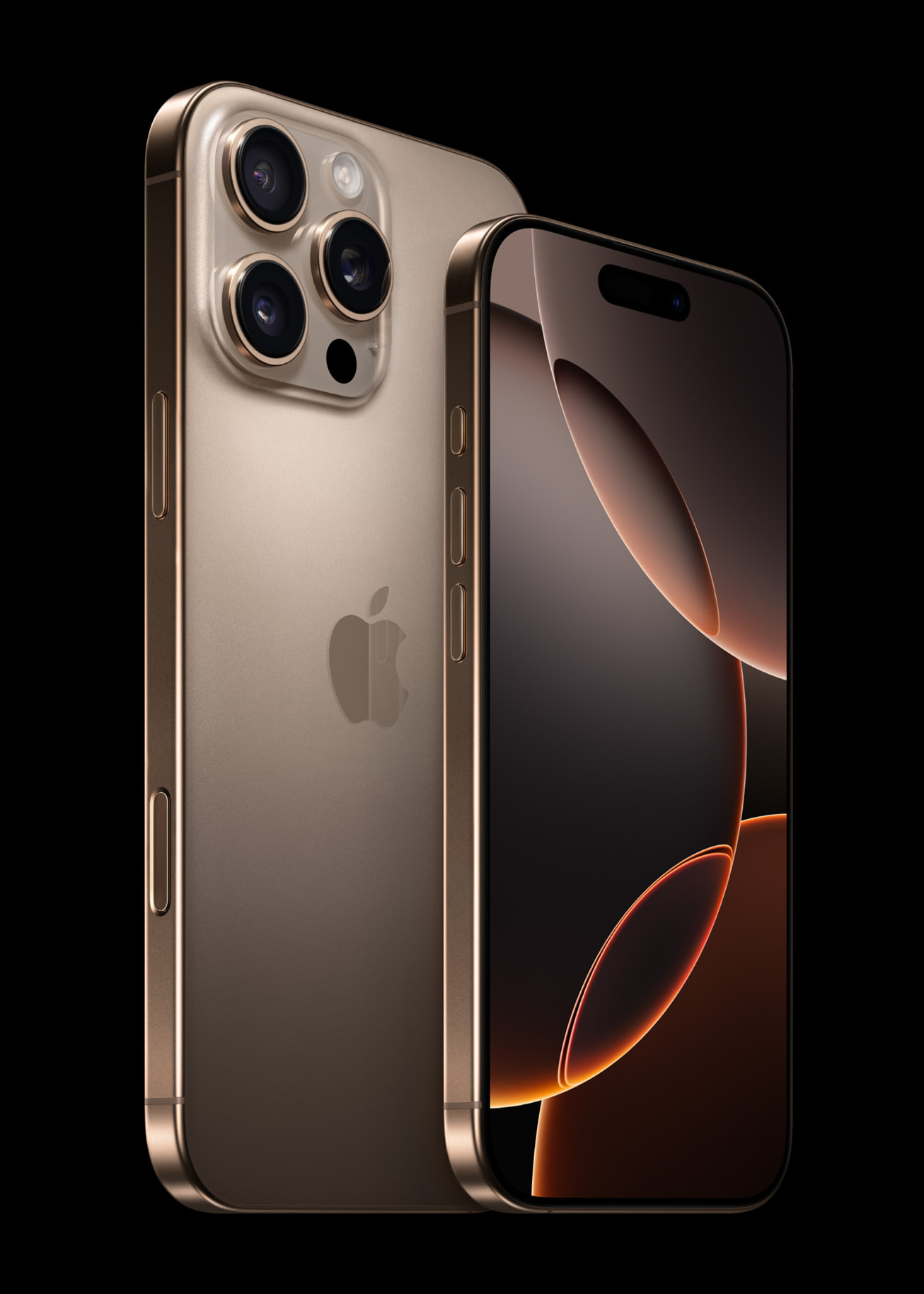
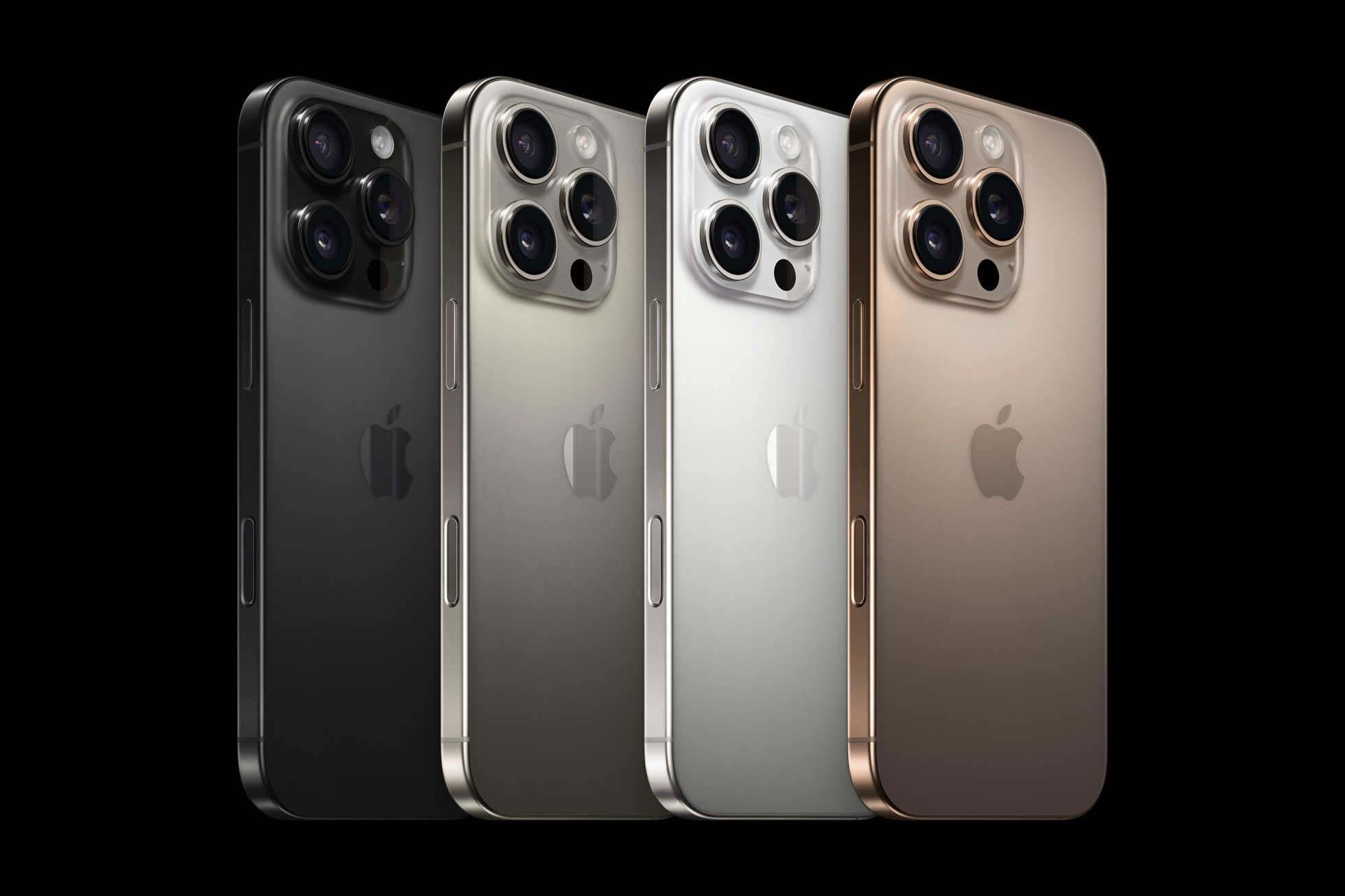
The body measures 77.6 x 163 x 8.25 mm and weighs 227 grams, so it is a big phone, close in size to a small tablet in one hand. Apple lists a titanium design, a Ceramic Shield front and a textured matte glass back, with IP68 protection for up to 6 metres and 30 minutes. The four finishes are black titanium, white titanium, natural titanium and desert titanium.
The OLED panel is 6.9 inches with 2868 x 1320 pixels at 460 ppi. ProMotion runs adaptively up to 120Hz, with an Always-On mode. Apple quotes 1,000 nits typical, 1,600 nits peak HDR and 2,000 nits peak outdoor brightness, and a 2,000,000:1 typical contrast ratio. Measured as a standard rectangle the diagonal is 6.86 inches. For reading, video and games the screen is the main reason to choose this model, but it also means one-handed use is difficult for many people, and the weight is noticeable in a pocket.
Next to the non-Pro models the differences are easy to list. The iPhone 16 Plus has a 6.7-inch screen but no ProMotion, no telephoto camera and an aluminium frame instead of titanium, and its video playback figure is 27 hours. The Pro Max therefore adds the faster display, the longer lens, the 48MP Ultra Wide and six extra hours of playback over the Plus, in exchange for 00 more at the U.S. starting prices (,199 against 99, although the Plus starts with less storage).
Performance and software
The A18 Pro uses Apple's second-generation 3nm process. It has a 6-core CPU split into two performance and four efficiency cores, a 6-core GPU with hardware-accelerated ray tracing and a 16-core Neural Engine. Apple does not state the memory size, so no RAM figure is given here. The phone launched with iOS 18, with Apple Intelligence arriving as a beta in iOS 18.1, and it can run later versions of the operating system as Apple chooses to support it.
Connectivity includes Wi-Fi 7 with 2x2 MIMO and Bluetooth 5.3. The USB-C port supports charging, DisplayPort and USB 3 speeds up to 10Gb/s with a suitable cable, which is useful for moving large video files from a phone that can record 4K at 120 frames per second in Dolby Vision. Apple does not publish sustained-performance figures for this model.
Camera system
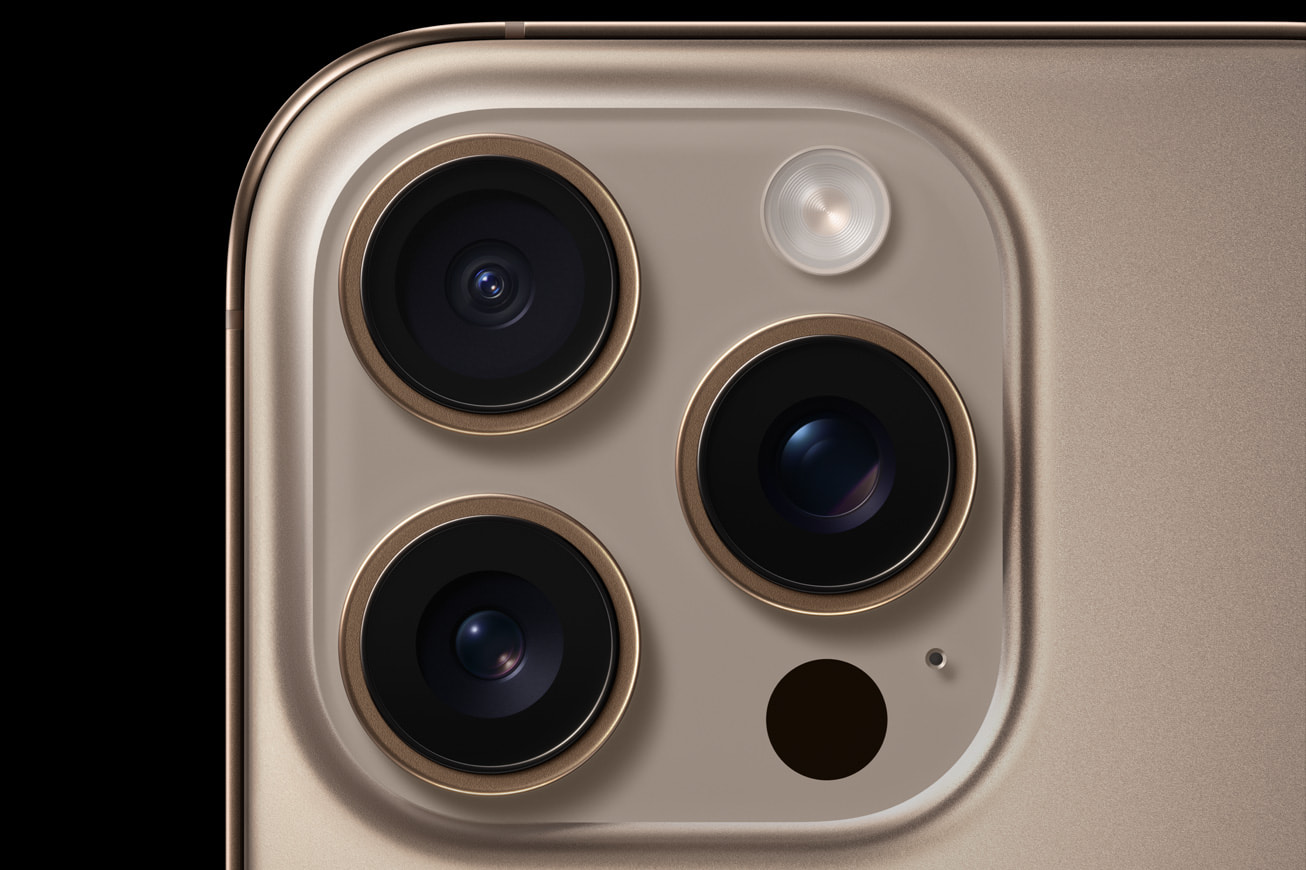
The camera setup matches the smaller Pro. A 48MP Fusion main camera has a 24 mm focal length and f/1.78 aperture. A 48MP Ultra Wide offers 13 mm at f/2.2 with autofocus for macro, and a 12MP 5x telephoto at 120 mm and f/2.8 uses a tetraprism design. A 2x mode crops from the main sensor, giving an optical-quality range of 0.5x to 5x, and digital zoom stretches to 25x. The front camera is 12MP at f/1.9.
The right edge carries Camera Control, a touch-sensitive button for zoom, exposure, depth, styles and tone. Video options reach 4K Dolby Vision at up to 120 fps, with ProRes 4K at 120 fps available when recording to an external drive. Because both Pro models use the same lenses and sensors, the choice between them should not depend on photo quality. A larger body can give a steadier grip on the Camera Control, and the bigger viewfinder is easier for framing, but those are ergonomic points, not claims from Apple.
Battery and charging
Battery capacity in milliampere-hours is not published. Apple states up to 33 hours of video playback, up to 29 hours of streamed video and up to 105 hours of audio playback, which are the highest figures in the 2024 range. Charging reaches about 50 percent in roughly 30 minutes with a 20W or higher USB-C adapter, or with a 30W or higher adapter on the MagSafe charger. Wireless charging is rated at up to 25W with MagSafe, 15W with Qi2 and 7.5W with Qi. No charger is included in the box.
These numbers come from Apple's own tests, so real use with a bright screen, 5G data and heavy camera work will be shorter. Even so, the gap of six hours of video playback over the smaller Pro is a concrete benefit that the company itself quantifies.
Who it is for
This is the phone for people who watch video, read and edit photos on the go and want the longest-lasting iPhone of its generation. Creators who shoot lots of 4K 120 fps footage should lean on the 512GB or 1TB options, since high-frame-rate files add up quickly. Those who find it too large can step down to the iPhone 16 Pro, or to the plain iPhone 16 Plus if the 5x lens is not needed. To see how it ranks against other devices, check the phone rankings.
Compromises
The price is the biggest barrier: $1,199 for 256GB, rising with storage. The phone is heavy at 227 grams, and it is the most awkward model for one-handed use. Charging speed is moderate compared with many Android flagships that quote 45W or higher, and a charger must be bought separately. The 5x telephoto uses a 12MP sensor, giving less cropping room than the 48MP lenses. Apple Intelligence features were staged over several updates after launch. Lastly, titanium and glass are expensive to repair if the phone is dropped outside a protection plan.
In short, the iPhone 16 Pro Max is the capability and endurance pick of the 2024 line. If you can live with the size and the cost, it offers the most complete iPhone of its year.
Where it ranks
Compare Apple iPhone 16 Pro Max with similar devices
More from Apple
Frequently asked questions
When was the Apple iPhone 16 Pro Max released?
The Apple iPhone 16 Pro Max was released on 2024-09-20, according to the manufacturer’s published information.
How much does the Apple iPhone 16 Pro Max cost?
The estimated range for the Apple iPhone 16 Pro Max is $1079 to $1319 in US dollars, based on the launch list price. Actual prices vary by country, retailer and storage option.
What are the main specs of the Apple iPhone 16 Pro Max?
Headline figures for the Apple iPhone 16 Pro Max: Refresh rate: 120 Hz, Main camera: 48 MP. The full specification table is further up this page.
Is the Apple iPhone 16 Pro Max worth buying?
That depends on your priorities. Use the editorial review on this page for our view, check the rankings above to see where the device stands on battery, display and camera, and compare it directly with similar models before you decide.


