Tablets
Lenovo Yoga Tab Plus Gen 2
Lenovo's 13-inch pen-first Android tablet pairs a 4K 144Hz display and Snapdragon 8 Elite with a 12,700 mAh battery, six speakers and seven OS upgrades through Android 24.
Key figures at a glance
Gallery

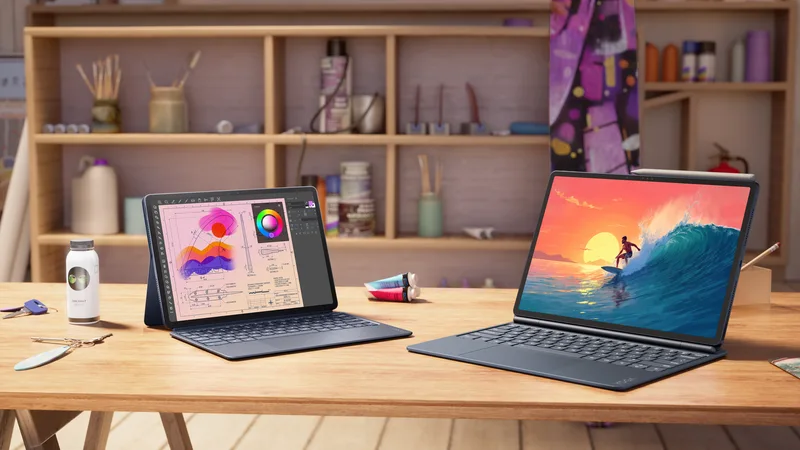
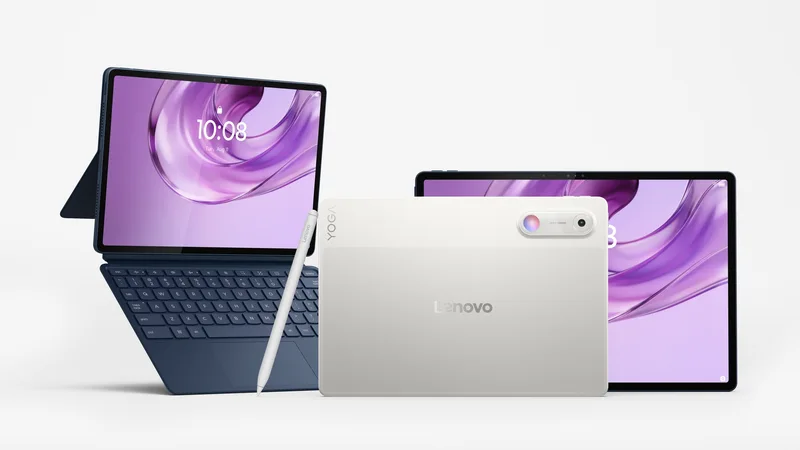
Specifications
- Display
- 13-inch 4K PureSight Pro, 3840x2560, 3:2, up to 144Hz (30/60/90/120/144Hz), 1100 nits peak, 100% DCI-P3, 355 ppi, Dolby Vision
- Chipset
- Snapdragon 8 Elite Mobile Platform (Qualcomm Oryon CPU)
- RAM
- 16GB
- Storage
- 256GB / 512GB; microSD up to 2TB
- Rear Camera
- 13MP main (autofocus) + 2MP macro
- Front Camera
- 8MP + 0.3MP
- Battery
- 12,700 mAh (typical), 68W wired charging
- OS
- Android 17, 7 OS upgrades through Android 24, security updates through 2033
- Body
- 291.78 x 200.35 x 8.27 mm, from 605 g (tablet only)
- Audio
- Six Harman Kardon speakers, 2 microphones
- Connectivity
- Wi-Fi 7, Bluetooth 6.0, USB-C 3.2 Gen 1, 3-point pogo pin
- Stylus
- Tab Pen Pro 2 (8,192 pressure levels, tilt, palm rejection)
- Keyboard
- Optional one-step magnetic clamshell keyboard
- Colors
- Cosmic Blue
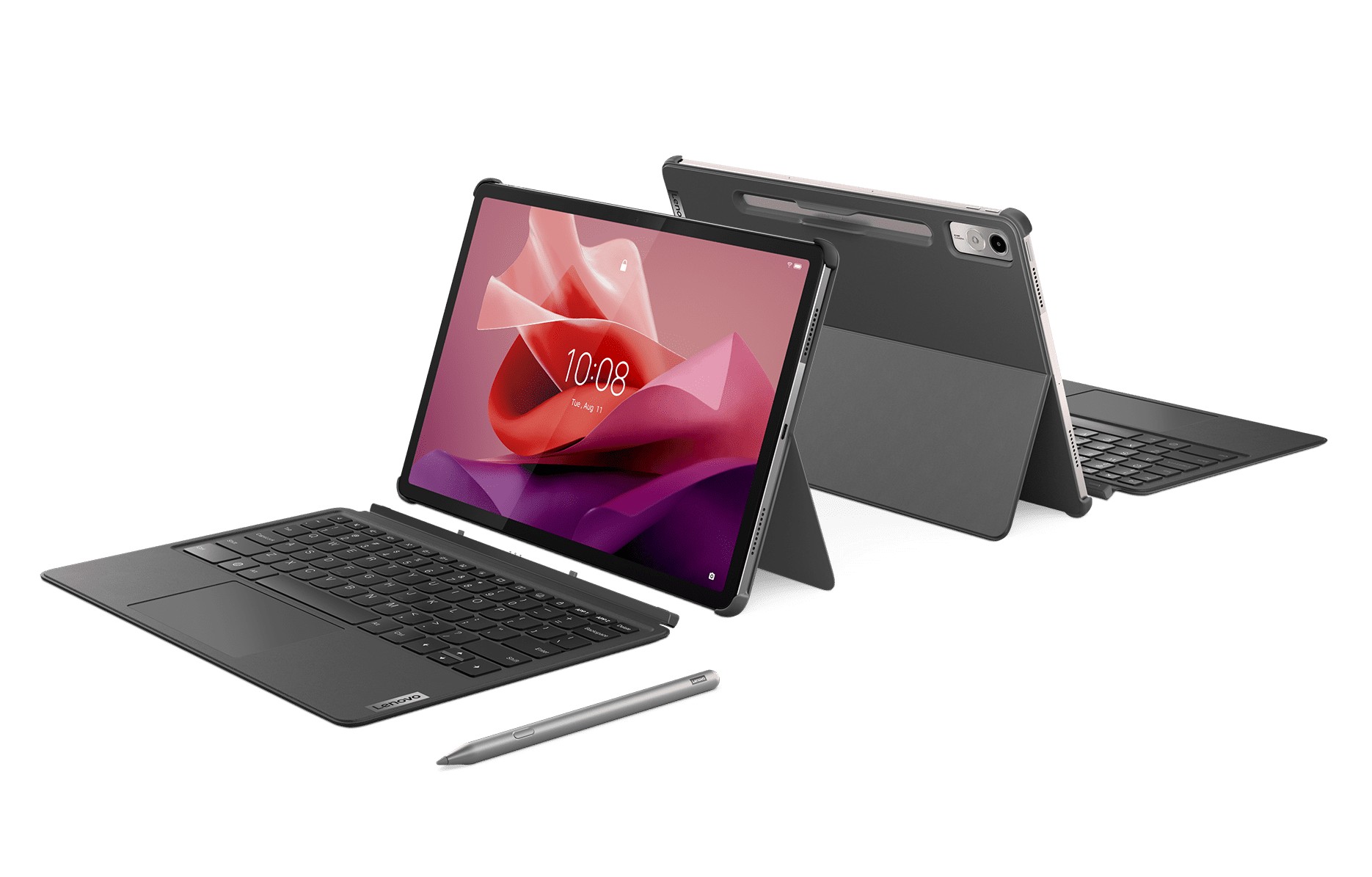
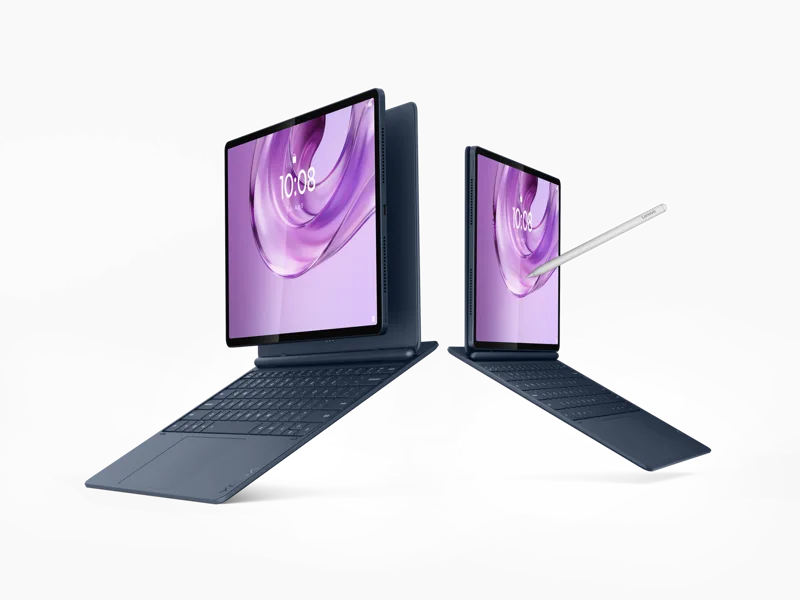
The Lenovo Yoga Tab Plus Gen 2 is a 13-inch Android tablet that Lenovo positions as its newest "native AI" tablet for digital artists, designers and other people who draw, annotate and edit on a slate rather than a laptop. It pairs a Snapdragon 8 Elite chip with a 4K, 144Hz display, a 12,700 mAh battery, six Harman Kardon speakers and a stylus-first software layer. This page is a specification-and-information review based on the published specifications and manufacturer information: it explains where the tablet sits in Lenovo's range, what the hardware offers, and which trade-offs the published figures imply.
Place in the lineup
Lenovo introduced the tablet on 3 September 2026 at its Innovation World event around IFA in Berlin, as part of an expanded Yoga portfolio that also included two creator laptops. Two tablets were announced together: the larger Yoga Tab Plus Gen 2 described here, and the smaller Lenovo Yoga Tab Gen 2, which Lenovo describes as the portability-led option. According to Lenovo, the Plus model is the one for people who want more performance and versatility, while the standard Gen 2 is for people who value mobility and everyday use.
Lenovo's announcement gave an estimated starting price of 849 euros including tax for the Plus Gen 2, with availability expected from September 2026. The announcement did not include a United States price, so none is listed here and the figure should be treated as an estimate for European markets, not a firm retail price. Regional availability, storage options and bundles may differ by country.
Design and display
The tablet measures 291.78 x 200.35 x 8.27 mm including the camera bump and starts at 605 grams without accessories, so it is a large, fairly light slab for its screen size. It comes in a single colour, Cosmic Blue. Lenovo does not list the body material in the release, so the page makes no claim about the finish beyond the colour name.
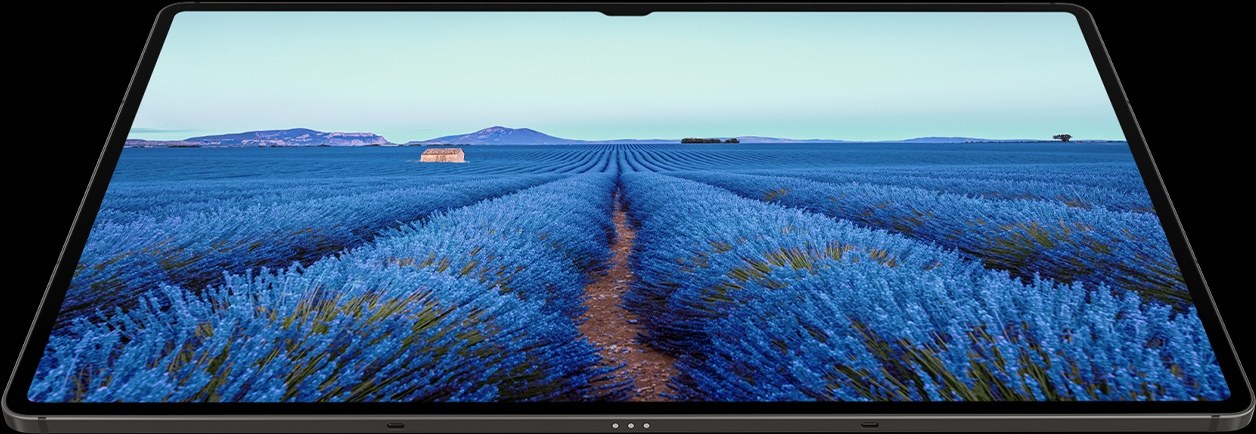
The screen is the centrepiece. It is a 13-inch panel with 4K resolution (3840 x 2560) in a 3:2 aspect ratio, which gives roughly 355 pixels per inch. Lenovo lists refresh rates of 30, 60, 90, 120 and 144Hz, a peak brightness of 1,100 nits, 100 percent DCI-P3 coverage and Dolby Vision support, and brands the panel PureSight Pro. A 3:2 shape is a practical choice for a drawing tablet: it behaves more like a sheet of paper or a document page than the 16:10 shape common on media-first tablets, and it leaves room for toolbars in portrait and landscape. The peak brightness figure is a manufacturer figure, normally reached only on small highlights, so sustained outdoor brightness will be lower.
Performance and software
Inside is the Snapdragon 8 Elite Mobile Platform with Qualcomm's Oryon CPU, the same chip family used in the flagship phones of the previous cycle, such as the Galaxy S25 Ultra. Lenovo lists three memory and storage combinations: 12GB with 256GB, 16GB with 256GB, and 16GB with 512GB. A microSD slot supports cards up to 2TB, which is unusual on premium tablets and useful for large sketch libraries, video projects or offline media. Lenovo has not published synthetic benchmark scores, and none are quoted here.
The software promise is one of the strongest parts of the specification. The tablet launches with Android 17, and Lenovo states that it includes seven OS upgrades through Android 24 and up to seven years of security updates through 2033. If delivered, that places it in the longest-supported group of Android devices. Lenovo also lists a set of built-in AI features: Lenovo AI Vision, Lenovo Qira, Smart AI Input, AI Creation Tools, AI Note and Live Transcript. Lenovo says they help users capture and refine ideas by pen, voice, camera and touch. Availability of individual AI features can vary by region and language, so check the list for your market before buying on that basis.
Pen, keyboard and creative use
The tablet works with the Tab Pen Pro 2. Lenovo specifies 8,192 pressure levels, tilt detection and palm rejection, and gesture controls named Click to Draw, Squeeze to Select, Flip to Erase and Double Tap, plus double-clicking the pen tail to start a recording. Together with the 3:2 4K screen this is clearly aimed at illustration, note-taking and annotation. Lenovo's release does not say whether the pen is included in the box, so treat it as a separate purchase unless the retailer's listing says otherwise.
An optional one-step magnetic clamshell keyboard turns the tablet into a more conventional laptop-style setup, and the tablet has a three-point pogo connector for accessories. Tablets with a detachable keyboard are only as productive as their desktop-style window management, and Android 17 on a 13-inch screen is the part of that experience that matters most. Lenovo's materials describe the software layer but do not detail multitasking behaviour, so heavy desktop-style workflows deserve a closer look once independent hands-on coverage is available. For people who want a comparison with a keyboard-focused rival, see the iPad Pro M5 page or the side-by-side Lenovo Yoga Tab Plus Gen 2 vs Galaxy Tab S11 Ultra.
Cameras and audio
The camera system is modest, as is normal for tablets. The rear has a 13MP autofocus main camera and a 2MP macro camera, while the front has an 8MP camera plus a 0.3MP (VGA) sensor. This is enough for document scanning, video calls and reference shots, but not a substitute for a phone camera.
Audio is better than average on paper. The tablet has six speakers tuned with Harman Kardon and two microphones. Lenovo's description stresses calls, media creation and entertainment, and the Live Transcript feature relies on the microphones. Speaker quality is a subjective judgement that specifications cannot settle, so this remains a claim until reviews measure it.
Battery, charging and connectivity
The battery is rated at 12,700 mAh (typical) with support for a 68W charger. That is a large capacity for a 13-inch tablet, and the 4K, 144Hz screen is the main thing that will drain it. Lenovo has not published a video-playback hour figure in the announcement, so real-world endurance has to be established by reviewers. The 68W figure is the supported charging speed; whether a charger comes in the box is not stated. The 144Hz mode and 4K resolution will use more power than the lower refresh rates, and the adaptive range down to 30Hz exists to reduce that.
Connectivity is up to date: Wi-Fi 7, Bluetooth 6.0 and a USB Type-C 3.2 Gen 1 port. Lenovo's published list does not mention a cellular option, so assume Wi-Fi only unless a regional listing says otherwise.
Who it is for
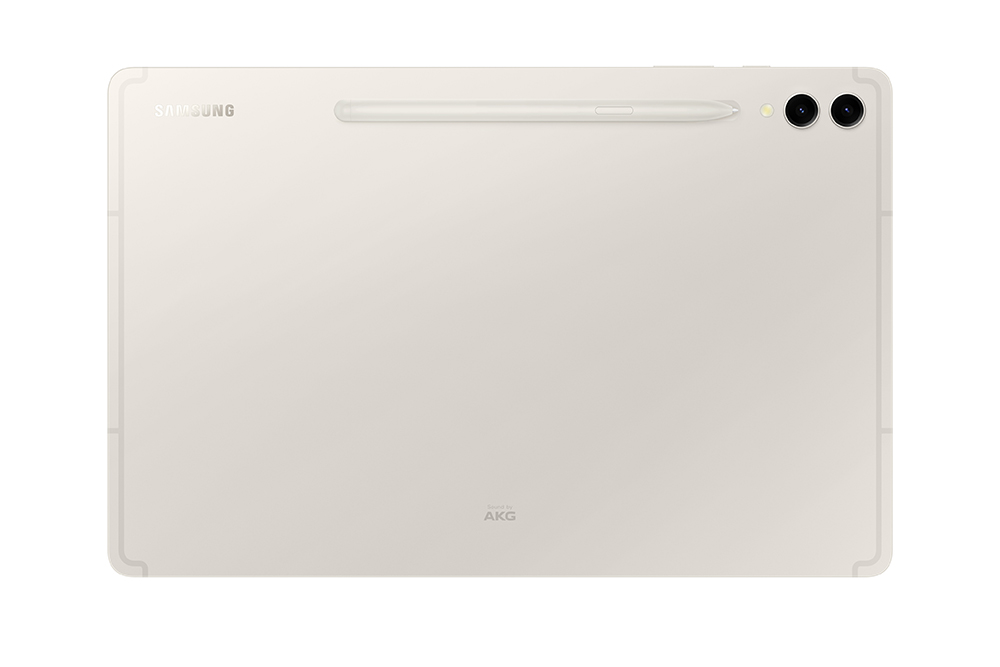
The Yoga Tab Plus Gen 2 suits people who want a large, high-resolution canvas with a flagship Android chip, long update support and a keyboard option, and who prefer Android's flexibility over a closed ecosystem. It is especially relevant for illustrators, designers who sketch and mark up, students who take handwritten notes and anyone who wants a media tablet with unusually good speakers. People already invested in Samsung's S Pen tablets may also want to look at the Galaxy Tab S12+, which is the closest rival by size.
Compromises and open questions
- No US price or confirmed US launch: the only price Lenovo gave is a European estimate.
- Accessories: the keyboard and probably the pen are optional, which raises the true cost of the pen-and-keyboard setup.
- Single colour: Cosmic Blue is the only finish listed.
- Cameras are basic: a 13MP main camera and a 2MP macro are conventional tablet fare.
- Unverified claims: brightness, battery life and AI features are Lenovo figures and need independent confirmation.
- Software scale: Android's large-screen apps vary in quality, which matters more on a 13-inch drawing tablet than on a phone.
Overall, the published specifications describe an ambitious tablet: a 4K 144Hz 3:2 screen, flagship silicon, a very large battery, microSD expansion and a seven-year software promise. The remaining questions are practical ones, such as price outside Europe, accessory bundles and how well the software handles desktop-style work. To see where it lands against other tablets, visit the rankings page.
Where it ranks
Compare Lenovo Yoga Tab Plus Gen 2 with similar devices
More from Lenovo
Frequently asked questions
When was the Lenovo Yoga Tab Plus Gen 2 released?
The Lenovo Yoga Tab Plus Gen 2 was released on 2026-09-03, according to the manufacturer’s published information.
What are the main specs of the Lenovo Yoga Tab Plus Gen 2?
Headline figures for the Lenovo Yoga Tab Plus Gen 2: Battery: 12,700 mAh, Refresh rate: 144 Hz, Main camera: 13 MP, RAM: 16 GB. The full specification table is further up this page.
Is the Lenovo Yoga Tab Plus Gen 2 worth buying?
That depends on your priorities. Use the editorial review on this page for our view, check the rankings above to see where the device stands on battery, display and camera, and compare it directly with similar models before you decide.