Tablets
Lenovo Idea Tab Plus
Lenovo's 12.1-inch value tablet offers a 2.5K 90 Hz screen, a 10,200 mAh battery, four Dolby Atmos speakers and optional pen, folio and keyboard accessories on a Dimensity 6400.
Key figures at a glance
Gallery
Specifications
- Display
- 12.1-inch 2.5K IPS LCD, 2560x1600, 16:10, 90Hz, 600 nits typical / 800 nits high brightness, 96% DCI-P3
- Chipset
- MediaTek Dimensity 6400 (2x Cortex-A76 at 2.5GHz + 6x Cortex-A55 at 2.0GHz), Arm Mali-G57 MC2
- RAM
- 12GB
- Storage
- 128GB / 256GB UFS 2.2; microSD up to 2TB
- Rear Camera
- 13MP main (autofocus)
- Front Camera
- 8MP, fixed focus
- Battery
- 10,200 mAh (typical), 45W USB-C charging (adapter not included in all configurations)
- OS
- Android 15, Android 16 and 17 upgrades expected and four years of security updates per Lenovo
- Body
- 278.8 x 181.05 x 6.29 mm (6.49 mm for 5G models), about 530 g, metal
- Audio
- Four speakers tuned with Dolby Atmos, 2 microphones, Hi-Res Wireless Audio certified
- Connectivity
- Wi-Fi 5, Bluetooth 5.2, optional 5G Sub-6 GHz, USB-C (USB 2.0), 3-point pogo pin
- Colors
- Cloud Grey, Luna Grey, Sand Rose
The Lenovo Idea Tab Plus is a 12.1-inch Android tablet from Lenovo's Idea Tab family, announced in early September 2025 at the IFA-timed Innovation World event. It aims at the part of the market where price matters most: a large 2.5K screen, a big 10,200 mAh battery, four speakers and optional pen, folio and keyboard accessories, all in a slim metal body, with a mid-range MediaTek processor to keep the cost down. This page is based on the published specifications and manufacturer information, and it looks at where the tablet fits, what it offers and where it cuts corners.
Where it sits in the lineup
Lenovo separates its tablets into a premium Yoga line and a value-oriented Idea line. The Idea Tab Plus belongs to the second group and is the larger of the two Idea models shown at the event, with a 12.1-inch screen instead of the 11-inch size common in cheaper tablets. It was launched next to the pricier Lenovo Yoga Tab, which uses a Snapdragon 8 Gen 3 chip and a 144 Hz display; the two share the same four-speaker layout and pogo-pin keyboard connector but little else. Lenovo said availability would begin in September 2025 with an expected starting price of 299 euros. No official US price appeared in the material reviewed, so none is stated here.
The Idea Tab Plus has since been followed by newer Lenovo tablets in this catalogue. The Lenovo Tab Plus Gen 2 and Lenovo Idea Tab Pro Gen 2 sit in the same broad territory with newer hardware, so shoppers who find the first-generation Idea Tab Plus on sale are comparing an older, cheaper design with a more recent one.
Design and display
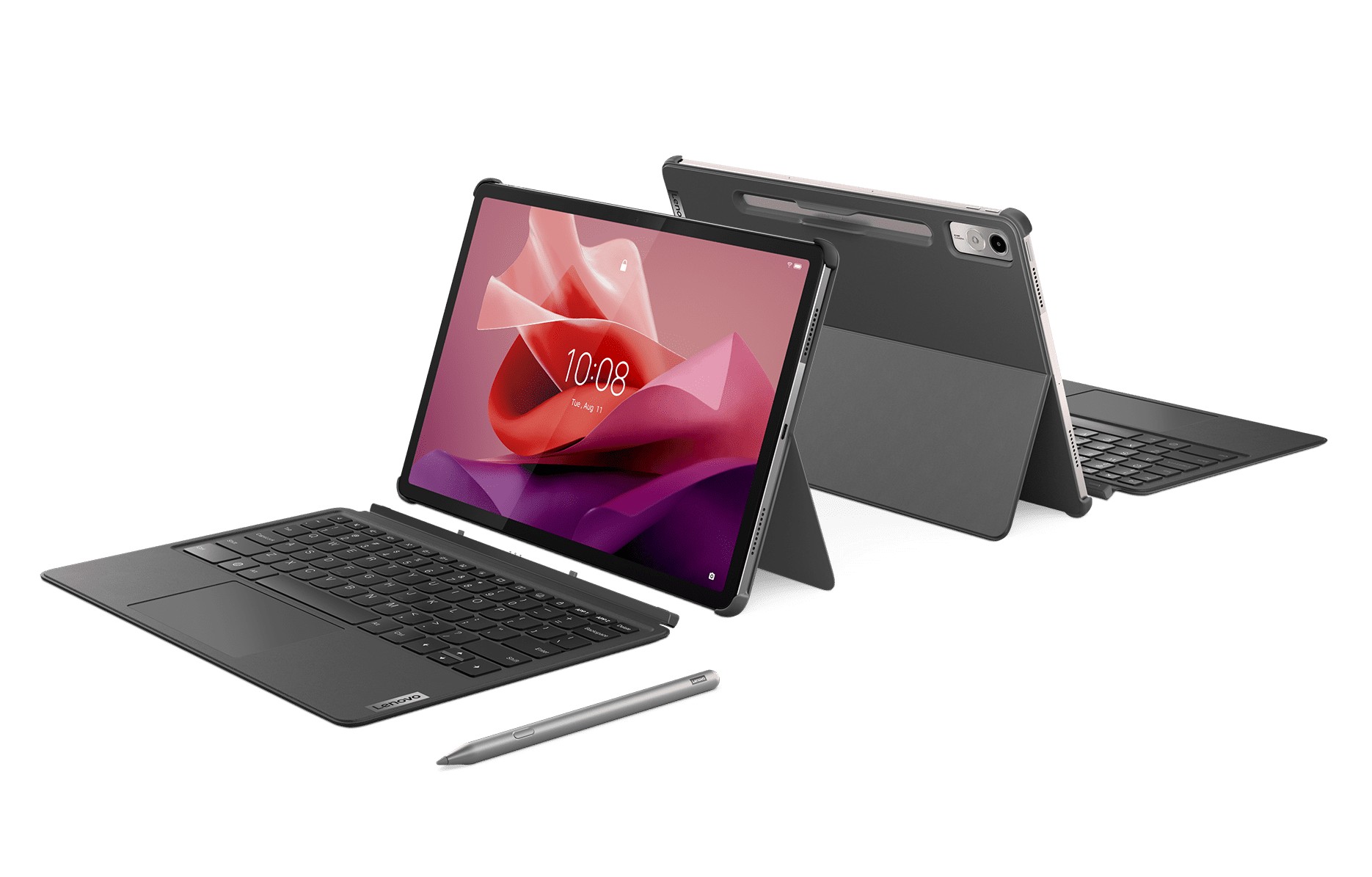
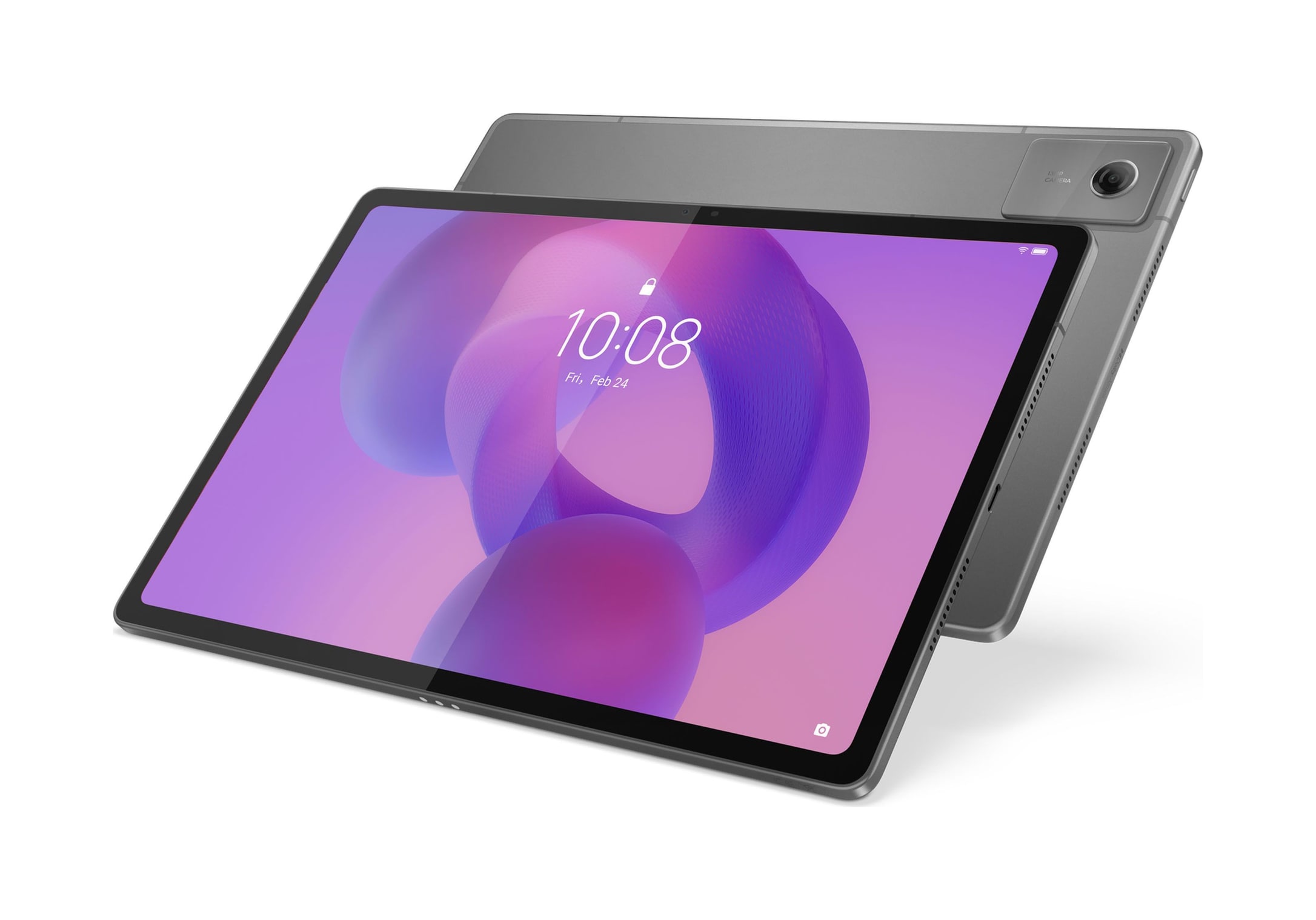
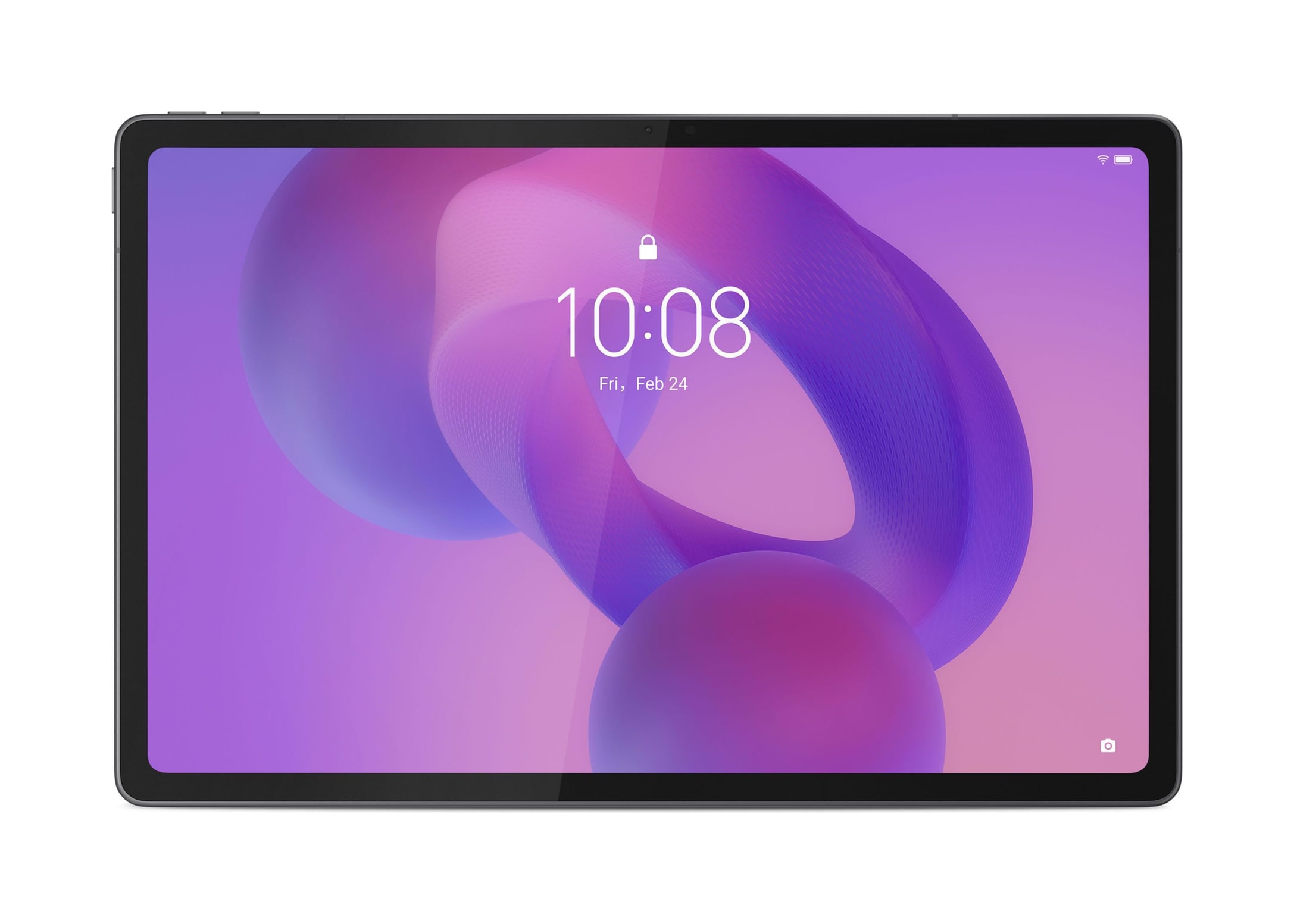
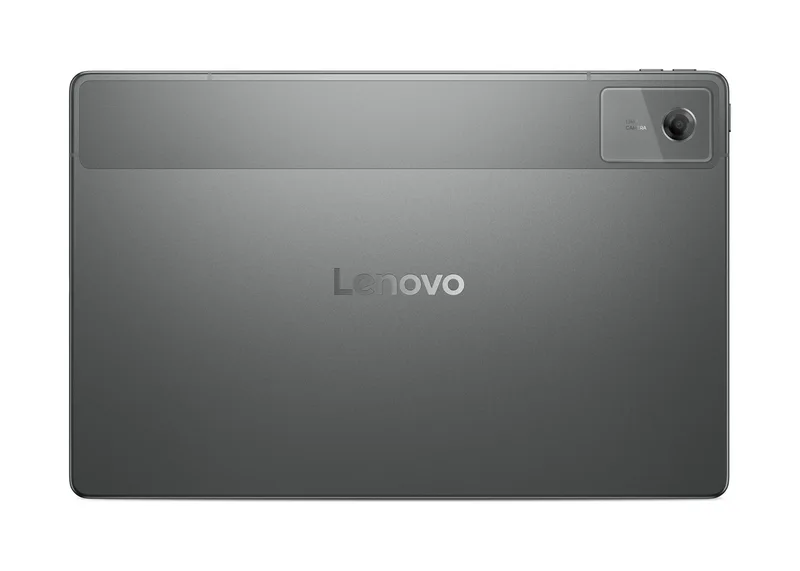
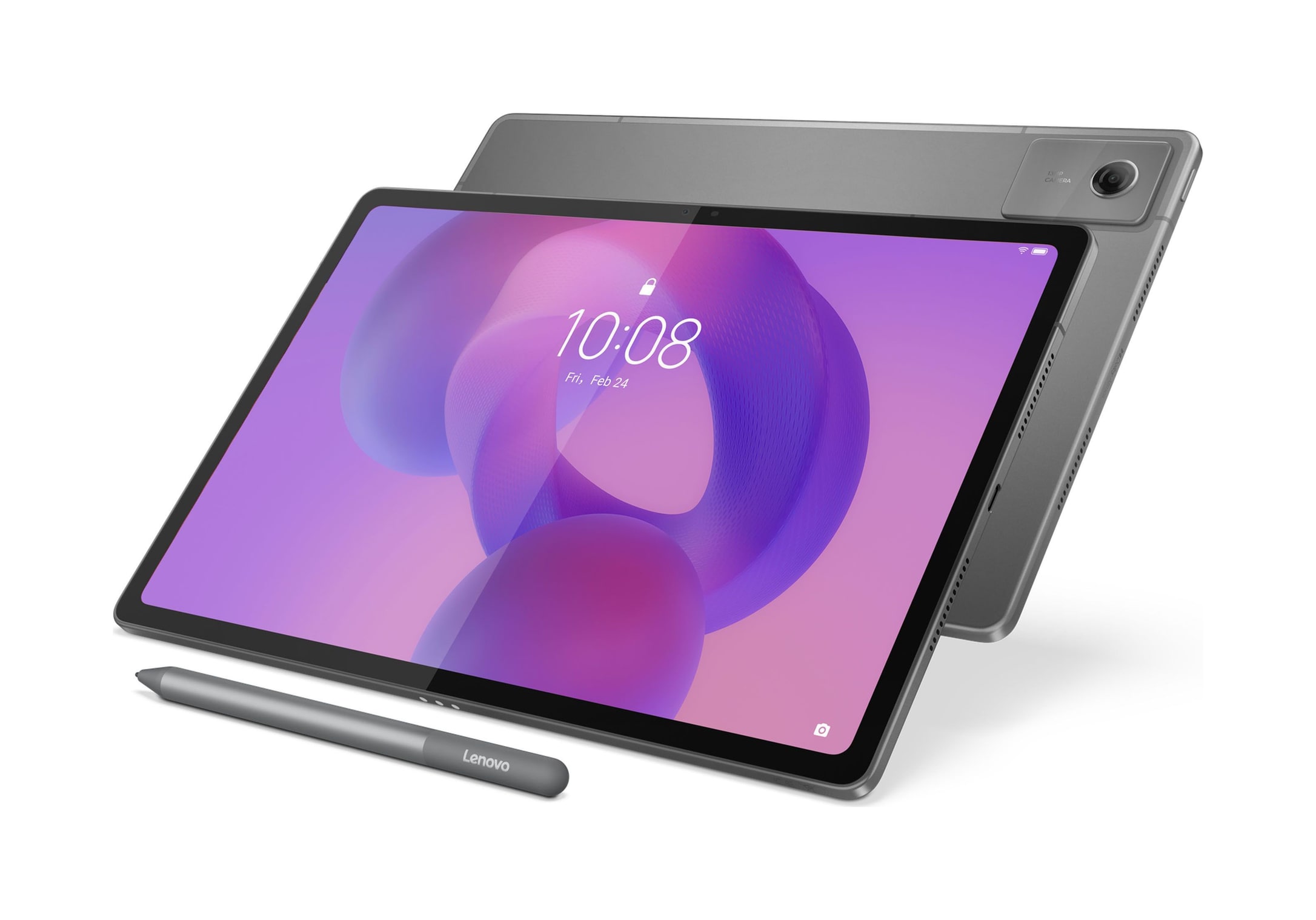
The case is metal and measures 278.8 x 181.05 x 6.29 mm for the Wi-Fi version, slightly thicker at 6.49 mm for the 5G version. Lenovo lists a weight of around 530 g. That is not light by tablet standards, and it is noticeable when the device is held in one hand for reading, but it is the price of the large screen and the big battery. Three finishes are offered: Cloud Grey, Luna Grey and Sand Rose. The back has a single camera in a raised rectangular block, and a three-point pogo connector on the edge takes the folio keyboard.
The display is a 12.1-inch IPS LCD at 2560 x 1600 pixels in a 16:10 shape, which gives roughly 249 pixels per inch. The refresh rate is 90 Hz, colour coverage is 96 percent of DCI-P3, and Lenovo quotes 600 nits typical brightness with an 800-nit high-brightness mode. The screen takes up 87.5 percent of the front surface. A 2.5K resolution at 12 inches is sharp enough for reading and video, and 90 Hz makes scrolling smoother than the 60 Hz panels still common at lower prices. It is an LCD rather than an OLED, so blacks and contrast will not match a premium OLED tablet, and the 800 nit figure applies only in the high-brightness mode.
Performance and software
The processor is a MediaTek Dimensity 6400, an octa-core chip with two Cortex-A76 cores at 2.5 GHz and six Cortex-A55 cores at 2.0 GHz, paired with an Arm Mali-G57 MC2 graphics unit. This is a mid-range part. It suits web browsing, streaming, reading, video calls, note-taking and casual games, but it will struggle more than a flagship chip with heavy 3D games, large photo projects or demanding multitasking. Memory is 8 GB or 12 GB of LPDDR4x, and storage is 128 GB or 256 GB of UFS 2.2, with microSD support up to 2 TB for people who want to store large media libraries cheaply.
The tablet runs Android 15. Lenovo's announcement states that Android 16 and 17 upgrades are expected and that security updates will run for four years, which is a reasonable commitment at this price. Connectivity is Wi-Fi 5 and Bluetooth 5.2, with optional 5G on Sub-6 GHz models, plus GPS, GLONASS and Galileo. The USB-C port runs at USB 2.0 speed, so wired data transfers and external displays are not strong points; it is meant mainly for charging. The audio setup has four speakers tuned with Dolby Atmos and two microphones, and Lenovo adds Hi-Res Wireless Audio certification for compatible headphones.
Cameras
As is usual at this level, cameras are basic. The rear camera is a single 13-megapixel autofocus unit, enough for scanning documents, snapping whiteboards or taking reference pictures. The front camera is 8 megapixels with a fixed focus and face unlock, which is adequate for video calls and online lessons. There is no ultra-wide or macro module, and Lenovo makes no claims about advanced video recording. The tablet is a media and study device first, and a camera second.
Battery and charging
This is a strength. The 10,200 mAh battery is large for an Android tablet of this size. Lenovo's lab-based estimates are around 13 hours of YouTube streaming and 13.5 hours of Chrome browsing, which would cover a full day of study or a long journey, although real results depend on brightness and refresh rate. Charging uses a 45 W USB-C adapter, but Lenovo notes that the adapter is not included in every configuration, so buyers should check the box contents. A 45 W charger refills a battery this size in a reasonable time, though not as quickly as the fastest phones.
Accessories
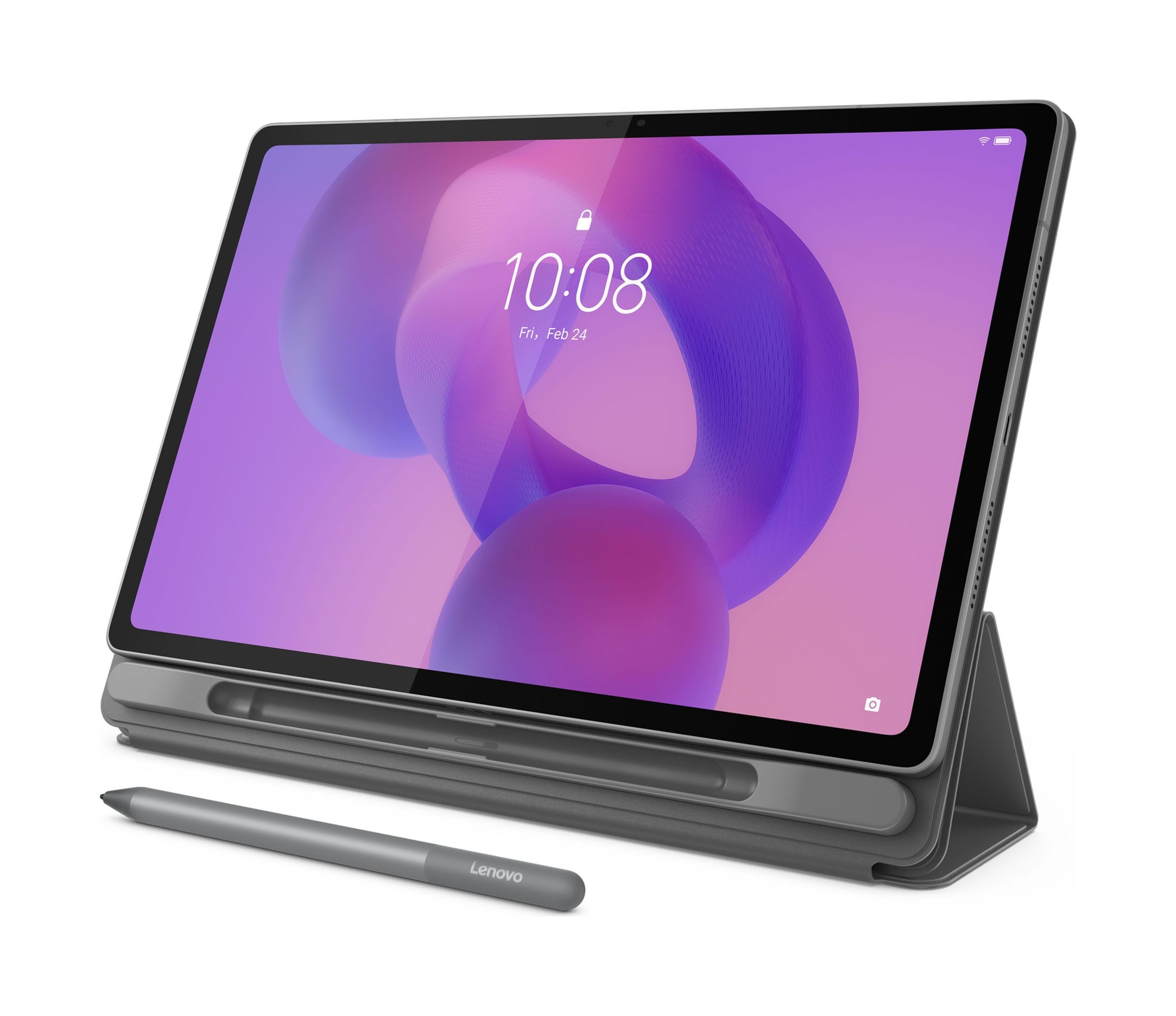
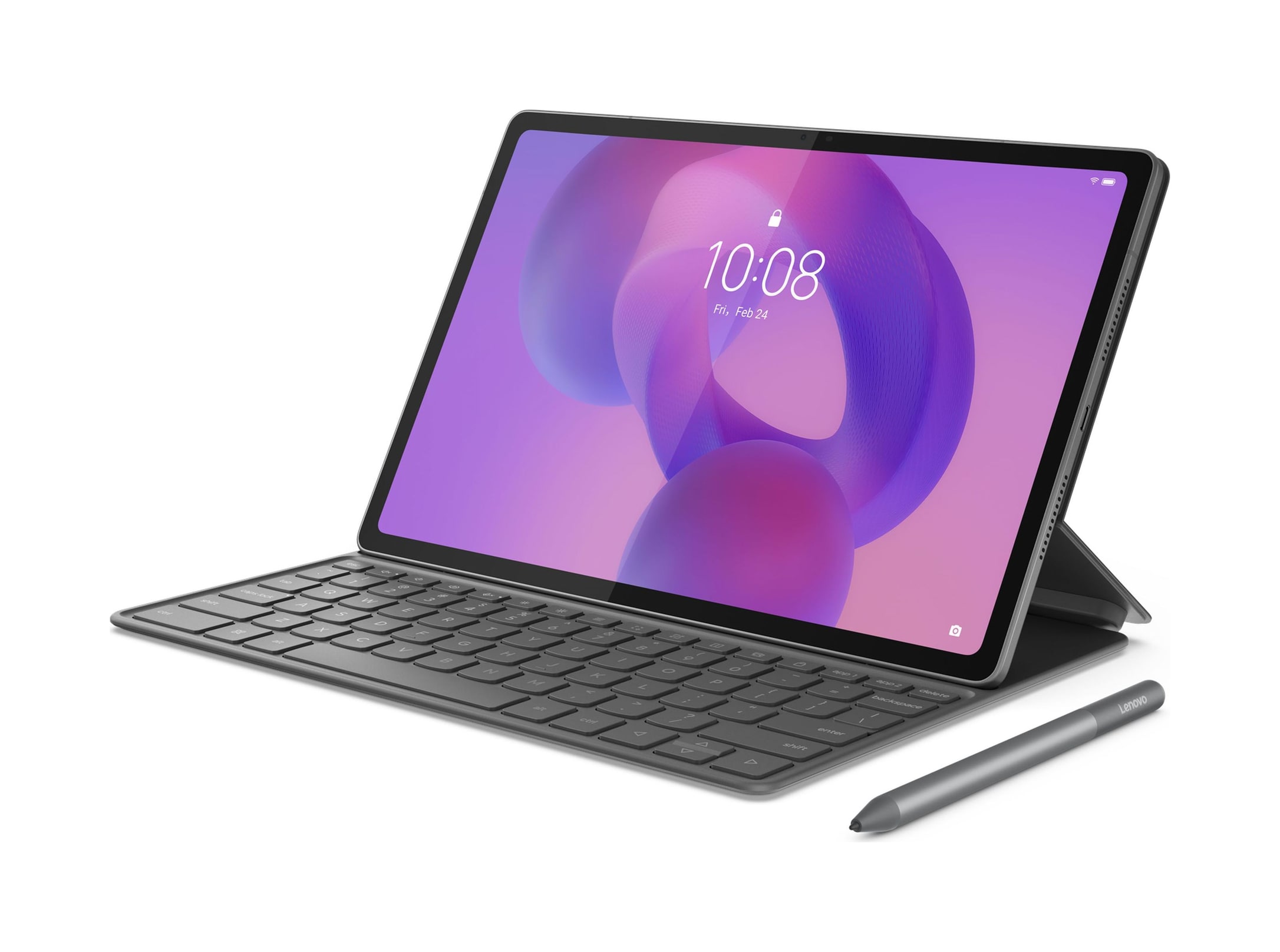
Lenovo's press images show the tablet with a folio case that holds a stylus, a detachable keyboard and a pen. Those accessories make the tablet more useful for note-taking and light office work, but they are optional and add to the total price. Stylus compatibility and keyboard availability can differ by country, so it is worth confirming exactly what is in your region before buying a specific bundle.
Who it is for
The Idea Tab Plus suits families, students and anyone who wants a large, sharp screen and a long-lasting battery without paying flagship prices. It is a good living-room and bedside device for streaming, reading and browsing, and the microSD slot and 12 GB option are useful if you keep many downloads on the device. People who plan to draw, edit video or play demanding games will be better served by a faster chip. For a step up, compare it with the Lenovo Idea Tab Pro Gen 2, or see how it stacks up against a well-known rival in the Lenovo Idea Tab Plus vs Galaxy Tab S9 table. The rankings page shows how the tablet scores overall.
Compromises to consider
- Mid-range processor. The Dimensity 6400 is fine for everyday tasks but will lag in demanding games and heavy multitasking.
- LCD panel at 90 Hz. Good for the price, but not OLED and not 120 Hz.
- Heavy for its class. At about 530 g it is tiring in one hand for long periods.
- Slow USB port and Wi-Fi 5. USB 2.0 and Wi-Fi 5 are limiting for fast transfers and external displays.
- Basic cameras. A single 13-megapixel rear camera and an 8-megapixel front camera.
- Charger not always included. Lenovo notes that the adapter is missing from some configurations.
Overall, the Lenovo Idea Tab Plus is a large-screen, long-battery tablet that puts its money into the display, speakers and battery while accepting a mid-range chip and basic cameras. For media and study it is a sensible choice; for creative or gaming work it is not the best match.
Where it ranks
Compare Lenovo Idea Tab Plus with similar devices
More from Lenovo
Frequently asked questions
When was the Lenovo Idea Tab Plus released?
The Lenovo Idea Tab Plus was released on 2025-09-05, according to the manufacturer’s published information.
What are the main specs of the Lenovo Idea Tab Plus?
Headline figures for the Lenovo Idea Tab Plus: Battery: 10,200 mAh, Refresh rate: 90 Hz, Main camera: 13 MP, RAM: 12 GB. The full specification table is further up this page.
Is the Lenovo Idea Tab Plus worth buying?
That depends on your priorities. Use the editorial review on this page for our view, check the rankings above to see where the device stands on battery, display and camera, and compare it directly with similar models before you decide.