Smartwatches
Samsung Galaxy Watch7
Samsung's 2024 mainstream smartwatch brings the 3 nm Exynos W1000, 32GB of storage and dual-frequency GPS, with up to 40 hours of battery life in 40 mm and 44 mm sizes.
Key figures at a glance
Gallery
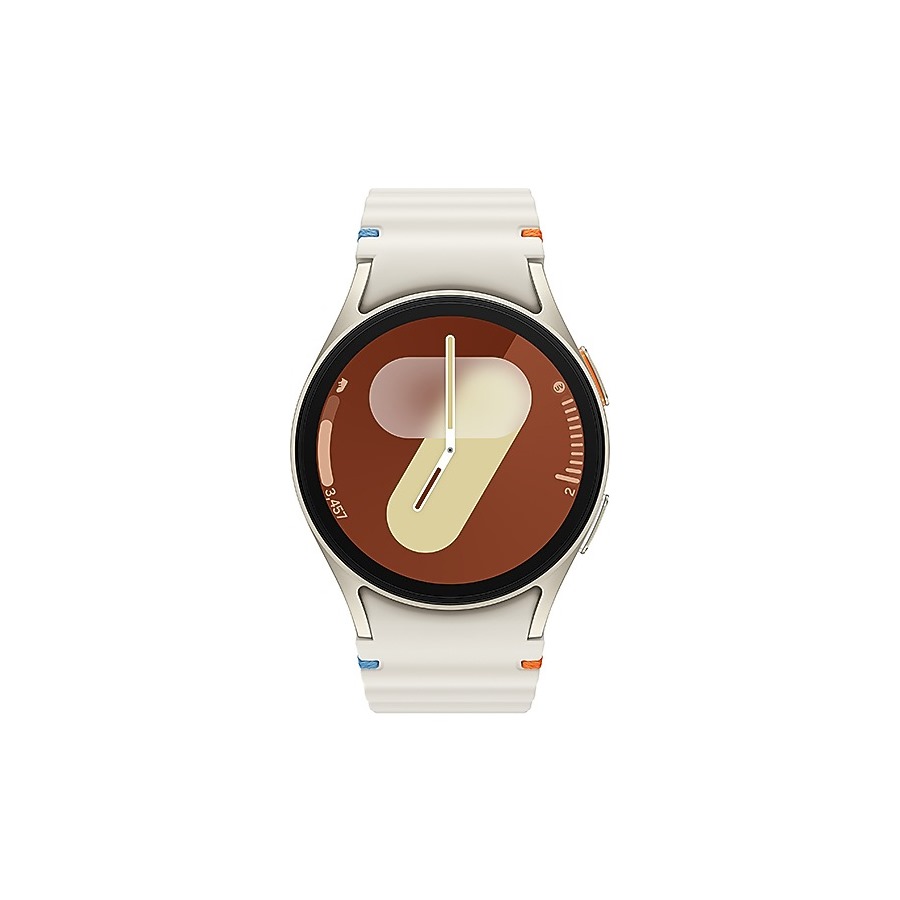
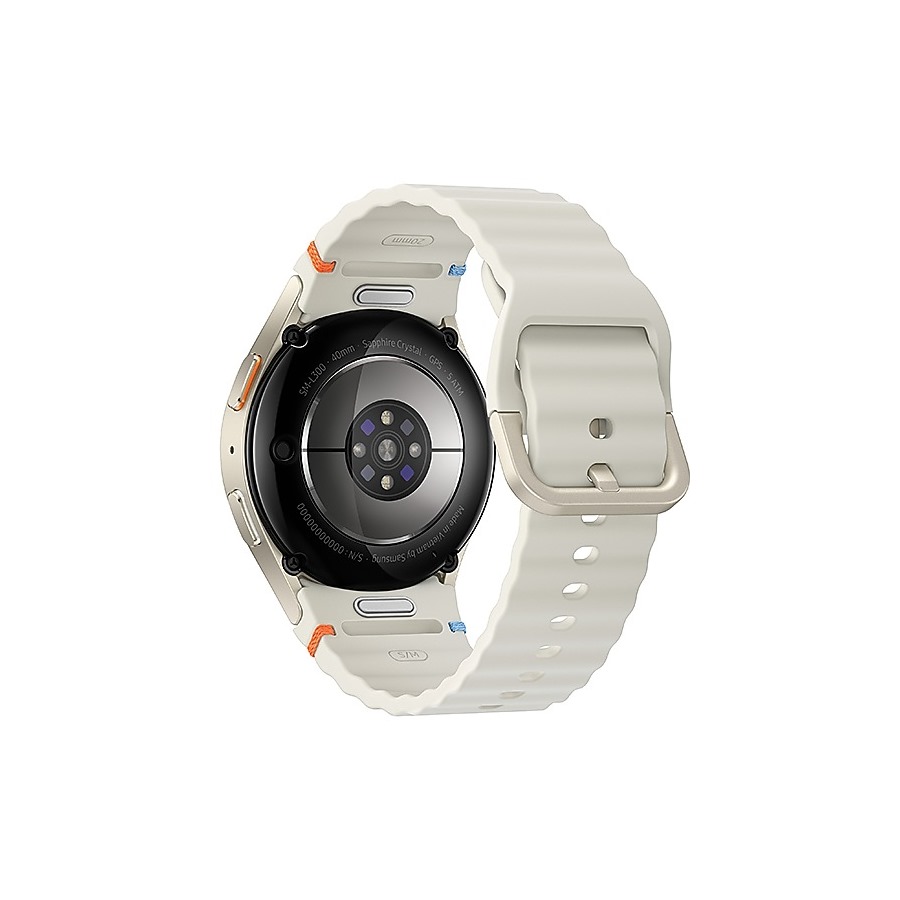
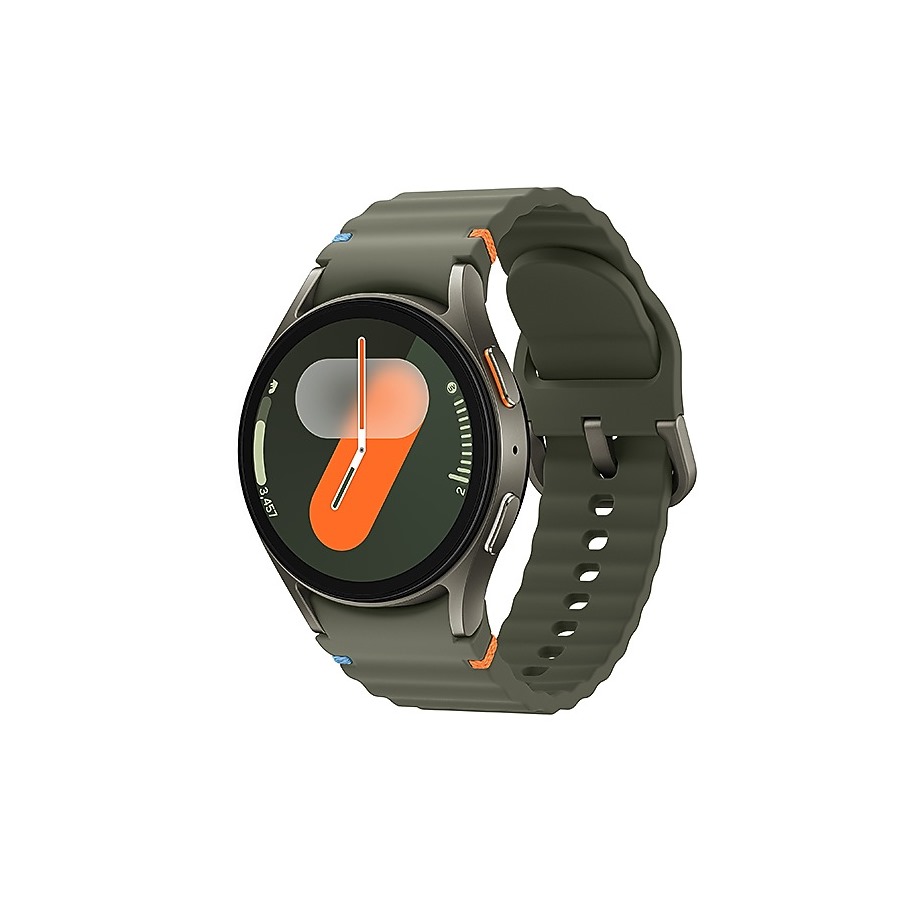
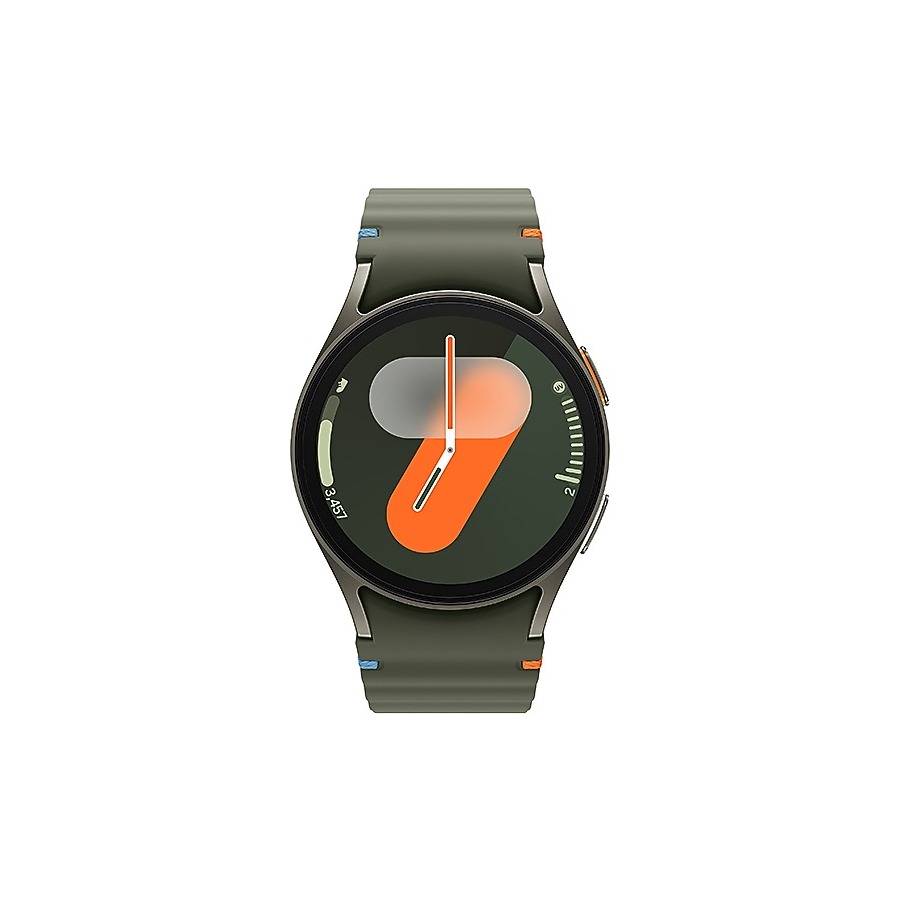
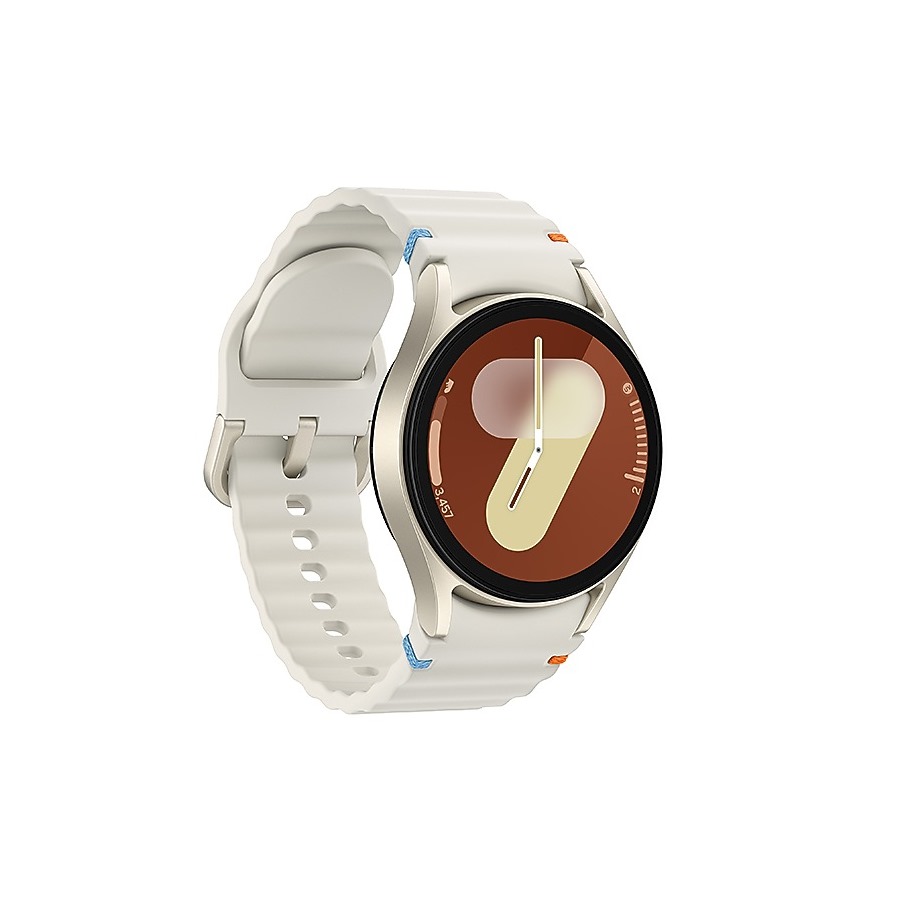
Specifications
- Sizes
- 40 mm and 44 mm; Bluetooth and LTE variants; Green, Silver and Cream
- Display
- Super AMOLED, 480x480 (44 mm) / 432x432 (40 mm), 2,000 nits, sapphire crystal, always-on option
- Chipset
- Exynos W1000 (5-core, 3 nm), 1.6GHz
- RAM
- 2GB
- Storage
- 32GB
- Battery
- Up to 40 hours (always-on display off), up to 30 hours (always-on display on); 425 mAh (44 mm), 300 mAh (40 mm), fast wireless charging
- Body
- Armor Aluminum; 44.4 x 44.4 x 9.7 mm, 33.8 g (44 mm); 40.4 x 40.4 x 9.7 mm, 28.9 g (40 mm)
- Durability
- 5ATM, IP68, MIL-STD-810H
- Sensors
- BioActive Sensor (optical heart rate, ECG, bioelectrical impedance), infrared skin temperature, accelerometer, barometer, gyro, geomagnetic, light
- Connectivity
- Bluetooth 5.3, Wi-Fi 2.4GHz + 5GHz, NFC, dual-frequency L1+L5 GPS, optional LTE
- OS
- Wear OS Powered by Samsung, One UI Watch; works with Android 11 or later (not iPhone)
The Galaxy Watch7 is Samsung's mainstream Wear OS smartwatch of 2024 and the model that most Galaxy phone owners will compare everything else against. It is a round aluminium watch in 40 mm and 44 mm sizes, built around the new 3 nm Exynos W1000 chip, with 2GB of memory, 32GB of storage and a sensor array that Samsung calls BioActive. This page is a review based on the published specifications and manufacturer information. It covers where the watch sits in Samsung's range, what the hardware actually contains, how the battery claims should be read and which compromises a buyer has to accept.
Where it sits in the lineup
Samsung announced the Galaxy Watch7 on 10 July 2024 together with the larger Galaxy Watch Ultra, and sales started on 24 July 2024. Samsung's US price for the 40 mm Bluetooth model was $299.99, with the 44 mm and LTE versions costing more; we could not confirm every regional price on an official page, so check the current price in your market. The Watch7 replaced the Galaxy Watch6 and dropped the Classic variant with its rotating bezel for that year: the premium role went to the Galaxy Watch Ultra, and the Classic returned a year later with the Galaxy Watch8 generation. If you are choosing between the two regular generations, the page Galaxy Watch7 vs Galaxy Watch8 shows the numbers side by side. Because the Watch7 is now a year or more old, it is often the one that gets discounted, which is part of its appeal.
Design and display
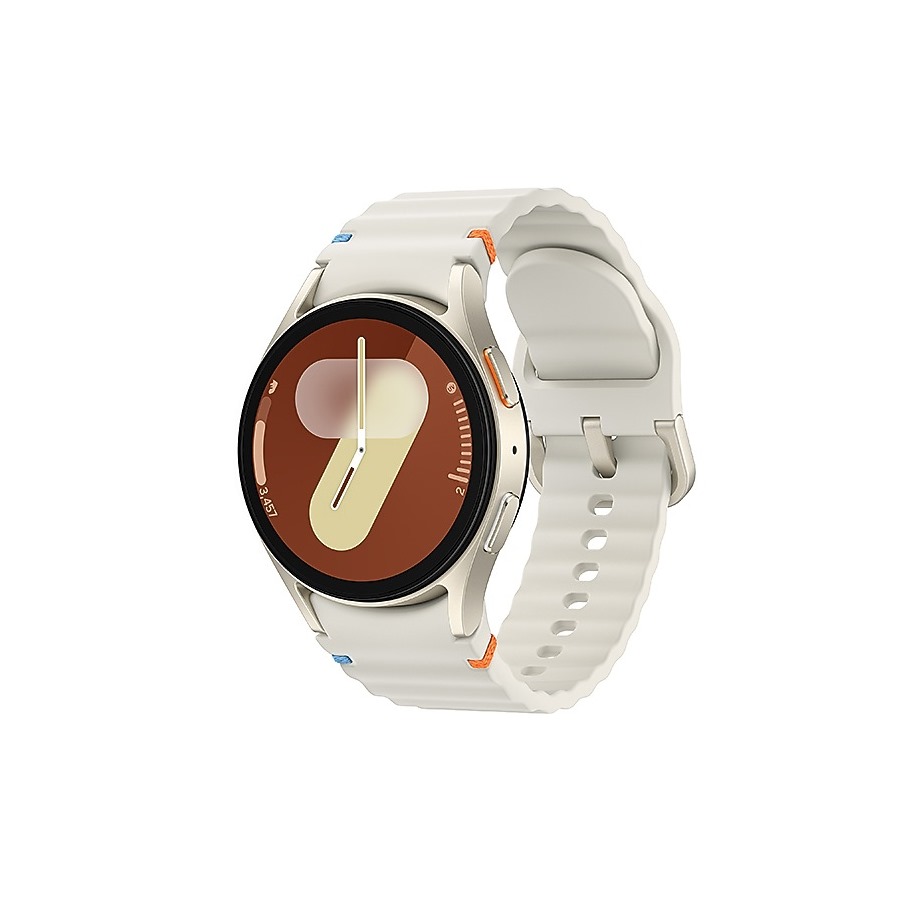
The case is made of Samsung's Armor Aluminum. The 44 mm model measures 44.4 x 44.4 x 9.7 mm and weighs 33.8 g, while the 40 mm model measures 40.4 x 40.4 x 9.7 mm and weighs 28.9 g, according to Samsung's comparison table. Both are light enough to wear to bed for sleep tracking, which matters because sleep is one of the features Samsung pushes hardest. The glass is sapphire crystal, which resists scratches better than the glass used on many cheaper watches, and Samsung rates the watch 5ATM and IP68 and says it meets the MIL-STD-810H durability standard. That combination covers swimming in a pool, rain and dust, but it is not a dive rating. Colours at launch were Green, Silver and Cream, and the stitching accents on the bands give the watch a more playful look than the plain Watch6 had.
The display is a round Super AMOLED panel with 480x480 pixels on the 44 mm model and 432x432 pixels on the 40 mm model, with a peak brightness of 2,000 nits that Samsung lists for both. An always-on option exists, and as with every AMOLED watch, using it costs battery. Samsung's marketing talks about a floating glass design in which the screen seems to sit above the case, and in practice that means a fairly thin bezel and a flat, readable face. The one thing to know is that the 40 mm model is small: the screen is noticeably smaller than on the 44 mm watch, so people with larger wrists or poorer eyesight should lean towards the larger size.
Performance and software
The Exynos W1000 is a five-core chip built on a 3 nm process, running at 1.6GHz, which compares with a dual-core 5 nm Exynos W920 at 1.4GHz in the Watch6. Samsung says this gives faster app launches and smoother animation, and it also credits the chip for battery efficiency. The memory stays at 2GB, but the storage doubles from 16GB to 32GB, which leaves more room for offline music, watch faces and apps; Samsung's own listing shows roughly 21GB available to the user. The watch runs Wear OS Powered by Samsung with the One UI Watch skin, so the Google Play store is available for third-party apps, and Samsung Health handles the built-in fitness and wellness features.
The new software layer is what Samsung calls Galaxy AI. The most visible items are the Energy Score, which combines sleep, heart rate and activity data into a daily number that is meant to guide how hard you should train, and a set of sleep features that include sleep apnea tracking. There is also a voice recording feature that turns audio into a summary on a paired Galaxy phone, and suggested replies for messages, which Samsung says only work when the watch is paired with the Galaxy Z Flip6. Samsung also states that the health and sleep features are meant for general wellness and not for diagnosis. The practical limitation is compatibility: the Watch7 works only with Android phones running Android 11 or later, and many of the extras need a Samsung phone. It does not work with an iPhone.
Health and fitness tracking
The BioActive Sensor combines optical heart rate, an electrical heart sensor for ECG and a bioelectrical impedance sensor for body composition in one module. Samsung says the module uses 13 LEDs, which is meant to improve the quality of the readings. The watch also has an infrared skin temperature sensor, an accelerometer, a barometer, a gyroscope and a geomagnetic sensor. For location it uses dual-frequency GPS, which means the L1 and L5 satellite bands, and Samsung states that this is its most accurate GPS yet on a Galaxy Watch. Dual-frequency positioning is useful in cities with tall buildings, where single-band GPS tends to drift.
On the workout side, Samsung adds custom workout routines with warm-ups, cool-downs and breaks, a race mode for comparing an outdoor run or ride against an earlier one, and a water lock mode for swimming. These are sensible additions but not a match for the structured training analysis that a Garmin offers. A runner who wants training load, recovery advice and long-term planning will find more depth on a dedicated sports watch such as the Garmin Forerunner 265, while the Watch7 is stronger on notifications, payments, calls and general smart features.
Battery and charging
The 44 mm watch has a 425 mAh battery and the 40 mm watch has a 300 mAh battery. Samsung's specification page for the 44 mm model states up to 40 hours of use with the always-on display off and up to 30 hours with it on, measured in the company's own lab conditions. In plain terms, this is a watch you charge every night or every second night, which is normal for Wear OS but well short of the multi-day or multi-week claims made by Garmin, Amazfit or Huawei. Charging is wireless with fast-charging support, using Samsung's own charger puck. The 40 mm model, with a battery that is about 30 percent smaller, will in practice run for less time than the larger watch.
It helps to treat these figures as a ceiling. LTE use, GPS workouts, a bright always-on display and many notifications all shorten the day. If battery life is your first criterion, the best Wear OS approach is to buy the 44 mm model and keep the always-on display off. If it is not, the Watch7 is comfortably in the normal range for a full-featured smartwatch.
Who it is for
The Galaxy Watch7 suits Android users, and especially Samsung phone owners, who want a polished all-round smartwatch with good health tracking, a bright screen, NFC payments and optional LTE. It is also a sensible upgrade for someone with a Watch4 or Watch5 who wants a faster chip and twice the storage. It is less obviously a good fit for someone who mainly cares about serious training, for example a marathon runner, who will get more from dedicated running software, and it is not an option at all for iPhone owners, who should look at the Apple Watch Series 10 instead. Android users who want the best Google integration may also compare it with the Galaxy Watch7 vs Pixel Watch 3 page.
Compromises
The first compromise is battery life, which at roughly a day and a half at best is the weakest part of the package next to sports watches. The second is that the Galaxy AI features are more useful on a Samsung phone than on other Android devices, and that suggested replies are limited to one specific foldable. The third is the pricing structure: the 44 mm and LTE models cost noticeably more than the entry model, and Samsung's frequent discounts make the launch price a poor guide to the real price. Finally, the Watch7 is no longer the newest design, so buyers who want the latest features such as the newer health metrics should check the Watch8 first. Even so, as a balanced everyday smartwatch it remains one of the most complete options in the Android world, and a sensible default for anyone who does not need a rugged or sports-first watch.
Where it ranks
Compare Samsung Galaxy Watch7 with similar devices
More from Samsung
Frequently asked questions
When was the Samsung Galaxy Watch7 released?
The Samsung Galaxy Watch7 was released on 2024-07-24, according to the manufacturer’s published information.
How much does the Samsung Galaxy Watch7 cost?
The estimated range for the Samsung Galaxy Watch7 is $270 to $330 in US dollars, based on the launch list price. Actual prices vary by country, retailer and storage option.
What are the main specs of the Samsung Galaxy Watch7?
Headline figures for the Samsung Galaxy Watch7: RAM: 2 GB, Battery life: 40 h. The full specification table is further up this page.
Is the Samsung Galaxy Watch7 worth buying?
That depends on your priorities. Use the editorial review on this page for our view, check the rankings above to see where the device stands on battery, display and camera, and compare it directly with similar models before you decide.