Smartwatches
Samsung Galaxy Fit3
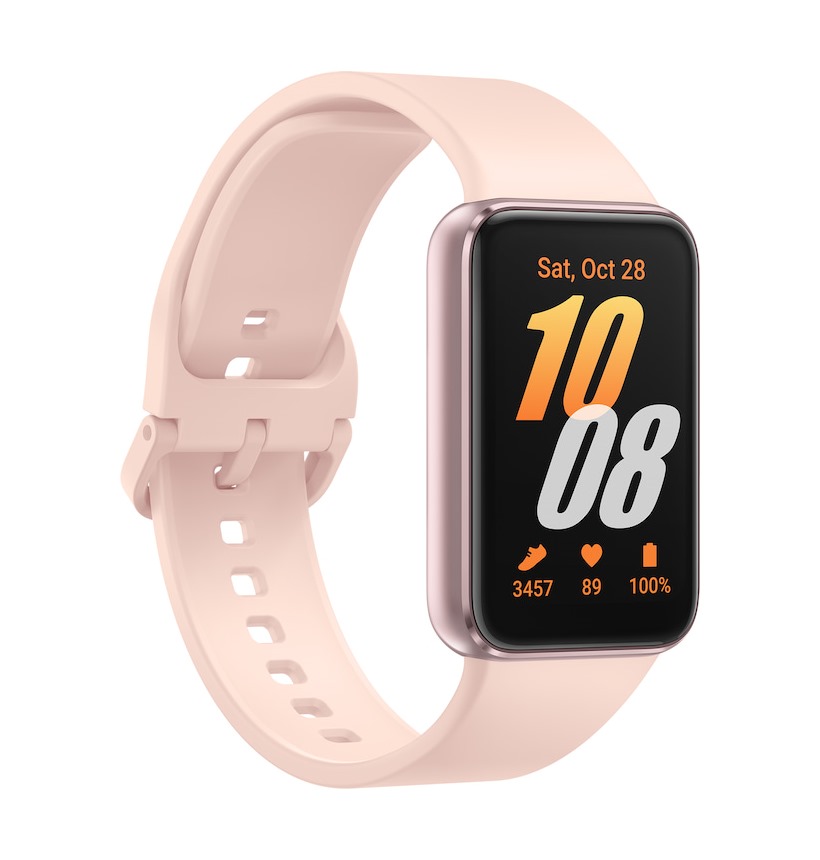
Samsung's aluminum fitness band with a 1.6-inch AMOLED screen, up to 13 days of battery life, 100+ workout types, sleep tracking, fall detection and an SOS function.
Key figures at a glance
Gallery
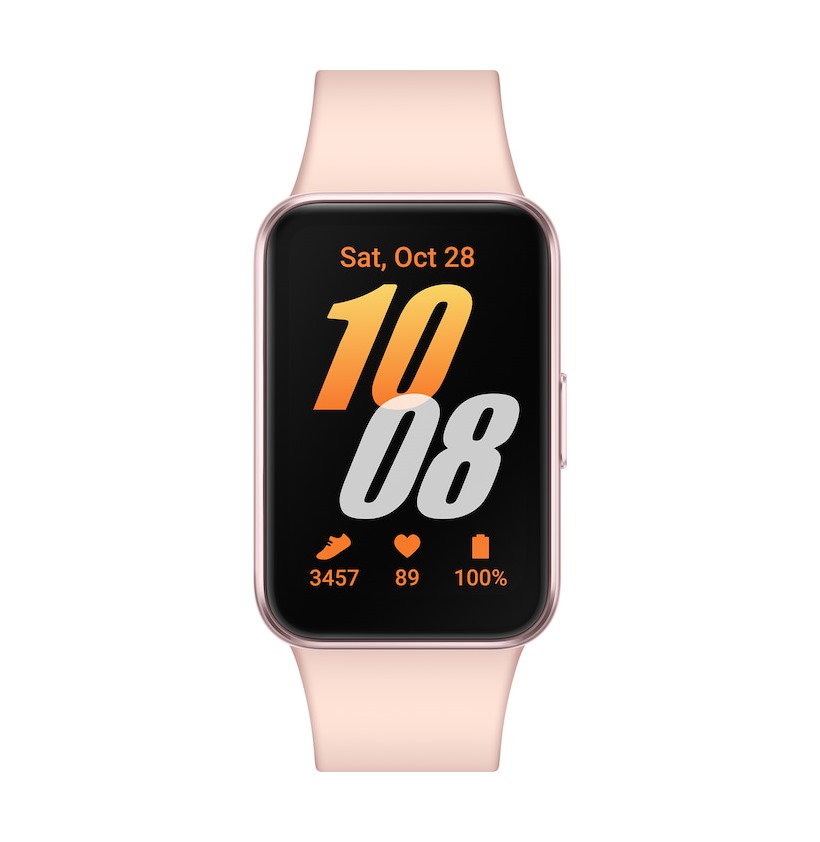
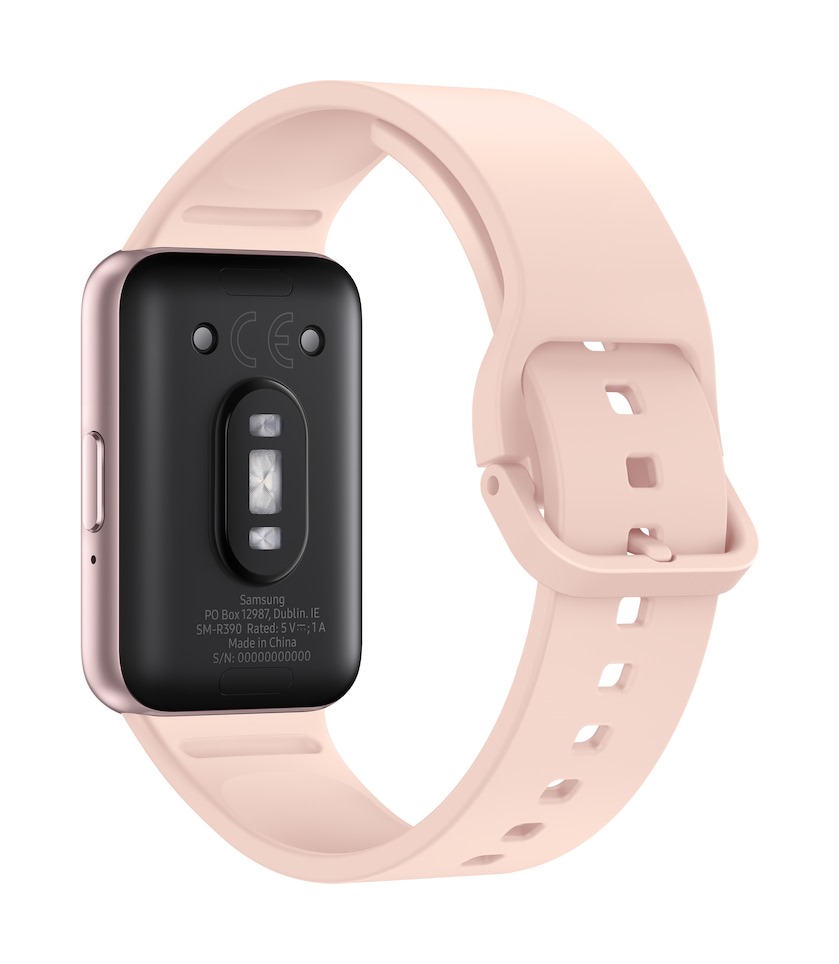
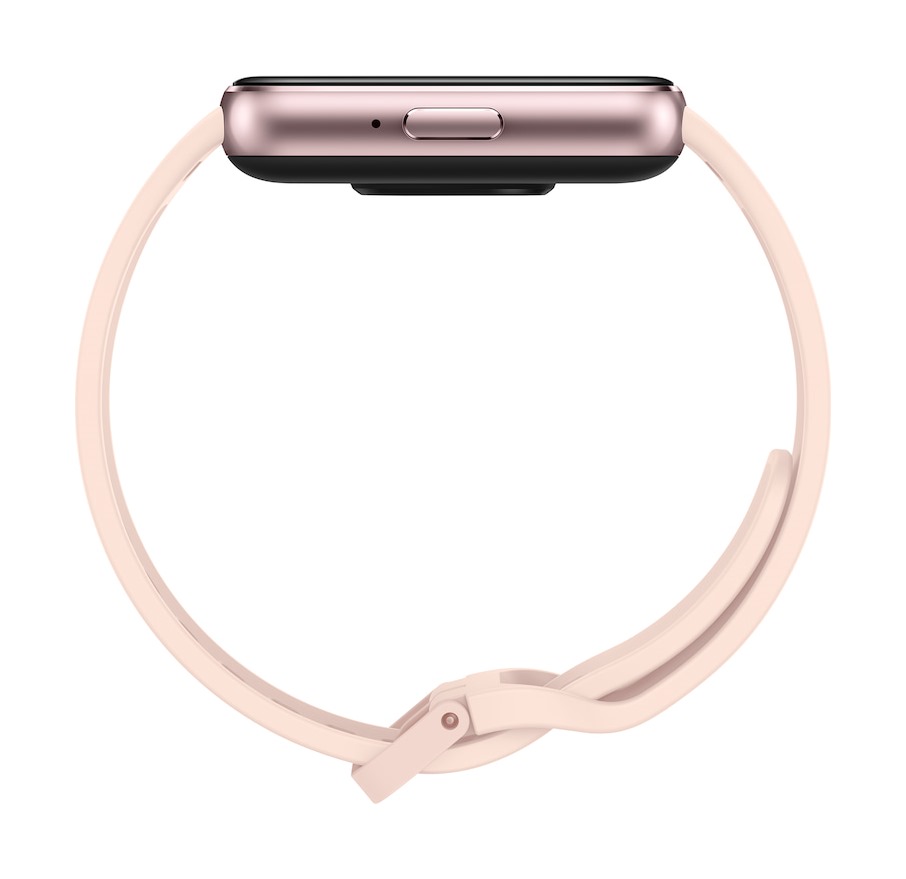
Specifications
- Display
- 1.6-inch AMOLED, 256 x 402 pixels, 16M colors; Samsung states it is 45% wider than the Galaxy Fit2 display
- Case
- Aluminum body; 42.9 x 28.8 x 9.9 mm; 18.5 g (body); quick-release band button; gray, silver and pink gold
- Battery
- Up to 13 days typical use (208 mAh typical capacity, Samsung lab test with notifications and 30 minutes of workouts per day)
- Health Sensors
- Optical heart rate sensor, accelerometer, barometer, gyro sensor, light sensor; heart rate, stress, sleep tracking with snoring detection (via paired phone microphone) and overnight blood oxygen, Sleep Coaching
- Sports
- 100+ workout types; Fall Detection and Emergency SOS (press the side button five times)
- Memory
- 16 MB RAM, 256 MB storage
- Connectivity
- Bluetooth 5.3; sensor list does not include a GNSS receiver
- Water Resistance
- 5ATM and IP68
- OS
- FreeRTOS; requires a paired Android 10 or later smartphone with at least 1.5GB memory and a Samsung account
The Samsung Galaxy Fit3 is a slim fitness band rather than a full smartwatch. Samsung announced it on 22 February 2024 and said it would reach select markets from 23 February, in gray, silver and pink gold. It replaces the Galaxy Fit2 with an aluminum body, a larger rectangular AMOLED screen and two safety functions that the older band did not have. This page is based on the published specifications and manufacturer information; where a number comes from Samsung's own test conditions, it is marked as a claim.
Where it sits in the lineup
Samsung sells two kinds of wearables. The Galaxy Watch family runs Wear OS, has apps, cellular options and a round or square case. The Fit line is the simple end: a band that tracks activity, sleep and heart rate and that lasts for days rather than hours. The Galaxy Fit3 is built on FreeRTOS, a small real-time operating system, not on Wear OS, which explains both its long battery life and its limits. It has 16 MB of RAM and 256 MB of storage, so it is not meant to hold apps or music.
If you want an app store, offline music, mobile payments or a larger sensor package, look at the Galaxy Watch FE or the newer Galaxy Watch8 and Galaxy Watch9. A side-by-side view of the closest classic watch is in the Galaxy Fit3 vs Galaxy Watch FE comparison. No US launch price is stated in the sources reviewed, so none is given on this page.
Design and display
The body is aluminum with a sandblasted finish, and the device measures 42.9 x 28.8 x 9.9 mm. Samsung lists the weight as 18.5 g for the body, which is very light for a band with a screen of this size; the strap adds to that figure. The case is a rectangle with rounded corners, a single side button and a quick-release catch on the back that lets you swap straps with one press. Samsung says bands are sold separately except for the one in the box, and that availability varies by market.
The display is a 1.6-inch AMOLED panel at 256 x 402 pixels with 16 million colors. Samsung states that it is 45 percent wider than the screen of the Galaxy Fit2 and measures screen size diagonally as a full rectangle without counting the rounded corners. In practice that means more room for notifications, workout screens and a choice of more than 100 preset watch faces, or a photo of your own as the background. The pixel count is modest, but on a screen this small the text should remain readable; Samsung does not publish a peak-brightness figure in the sources reviewed, so outdoor visibility is something to check in person.
Sensors, health tracking and sleep
Inside the case are an optical heart rate sensor, an accelerometer, a gyro sensor, a barometer and a light sensor. Samsung's launch material describes continuous heart rate and stress tracking, plus tracking of more than 100 types of workouts. The wellness features are, as the company states in its footnotes, intended for general fitness and wellness only and not for the detection, diagnosis or treatment of any medical condition.
Sleep is where Samsung puts the most emphasis. The band tracks sleep stages overnight, and it can estimate blood oxygen levels while you sleep, though availability of that feature varies by market. Snoring detection is included, but it relies on the microphone of a Bluetooth-paired Galaxy smartphone placed nearby, not on the band itself. Samsung also offers Sleep Coaching, which needs at least seven days of data including two days off before it can give personalized guidance, and it requires a recent version of the Samsung Health app. Those caveats matter: the sleep suite works best if you are in the Galaxy ecosystem and willing to wear the band for a full week.
Samsung says the built-in sensors, including the barometer, are what the new fall detection relies on. It is worth noting what the sensor list does not include: there is no GNSS receiver, so distance for outdoor runs and rides comes from the connected phone rather than from the band.
Battery and charging
The battery has a typical capacity of 208 mAh, and Samsung states up to 13 days of use. That figure comes from an internal lab simulation with the band connected to a Galaxy smartphone over Bluetooth, including 52 notifications, four minutes of text checks, nine minutes of time checks and 30 minutes of workouts in each 24 hours. It was measured with a pre-release unit, and Samsung says real results vary with connection quality, settings and usage. If you use the band more heavily than that profile, such as longer workouts or constant notification checking, expect less than 13 days; if you wear it more lightly, a week or more between charges is a realistic planning assumption. Samsung's material does not state a charging time or charger type in the sources used here.
Water resistance, safety and smartphone features
The Fit3 carries a 5ATM rating and IP68 dust and water protection. Samsung explains that 5ATM means resistance to 50 meters of depth for 10 minutes and that the device is not suited to diving or high-pressure water activities; the IP68 rating covers dust and fresh water to a maximum of 1.5 meters for up to 30 minutes. In plain terms, rain, hand washing and swimming in a pool fit the rating, while diving and high-pressure water do not.
Two features are new compared with the previous band. Fall Detection asks whether you need help when a hard fall is detected using the built-in sensors, and Emergency SOS lets you notify emergency contacts by pressing the side button five times. Medical information you have saved in advance can appear on the lock screen. Beyond safety, the band works as a remote: it can trigger the phone camera and timer, control media playback, find a misplaced phone, and sync Do Not Disturb or sleep modes with the paired smartphone.
The requirements are strict. Samsung says the Fit3 must be paired with a smartphone running Android 10 or later with at least 1.5GB of memory, and a Samsung account must be registered on that phone. Some features differ by market, carrier and paired device, so it is sensible to check the feature list for your country before buying.
Who it is for
The Galaxy Fit3 suits people who already own a Samsung Galaxy phone and want a light, low-effort tracker for steps, workouts and sleep, ideally with a week-long battery. It also works as a safer alternative to a full watch for people who dislike wearing a large device overnight, since the case is thin and weighs under 20 g. Parents shopping for a first fitness tracker for a teenager, or anyone who wants a backup band for sleep tracking while their main watch charges, are other plausible buyers.
Compromises to weigh
- No built-in GPS: outdoor distance and pace depend on the phone being with you.
- No apps or music: the memory and the FreeRTOS platform are designed for tracking, not for installing software.
- Android only: Samsung's stated requirement is a paired Android 10 or later phone, and several features lean on Galaxy phones specifically.
- Feature caveats: snoring detection needs a nearby phone, Sleep Coaching needs a week of data, and blood oxygen availability depends on the market.
- Lab-based battery claim: the 13 days is a simulated figure, not a guarantee.
If those limits are acceptable, the Fit3 is a coherent, lightweight tracker with a bigger screen than its predecessor. If you want maps, payments or an app ecosystem, step up to one of the Watch models, and see how the whole category stacks up on the rankings page.
Where it ranks
Compare Samsung Galaxy Fit3 with similar devices
More from Samsung
Frequently asked questions
When was the Samsung Galaxy Fit3 released?
The Samsung Galaxy Fit3 was released on 2024-02-23, according to the manufacturer’s published information.
What are the main specs of the Samsung Galaxy Fit3?
Headline figures for the Samsung Galaxy Fit3: Battery life: 13 days. The full specification table is further up this page.
Is the Samsung Galaxy Fit3 worth buying?
That depends on your priorities. Use the editorial review on this page for our view, check the rankings above to see where the device stands on battery, display and camera, and compare it directly with similar models before you decide.