Smartwatches
Samsung Galaxy Watch9
Samsung's lightweight aluminium everyday watch comes in 40 mm and 44 mm, with a Snapdragon Wear Elite chip, up to 3,000 nits, bigger batteries and new sleep apnea, Vitals and Heart Health Score features.
Key figures at a glance
Gallery
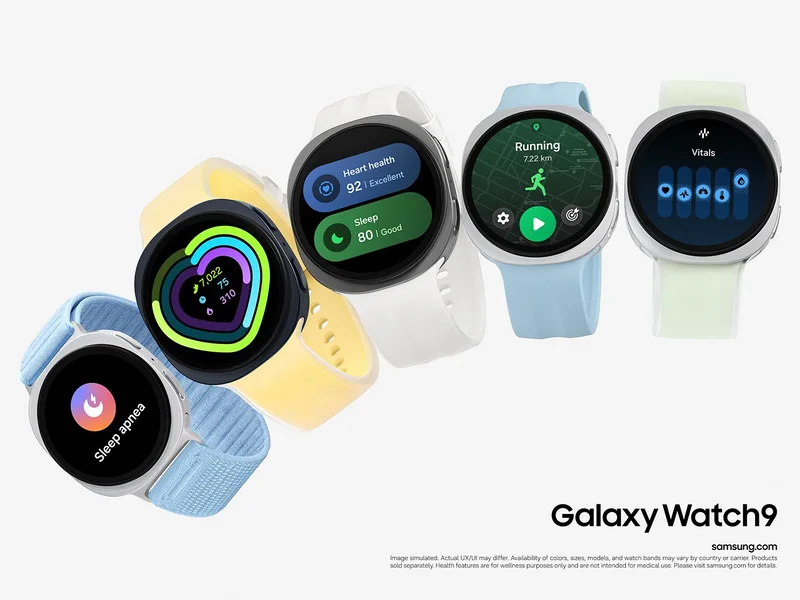
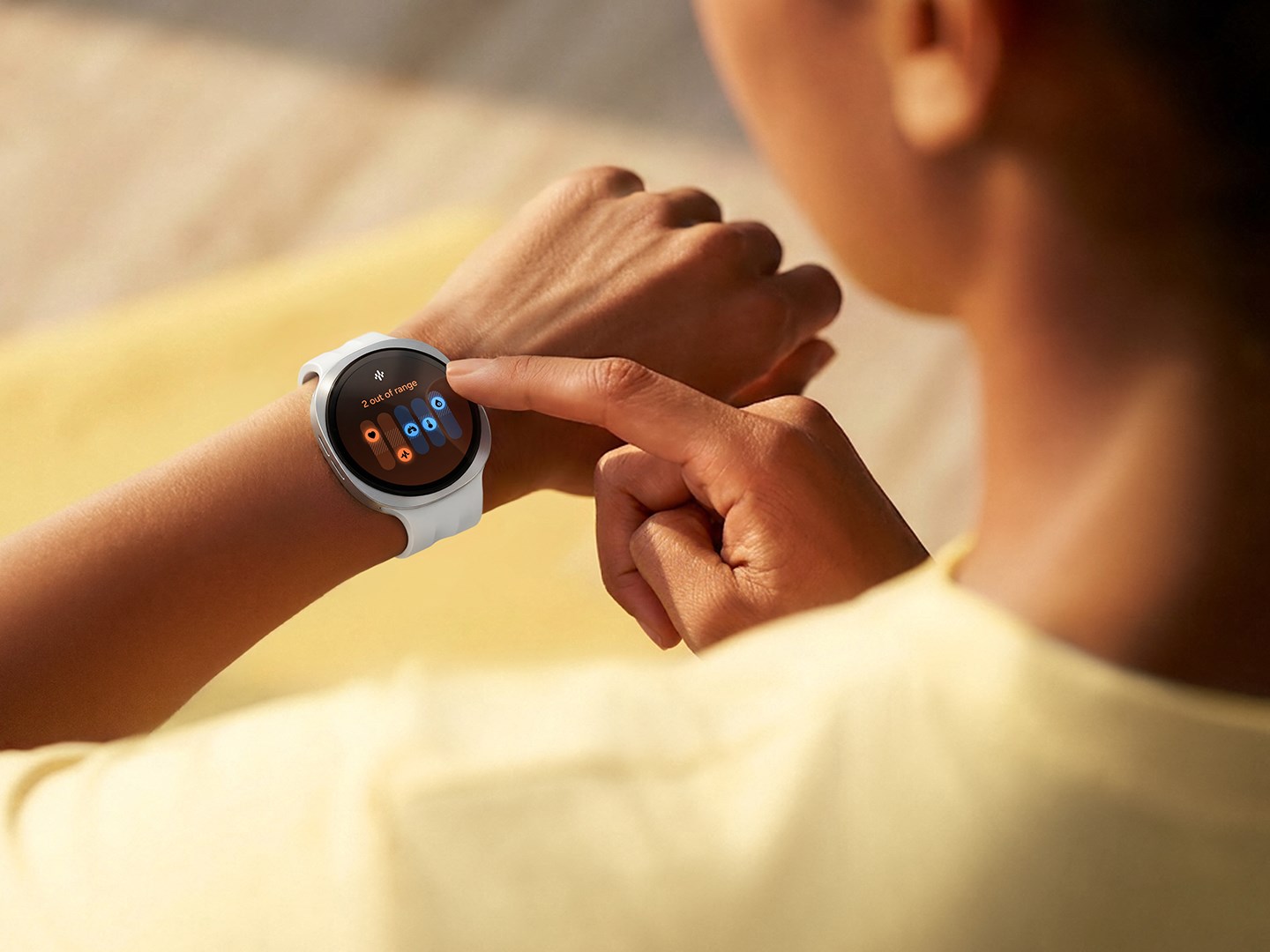
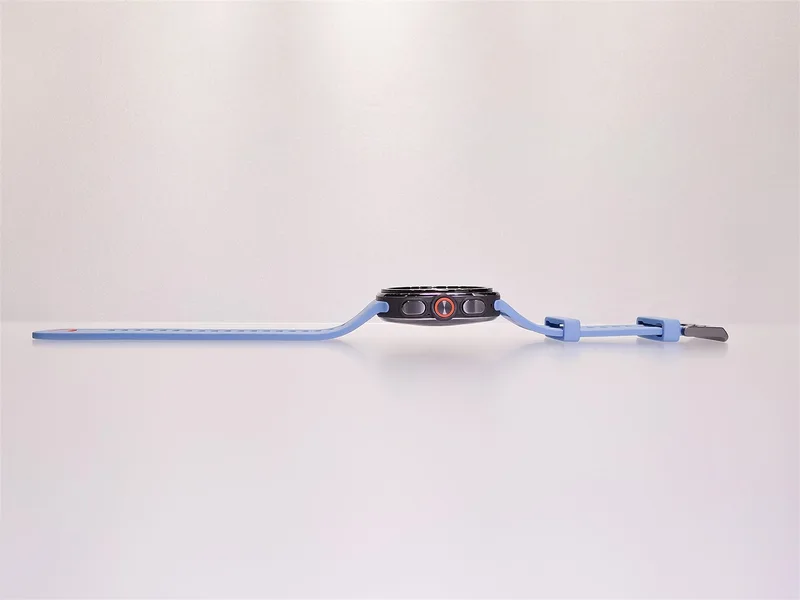
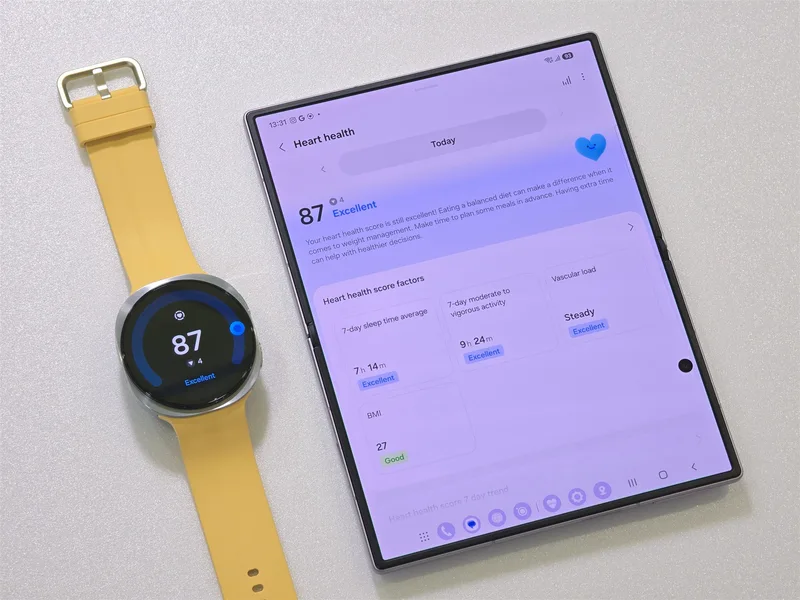
Specifications
- Case
- Aluminum; 40 mm (42.7 x 40.4 x 8.6 mm, 31.5 g) and 44 mm (46.0 x 43.7 x 8.6 mm, 34.0 g)
- Display
- 1.34-inch (40 mm, 438x438) or 1.47-inch (44 mm, 480x480) Super AMOLED, sapphire crystal, full-color Always On Display, up to 3,000 nits
- Chipset
- Qualcomm Snapdragon Wear Elite (SDW6100, penta-core, 3nm)
- RAM
- 2GB
- Storage
- 32GB
- Battery
- 390 mAh (40 mm) / 445 mAh (44 mm); Samsung: 20% more capacity than previous generation (40 mm basis); no runtime figure published at launch; WPC-based fast wireless charging
- Water Resistance
- 5ATM+ / IP68 / MIL-STD-810H
- Sensors
- Samsung BioActive Sensor (optical heart rate, ECG, BIA), temperature, accelerometer, barometer, gyro, geomagnetic, light
- Connectivity
- LTE, Bluetooth 6.0, Wi-Fi 2.4/5 GHz, NFC, L1+L5 dual-frequency GPS
- Health Features
- Sleep Apnea, Vitals, Heart Health Score, Daily Cardio Load, Fitness Index, Hearing
- OS
- Wear OS 7 (One UI 9 Watch); requires Android 13+ phone with Google Mobile Services
The Samsung Galaxy Watch9 is the everyday member of Samsung's 2026 smartwatch pair: a lightweight aluminium watch built around round-the-clock health tracking rather than extreme sport. Samsung announced it alongside the Galaxy Watch Ultra2 at Galaxy Unpacked in London on 22 July 2026, with pre-orders in select markets from that day and general availability from 7 August 2026 in 106 markets. This review is based on the published specifications and manufacturer information, and statements that rest on Samsung's own test conditions are marked as claims. The main upgrades are a new chip platform, bigger batteries, a brighter display, a slimmer body and band, and a refreshed set of health features inside the updated Samsung Health app.
Where it sits in the lineup
The Watch9 follows the earlier mainstream model, the Galaxy Watch8, and sits below the rugged Galaxy Watch Ultra2. It comes in two sizes, 40 mm and 44 mm, which makes it the only model in the pair that can fit smaller wrists. The 40 mm version is offered in Graphite and Cream, the 44 mm in Graphite and Silver, and Samsung sells a broad range of interchangeable bands. A direct spec-by-spec view against last year's model is available in the Galaxy Watch9 vs Galaxy Watch8 comparison, and owners of the older Galaxy Watch7 are the other obvious upgrade audience, since Samsung ties several new health features to Watch7 or newer.
Design and display
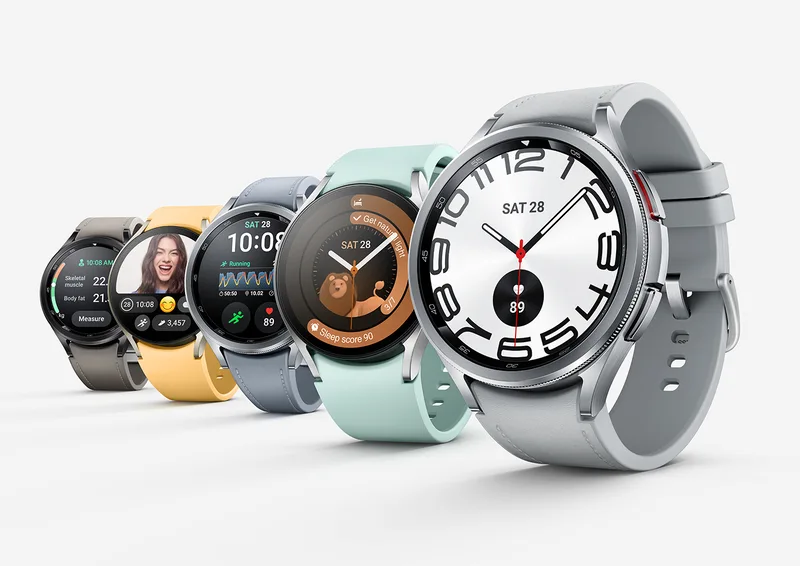
The case is lightweight aluminium that keeps the cushion silhouette of the Galaxy Watch line, refined, in Samsung's words, for a closer and more natural fit on the wrist. Dimensions are 42.7 x 40.4 x 8.6 mm and 31.5 g for the 40 mm model, and 46.0 x 43.7 x 8.6 mm and 34.0 g for the 44 mm model. Both are therefore thin, light and comfortable for sleep tracking, which is the use case Samsung stresses most. The company also describes a band with a new air-pocket structure meant to hold the watch securely without squeezing. The three band families are Sports, a thinner and softer all-rounder; Misty, a two-tone soft silicone designed for a stable, bounce-free fit; and Fabric, a lightweight, breathable option that Samsung says stays comfortable even during sleep.
The display is a Super AMOLED panel under sapphire crystal with a full-colour always-on mode. The 40 mm model has a 1.34 inch screen at 438 x 438 pixels and the 44 mm model a 1.47 inch screen at 480 x 480. Samsung quotes up to 3,000 nits of brightness for readability in strong light. As with any peak-brightness figure, the real-world average will be lower, but a 3,000 nit ceiling is high for a mainstream watch.
Performance and software
Like the Ultra2, the Watch9 uses the Qualcomm Snapdragon Wear Elite platform, listed as the Qualcomm SDW6100, a penta-core 3 nm chip. Memory is 2 GB and storage is 32 GB, half the storage of the Ultra2. Samsung says the platform gives a large boost in speed and efficiency for smoother, lag-free monitoring. Connectivity covers LTE, Bluetooth 6.0, dual-band Wi-Fi, NFC and dual-frequency L1 plus L5 GPS. The software is Wear OS 7 powered by Samsung with One UI 9 Watch. It needs an Android phone version 13 or later with over 1.5 GB of memory, and it pairs only with phones that include Google Mobile Services, so it is not an iPhone product. The watch has Samsung's BioActive Sensor (optical heart-rate, electrical heart signal and bioelectrical impedance) plus temperature, accelerometer, barometer, gyroscope, geomagnetic and light sensors.
Health features
This is where the Watch9 earns its place. Samsung describes the updated Samsung Health app as an all-in-one coach built around five pillars: Activity, Mindfulness, Nutrition, Sleep and Vitals. Features announced with this generation include:
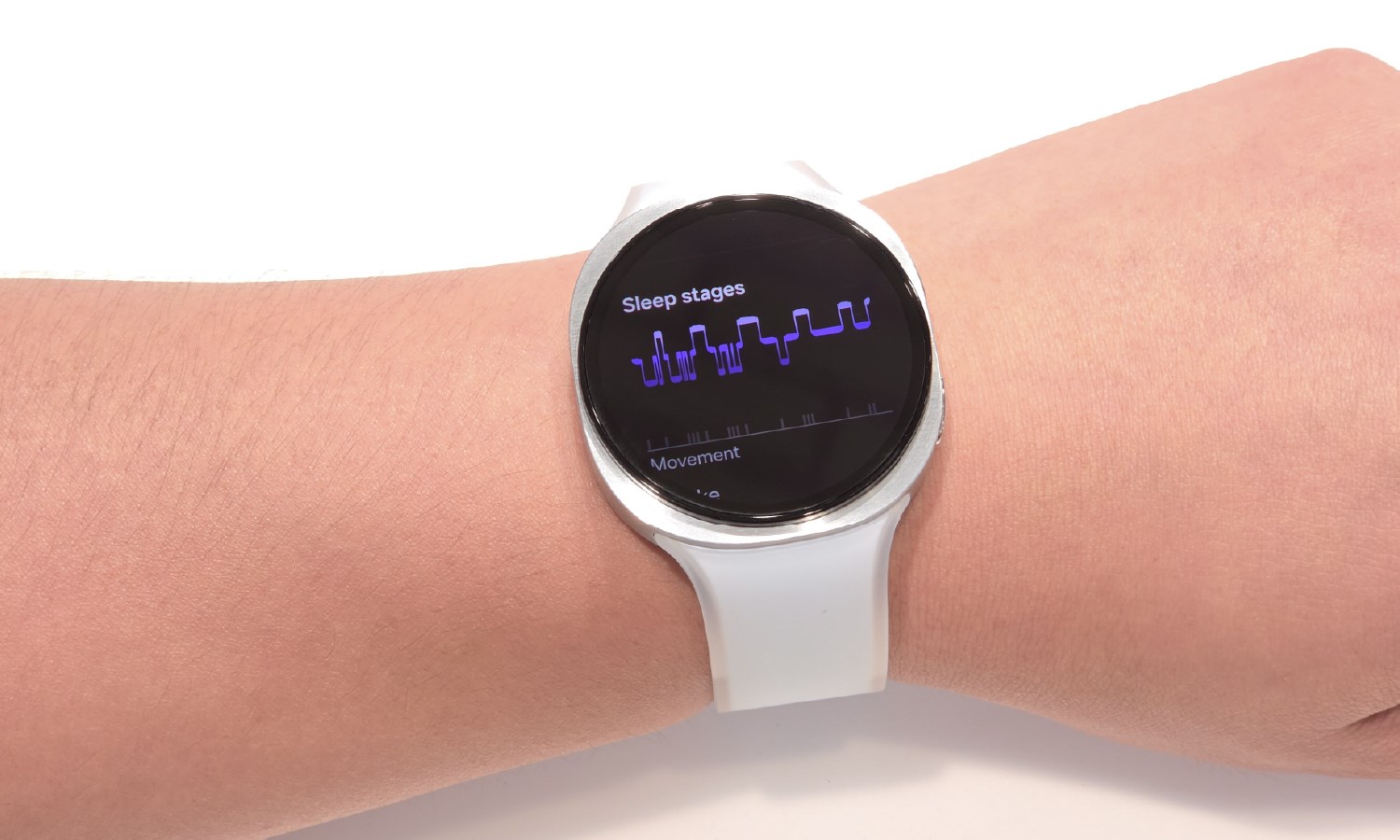
- Sleep Apnea: an upgraded AI algorithm categorises breathing disruptions per hour into three levels, building on the feature that earned a first-of-its-kind FDA De Novo authorisation in 2024. It is available only in selected countries and is not intended for diagnosis.
- Vitals: uses heart rate, heart rate variability, respiratory rate, skin temperature and blood oxygen during sleep to set a personal baseline and flag significant changes. It needs at least seven nights of sleep data.
- Heart Health Score: combines activity, sleep, body composition and stress trends into one cardiovascular snapshot, available on watches with One UI 9 after about 24 hours of initial wear.
- Daily Cardio Load and Fitness Index: training-balance and fitness guidance, listed for Galaxy Watch7 or newer on One UI 9 Watch, with Fitness Index requiring a body composition and a VO2 max measurement.
- Hearing: alerts and reports about unsafe noise exposure, which must be switched on in the sound monitoring settings.
Samsung frames all of these as wellness aids and not as diagnostic tools. Some depend on a Samsung account and the Samsung Health app version 7.0 or later.
Battery and charging
Capacity is 390 mAh in the 40 mm watch and 445 mAh in the 44 mm watch. Samsung states the larger figure is 20 percent more than the previous generation, based on the 40 mm model. The launch materials do not give a runtime in hours, so there is no official day count to quote, and any specific figure you see elsewhere is an estimate. Charging is Qi-style fast wireless charging (WPC-based). The practical takeaway is that the 44 mm version has noticeably more battery in the same thin body, which is worth considering if you track sleep every night and want to avoid daily charging.
Who it is for
The Watch9 is aimed at wellness-minded Android users who want sleep, heart and activity tracking in a comfortable, light watch, and who may also want smart features such as LTE, NFC and a good display. It is also a sensible upgrade for Watch7 owners who want the newer health features. It is less suitable for deep-water sports, for which Samsung steers buyers to the Ultra2 and its EN 13319 diving certification, and for users who need very long expedition-style battery life.
Compromises
- Android only, and only with Google-services phones running version 13 or later.
- Water rating: 5 ATM and IP68 with MIL-STD-810H, lower than the Ultra2's 10 ATM and IP69K, and no dive certification.
- No sport exclusives: features such as Trail Run are limited to the Ultra2.
- Storage: 32 GB versus 64 GB on the Ultra2.
- No official runtime figure, so battery expectations should wait for independent testing.
- Region and subscription limits: sleep apnea availability varies by country, and the bundled Strava and iFIT trials have regional terms.
Samsung's launch materials used for this review do not state a US price, so none is listed. For a wider view of where the Watch9 stands, see the smartwatch rankings.
Where it ranks
Compare Samsung Galaxy Watch9 with similar devices
More from Samsung
Frequently asked questions
When was the Samsung Galaxy Watch9 released?
The Samsung Galaxy Watch9 was released on 2026-08-07, according to the manufacturer’s published information.
What are the main specs of the Samsung Galaxy Watch9?
Headline figures for the Samsung Galaxy Watch9: RAM: 2 GB. The full specification table is further up this page.
Is the Samsung Galaxy Watch9 worth buying?
That depends on your priorities. Use the editorial review on this page for our view, check the rankings above to see where the device stands on battery, display and camera, and compare it directly with similar models before you decide.