Phones
Nothing Phone (3a) Lite
Nothing Phone (3a) Lite is the brand's entry model: a 6.77-inch 120Hz AMOLED, Dimensity 7300 Pro, a 5,000 mAh battery with 33W charging and a 50MP main camera.
Key figures at a glance
Gallery

Specifications
- Display
- 6.77" flexible AMOLED, 1084x2392 (387 ppi), adaptive 120Hz, 3,000 nits peak, Panda glass
- Chipset
- MediaTek Dimensity 7300 Pro 5G (4nm)
- RAM
- 8GB
- Storage
- 128GB / 256GB
- Rear Camera
- 50MP main (f/1.88, PDAF, EIS) + 8MP ultrawide (f/2.2, 119.5 degrees) + 2MP macro
- Front Camera
- 16MP
- Battery
- 5,000 mAh, 33W wired, 5W reverse wired
- OS
- Nothing OS 3.5 (Android 15), 3 years of Android updates and 6 years of security patches
- Dimensions
- 164 x 78 x 8.3 mm, 199 g
- Water resistance
- IP54
- Bluetooth
- 5.4
- Colors
- White, Black
The Nothing Phone (3a) Lite is the most affordable phone Nothing has put on sale so far. It keeps the brand's see-through-inspired look, a Glyph Light on the back and the Essential Key on the side, but swaps the mid-range internals of the Phone (3a) for a MediaTek Dimensity 7300 Pro, 8GB of RAM and a 6.77-inch 120Hz AMOLED display. It launched at the end of 2025 as an entry-level option for people who want Nothing's design and software without paying mid-range money. This page is based on the published specifications and manufacturer information, and it sets out where the phone fits, what it does well and what it leaves out.
Place in the lineup
Nothing's catalogue is built around numbered flagships and a cheaper "a" series. The Lite model sits below the Nothing Phone (3a), which launched in March 2025 at $379 in the United States, and well below the Nothing Phone (3) flagship. Nothing's UK store lists the (3a) Lite from 249 pounds, with 8GB plus 128GB and 8GB plus 256GB versions on offer; the sources used for this page give no official US price, so none is stated here. The later Nothing Phone (4a) moved the "a" line forward again, which makes the Lite the cheapest way into the brand's current software ecosystem.
To see exactly what you give up compared with the regular model, open the Nothing Phone (3a) Lite vs Nothing Phone (3a) comparison. In short, the Lite uses a MediaTek chipset instead of the Snapdragon 7s Gen 3, has less memory than the 12GB (3a), charges more slowly, a lower dust and water rating and no telephoto lens, while keeping the same size of display and the same 5,000 mAh battery capacity.
Design and display
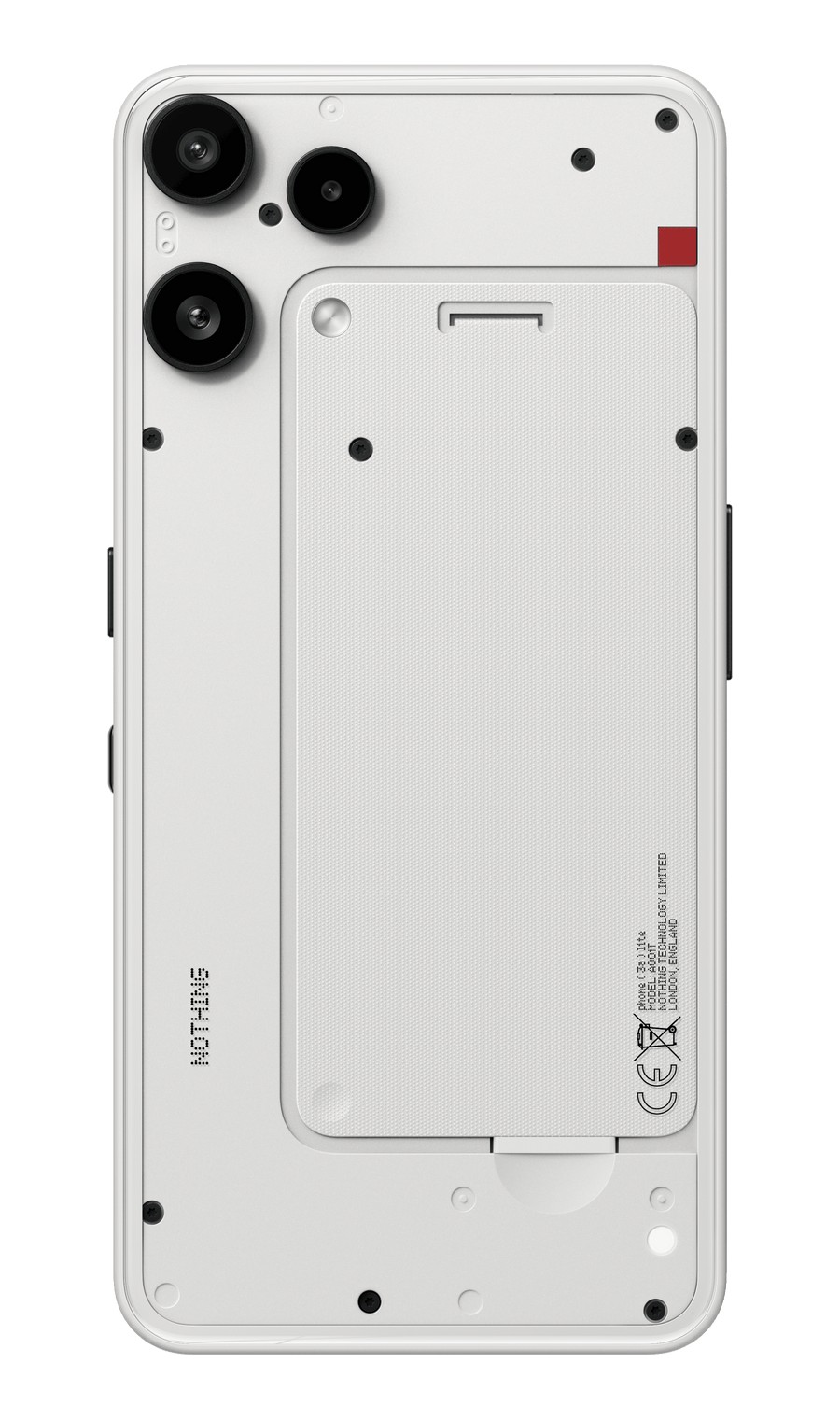
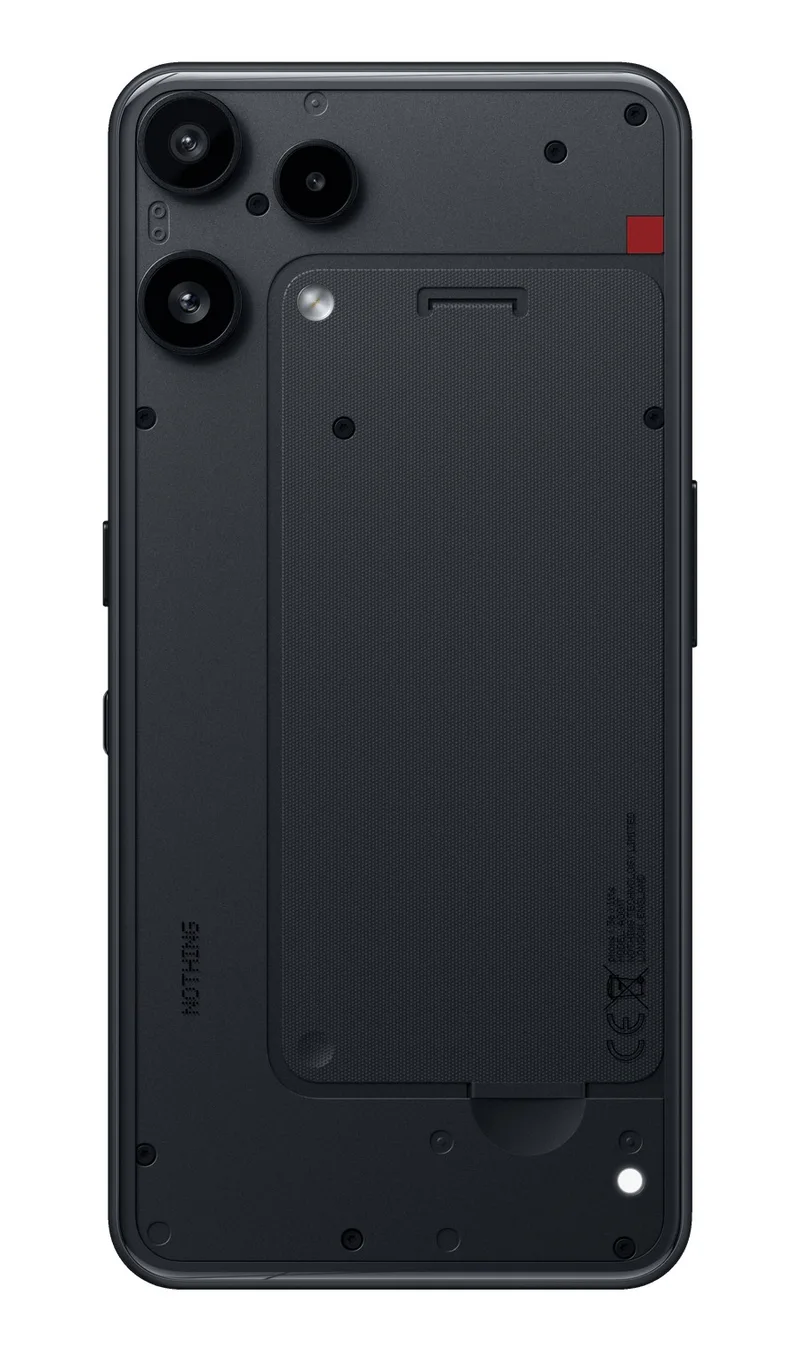
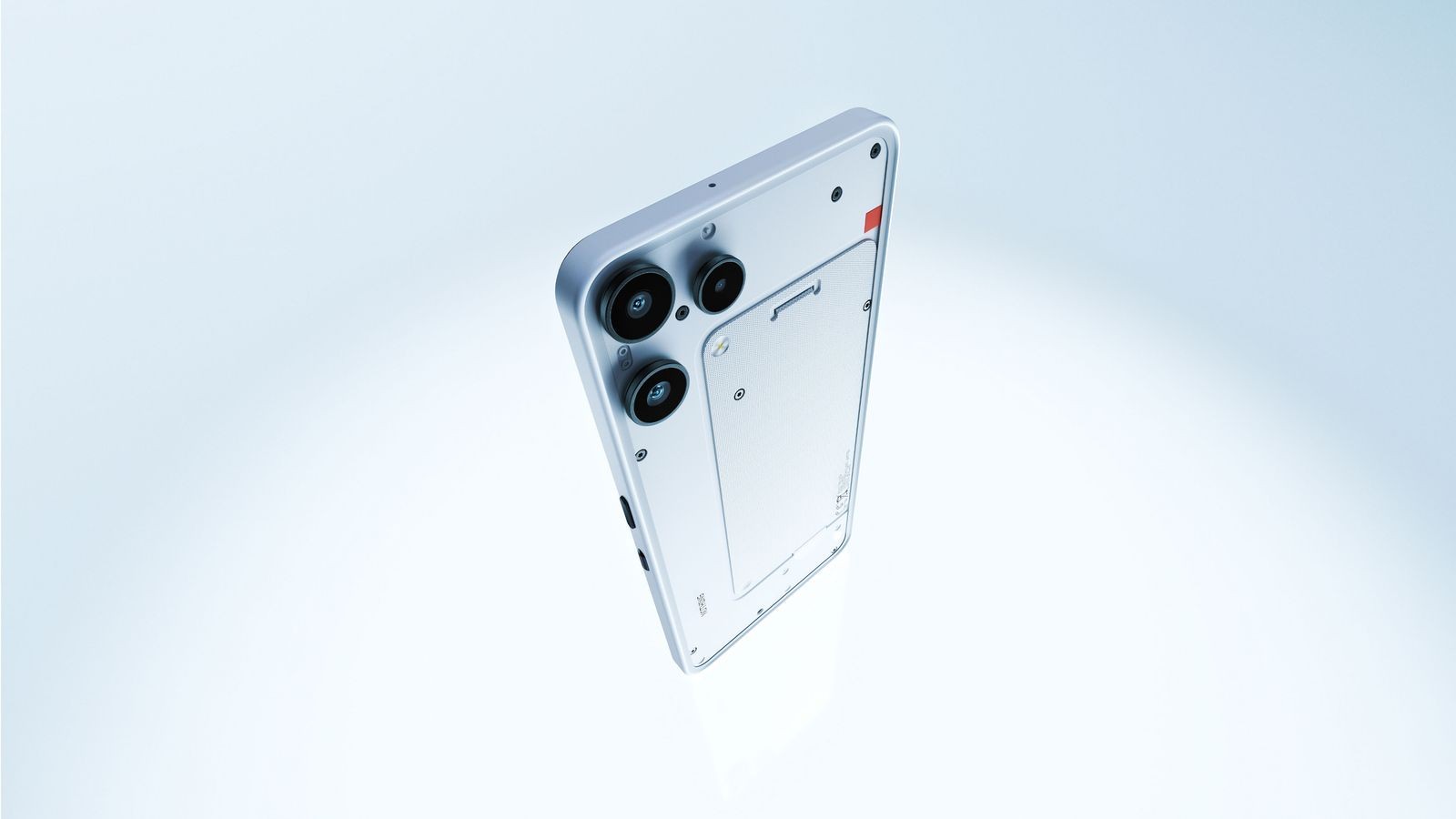
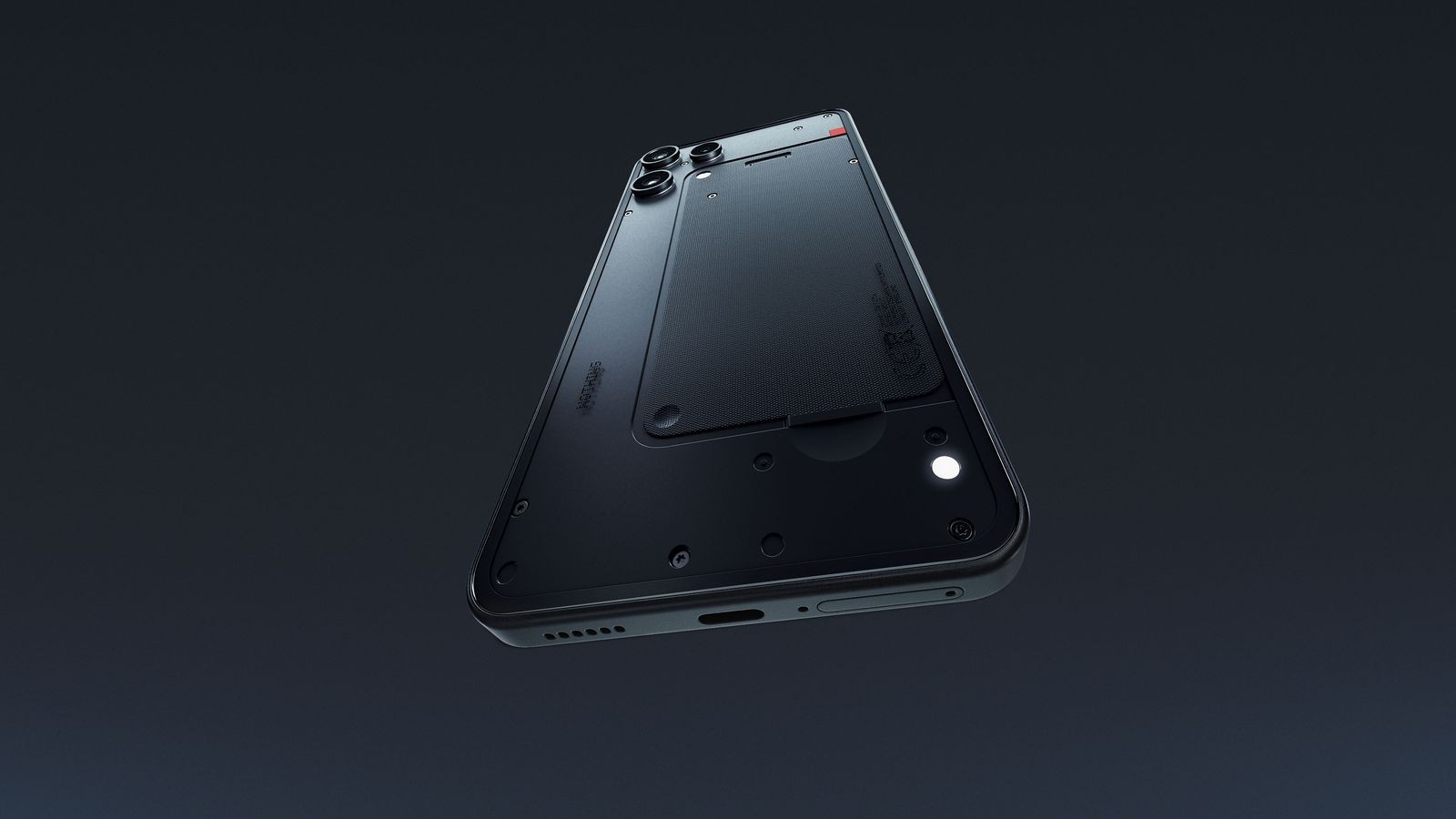
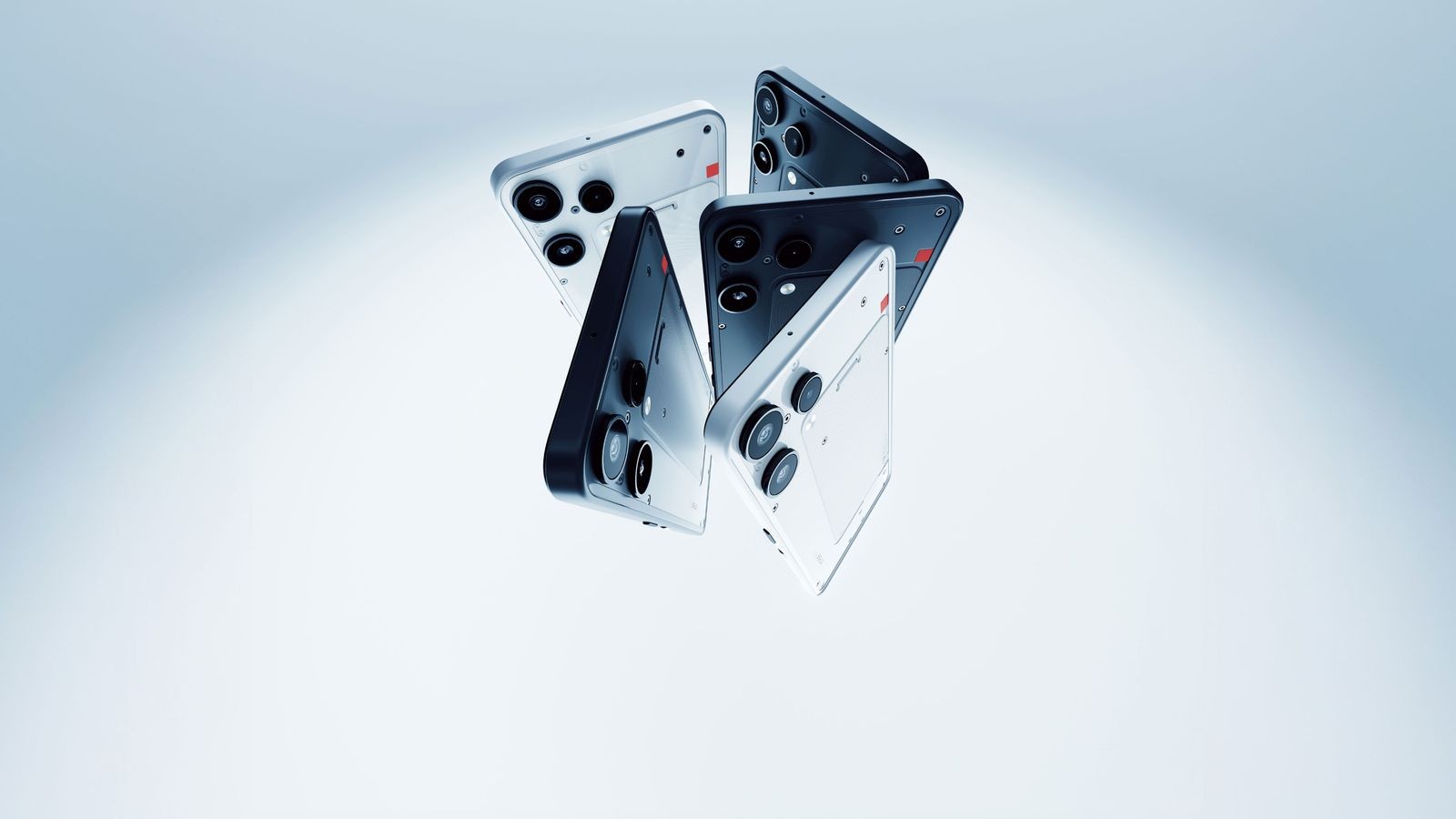
The phone measures 164 x 78 x 8.3 mm and weighs 199 g, so it is lighter than the Phone (3a) at about 208 g. It comes in white and black with a glass finish. The official renders show an exposed, technical-looking back with visible screws, three camera lenses stacked on the left, a red accent square near the top and a textured rectangular panel carrying a single Glyph Light. According to Nothing, the Glyph Light keeps flashing until you acknowledge notifications from the contacts or apps you choose. This is a smaller version of the idea than the full Glyph Interface on pricier Nothing phones.
The display is a 6.77-inch flexible AMOLED with a resolution of 1084 x 2392 pixels, which works out to about 387 pixels per inch. It runs at an adaptive 120Hz, supports 10-bit colour with about 1.07 billion shades, and Nothing quotes a contrast ratio of 1,000,000:1. Brightness is listed as 800 nits typical, 1,300 nits outdoors and 3,000 nits at peak. PWM dimming is set at 2,160Hz for eye comfort, and the cover is Panda glass. On paper this is a screen that would not look out of place on a more expensive phone, and it is one of the main reasons the Lite is easy to recommend on a budget.
Dust and water protection is rated IP54. That covers light splashes and dust but not immersion, and it is a step below the IP64 listed for the Phone (3a). Nothing's own page describes testing with sprayed dust and water from all angles, which is how the IP54 rating is verified.
Performance and software
The chipset is the MediaTek Dimensity 7300 Pro 5G, built on TSMC's 4nm N4 process with eight cores running at up to 2.5GHz. It is a mid-range processor aimed at smooth everyday use rather than top frame rates, so social apps, browsing, video and light gaming should run well while demanding 3D games will need lower settings. Memory is 8GB, and Nothing's software also lists a RAM Booster feature of up to 16GB, which extends memory using storage; this can help with keeping apps open but does not replace physical RAM. Storage is 128GB or 256GB.
The software side is a real strength for a phone at this level. The Lite ships with Nothing OS 3.5 based on Android 15, and Nothing promises three years of Android updates and six years of security patches. That support window is longer than many budget phones offer. Nothing OS emphasises a clean, customisable interface, and it includes Essential Space, a place to collect screenshots, notes and voice memos, which you reach through the Essential Key. A single press captures the screen, a long press records a voice note and a double press opens Essential Space. Connectivity includes 5G, Bluetooth 5.4, NFC and dual SIM.
Camera
The rear system is a triple camera. The main sensor is 50MP with an f/1.88 aperture, phase-detection autofocus and electronic stabilisation, and the page lists an 8MP ultrawide lens with a 119.5 degree field of view at f/2.2, plus a 2MP macro camera. The front camera is 16MP. Nothing does not list optical stabilisation for the main camera, and there is no telephoto lens, which is the biggest difference from the Phone (3a).
Software features include a Portrait Optimiser, Night Mode, Motion Photo and an Ultra XDR processing mode. Video recording tops out at 4K at 30fps, with 1080p at 30 or 60fps and slow motion at 120fps in 1080p. Expect solid results in good light from the 50MP sensor and a noticeable step down from the ultrawide and macro cameras, which exist mainly to complete the set. If zoom quality or low-light video matters, a pricier phone is the better answer.
Battery and charging
The battery holds 5,000 mAh, which is a common and sufficient capacity for a 6.77-inch 120Hz phone with an efficient 4nm chip. Wired charging is 33W, and Nothing's page states that the phone reaches 50 percent in 20 minutes and a full charge in about one hour; these are manufacturer claims, measured under the company's test conditions. There is also 5W reverse wired charging, which is handy for topping up earbuds or a smartwatch in a pinch, but there is no wireless charging. The charging speed is lower than the 50W on the Phone (3a), so expect a slightly longer top-up.
Who it is for
The Nothing Phone (3a) Lite suits buyers who want a distinctive, clean-software phone at a low price and who value a good screen and long update support more than top-end performance or camera versatility. It is a sensible first phone for someone moving into the Nothing ecosystem and a good secondary device for people who already own Nothing earbuds. If you want the strongest value on paper, the main alternatives are the higher-tier Nothing models or other brands' mid-range phones, and the phone rankings show how it stacks up on specifications.
Compromises to know about
- No telephoto lens: the 8MP ultrawide and 2MP macro add less than a dedicated zoom camera would.
- Mid-range chipset: the Dimensity 7300 Pro is fine for daily use but is not built for heavy gaming at high settings.
- IP54 only: splash and dust resistance, not suitable for submersion.
- 33W charging and no wireless charging: slower than the Phone (3a) and without a pad option.
- Single Glyph Light: a simplified version of the Glyph idea rather than the full interface of the pricier models.
Overall, the Phone (3a) Lite makes a clear trade: it cuts the camera hardware, the chipset and the water rating, and in return it delivers Nothing's design, a bright 120Hz AMOLED display and a software promise that most phones at this price do not match.
Where it ranks
Compare Nothing Phone (3a) Lite with similar devices
More from Nothing
Frequently asked questions
When was the Nothing Phone (3a) Lite released?
The Nothing Phone (3a) Lite was released on 2025-10-29, according to the manufacturer’s published information.
What are the main specs of the Nothing Phone (3a) Lite?
Headline figures for the Nothing Phone (3a) Lite: Battery: 5,000 mAh, Refresh rate: 120 Hz, Main camera: 50 MP, RAM: 8 GB. The full specification table is further up this page.
Is the Nothing Phone (3a) Lite worth buying?
That depends on your priorities. Use the editorial review on this page for our view, check the rankings above to see where the device stands on battery, display and camera, and compare it directly with similar models before you decide.


