Tablets
realme Pad 3
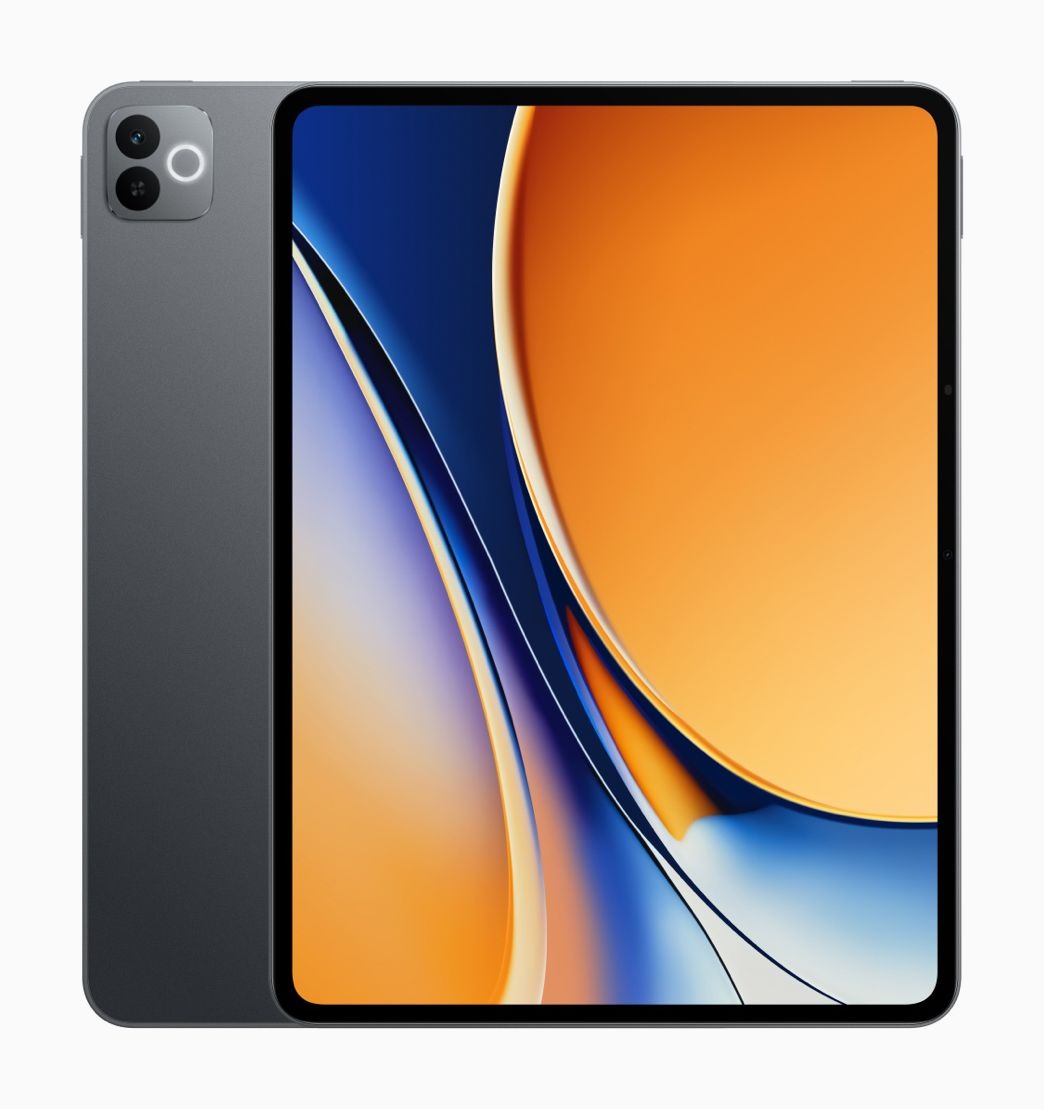
realme's 2026 large-screen tablet pairs an 11.61-inch 2.8K 120Hz display with a 12200 mAh battery, 45W charging and a 6.6 mm body that weighs about 578 g.
Key figures at a glance
Gallery
Specifications
- Display
- 11.61" 2.8K, 2800x2000, 7:5 aspect ratio, 296 ppi, 120Hz (60/90/120Hz), 500 nits typical / 550 nits HBM, 96% NTSC
- Chipset
- MediaTek Dimensity 7300-Max (4nm), 8 cores (4x Cortex-A78 + 4x Cortex-A55), Arm Mali-G615
- RAM
- 8GB
- Storage
- Up to 256GB, microSD up to 2TB
- Rear Camera
- 8MP main (f/2.0), 1080p video
- Front Camera
- 8MP (f/2.0, fixed focus)
- Battery
- 12200 mAh (typical, 47.83Wh), 45W wired, 6.5W reverse charging
- OS
- realme UI 7.0, based on Android 16
- Body
- 255.60 x 187.03 x 6.60 mm, about 578 g; metal back in Space Grey or Champagne Gold
- Connectivity
- Wi-Fi 5, Bluetooth 5.4, optional 5G version with nano SIM, USB-C (USB 2.0)
- Audio
- Four speakers
- Security
- Side-mounted fingerprint sensor in the power button
- Memory note
- 8GB (plus 10GB dynamic RAM, up to 18GB)
The realme Pad 3 is an 11.61-inch Android tablet from realme that puts its weight on three numbers: a 2.8K display with a 7:5 aspect ratio, a 12200 mAh battery and a body only 6.6 mm thick. It runs on the MediaTek Dimensity 7300-Max, ships with realme UI 7.0 based on Android 16 and is sold in a Wi-Fi version and a 5G version, depending on the market. This page is based on the published specifications and manufacturer information. It covers where the tablet sits among its rivals, the display and design, performance and software, the camera, battery and charging, and the compromises a buyer should weigh.
Place in the lineup
realme positions the Pad 3 above its Pad 2 and Pad 2 Lite models, and the company's own comparison says the chipset delivers a 125% performance improvement over the Pad 2 according to realme Lab data. That is a manufacturer figure from internal testing, so treat it as a direction rather than a measured result. The tablet competes with other large-screen mid-range Android tablets rather than with premium slates. Relevant alternatives on this site include the OnePlus Pad 3, while the Lenovo Tab Plus Gen 2 is a more media-focused alternative. For a side-by-side view, see realme Pad 3 vs OnePlus Pad 3.
No official US price is given on the manufacturer page used for this review, so none is listed here. The product page is the Indian one, and realme states that the availability of 5G and Wi-Fi-only models varies by region and local operator support. Memory and storage options also vary by country.
Design and display
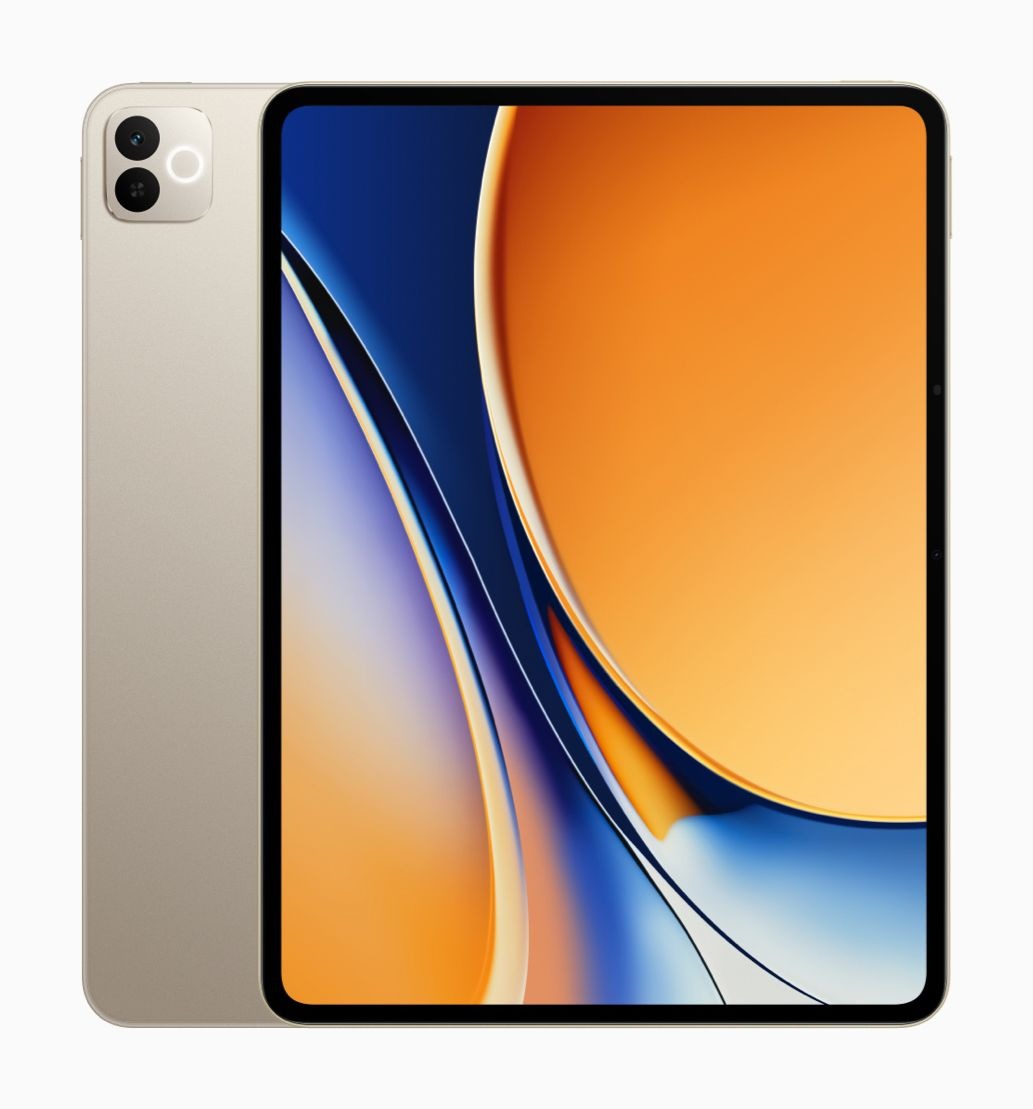
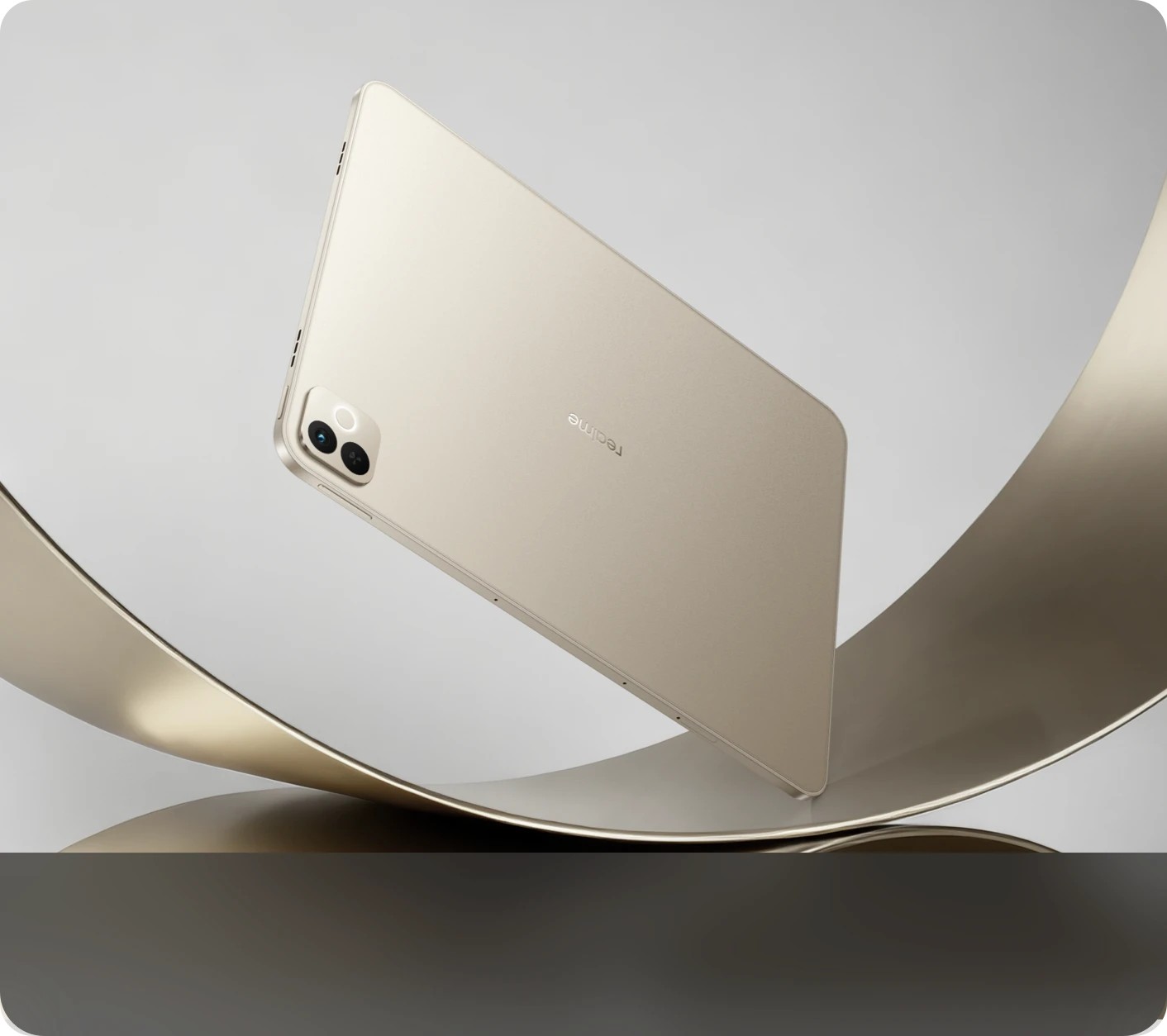
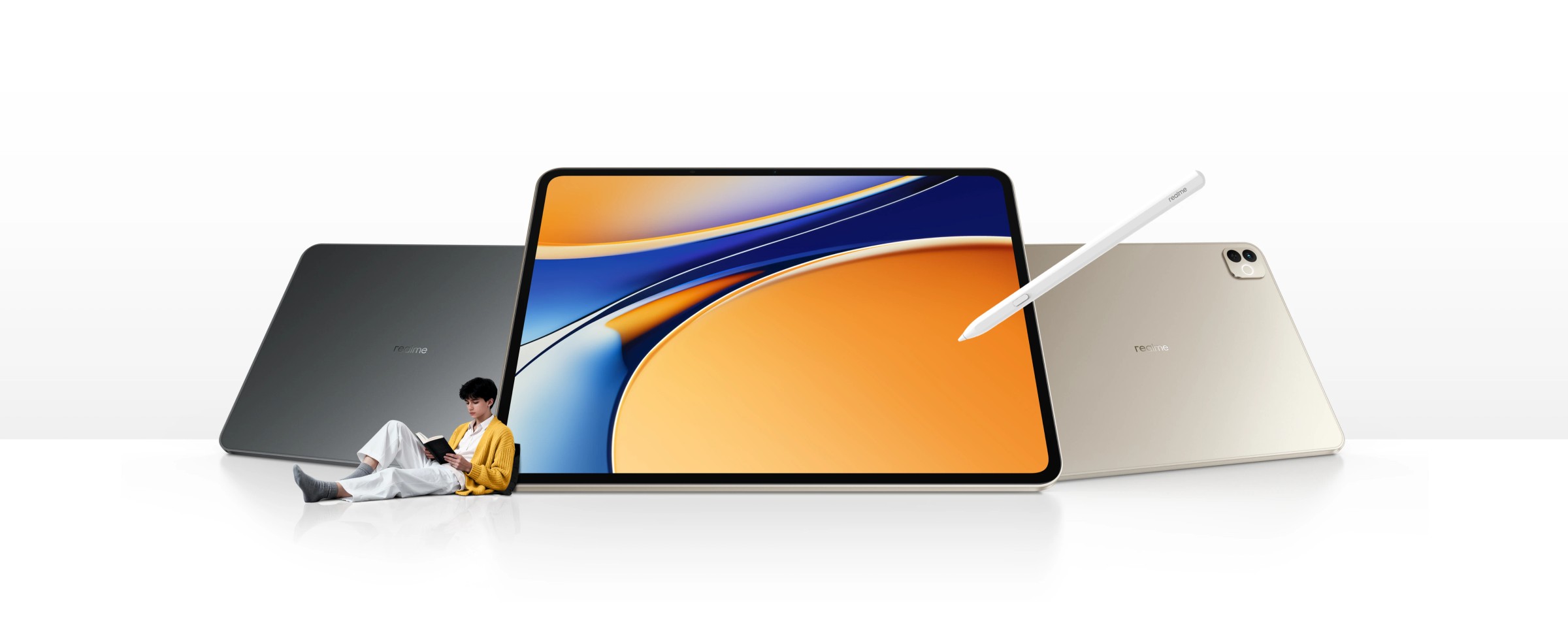
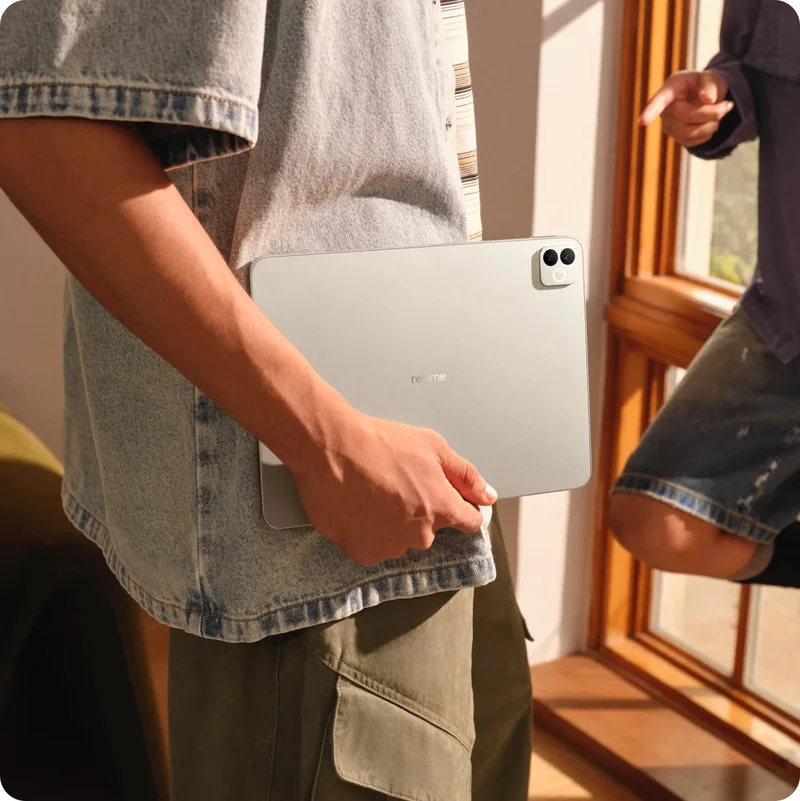
The body measures 255.60 x 187.03 x 6.60 mm and weighs about 578 g. realme describes the back as premium metal and offers two colours: Space Grey and Champagne Gold. At 6.6 mm it is slim for a tablet of this size, though 578 g is still heavier than a typical 10-inch model, so one-handed reading for long sessions will tire the wrist.
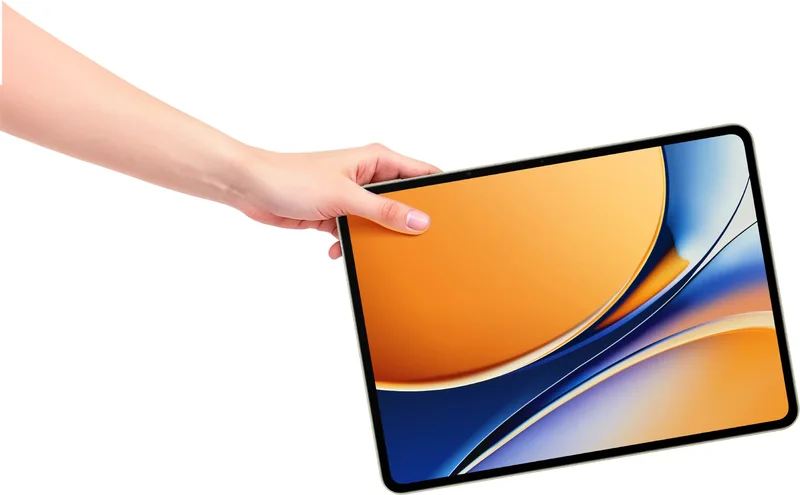
The screen is the headline. It measures 11.61 inches diagonally and has a resolution of 2800 x 2000 pixels, which realme calls 2.8K, with a pixel density of 296 ppi. The 7:5 aspect ratio is closer to a sheet of paper than the 16:10 shape of most Android tablets. realme calls this Book-View and argues that it suits dual-page reading, comics, documents and split-screen multitasking. The refresh rate can switch between 60, 90 and 120Hz, and touch sampling reaches up to 240Hz. The company lists 1.07 billion colours, 96% NTSC colour gamut and a screen-to-body ratio of about 88%.
The brightness figure is the one to watch: 500 nits typical and 550 nits in high brightness mode. That is adequate indoors but modest for a bright window seat or outdoor use, and noticeably below the peak figures phone makers now advertise. realme also mentions a hardware-level low blue light solution and a bedtime mode intended to reduce eye strain. The tablet has four speakers for stereo sound, and a fingerprint sensor built into the side power button.
Performance and software
The Dimensity 7300-Max is a 4nm chip with eight cores: four Cortex-A78 and four Cortex-A55, with an Arm Mali-G615 graphics unit. It sits in the upper mid-range, not the flagship class. realme quotes an Antutu score of 1,023,882 and says the tablet can keep up to 14 apps alive in the background, and that BGMI runs at 90 frames per second. These numbers come from realme Lab and depend on test conditions, so independent results may differ.
Memory is listed as 8GB of physical RAM plus 10GB of dynamic RAM, which is storage borrowed to act as extra memory, for up to 18GB in total. Storage goes up to 256GB, with microSD support up to 2TB. The maximum configurations vary by country. Connectivity comprises Wi-Fi 5 and Bluetooth 5.4, plus 5G on the cellular version only. The Wi-Fi version has no cellular support and, according to the spec sheet, no GPS positioning. The USB-C port is USB 2.0, which is fine for charging but slow for moving large files.
The software is realme UI 7.0 on Android 16. The company promotes Google Gemini and Circle to Search, an AI recording summary tool for lectures and meetings, an office suite for documents, spreadsheets and slides, and cross-device features. These include app relay, screencasting, shared clipboards and notification sync with realme, OPPO and OnePlus phones, plus file management with a PC through O+ Connect. Air gestures let users scroll videos in a few supported apps without touching the screen. realme does not state an update commitment on the page, so the length of software support is unknown.
For pen users, the page cites low latency under 10 ms, 4096 pressure levels and 140 hours of continuous writing for realme's stylus. The Smart Pen and Smart Keyboard are accessories listed separately in realme's catalogue, so they are not part of the base package.
Camera
The camera is the plainest part of the specification. The rear camera is a single 8MP unit with an f/2.0 aperture, a 76.5 degree field of view and autofocus, recording video at up to 1080p and 30 frames per second. The front camera is also 8MP with f/2.0, a fixed focus lens and a 78 degree field of view, again at 1080p and 30 fps. For video calls and document scanning this is enough. For photography it is not, and the spec sheet lists no 4K video. Buyers who want a tablet mainly for photos should look elsewhere.
Battery and charging
The battery is 12200 mAh typical, or 47.83Wh. realme says this is larger than a common power bank. It lists standby of 76.8 days, 17.0 hours of online AI chat and 16.7 hours of online video playback, all from realme Lab testing. Charging is 45W wired at the maximum, and the tablet can also push 6.5W in reverse to top up a phone or earbuds. A 45W charger and a USB cable are listed in the box, though contents can vary by market.
The large cell sits alongside the thin body, which is the main selling point: many slim tablets compromise on capacity. The trade-off is time to refill. realme gives no charging time on the page, so how long a full charge takes with the 45W charger is not stated.
Who it is for
The Pad 3 suits students, readers and streaming viewers who want a large, sharp, paper-like screen and long endurance more than top camera or processor performance. The 7:5 panel favours documents, PDFs and split-screen work, and the 5G option helps commuters who do not want to tether to a phone. Owners of realme, OPPO or OnePlus phones get the most from the cross-device features. Anyone who wants an alternative with a more mainstream ratio can look at the Galaxy Tab S9, another large-screen option, or at the Google-made Pixel Tablet, which leans toward home use. Phone buyers in the same ecosystem may also want to see the realme 16.
Compromises
- The 8MP single rear camera and 1080p video limit photography and video.
- Typical brightness of 500 nits may struggle outdoors.
- 578 g is heavy for long handheld sessions, despite the 6.6 mm thickness.
- The USB-C port is USB 2.0, and the Wi-Fi version lacks GPS.
- Many performance and battery numbers are manufacturer lab data, and no official price or update policy is stated on the page.
Overall, the realme Pad 3 is a large-screen, long-lasting media and study tablet with a distinctive aspect ratio. Its strengths are display size, resolution, battery capacity and thin metal body, while the camera, brightness and port speed show where the cost was cut. Compare the numbers against your own habits before choosing, and check the rankings for how it places against other devices.
Where it ranks
Compare realme Pad 3 with similar devices
More from realme
Frequently asked questions
When was the realme Pad 3 released?
The realme Pad 3 was released on 2026-01-06, according to the manufacturer’s published information.
What are the main specs of the realme Pad 3?
Headline figures for the realme Pad 3: Battery: 12,200 mAh, Refresh rate: 120 Hz, Main camera: 8 MP, RAM: 8 GB. The full specification table is further up this page.
Is the realme Pad 3 worth buying?
That depends on your priorities. Use the editorial review on this page for our view, check the rankings above to see where the device stands on battery, display and camera, and compare it directly with similar models before you decide.