Tablets
OnePlus Pad Go 2
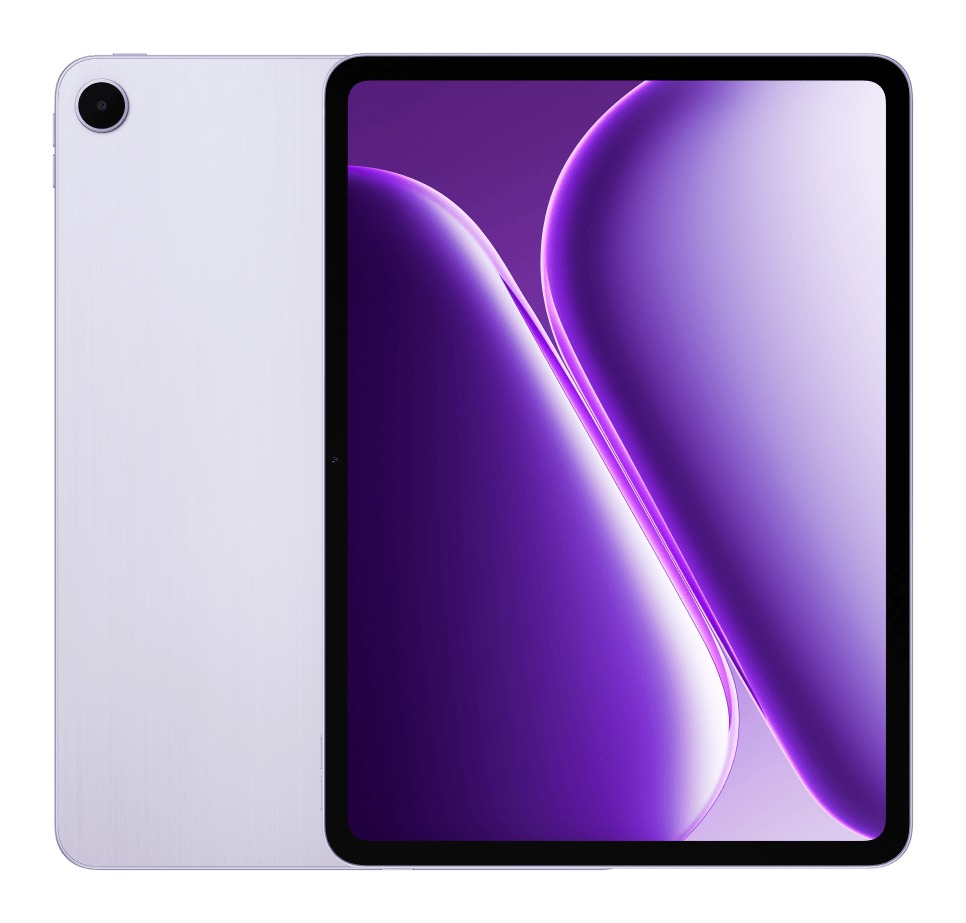
A 12.1-inch 120Hz tablet with a 10,050 mAh battery and a Dimensity 7300-Ultra chip, aimed at video, reading and note-taking rather than heavy performance.
Key figures at a glance
Gallery
Specifications
- Display
- 12.1" LCD, 2800x1980, 7:5, 30/60/90/120Hz adaptive, 600 nits (900 nits HBM), 98% DCI-P3
- Chipset
- MediaTek Dimensity 7300-Ultra
- RAM
- 8GB
- Storage
- 128GB / 256GB (UFS 3.1)
- Rear Camera
- 8MP main
- Front Camera
- 8MP
- Battery
- 10,050 mAh, 33W SUPERVOOC wired
- OS
- OxygenOS 16
- Dimensions
- 266.01 x 192.77 x 6.83 mm, 597 g (Wi-Fi) / 599 g (5G)
- Audio
- 4 speakers
- Connectivity
- Wi-Fi 6, Bluetooth 5.4, optional 5G
- Accessories
- Stylo pen sold separately
The OnePlus Pad Go 2 is a large-screen, battery-focused Android tablet from OnePlus, placed below the company's main tablet line. It pairs a 12.1-inch display with a 7:5 aspect ratio, a MediaTek Dimensity 7300-Ultra chip, a battery of just over 10,000 mAh and optional 5G. This page is based on the published specifications and manufacturer information. It covers where the tablet fits in the range, what the display and hardware offer, how the battery and software are described, and which compromises come with the lower price tier.
Where the Pad Go 2 fits
OnePlus sells its tablets in two broad tiers. The more capable models, such as the OnePlus Pad 3, sit higher up the range and target productivity. The Pad Go line is the more affordable option, built around a big screen, long battery life and everyday tasks such as video, reading, browsing and note-taking. The Pad Go 2 follows that logic. It offers a larger screen than many mainstream tablets and keeps costs down with a mid-range chip, an LCD panel and modest cameras. For a direct look at what you give up and gain, the OnePlus Pad Go 2 vs OnePlus Pad 3 page lines up the two models.
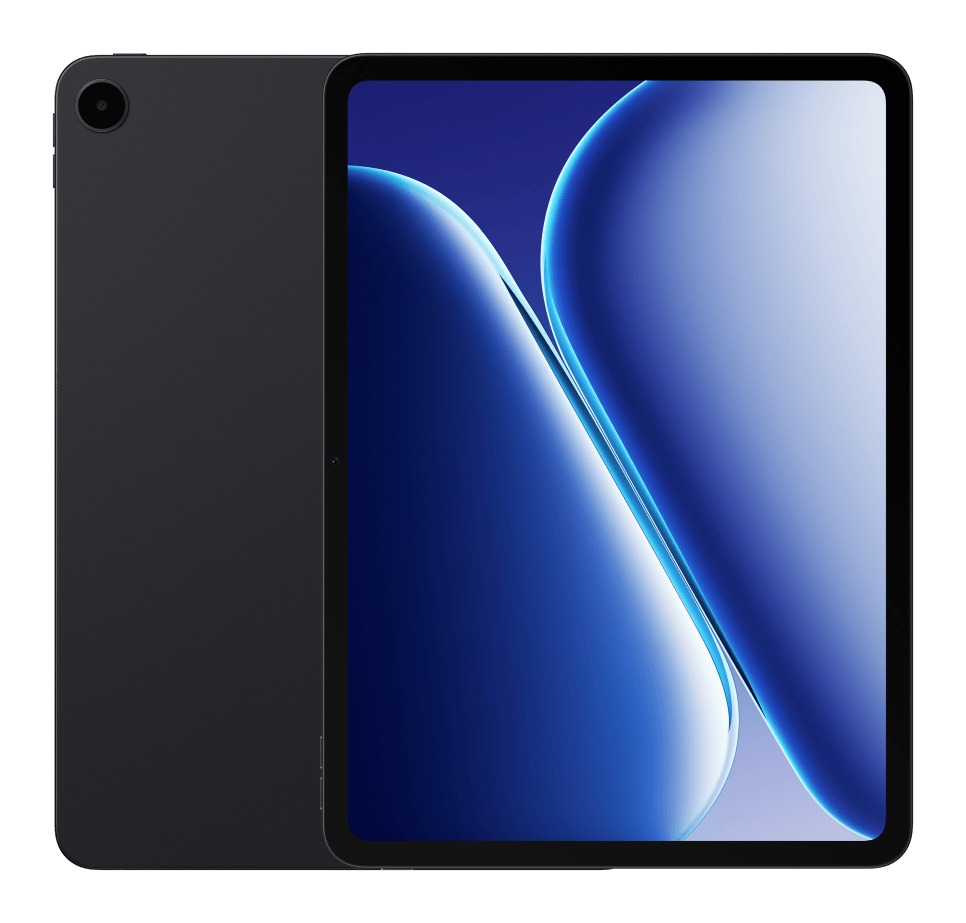
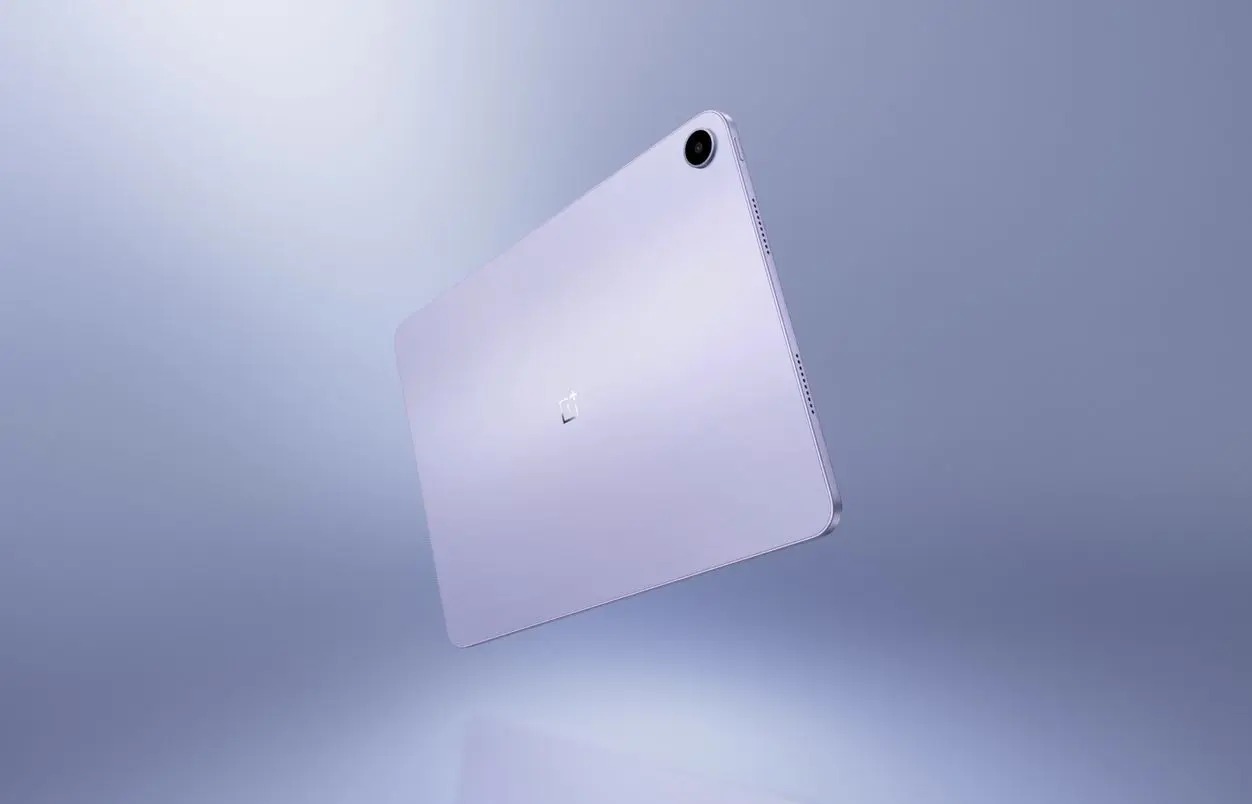
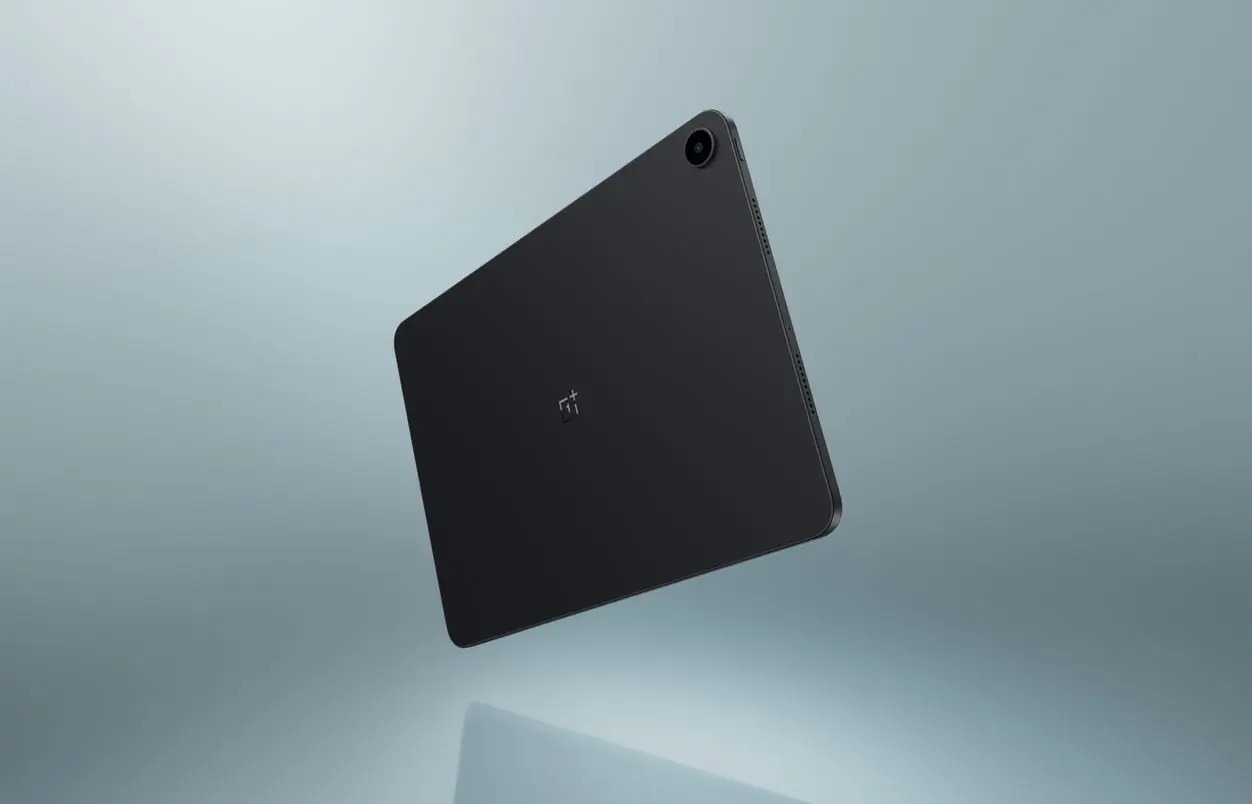
The official specification page lists memory in a small set of options: 8GB of LPDDR5X RAM with 128GB or 256GB of UFS 3.1 storage. Two colours are shown, Shadow Black and Lavender Drift. There is a Wi-Fi model and a 5G model that takes a SIM card, and OnePlus notes that 5G is only offered in a limited number of countries.
Display
The screen is the main attraction. It is a 12.1-inch LCD panel with a resolution of 2800 x 1980 pixels, which works out to about 284 pixels per inch. The aspect ratio is 7:5, which is closer to a sheet of paper than the widescreen 16:10 or 16:9 shapes of many tablets, and it gives a bit more room when the tablet is held in portrait for reading or notes. OnePlus lists a refresh rate that adapts between 30, 60, 90 and 120Hz, a typical brightness of 600 nits with a high-brightness peak of 900 nits, 98 percent coverage of the DCI-P3 colour space and a 12-bit colour depth (8 bit plus 4 bit processing). The screen-to-body ratio is given as 88.5 percent.
Because the panel is LCD rather than OLED, you should expect less deep blacks and lower contrast than OLED tablets, but at this tier that is the normal trade. The brightness figures are claims measured under controlled conditions, and a 600-nit typical value is respectable for indoor use. The 120Hz maximum makes scrolling and pen strokes smoother than on 60Hz tablets at the same level. OnePlus also highlights eye-care features and supports Dolby Vision for video playback on the product page, and a TUV SUD certification for smoothness over a period of 48 months.
Performance and software
The MediaTek Dimensity 7300-Ultra is an octa-core mid-range processor. Together with 8GB of LPDDR5X memory it should handle streaming, web browsing, document work, light multitasking and casual games without trouble, while heavy 3D gaming and long editing sessions are better suited to more powerful tablets. The storage is UFS 3.1, which is a step below the UFS 4 storage found on high-end phones, but it is fast enough for a tablet of this class.
The tablet runs OxygenOS 16. OnePlus describes multitasking features, a note-taking experience tied to its Stylo pen and OnePlus AI tools. The Stylo pen is sold separately; OnePlus lists 4,096 pressure levels and USB Type-C charging for it, and describes shortcuts such as tapping the off screen with the Stylo to open a note straight away. Facial recognition (Face Unlock) is the listed biometric method, so there is no fingerprint reader mentioned in the specifications. Since the page does not detail a software update commitment, it is wise to check the policy in your country.
Battery and charging
The battery is the other headline feature. OnePlus lists a typical capacity of 10,050 mAh and a rated capacity of 9,800 mAh. Charging is 33W SUPERVOOC through a USB Type-C port, with a compatible adapter, and wireless charging is not supported. The page also mentions reverse charging through a cable at up to 6.5W, which lets the tablet top up an accessory in a pinch. OnePlus quotes lab figures of up to 53 hours of music playback, 15 hours of video playback and 60 days of standby. These are manufacturer figures based on internal testing, and real results depend on brightness, refresh rate, connectivity and the apps you use.
The in-box list is short: the tablet, a Type-C cable, a user guide and safety booklet, and a SIM tray ejector for the 5G variant. A power adapter is not mentioned in the in-box list on the specification page, so check whether one is included in your market before you assume it is.
Audio, cameras and connectivity
The tablet has four speakers, and the product page mentions Dolby Atmos support, which makes it well suited to video at the desk or on the sofa. Bluetooth audio supports SBC, AAC, aptX, aptX HD and LDAC. The cameras are basic: an 8MP rear camera and an 8MP front camera. They are adequate for scanning documents and video calls but are not intended for photography. For networking, the tablet supports Wi-Fi 6 across 2.4 and 5GHz and Bluetooth 5.4 with Low Energy and BLE Audio, with the 5G variant adding cellular data.
Size, weight and handling
The tablet measures 266.01 x 192.77 x 6.83 mm. The Wi-Fi version weighs 597g and the 5G version 599g. That is a large and fairly heavy tablet by the standard of compact models, and the battery capacity is a large part of the reason. It is slim at 6.83 mm for its capacity, but one-handed use for long periods is not comfortable, and it is better treated as something to rest on a table or lap.
Who it is for and the compromises
The Pad Go 2 suits households and students who want a big, bright screen with strong battery life for video, reading, schoolwork and light note-taking, and who do not need top-tier speed. It can also serve as a travel tablet when the 5G model is available. The compromises are clear from the specification page: an LCD panel instead of OLED, a mid-range chip, UFS 3.1 storage, 8MP cameras, no wireless charging, face unlock instead of a fingerprint sensor, and a pen and keyboard accessories that are not included. For a more powerful experience, the OnePlus Pad 3 is the step up, and shoppers cross-shopping other brands can look at tablets such as the Galaxy Tab S9 for a premium Android alternative or the iPad (A16) for a different software ecosystem. The rankings page places the tablet against others, and the final choice depends on how much weight you give to screen size and battery life compared with performance and camera quality.
Where it ranks
Compare OnePlus Pad Go 2 with similar devices
More from OnePlus
Frequently asked questions
When was the OnePlus Pad Go 2 released?
The OnePlus Pad Go 2 was released on 2025-12-17, according to the manufacturer’s published information.
What are the main specs of the OnePlus Pad Go 2?
Headline figures for the OnePlus Pad Go 2: Battery: 10,050 mAh, Refresh rate: 120 Hz, Main camera: 8 MP, RAM: 8 GB. The full specification table is further up this page.
Is the OnePlus Pad Go 2 worth buying?
That depends on your priorities. Use the editorial review on this page for our view, check the rankings above to see where the device stands on battery, display and camera, and compare it directly with similar models before you decide.