Tablets
Apple iPad Pro (M4)
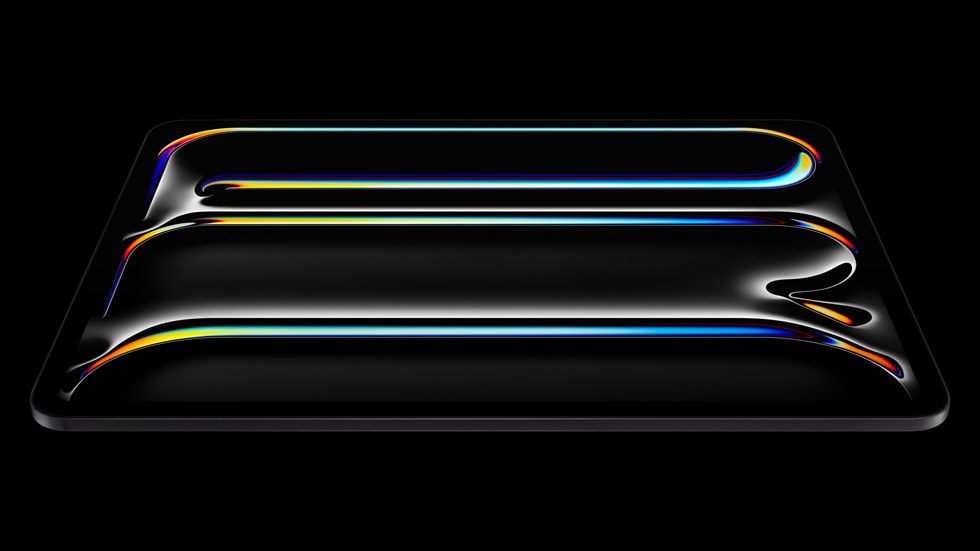
The iPad Pro that introduced tandem OLED and the M4 chip: 5.3 mm and 5.1 mm thin, Ultra Retina XDR display, Apple Pencil Pro and a redesigned Magic Keyboard.
Key figures at a glance
Gallery
Specifications
- Display
- 11" and 13" Ultra Retina XDR tandem OLED, 1000 nits full-screen, 1600 nits peak HDR, nano-texture option
- Chipset
- Apple M4 (up to 4 performance + 6 efficiency cores, 10-core GPU, 38 TOPS Neural Engine)
- Storage
- 256GB / 512GB / 1TB / 2TB
- Rear Camera
- 12MP with adaptive True Tone flash
- Front Camera
- 12MP Ultra Wide with Center Stage (landscape position)
- Thickness
- 5.3 mm (11-inch) / 5.1 mm (13-inch)
- Connectivity
- USB-C with Thunderbolt 3 / USB 4 (up to 40Gb/s), Wi-Fi 6E, optional 5G with eSIM
- Pencil
- Apple Pencil Pro and Apple Pencil (USB-C)
- OS
- iPadOS 17 at launch
The iPad Pro with M4 is the model Apple called its biggest update ever to the iPad Pro. Announced on 7 May 2024, it swapped the mini-LED screen of earlier Pro models for a new tandem OLED panel, moved to the M4 chip, became the thinnest product Apple had ever made and gained two new accessories, the Apple Pencil Pro and a thinner Magic Keyboard. This page collects the details from Apple's launch announcement, explains what each change means in practice and lists the caveats that come from relying on manufacturer claims.
Launch and price
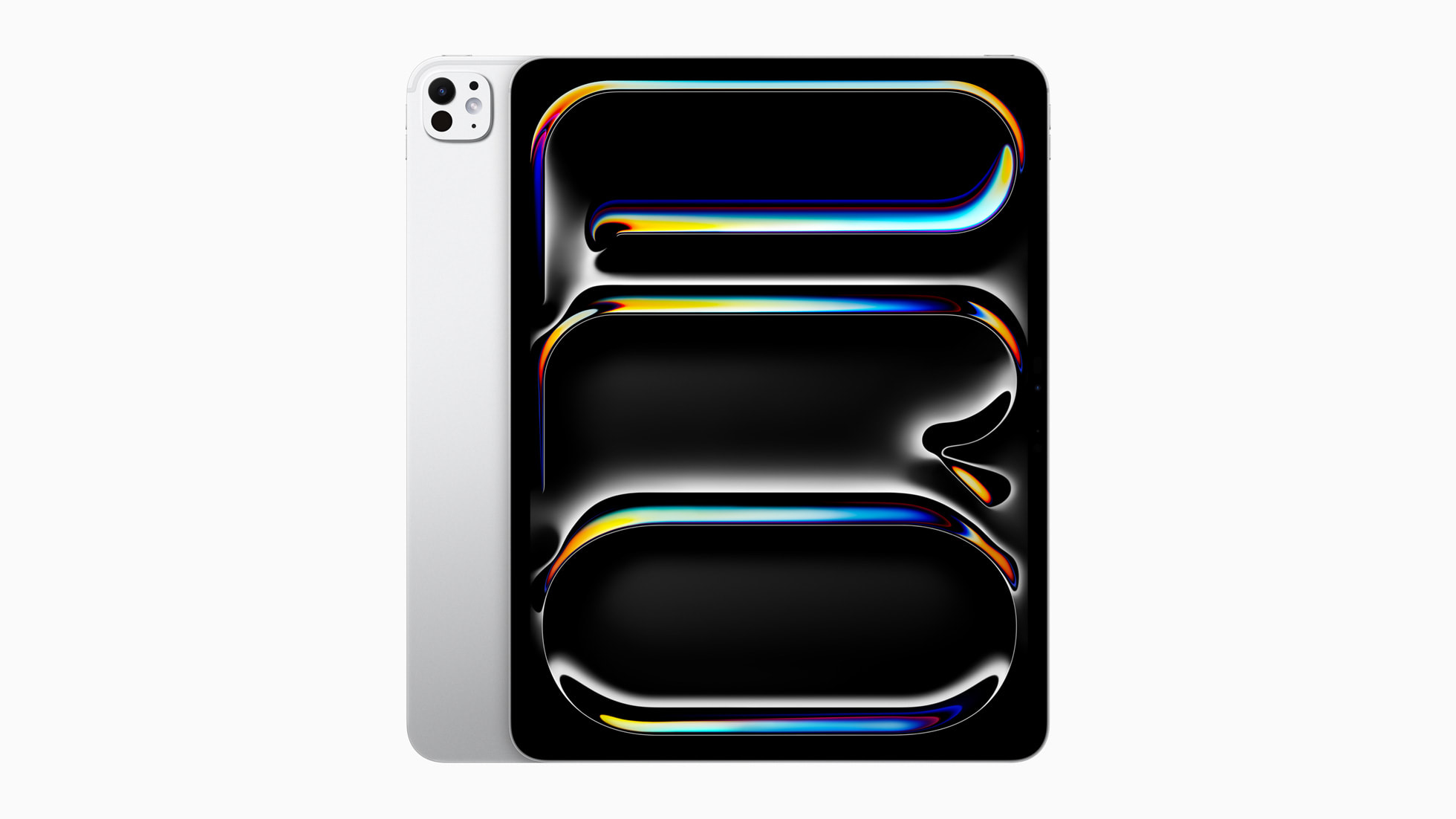
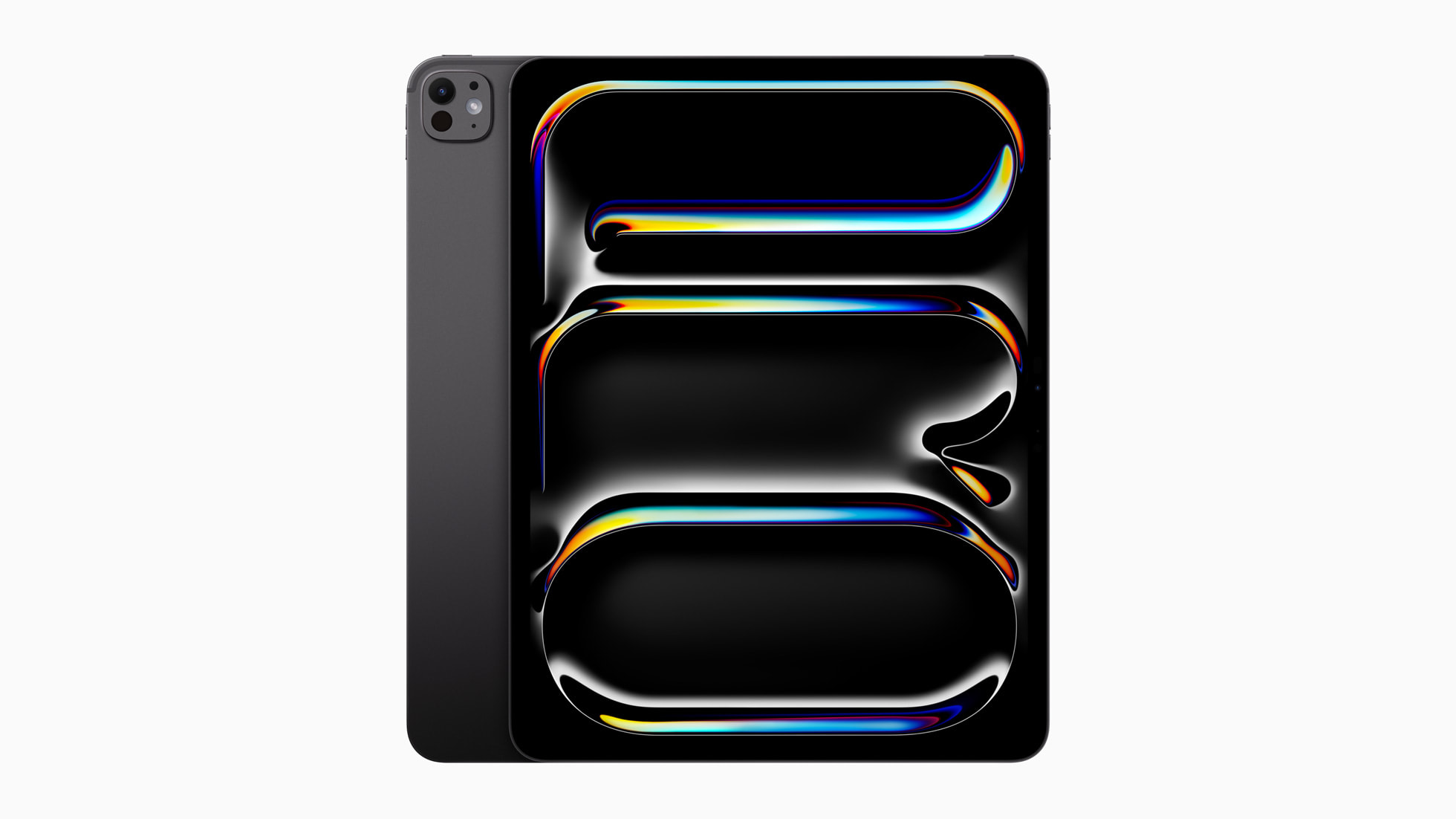
Apple opened orders on 7 May 2024 in 29 countries and regions, with store availability from Wednesday 15 May. The tablet comes in two sizes, 11-inch and 13-inch, in silver and space black, with 256GB, 512GB, 1TB and 2TB of storage. In the United States the 11-inch model started at 999 dollars for Wi-Fi and 1,199 dollars with cellular, and the 13-inch model at 1,299 dollars and 1,499 dollars. Education pricing began at 899 and 1,199 dollars. Accessories were sold separately: Apple Pencil Pro at 129 dollars, Apple Pencil (USB-C) at 79 dollars, the Magic Keyboard at 299 dollars for 11-inch and 349 dollars for 13-inch, and the Smart Folio at 79 or 99 dollars. A successor with the M5 chip followed in October 2025, and you can compare the two on the iPad Pro M4 vs iPad Pro M5 page or read about it on the iPad Pro (M5) page.
Thinnest Apple product
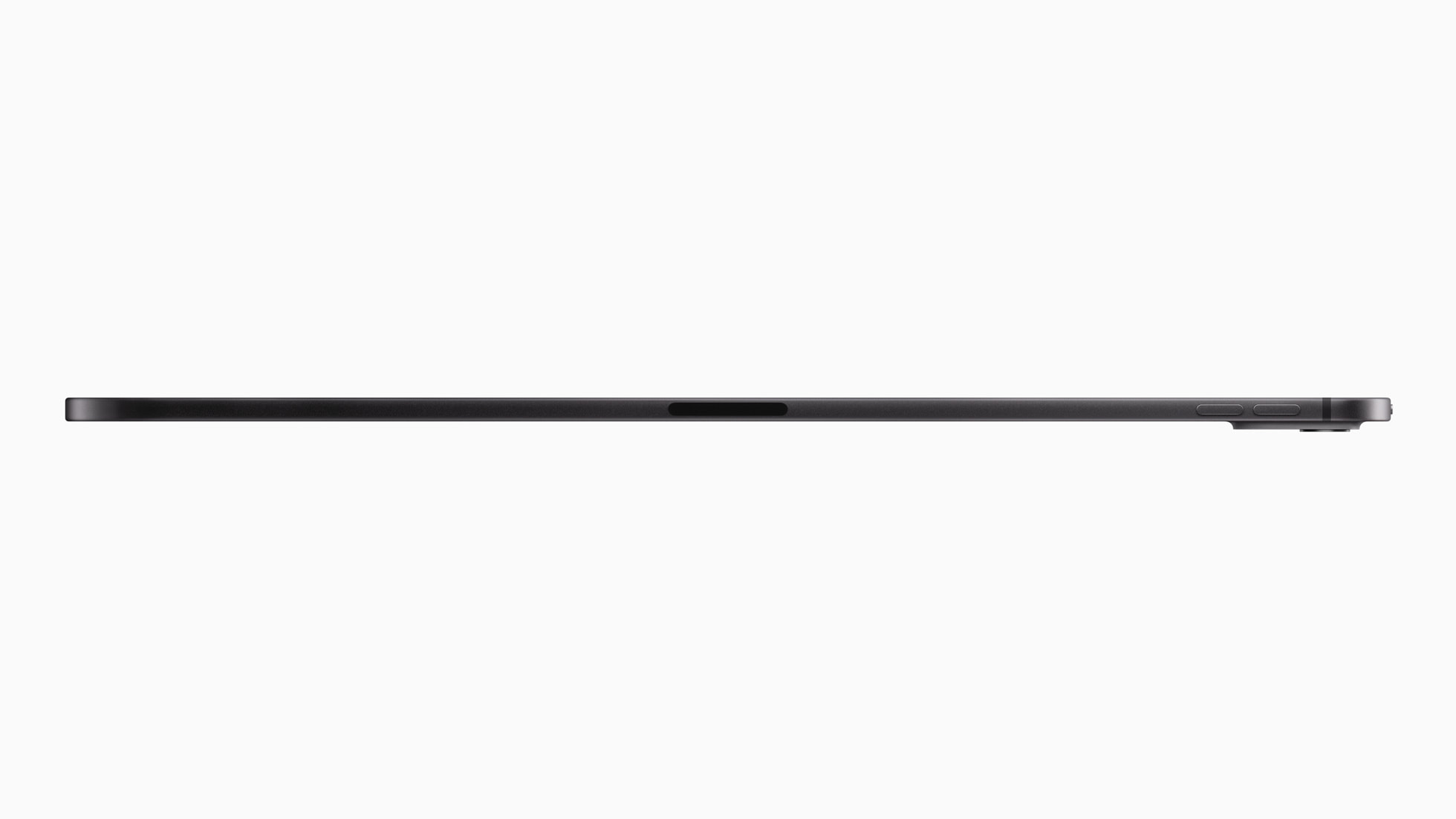
The 11-inch model is 5.3 mm thick and the 13-inch model 5.1 mm. Apple says both are as strong as the previous design. The 11-inch weighs less than a pound, and the 13-inch is nearly a quarter of a pound lighter than the model it replaced. Both enclosures use 100 percent recycled aluminium. The thinness is not only a headline: it changes how the tablet feels alongside a keyboard case, in a bag or held in one hand for reading, which is why Apple stresses that the new design is just as strong as the old one.
Ultra Retina XDR and tandem OLED
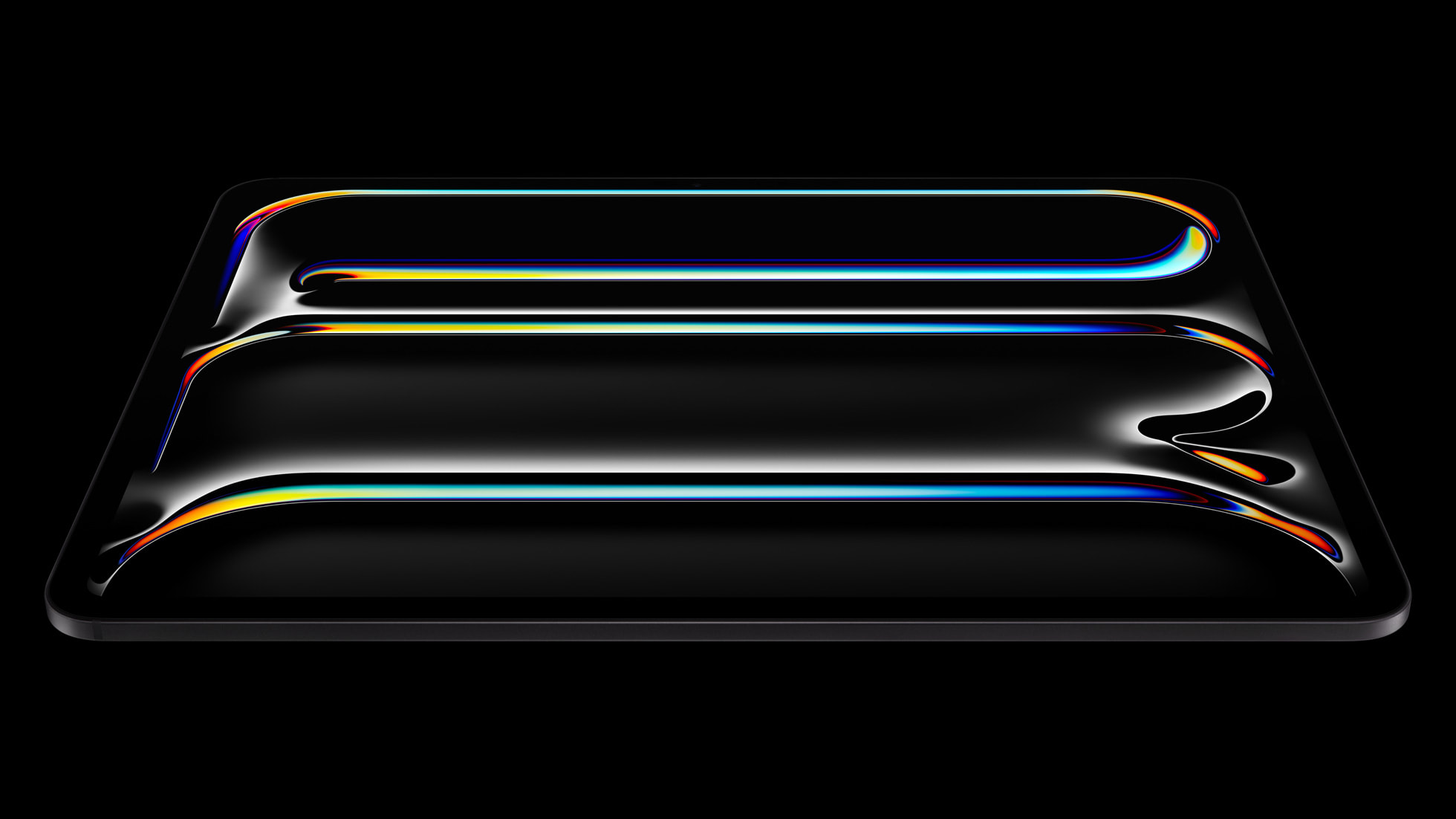
The display is the biggest change. Apple's Ultra Retina XDR uses tandem OLED technology: two OLED panels stacked so that their light combines, which allows brightness that a single OLED panel struggles to reach. Apple lists 1000 nits of full-screen brightness for both SDR and HDR content and 1600 nits peak for HDR, and says the technology gives sub-millisecond control over the colour and luminance of each pixel. The visible effect Apple emphasises is deeper blacks with bright highlights side by side, more shadow detail and better response to motion. Compared with the mini-LED backlight of previous models, OLED removes the backlight zones, so there is no blooming around bright objects on a black background. A new nano-texture glass option, available for the first time on iPad, is etched at nanometre scale to scatter ambient light and reduce glare while keeping contrast, intended for colour-critical work under bright lighting. Reference Mode in iPadOS can match the display to strict colour requirements for review, grading and compositing.
M4 chip
The tablet's performance comes from the M4, built on a second-generation 3-nanometre process. It has an all-new display engine to drive the tandem OLED panel, a CPU with up to four performance cores and six efficiency cores, and a 10-core GPU that adds Dynamic Caching, hardware-accelerated ray tracing and mesh shading to the iPad for the first time. Apple says the CPU is up to 1.5 times faster than the M2 in the previous iPad Pro, pro rendering apps such as Octane can be up to four times faster, and the M4 delivers the same performance as the M2 with half the power. The Neural Engine performs 38 trillion operations per second, which Apple describes as 60 times faster than the first Neural Engine in the A11 Bionic chip. The media engine adds AV1 decode for efficient playback of streaming video. In use, that translates into faster video editing, music production and on-device AI features such as isolating a subject from its background in 4K video in Final Cut Pro.
Cameras, audio and connectivity
The 12MP rear camera captures Smart HDR photos and video and gains an adaptive True Tone flash. When you scan a document, the camera app can detect it, and if a shadow falls on the page it takes several photos with the flash and stitches them together. On the front, the TrueDepth system moves to the landscape edge, with a 12MP Ultra Wide camera and Center Stage, which suits video calls when the tablet sits in a keyboard case. Four studio-quality microphones handle audio. The USB-C connector supports Thunderbolt 3 and USB 4 with up to 40Gb/s, enough to drive a Pro Display XDR at full 6K resolution or fast external storage. Wi-Fi 6E is standard, cellular models offer 5G, and they use eSIM only, with connection possible in more than 190 countries and regions without a physical SIM.
Apple Pencil Pro and Magic Keyboard
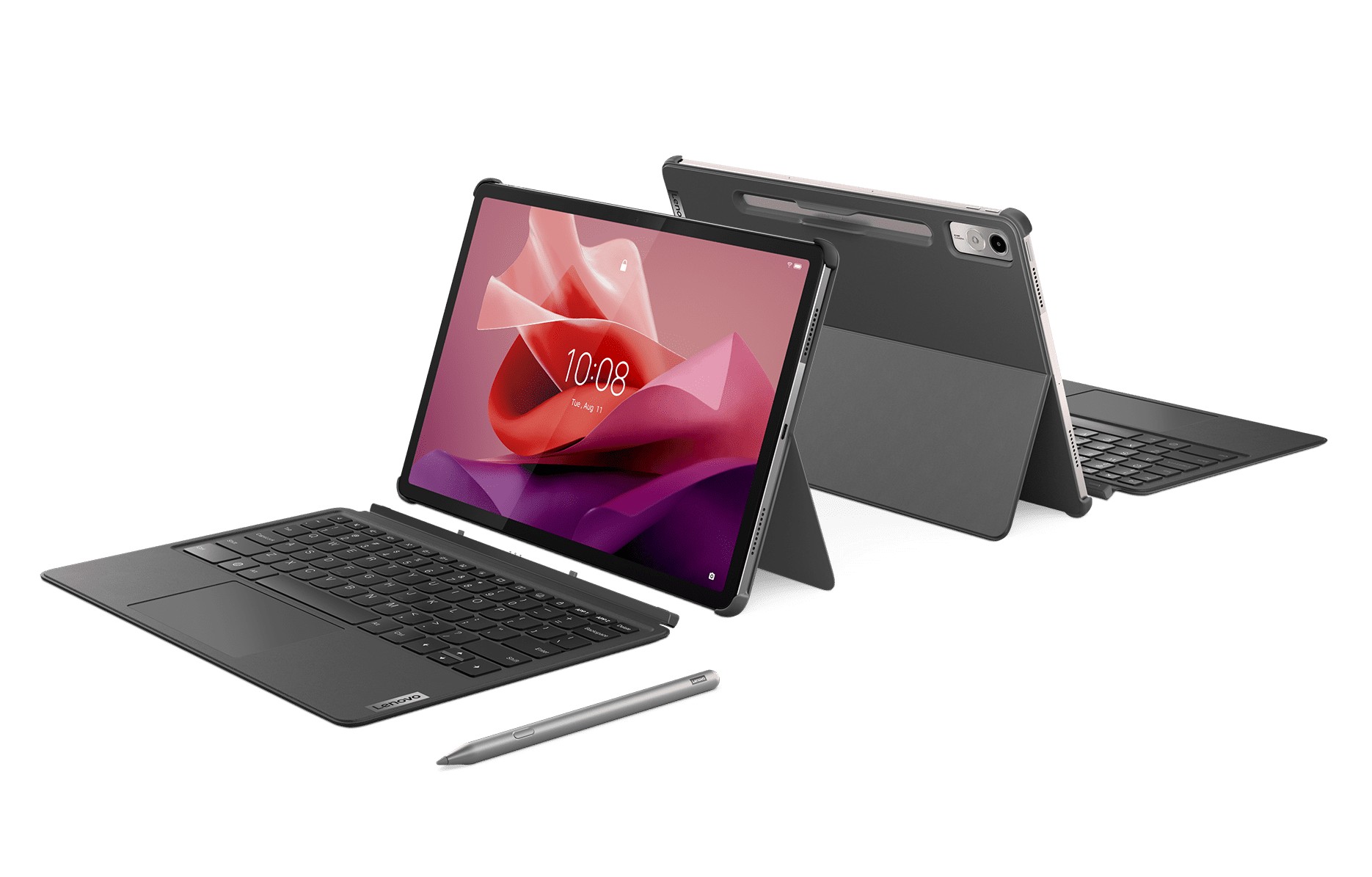
Apple Pencil Pro adds a barrel sensor that detects a squeeze and opens a tool palette, a haptic engine that gives a small tap as confirmation, a gyroscope for barrel roll that rotates shaped pen and brush tools, hover to preview a tool before you mark the page, and Find My support. It pairs and charges magnetically on the side of the tablet. The older Apple Pencil (USB-C) also works. The new Magic Keyboard is thinner and lighter than its predecessor, with a function row, an aluminium palm rest, a larger trackpad with haptic feedback and a floating design that connects through the Smart Connector without Bluetooth pairing, in black or white. The Smart Folio adds several viewing angles.
Software at launch
The tablet shipped with iPadOS 17, with features such as Stage Manager for overlapping windows and up to 6K external display support, Visual Look Up, Subject Lift and Live Text. Apple launched Logic Pro for iPad 2 on 13 May 2024 with Session Players, ChromaGlow and Stem Splitter, and announced Final Cut Pro for iPad 2 with Live Multicam, which can control up to four connected iPhone and iPad devices through the Final Cut Camera app. Both are subscription apps at 4.99 dollars a month or 49 dollars a year in the United States, with a one-month free trial. Apple also positions the M4 iPad Pro for running cloud AI services such as Copilot for Microsoft 365 and Adobe Firefly.
How it compares
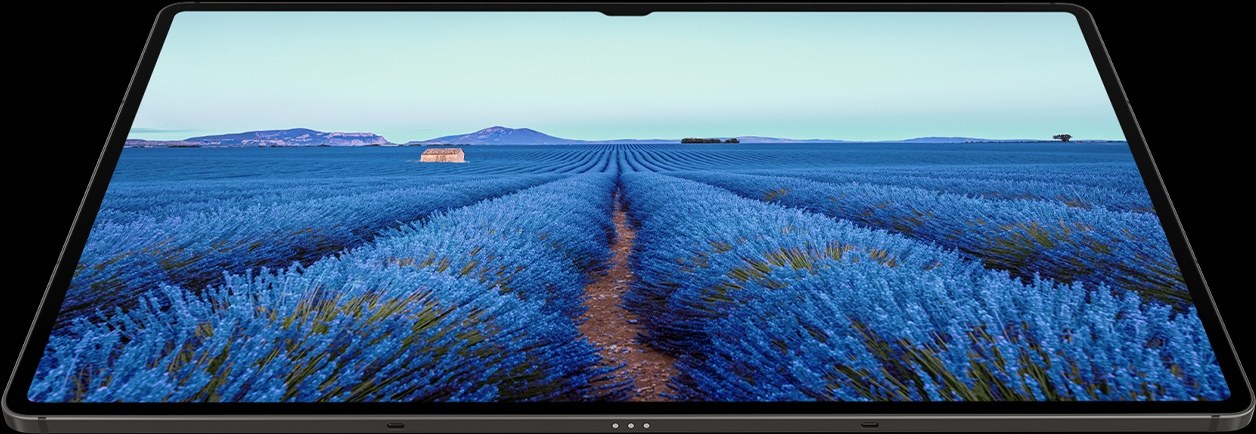
If you do not need OLED and the M4, the iPad Air (M3) covers the same 11 and 13-inch sizes at a much lower starting price, while Android users looking for the largest possible screen might weigh the Galaxy Tab S10 Ultra. Browse all options in our tablets section.
Where it ranks
Compare Apple iPad Pro (M4) with similar devices
More from Apple
Frequently asked questions
When was the Apple iPad Pro (M4) released?
The Apple iPad Pro (M4) was released on 2024-05-15, according to the manufacturer’s published information.
How much does the Apple iPad Pro (M4) cost?
The estimated range for the Apple iPad Pro (M4) is $899 to $1099 in US dollars, based on the launch list price. Actual prices vary by country, retailer and storage option.
What are the main specs of the Apple iPad Pro (M4)?
Headline figures for the Apple iPad Pro (M4): Main camera: 12 MP. The full specification table is further up this page.
Is the Apple iPad Pro (M4) worth buying?
That depends on your priorities. Use the editorial review on this page for our view, check the rankings above to see where the device stands on battery, display and camera, and compare it directly with similar models before you decide.