Tablets
Samsung Galaxy Tab S10 Ultra
Samsung's largest Android tablet keeps its 14.6-inch AMOLED screen, adds an anti-reflective coating, and for the first time in the Tab S series runs on a MediaTek chip.

Key figures at a glance
Specifications
- Display
- 14.6" Dynamic AMOLED 2X, 2960x1848, 120Hz, HDR10+
- Chipset
- MediaTek Dimensity 9300+ (4nm)
- RAM
- 12GB / 16GB
- Storage
- 256GB / 512GB / 1TB, microSDXC slot
- Rear Camera
- 13MP wide + 8MP ultrawide
- Front Camera
- 12MP ultrawide + 12MP wide
- Battery
- 11,200 mAh, 45W wired
- OS
- Android 14, One UI 6.1.1 (launch)
The Galaxy Tab S10 Ultra is the biggest tablet in Samsung's 2024 Tab S range, with a 14.6-inch AMOLED screen that is closer to a small laptop display than a typical tablet. It arrived as a refinement rather than a reinvention, but a few changes under the surface, above all the choice of processor, make it worth a careful read. This guide covers the hardware, what changed compared with the previous generation, and the trade-offs a buyer should know about.
Timeline and the shape of the range
Samsung announced the Galaxy Tab S10 series on 27 September 2024, the same day as the Galaxy S24 FE, and the first two tablets went on sale on 3 October 2024. Unusually, there was no base model this time: the range started with the Tab S10+ and the Tab S10 Ultra, which was the first time since the Tab S8 generation that the three-model pattern was interrupted. The base model returned later with the Galaxy Tab S11. Samsung then filled out the family with the Galaxy Tab S10 FE and S10 FE+ on 2 April 2025, and the Galaxy Tab S10 Lite on 25 August 2025. This page is about the top model. If you are comparing with the earlier tablet, use the Galaxy Tab S9 vs Galaxy Tab S10 Ultra table, and the Galaxy Tab S9 page describes the previous flagship.
Design and size
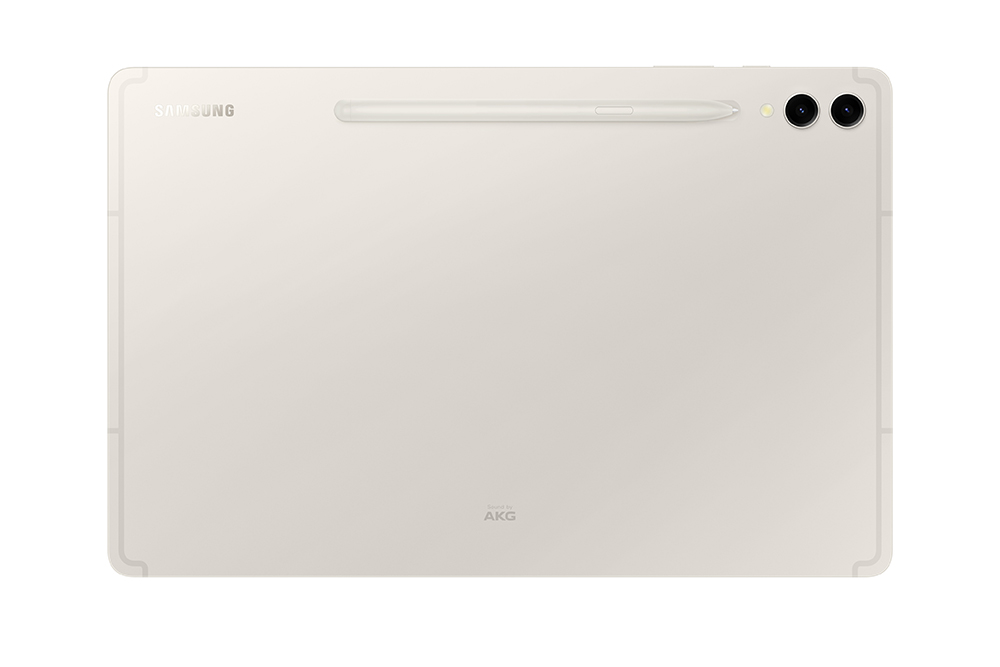
The Tab S10 Ultra keeps the aluminium body of its predecessors and comes in two colours, Moonstone Gray and Platinum Silver. It measures 326.4 x 208.6 mm and is just 5.4 mm thick, and it weighs 718 g in the Wi-Fi version and 723 g in the 5G version. Samsung kept the outer dimensions from the previous Ultra but made the tablet lighter. It is a large object, and for most people it will live on a desk or in a bag rather than in one hand. The tablet and its S Pen stylus are rated IP68, meaning they survive up to 1.5 metres of fresh water for 30 minutes, which is uncommon for a tablet of this size. There are four speakers tuned for Dolby Atmos, and a dedicated microSDXC slot for extra storage.
Display
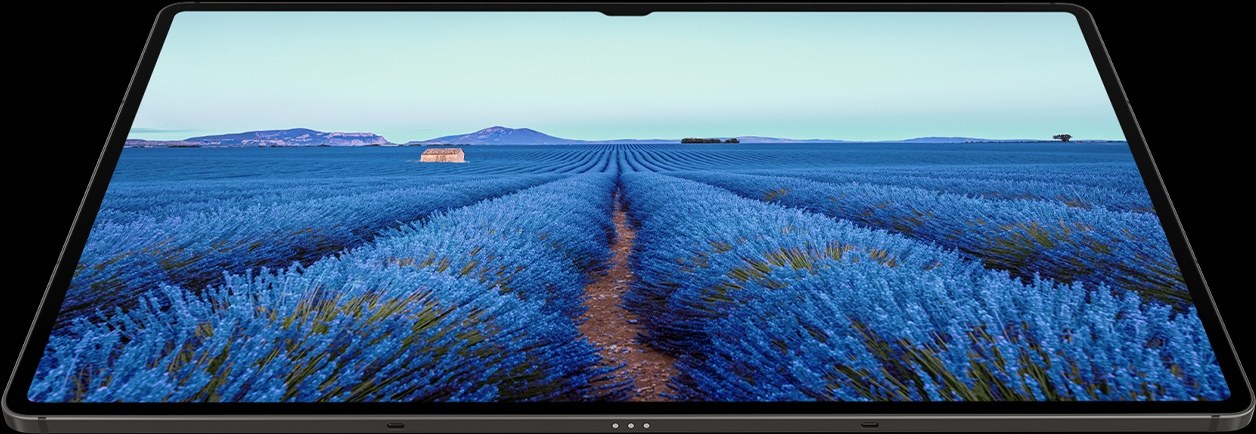
The panel is a 14.6-inch Dynamic AMOLED 2X screen with a resolution of 2960 x 1848 pixels in a 16:10 shape, a 120 Hz refresh rate and HDR10+ support. Compared with the previous Ultra, the size, resolution and panel type did not change. The one visible addition is an anti-reflective coating, which cuts glare and is helpful when the tablet is used near windows or under office lighting. A screen of this size gives you room to keep two apps side by side, which suits the multitasking features Samsung has built into One UI.
A MediaTek chip for the first time
The biggest internal change is the processor. The Tab S10 Ultra and S10+ use the MediaTek Dimensity 9300+, an eight-core chip made on a 4 nm process with an Immortalis-G720 MC12 graphics unit. This is the first time Samsung has used a MediaTek chip in its Tab S series, which had previously relied on Qualcomm Snapdragon or Samsung's own chips. Samsung also improved the vapour chamber cooling inside the body. The Ultra can be ordered with 12 GB or 16 GB of RAM, and 16 GB is exclusive to this model. Storage runs from 256 GB through 512 GB to 1 TB of UFS 4.0 flash, and the 1 TB option is also exclusive to the Ultra.
Cameras
The rear camera is a 13 MP wide unit (f/2.0) with autofocus, paired with an 8 MP ultrawide, and both can record video at up to 4K and 30 frames per second. On the front, the Ultra has two cameras: a 12 MP ultrawide camera with a 120 degree field of view and an additional 12 MP wide camera. Having two front cameras is a feature of this model, and it means a video call can frame more people or keep you centred while you move. For a tablet, the rear camera is mostly a convenience for scanning documents and casual shots.
Battery and charging
The Ultra has the largest battery in the family, 11,200 mAh, which is not user-replaceable. Charging is up to 45 W over the wired connection. The tablet supports Wi-Fi, and cellular versions add 5G (sub-6 GHz) with Nano SIM and eSIM support. As with any tablet, the real battery life depends heavily on the screen brightness and the refresh rate you use.
Software and pen support
The tablet shipped with Android 14 and One UI 6.1.1, and it has since been updated, with Android 16 and One UI 8.5 listed as the current version. The S Pen is supported and is the tablet's main input tool for note-taking, drawing and annotating. One change to be aware of: the Tab S10 series is the first generation of the Tab S range that no longer supports 32-bit applications, although older Samsung tablets continue to run them. In practice, current apps are 64-bit, so this affects only very old software. Samsung's later FE and Lite models were the first in the Tab S family to promise seven years of security patches and OS upgrades, so if long support is the priority, check the current support terms for the model you buy.
How it compares inside the family
The Ultra is easiest to understand next to its siblings. The Tab S10+ shares the same chip, AMOLED technology and 120 Hz refresh rate, but uses a 12.4-inch screen at 1752 x 2800 pixels, a 10,090 mAh battery and weighs 571 g, and it is limited to 12 GB of RAM. The Tab S10 FE and S10 FE+ take a different path: they use a Samsung Exynos 1580 chip, LCD panels of 10.9 and 13.1 inches at 90 Hz, 8 GB or 12 GB of RAM and UFS 3.1 storage, with the FE+ being the first tablet of the FE line to reach a 13-inch class screen. The Tab S10 Lite goes lower again, with a 10.9-inch panel and a slower 25 W charger. In short, the Ultra is the only member with the biggest AMOLED screen, up to 16 GB of RAM, up to 1 TB of storage, four speakers and the dual front camera, and those are the reasons to pay more for it.
Where it fits
The Galaxy Tab S10 Ultra is for people who want a large, bright screen for creative work, note-taking, reading documents or watching video, and who value the extra RAM and storage options. It is less suitable for anyone who wants a light tablet for holding one-handed, and for that the smaller members of the range, or a more modest model like the Galaxy Tab A9, make more sense. You can browse every model in the tablets category, read our reviews for hands-on impressions, or find out how we verify specifications on the FAQ page. Tablet-related updates and launches are covered in our news section.
Where it ranks
Compare Samsung Galaxy Tab S10 Ultra with similar devices
More from Samsung
Frequently asked questions
When was the Samsung Galaxy Tab S10 Ultra released?
The Samsung Galaxy Tab S10 Ultra was released on 2024-10-03, according to the manufacturer’s published information.
What are the main specs of the Samsung Galaxy Tab S10 Ultra?
Headline figures for the Samsung Galaxy Tab S10 Ultra: Battery: 11,200 mAh, Refresh rate: 120 Hz, Main camera: 13 MP, RAM: 16 GB. The full specification table is further up this page.
Is the Samsung Galaxy Tab S10 Ultra worth buying?
That depends on your priorities. Use the editorial review on this page for our view, check the rankings above to see where the device stands on battery, display and camera, and compare it directly with similar models before you decide.