Tablets
Huawei MatePad SE 11
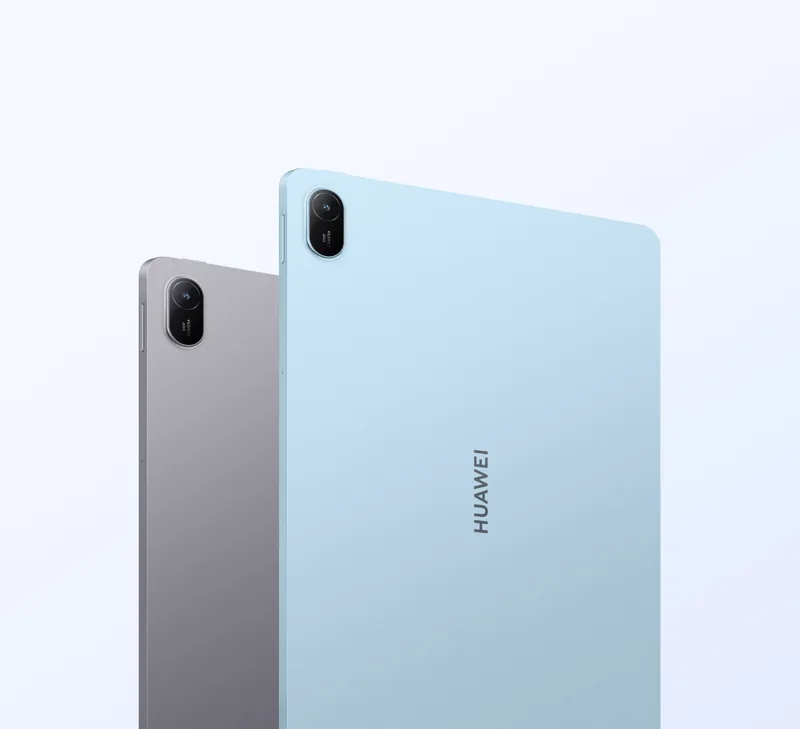
The HUAWEI MatePad SE 11 is a 6.9 mm metal tablet with an 11-inch 1920x1200 display, a 7700 mAh battery, 22.5W charging, four speakers and up to 8GB RAM.
Key figures at a glance
Gallery
Specifications
- Display
- 11" TFT LCD (IPS), 1920x1200 (207 ppi), 400 nits, 1400:1 contrast, 100% sRGB, 85% screen-to-body, TUV low blue light and flicker-free
- RAM
- 8GB
- Storage
- 64GB / 128GB (RAM options 4GB / 6GB / 8GB)
- Rear Camera
- 8MP main (f/2.0, autofocus)
- Front Camera
- 5MP
- Battery
- 7700 mAh (typical, 7600 mAh rated), 22.5W wired charging
- OS
- HarmonyOS 2.0 (as listed on the spec page)
- Dimensions
- 252.3 x 163.8 x 6.9 mm, approx. 475 g
- Connectivity
- Wi-Fi 802.11 a/b/g/n/ac (2.4 and 5 GHz), Bluetooth 5.1, USB-C (USB 2.0), OTG, 4G LTE (band list on the spec page), four speakers with HUAWEI Histen 9.0
- Accessories
- HUAWEI M-Pen lite stylus (only in the Stylus Set)
- Colors
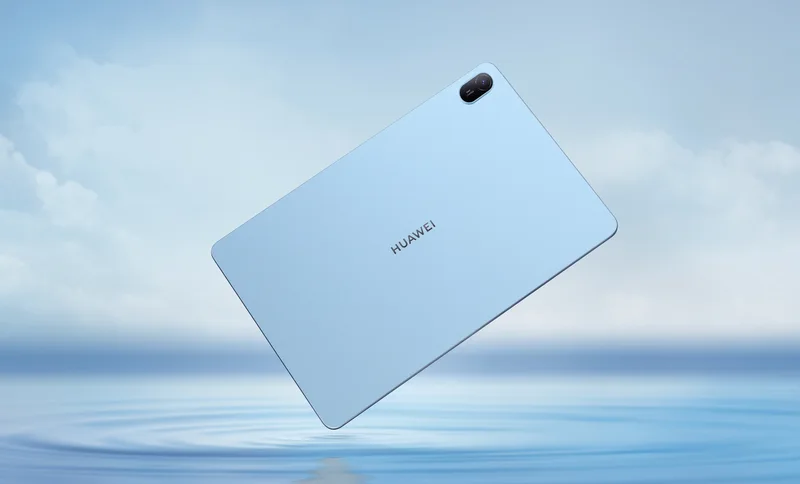
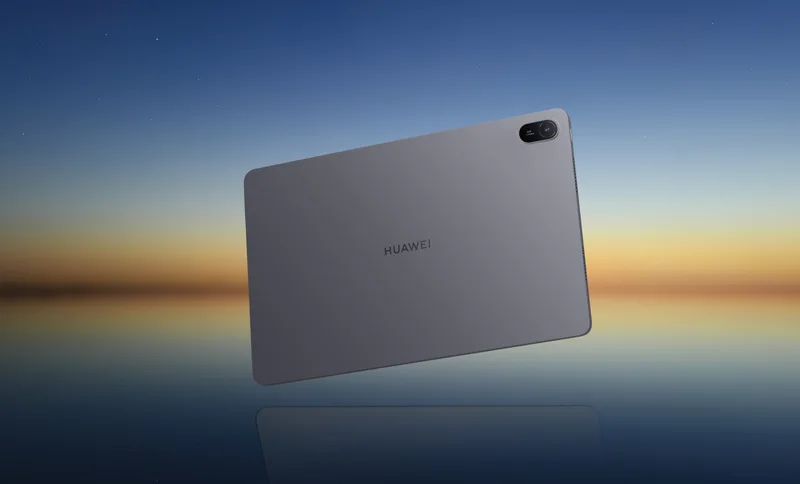
- Nebula Gray, Crystal Blue
The HUAWEI MatePad SE 11 is a value-minded 11-inch tablet built for everyday viewing, reading, schoolwork and family use rather than for raw speed. Huawei's own pages lead with four things: a 6.9 mm metal body that weighs about 475 g, an 11-inch Full HD+ eye-comfort screen, a large 7,700 mAh battery with 22.5W charging, and a four-speaker audio system. This overview is based on the published specifications and the manufacturer's product pages, so it describes what the tablet is designed to do and marks Huawei's statements as claims. One point deserves attention from the start: the official pages do not name the processor, so this review does not guess one.
Where it sits in the lineup
MatePad is Huawei's tablet family, and the SE label marks the affordable, entry-level end. The tablet is offered in two colours, Nebula Gray and Crystal Blue. The specification page lists memory options of 4GB, 6GB and 8GB of RAM with 64GB or 128GB of storage, with the note that part of the storage is taken up by the software. The United States price is not stated on the pages we used, so none is given here, and the release date on this site is the commonly cited launch date rather than one printed on the product page.
For a view of how Huawei's tablet line evolved, look at the newer HUAWEI MatePad 11.5 S (2026), a later Huawei tablet, and at a mainstream rival such as the Samsung Galaxy Tab A11. The MatePad SE 11 vs Galaxy Tab A11 page puts the numbers next to each other.
Design and display
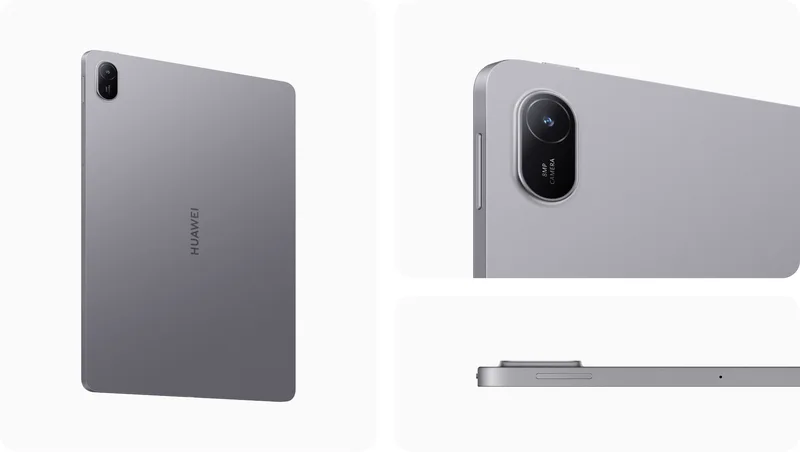
The body is a one-piece aluminium design with sleek edges and an integrated camera island. At 252.3 x 163.8 x 6.9 mm and about 475 g it is slim and manageable for a tablet of this size. Huawei states that the metal unibody passed more than 60 mechanical reliability tests and claims a 45.2% increase in stiffness compared with its earlier MatePad SE 10.4; both are laboratory statements and the comparison is against Huawei's own older model. The back is plain, with a centred HUAWEI logo, and the colour options are muted, which suits a family tablet.
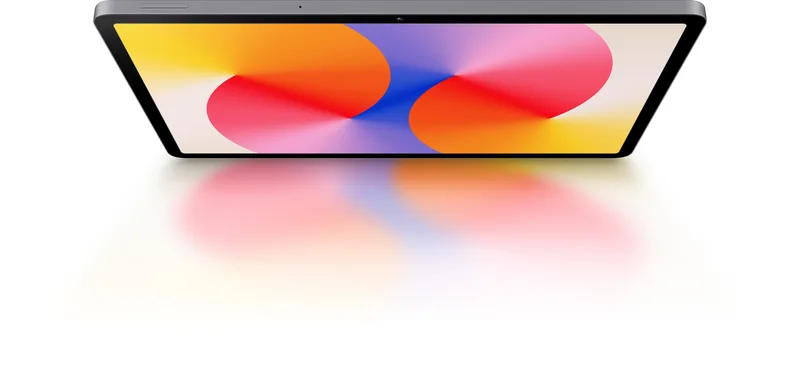
The screen is an 11-inch TFT LCD with IPS technology and a 1920 x 1200 resolution, which works out to 207 pixels per inch. Huawei quotes a screen-to-body ratio of 85%, a brightness of 400 nits, a contrast ratio of 1,400:1 and 100% sRGB coverage (typical value) with 16.7 million colours. The panel carries TUV Rheinland certifications for low blue light (a hardware solution) and flicker-free operation, offers 4,096 brightness levels with full-range DC dimming, adjusts brightness to ambient light and includes an eBook mode. Huawei's pages do not state a refresh rate, so this overview does not assume one. Compared with an AMOLED panel, an LCD like this has lower contrast and is not meant for HDR; 400 nits is adequate indoors but will look dim in direct sunlight.
Performance and software
This is where the official pages say least. The specification sheet lists the memory, the storage, the sensors and the connectivity but gives no processor name, no clock speed and no graphics information. What can be said is that the tablet supports up to 8GB of RAM, and that Huawei positions it for everyday tasks, with features such as a two-window split screen and two floating windows for compatible apps, tablet-to-PC multi-screen collaboration (with Huawei smartphones and PCs only) and a notes app. Huawei adds that multi-window works only with certain apps.
The operating system is listed on the specification page as HarmonyOS 2.0. That is Huawei's own platform rather than standard Android with Google services, and the app experience depends on Huawei's AppGallery and the apps that exist for it. Buyers who rely on a specific app should check its availability before purchase. Because the sheet is silent on the chip, heavy 3D games and demanding creative apps are not what this tablet is advertised for.
Camera
The cameras follow the usual tablet logic: they exist for video calls, scanning and occasional photos, not for serious photography. The rear camera is an 8MP unit with an f/2.0 aperture and autofocus, producing images up to 3264 x 2448 pixels and video at 1920 x 1080. The front camera is a 5MP fixed-focus unit at f/2.2, with photos up to 2560 x 1920 and video at 1280 x 720. Rear modes include panorama, time-lapse, documents and a "Hivision" scanning feature. The 720p front video is below what many current tablets offer for video calls, so it is a point to weigh if you meet people online every day.
Battery and charging
The battery is the headline. Huawei lists a typical capacity of 7,700 mAh (the rated capacity is 7,600 mAh) and a maximum wired charging power of 22.5 W, which the specification page expresses as 10V/2.25A, compatible with 9V/2A and 5V/2A. A charger is included in the box. Huawei does not publish a battery-life figure in hours on the pages used here, so the real endurance depends on screen brightness and usage. A large cell, an efficient LCD and modest charging power make for a tablet designed to last through a day of video and reading, but fully recharging it will take a while.
Audio, accessories and connectivity
Four speakers arranged symmetrically and tuned with HUAWEI Histen 9.0 give the SE 11 a stronger sound system than many tablets in its class, and the sheet lists support for common audio formats from MP3 to FLAC. Only one microphone is listed. An optional HUAWEI M-Pen lite stylus is sold in a stylus set; it needs no Bluetooth pairing, clips to the tablet and works with the HUAWEI Notes app. Huawei's Kids Corner offers a restricted space with parental controls for time, apps and content, plus posture and bumpy-road alerts, and the tablet supports MeeTime video calls between compatible devices.
Connectivity is conservative. The tablet supports Wi-Fi 802.11 a/b/g/n/ac on 2.4 and 5 GHz, Bluetooth 5.1, USB-C with USB 2.0 speeds and OTG. The network table lists 4G LTE, 3G and 2G bands, and no 5G is listed. Sensors are limited to gravity and ambient light, and positioning relies on Wi-Fi networks. Huawei notes that the network bands vary by region and operator.
Who it is for
The MatePad SE 11 suits families, students and anyone who wants a light, well-built screen for streaming, e-books, online classes and casual use. Its strengths are the slim metal body, the big battery, the speakers and the eye-comfort features. If you want to see where it stands against other tablets, the rankings page lists the key figures side by side.
Compromises to keep in mind
- Processor not disclosed. The official specification sheet names no chip, so performance expectations should stay modest.
- LCD at 400 nits. Good for indoor use, less impressive outdoors and not an HDR screen.
- Huawei software ecosystem. The listed HarmonyOS 2.0 means app availability depends on AppGallery.
- Modest charging and ports. 22.5W charging and USB 2.0 are basic, and no 5G is listed.
- Stylus not included by default. The M-Pen lite comes only in a separate Stylus Set.
In short, the HUAWEI MatePad SE 11 is a slim, long-lasting and sensible family tablet with a comfortable screen and good speakers, whose main limitations are an undisclosed processor, basic charging and the constraints of Huawei's software ecosystem.
Where it ranks
Compare Huawei MatePad SE 11 with similar devices
More from Huawei
Frequently asked questions
When was the Huawei MatePad SE 11 released?
The Huawei MatePad SE 11 was released on 2024-05-15, according to the manufacturer’s published information.
What are the main specs of the Huawei MatePad SE 11?
Headline figures for the Huawei MatePad SE 11: Battery: 7,700 mAh, Main camera: 8 MP, RAM: 8 GB. The full specification table is further up this page.
Is the Huawei MatePad SE 11 worth buying?
That depends on your priorities. Use the editorial review on this page for our view, check the rankings above to see where the device stands on battery, display and camera, and compare it directly with similar models before you decide.