Smartwatches
Xiaomi Watch S3
A 1.43-inch AMOLED smartwatch with swappable bezels, dual-band GPS, Bluetooth calling, 150+ sports modes and a claimed 15 days of battery life in typical use.
Key figures at a glance
Gallery
Specifications
- Display
- 1.43" AMOLED, 466 x 466 pixels, 326 ppi, 60Hz, 600 nits
- Chip
- BES 2700BP
- Memory
- 32MB RAM + 4GB ROM
- Case
- Aluminum alloy frame, stainless steel bezel, Corning glass; interchangeable bezel (extra bezels sold separately)
- Size
- 47 x 47 x 12 mm, 44 g without strap
- Strap
- Fluororubber, 140-210 mm adjustable
- Battery
- Up to 15 days typical use (Android), up to 14.5 days (iOS), up to 5 days with always-on display; 486 mAh, 2-pin magnetic charging dock
- Water Resistance
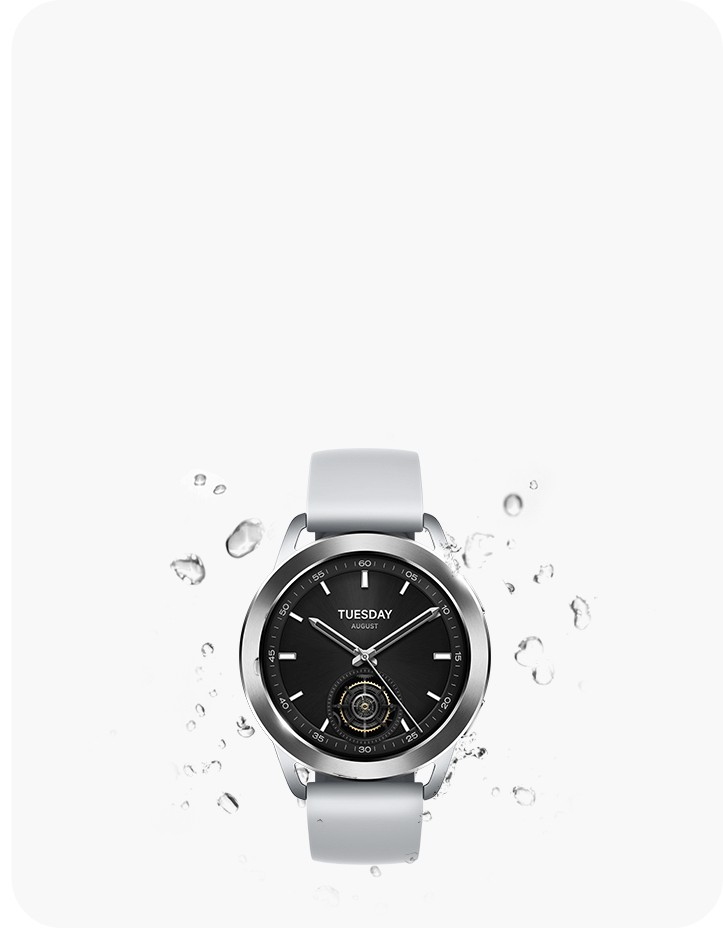
- 5 ATM
- Positioning
- Dual-band L1+L5 GNSS: GPS, BeiDou, GLONASS, Galileo, QZSS
- Connectivity
- Bluetooth 5.2, Bluetooth calling, NFC (Mastercard terminals, varies by region)
- Sensors
- Heart rate with blood oxygen, accelerometer, gyroscope, compass, barometer, ambient light, hall sensor
- Sports Modes
- 150+ sports modes
- Compatibility
- Android 8.0 or later, iOS 12.0 or later
- Colors
- Black, Silver
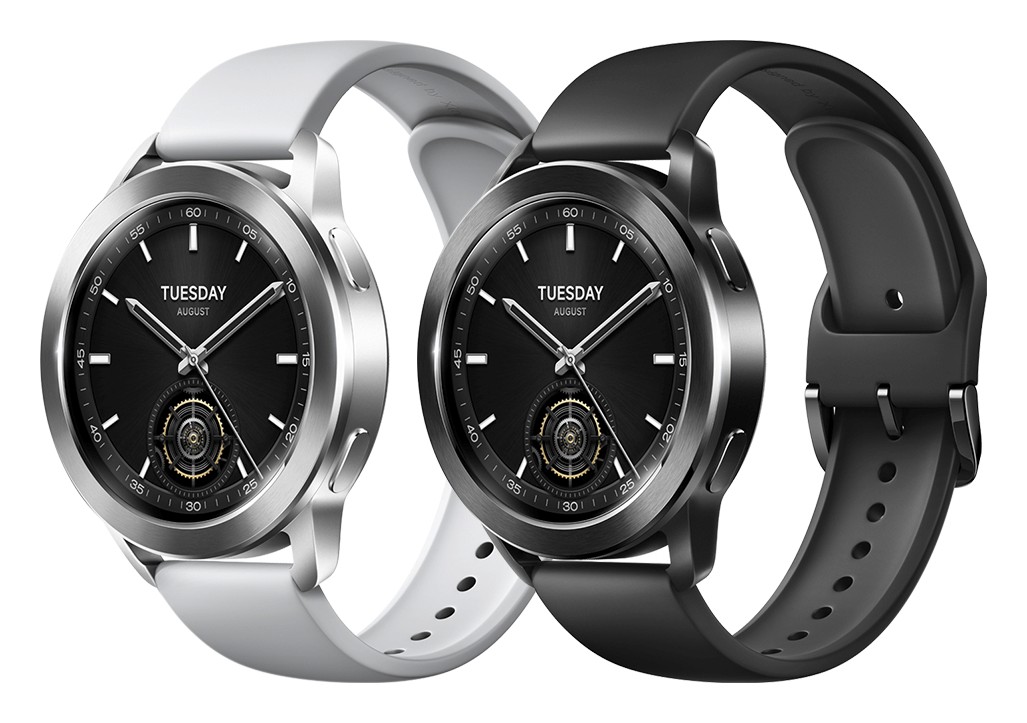
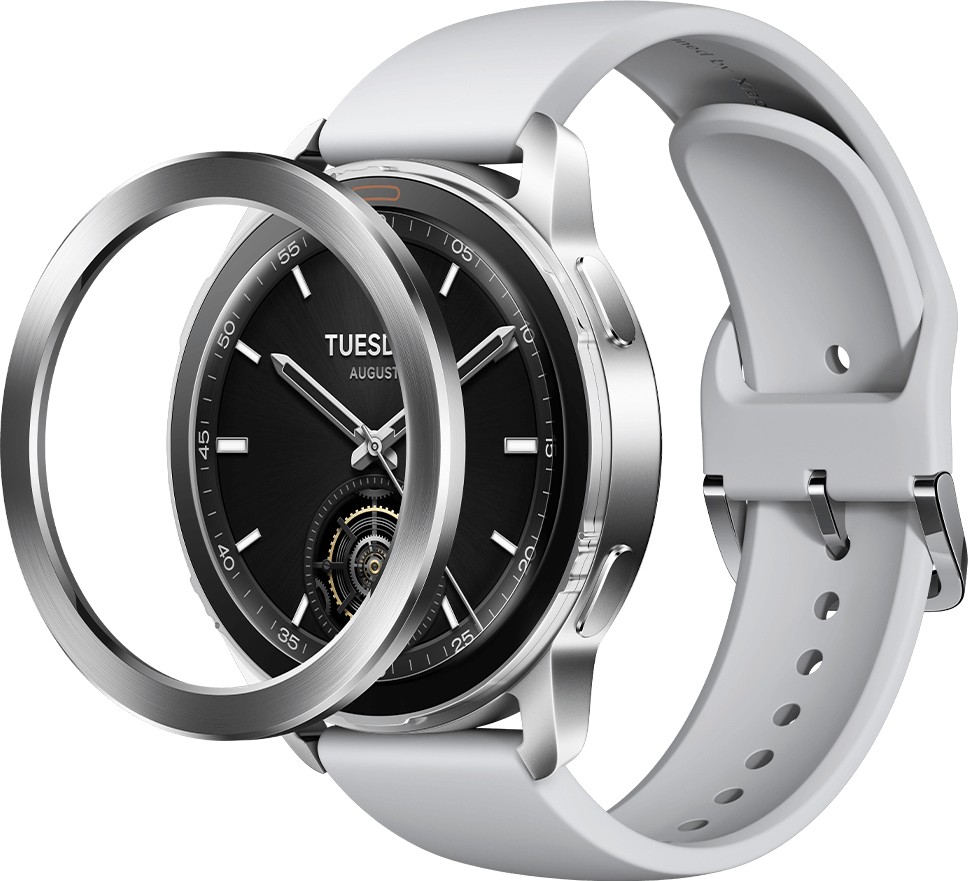
The Xiaomi Watch S3 is a round smartwatch built around one clever hardware idea: the bezel clicks off. Xiaomi sells the watch with a black or silver bezel and a fluororubber strap in the box, and offers other bezels in steel, ceramic and forged carbon as separate accessories, each of which can trigger its own matching watch face. Around that idea sit a 1.43-inch AMOLED screen, dual-band GPS, Bluetooth calling and a battery that Xiaomi rates at up to 15 days of typical use. This review is based on the published specifications and manufacturer information, and it looks at what the watch is good at and where its simpler software sets limits.
Where it sits in Xiaomi's watch range
Xiaomi's own comparison table on the product page places the Watch S3 next to two Wear OS models, the Watch 2 Pro and the Watch 2. The difference is the operating approach. The two Wear OS watches use a Qualcomm Snapdragon W5+ Gen 1 platform with 2GB of RAM and 32GB of storage and can install apps from Google's store. The Watch S3 uses a BES 2700BP chip with 32MB of RAM and 4GB of storage, ships with around ten built-in watch faces, pulls more from the Mi Fitness app, and the page lists no third-party app support. That is the trade: much longer battery life and a lower price class against a closed software platform. The later Xiaomi Watch S4 carries the same design idea forward, and the Watch S3 versus Watch S4 comparison lists the changes in one place. We found no official US price, so none is shown, and the date given for this page, February 2024, is the launch announcement date and not a verified on-sale date for any one market.
Design and the interchangeable bezel
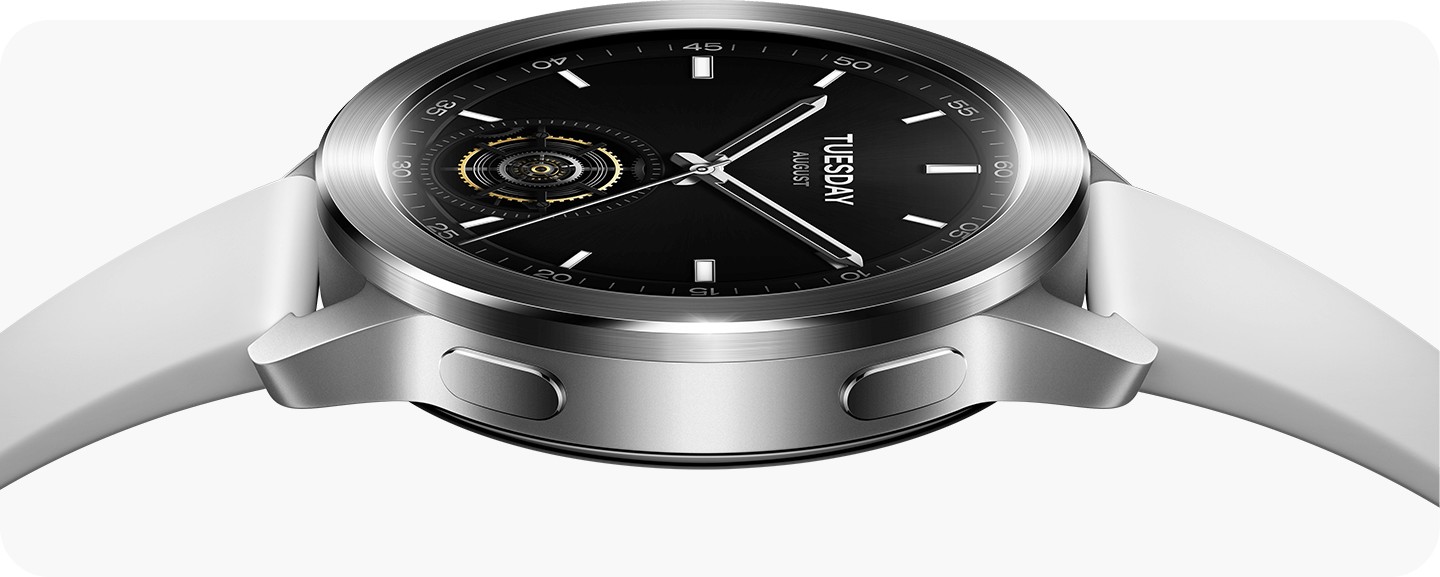
The case is 47 x 47 x 12 mm and weighs 44 g without the strap. Xiaomi lists an aluminium-alloy frame, a stainless-steel bezel and Corning glass over the screen, with a glossy, ceramic-like coating on the back cover that houses the sensors in concentric rings. The lugs have been redesigned to be smaller and slimmer, which, according to Xiaomi, reduces the bulk on the wrist. The strap is fluororubber and fits wrists of 140 to 210 mm.
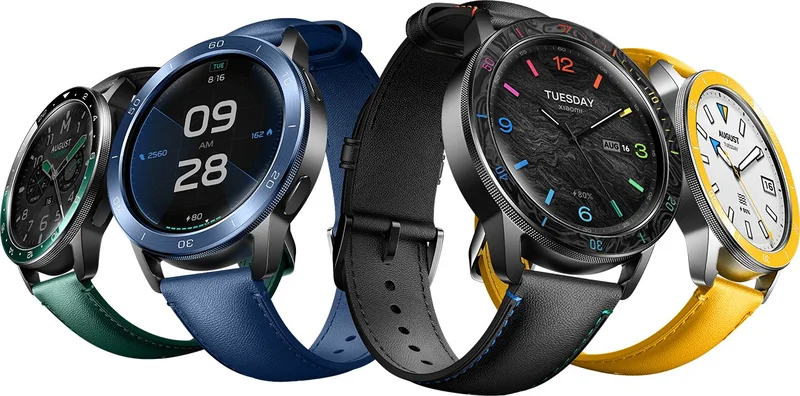
The bezel mechanism is the real talking point. When an accessory bezel is fitted, the watch recognises it and can switch to an exclusive watch face with matching sound effects; Xiaomi names finishes such as an ocean-blue steel bezel, a dual-tone ceramic, a chrome-yellow ceramic and a rainbow forged-carbon design, mostly paired with leather straps. Two cautions apply. First, these bezels and straps are retail accessories that must be bought separately, and Xiaomi notes that availability and colours vary by region. Second, the special watch faces triggered by a bezel are not available from the normal watch-face market. Xiaomi sells the unit in two main colours, black and silver.
The screen
The display is a 1.43-inch AMOLED panel with 466 x 466 pixels, which works out to 326 pixels per inch. Refresh rate is 60Hz, brightness is listed as 600 nits, and the watch has 256 levels of automatic brightness and 16.7 million colours. The bezel acts as a raised rim that protects the glass from scratches and knocks. Watch-face options are numerous, including a portrait face that cuts out the subject of a photo so that the clock digits sit behind it; that feature is only supported when the watch is paired with a phone running Xiaomi's HyperOS, according to the company. There is an always-on display option, and it noticeably cuts the battery estimate, as the numbers below show.
Battery life
Xiaomi's figures come from its own lab, using default settings and a fixed usage pattern. The spec page lists 15 days of typical use with an Android phone, 14.5 days with an iPhone, and 5 days with the always-on display switched on. It also claims that a five-minute charge buys up to two days of use. The battery capacity is 486 mAh, and charging is through a two-pin magnetic dock. Treat all of these as claims under controlled conditions: heavy use of calls, GPS and notifications will shorten them. Even so, a battery measured in weeks rather than days is the main reason people pick a watch like this over a Wear OS model: Xiaomi's own table gives up to 65 hours for the Watch 2 Pro in Bluetooth mode.
Fitness and health tracking
The Watch S3 has a dual-band L1 plus L5 satellite receiver with a separate GNSS chip and a wrap-around antenna, covering GPS, BeiDou, GLONASS, Galileo and QZSS. Xiaomi claims that the antenna improved reception by 100 percent compared with the earlier Watch S1 Pro, based on its internal testing. More than 150 sports modes are on offer, along with ten built-in running courses, automatic recognition of six movement types (running, walking, rowing machine, elliptical, cycling and jump rope), a vitality score and a ski mode that records runs and a track map.
For health, the watch uses a 12-channel heart-rate module, and Xiaomi quotes an average accuracy of 97.95 percent in its own lab tests across activities such as walking, running and cycling. All-day heart-rate, blood-oxygen and stress monitoring are included, as are breathing exercises, women's health tracking and a sleep algorithm that combines oxygen and breathing data. Safety features include an emergency call triggered by pressing the lower button three times, and fall detection that dials an emergency contact and, on Android, sends an SMS. Xiaomi stresses that the watch is not a medical device, that it may miss some falls or mistake an impact for one, and that the phone must stay connected by Bluetooth for emergency calls.
Calls, payments and compatibility
Bluetooth calling lets you answer or reject calls on the wrist, but it does not support voice calls from third-party apps. NFC payment works only at Mastercard terminals in supported regions. The watch works with phones running Android 8.0 or later and iOS 12.0 or later, and the companion app is Mi Fitness, with data sharing to services such as Strava and Suunto. Wrist-gesture controls can be assigned to actions such as rejecting a call or taking a photo.
Who should buy it
The Watch S3 suits people who want a stylish round watch that lasts more than a week, who enjoy changing the look with a bezel, and who are happy to live without third-party apps. If you want app installs and maps on the wrist, a Wear OS alternative such as the OnePlus Watch 2 is the better fit, at the price of a much shorter claimed battery life (up to 100 hours in its best mode), and the Galaxy Watch8 offers a deeper health suite in the Samsung ecosystem. Browse the rankings to see how it stacks up on battery life and display.
Compromises
- No third-party app store, and only a small set of built-in watch faces.
- Extra bezels and straps are separate purchases and not available in every region.
- NFC payments are limited to Mastercard terminals in certain regions.
- Battery claims are lab figures and shrink with the always-on display.
- Bluetooth calling covers normal phone calls only.
- Emergency and fall functions need the phone connected over Bluetooth.
In short, the Xiaomi Watch S3 is a well-judged compromise: a distinctive design, a bright AMOLED screen, accurate-looking tracking on paper and a long battery life, offered in exchange for a closed software platform.
Where it ranks
Compare Xiaomi Watch S3 with similar devices
More from Xiaomi
Frequently asked questions
When was the Xiaomi Watch S3 released?
The Xiaomi Watch S3 was released on 2024-02-26, according to the manufacturer’s published information.
What are the main specs of the Xiaomi Watch S3?
Headline figures for the Xiaomi Watch S3: Refresh rate: 60 Hz, Battery life: 15 days. The full specification table is further up this page.
Is the Xiaomi Watch S3 worth buying?
That depends on your priorities. Use the editorial review on this page for our view, check the rankings above to see where the device stands on battery, display and camera, and compare it directly with similar models before you decide.