Phones
TCL 60 SE
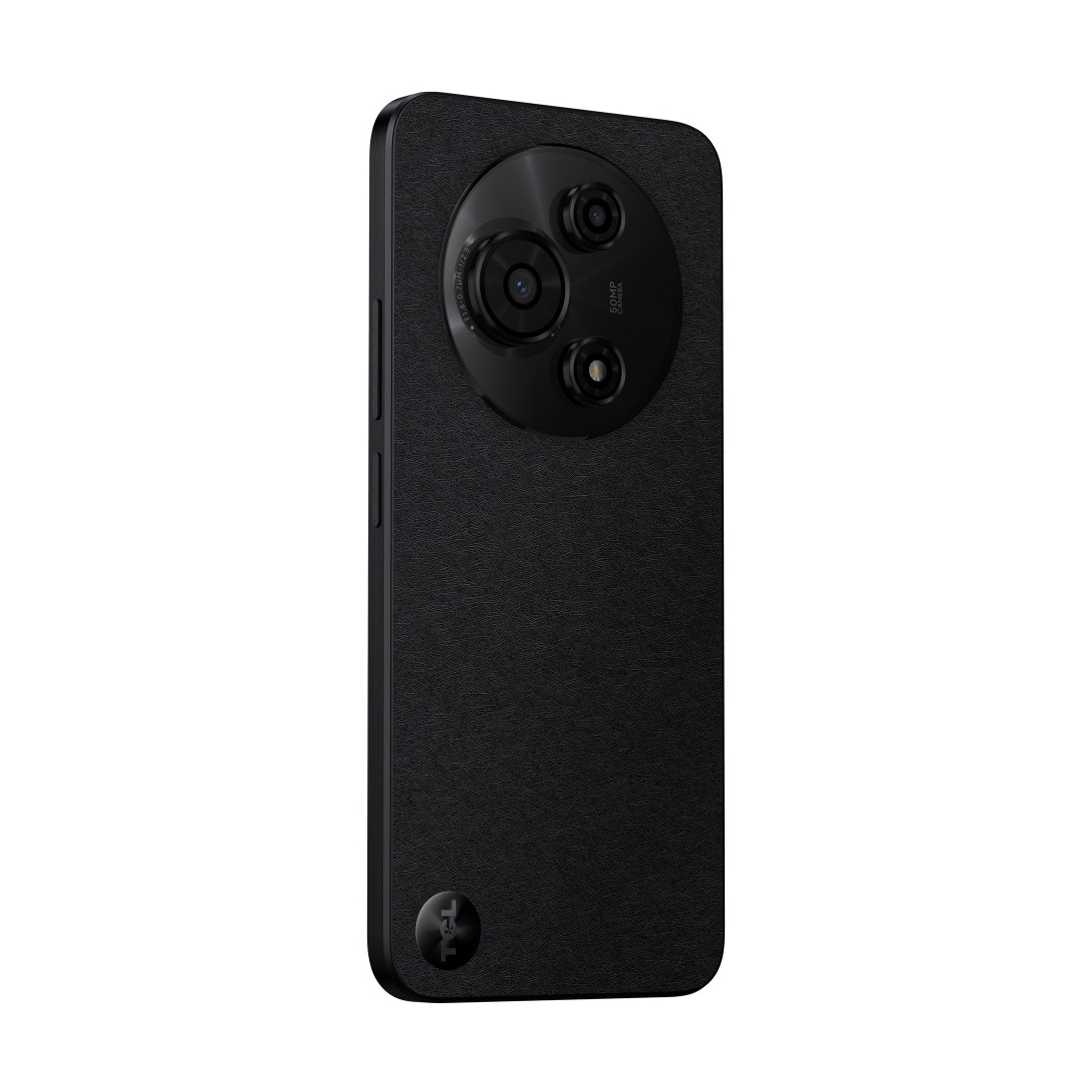
TCL 60 SE is a storage-first budget phone: 6.7-inch 90Hz screen, 512GB storage, a 5200 mAh battery with 18W charging and a security-update promise running to March 2031.
Key figures at a glance
Gallery
Specifications
- Display
- 6.7" HD+ (720x1600, 263 ppi), 90Hz, 480 nits typical
- Chipset
- MediaTek G81 (octa-core, 2x A75 up to 2.0GHz + 6x A55 up to 1.7GHz, Arm G52 MC2)
- RAM
- 8GB
- Extended RAM
- +10GB RAM expansion (uses storage)
- Storage
- 512GB, microSD up to 2TB
- Rear Camera
- 50MP main (1/2.51", f/1.8, PDAF)
- Front Camera
- 8MP
- Battery
- 5200 mAh, 18W wired
- OS
- Android 15, upgradable to Android 16 (per TCL)
- Security Updates
- Quarterly, until March 2031 (per TCL)
- Dimensions
- 165.6 x 76.2 x 8.34 mm, 190 g
- Durability
- IP54
- Connectivity
- 4G, Bluetooth 5.1, NFC, dual SIM + microSD, 3.5mm headphone jack
- Audio
- Dual speakers
- Colors
- Obsidian Black, Blizzard White
The TCL 60 SE is a plain, storage-heavy budget phone. It pairs a 6.7-inch HD+ screen at 90Hz with a MediaTek G81 chip, a 5200 mAh battery with 18W charging, a 50MP camera and an unusually large 512GB of internal memory. Where many rivals chase headline processors or fast charging, TCL has spent the specification budget on space, battery size and a long software-support promise. This review draws on the specification page and product information published by TCL, and it points out where the figures are manufacturer claims rather than independent measurements.
Place in TCL's line
TCL sells some phones with its paper-like NXTPAPER display technology. The 60 SE is not one of them: its page describes an ordinary display and never mentions NXTPAPER. If a low-reflection screen interests you, look at the TCL 60 XE NXTPAPER 5G or the more advanced TCL 50 Pro NXTPAPER, and use the comparison with the 50 Pro NXTPAPER to see what the extra money buys. The product page for the 60 SE gives no launch date or price, so the date stored for this phone is a placeholder and no price is quoted.
Body and build
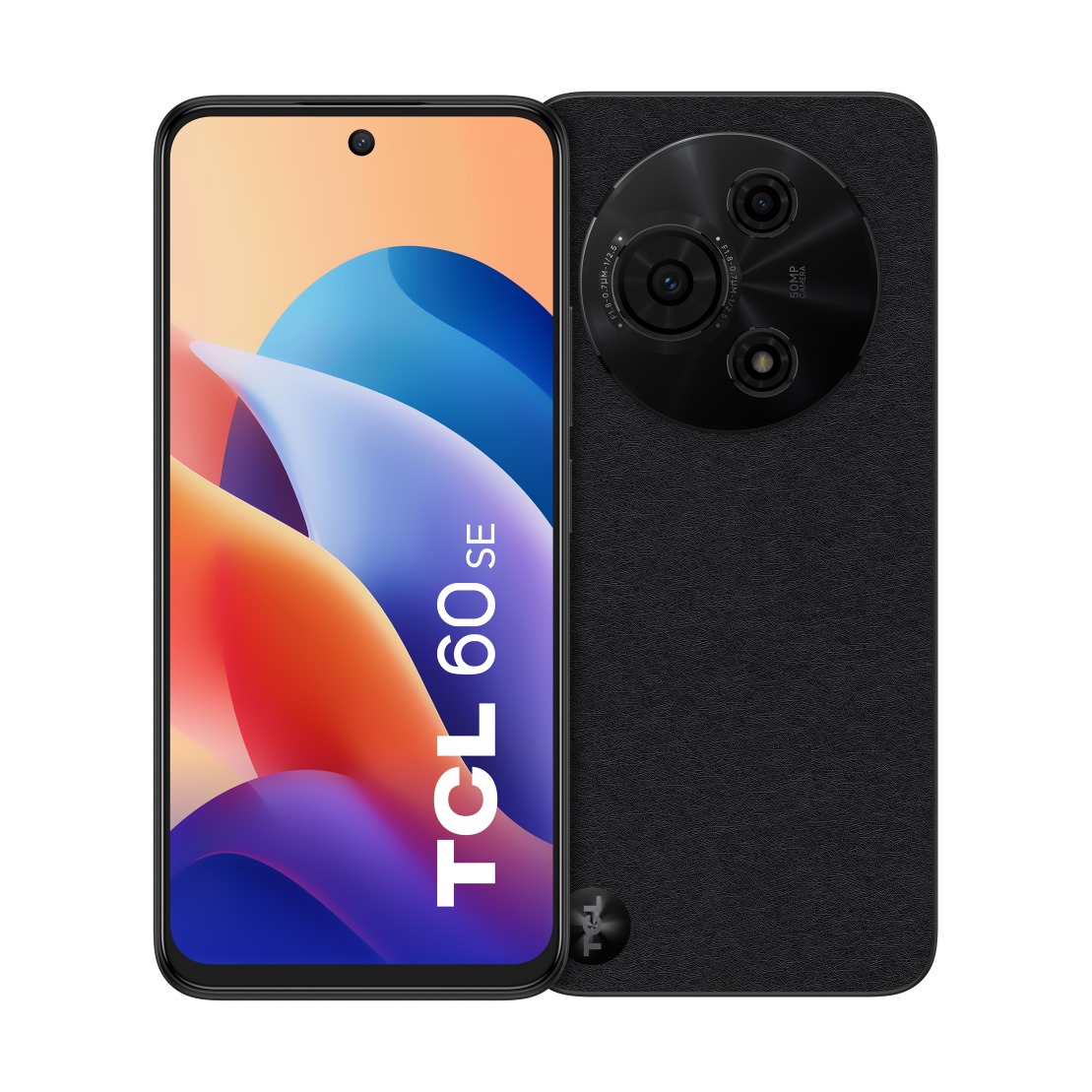
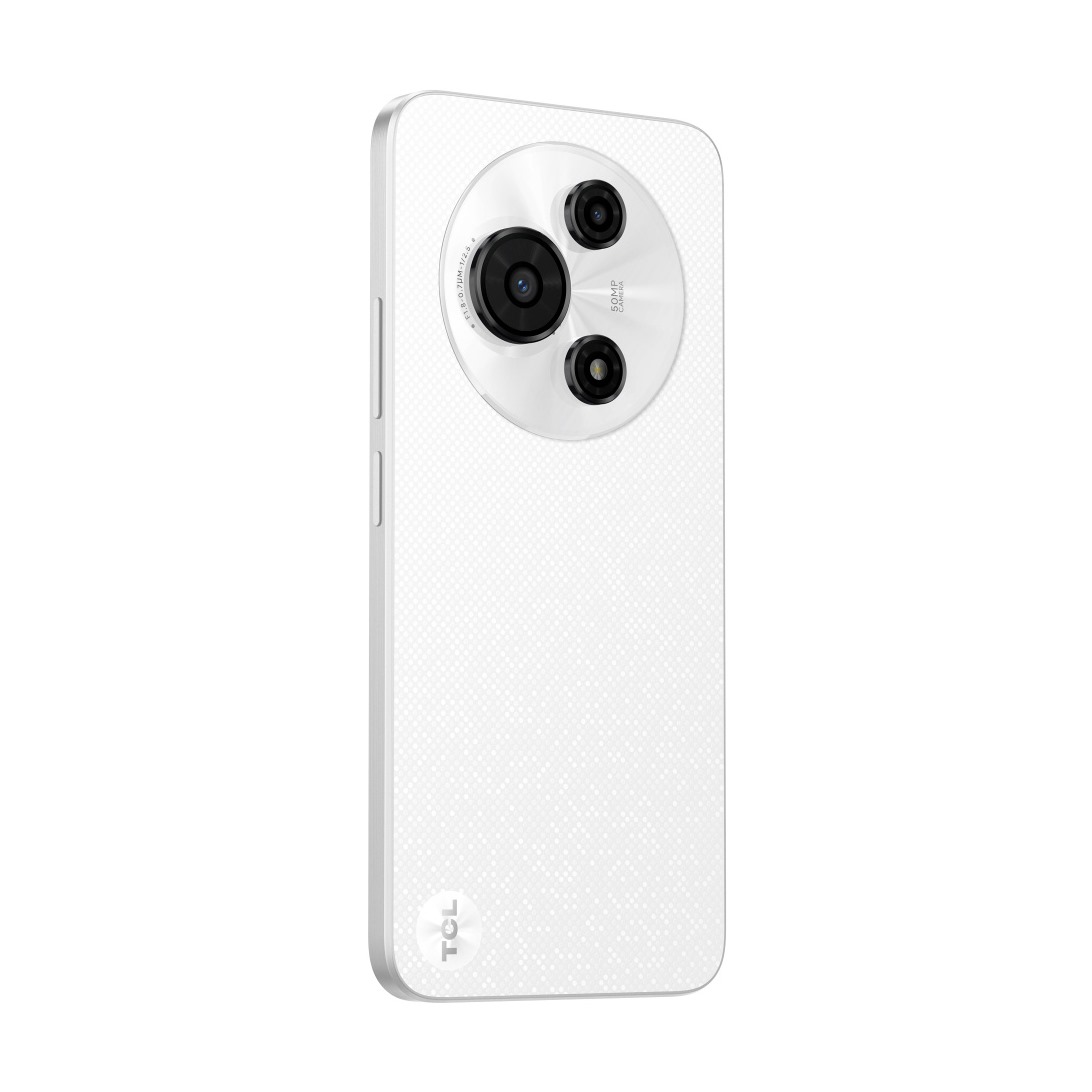
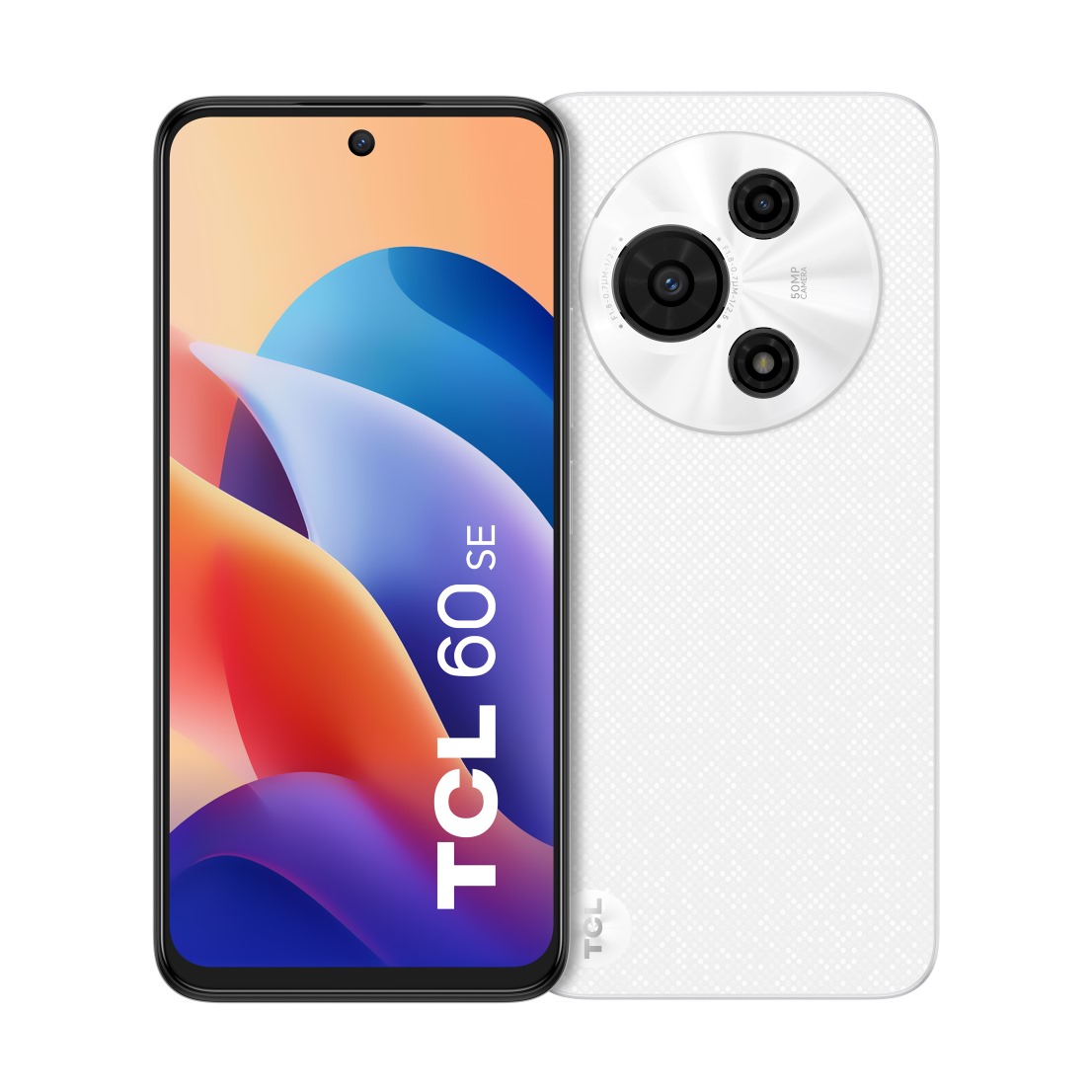
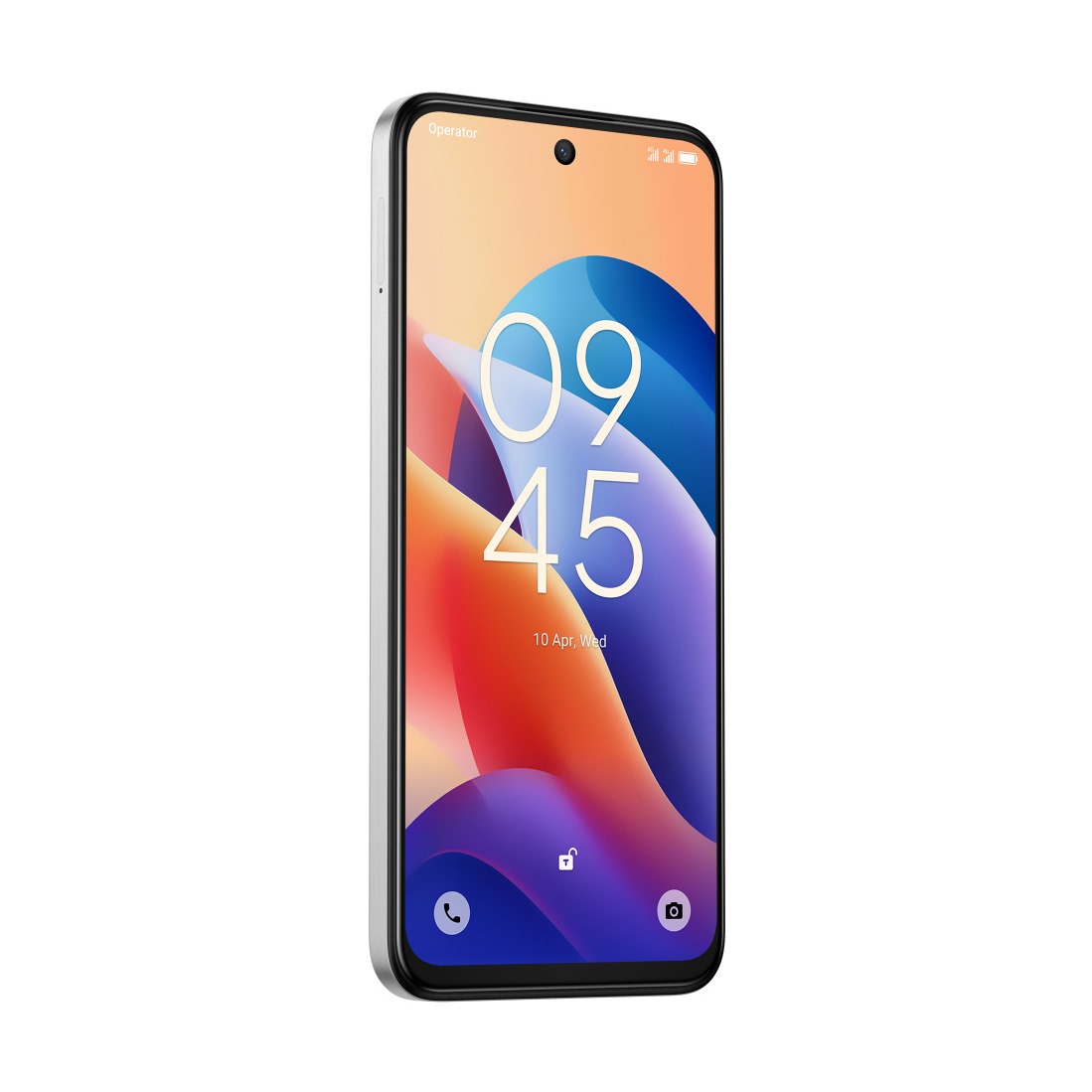
The phone measures 165.6 x 76.2 x 8.34 mm and weighs 190 g, which makes it fairly thick by current standards, a side effect of the large battery. Two colours are listed: Obsidian Black and Blizzard White. TCL's images show a textured back and a large round camera island with a glossy ring around the lenses. The front uses 2.5D glass with a punch-hole for the selfie camera.
Protection is limited to IP54, which TCL says it verified with a three-minute water-wash test. That rating covers dust ingress to a degree and splashes from any direction. It does not allow immersion, and TCL itself states that the device is not resistant to submersion and that protection can weaken over time. For a phone at this level, IP54 is a sensible rather than impressive claim.
Display
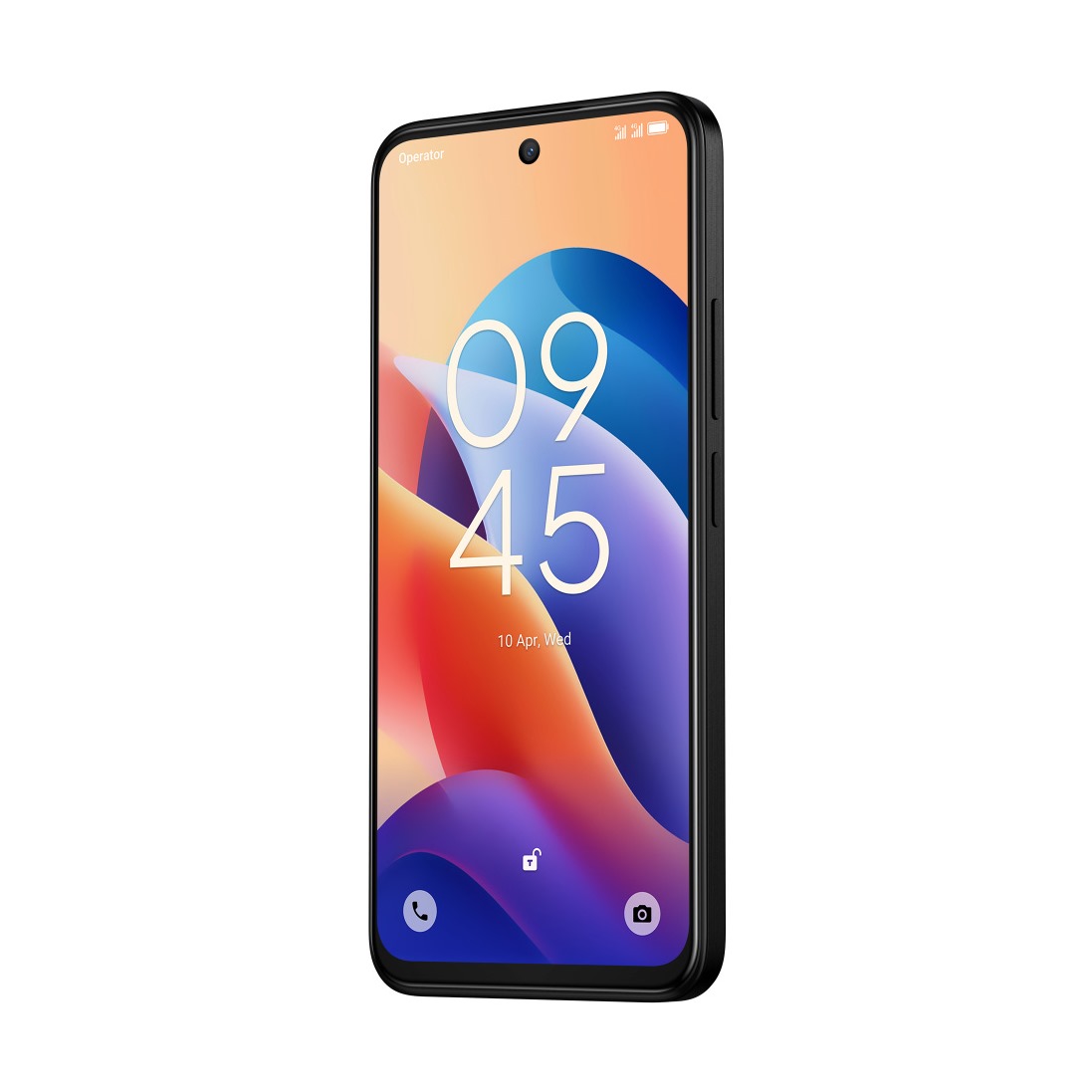
TCL does not name the panel technology. The 6.7-inch screen has an HD+ resolution of 720 x 1600 pixels, which works out to 263 pixels per inch. Refresh rate is 90Hz, typical brightness 480 nits and contrast 1500:1. The colour gamut figure is 69.3 percent NTSC, a modest number that suggests understated colours compared with an AMOLED screen. TCL claims a screen-to-body ratio of 91 percent on a measurement method it specifies and 87.5 percent on another, and the panel has an anti-fingerprint coating.
At 263 ppi, text is readable but not razor sharp, and outdoor visibility in direct sun will be limited by the 480-nit figure. The 90Hz refresh makes scrolling visibly smoother than a 60Hz screen, and the dual stereo speakers are a useful addition for video. A 3.5 mm headphone socket is also listed, which many modern phones have dropped.
Processor, memory and storage
TCL lists the chipset as MediaTek G81 and refers to it on the product page as Helio G81. It is an eight-core design with two Cortex-A75 cores at up to 2.0GHz, six Cortex-A55 cores at up to 1.7GHz and an Arm G52 MC2 graphics unit. This is an entry-level 4G chip: fine for messaging, browsing, video and light games, and not intended for demanding titles.
The memory configuration is the phone's calling card. There is 8GB of physical RAM, and TCL adds a 10GB RAM expansion feature that borrows storage, producing the 18GB figure used in the product title. That virtual part can help keep more apps alive in the background, yet it cannot match the speed of true RAM. The internal storage is 512GB, and a microSD card of up to 2TB can be added separately. TCL says the storage can hold more than 200,000 photos or around 290 movies in its estimate, which is useful mostly as a way of conveying scale.
Connectivity is modest. There is Bluetooth 5.1, NFC, dual SIM with a separate card slot, and 4G with VoLTE and VoWiFi depending on the carrier. The network list stops at LTE Category 4, so peak mobile speeds are limited to 150 Mbit/s down, and there is no 5G.
Software and update promise
The 60 SE ships with Android 15 and TCL states it can be upgraded to Android 16. The more interesting commitment is security: TCL says patches will continue until March 2031, delivered quarterly. Quarterly updates are slower than the monthly cadence of flagship phones, but a stated end date years away is rare among budget devices and is a genuine reason to consider the phone. Features include face unlock, a side-mounted fingerprint sensor and a gesture capture mode that lets you trigger the camera with a hand sign.
Camera
A single rear camera is listed: a 50MP main sensor with phase-detection autofocus, a 1/2.51-inch sensor, 0.7 micrometre pixels and an f/1.8 aperture. TCL says the Quad Bayer arrangement yields larger effective 1.4 micrometre pixels for low-light shots and that the same lens can switch to a macro mode for close-ups. There is no ultrawide or telephoto camera. The front camera is 8MP. Video is capped at 1080p at 30 frames per second.
The software offers HDR, AI scene detection across 22 scenes, panorama, a pro mode and face beautification. As with any entry-level camera, expect good results in daylight and softer detail at night, and do not expect smartphone-flagship zoom.
Battery and charging
The 5200 mAh battery is the main strength alongside storage. TCL cites power for up to two days in its own tests and a 16-hour figure in its daily-operation-use (DOU) rating. Charging is limited to 18W, and TCL says a full charge takes around 2.3 hours. Those numbers come from internal laboratory testing and real results depend on usage. There is no wireless charging, and the quoted charging time is slow by current standards, so this phone suits people who charge overnight.
Who it suits
The TCL 60 SE fits a buyer who stores a lot of photos, videos and downloaded media, who values a headphone jack and a long update window, and who accepts a low-resolution screen and a basic processor. A pupil, a first-time smartphone owner, or someone replacing an old handset on a tight budget would make sense as the target. If you want 5G, an AMOLED screen or a better camera, compare it against rivals such as the realme C71, or stretch to a model from the rankings table.
Compromises
- HD+ screen. 720 x 1600 at 6.7 inches looks softer than the 1080p screens common today.
- 4G only. No 5G modem is listed.
- Slow charging. 18W takes more than two hours for a full charge, according to TCL.
- Virtual RAM. Ten of the eighteen gigabytes are borrowed from storage.
- Basic cameras. One rear lens, 8MP selfie and 1080p video.
In short, the TCL 60 SE trades speed and sharpness for capacity, battery size and support length. Whether that suits you depends on how you use a phone, and on the price in your market, which is not stated here.
Where it ranks
Compare TCL 60 SE with similar devices
More from TCL
Frequently asked questions
When was the TCL 60 SE released?
The TCL 60 SE was released on 2025-03-01, according to the manufacturer’s published information.
What are the main specs of the TCL 60 SE?
Headline figures for the TCL 60 SE: Battery: 5,200 mAh, Refresh rate: 90 Hz, Main camera: 50 MP, RAM: 8 GB. The full specification table is further up this page.
Is the TCL 60 SE worth buying?
That depends on your priorities. Use the editorial review on this page for our view, check the rankings above to see where the device stands on battery, display and camera, and compare it directly with similar models before you decide.


