Phones
TCL 40 NXTPAPER
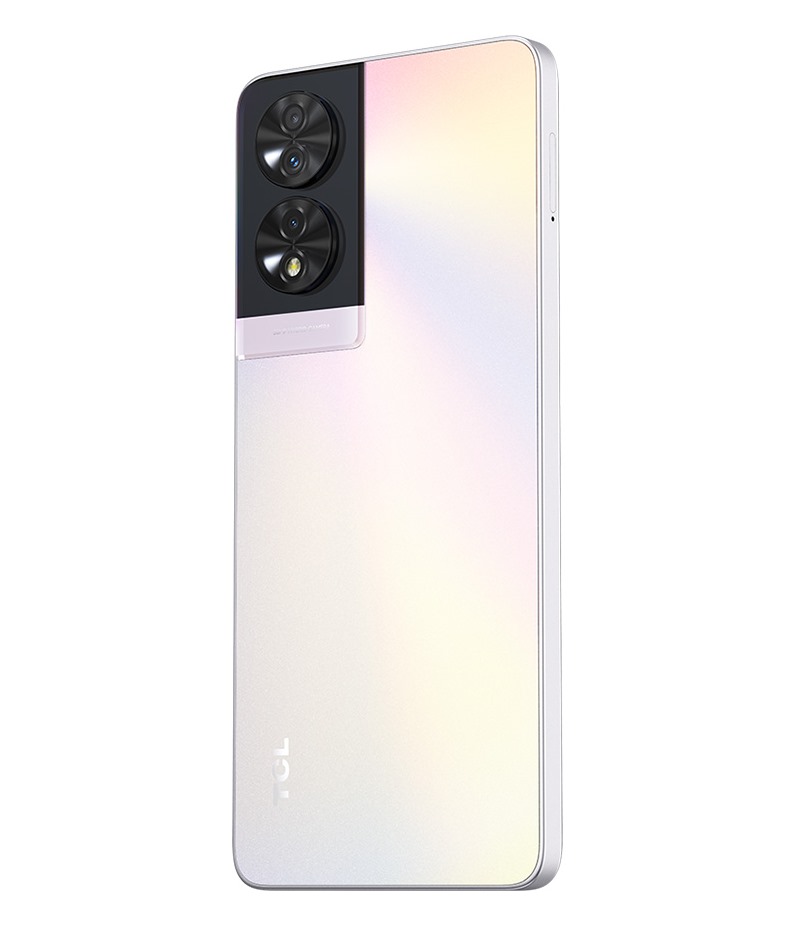
A 4G-only phone with a matte, anti-glare 6.78-inch 90Hz NXTPAPER display, a 5010 mAh battery and a 32MP selfie camera, built for long reading sessions.
Key figures at a glance
Gallery
Specifications
- Display
- 6.78" FHD+ NXTPAPER (1080 x 2460, 369 PPI), 90Hz, matte anti-glare, 450 nits (typ.)
- Chipset
- MediaTek Helio G88 (MT6769)
- RAM
- 8GB
- Extended RAM
- +8GB RAM expansion (16GB total, uses storage)
- Storage
- 256GB, microSD up to 2TB (sold separately)
- Rear Camera
- 50MP main + 5MP ultra-wide + 2MP macro
- Front Camera
- 32MP
- Battery
- 5010 mAh, 33W wired
- OS
- Android 13, TCL UI 5.0
- Connectivity
- 4G LTE, NFC, Wi-Fi 802.11ac, Bluetooth 5.1, 3.5mm audio jack
- Security
- Side-mounted fingerprint sensor, Face Unlock
- Audio
- Dual speakers, DTS sound
- Dimensions
- 168.16 x 75.53 x 7.89 mm, 195 g
- Colors
- Midnight Blue, Opalescent
The TCL 40 NXTPAPER is a 4G-only Android phone built around one idea: a screen that tries to feel less like a glowing glass slab and more like printed paper. Instead of chasing the fastest chip or the biggest camera sensor, TCL spent the engineering effort on a matte, anti-glare 6.78-inch panel with a hardware approach to blue-light reduction, then wrapped it in a mid-range platform that covers messaging, browsing, video and reading. This review is based on the published specifications and manufacturer information, and it tries to separate what is documented from what is marketing language.
Where it sits in the TCL lineup
TCL uses the NXTPAPER name for a family of devices that share the paper-like display treatment, and the 40 NXTPAPER is the member of the 40 series with the larger, higher-resolution screen and the 32MP selfie camera. According to TCL's global product page, the phone collected an IFA 2023 "Best in Show" mention, a 2023 Good Design Award and a 2024 CES Innovation Award entry (TCL footnotes that the CES awards are based on descriptive materials and were not independently verified by the organiser). It is the 4G sibling of the TCL 40 NXTPAPER 5G, which adds a 5G modem but uses a smaller 6.6-inch HD+ panel and a lower-resolution front camera. Later generations such as the TCL 50 NXTPAPER 5G moved to a 120Hz panel and 5G, which makes the 40 NXTPAPER an earlier, 4G-only take on the concept.
Design and the paper-like display
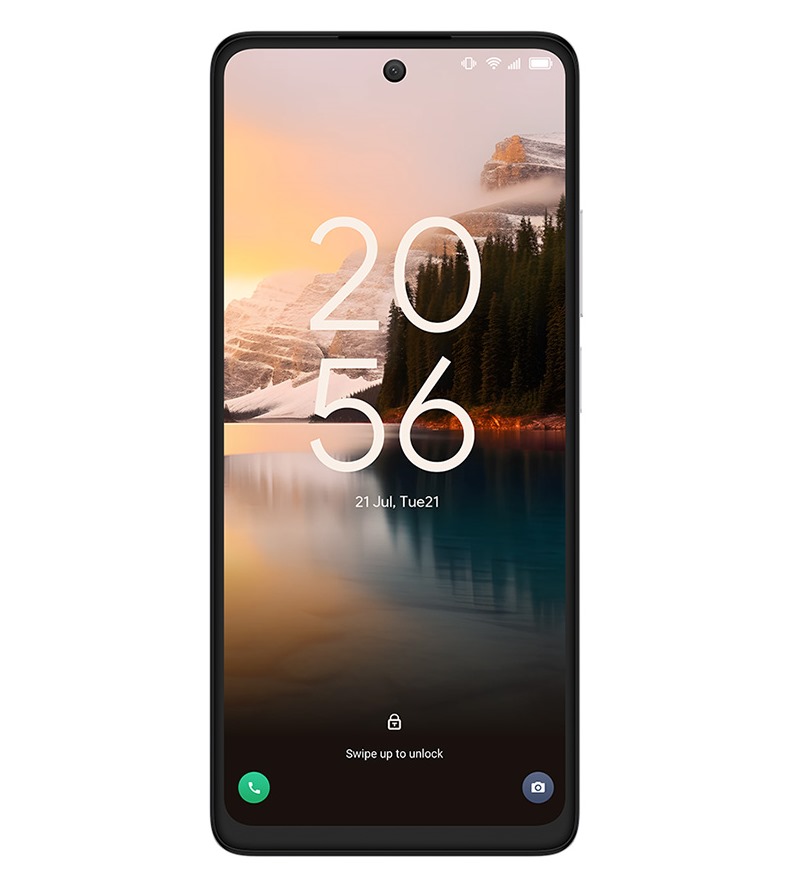
The display is the reason this phone exists. TCL lists a 6.78-inch panel with FHD+ resolution (1080 x 2460 pixels, 369 PPI), a 20.5:9 aspect ratio, a 90Hz refresh rate, a typical brightness of 450 nits, a typical contrast ratio of 1500:1 and 96% NTSC colour gamut (typical). The screen-to-body ratio is given as 91%, measured with the VA/TP method, so treat it as a manufacturer figure rather than an independent measurement.
What separates it from an ordinary LCD phone is the surface and the layering. TCL describes an anti-fingermark matte finish that is meant to give a paper-like feel under the finger, a hardware-level approach to reducing harmful blue light without the yellow cast that software night filters introduce, and an anti-glare treatment the company says is certified for reflection-free viewing. A matte surface does have a trade-off that a spec sheet does not capture: it diffuses reflections but can also soften very fine detail and slightly reduce perceived contrast, which is why the 450-nit typical figure matters more here than it would on a glossy screen. The phone also detects ambient light and adjusts colour temperature automatically, and a "soft light" mode dims the panel for bedtime reading.
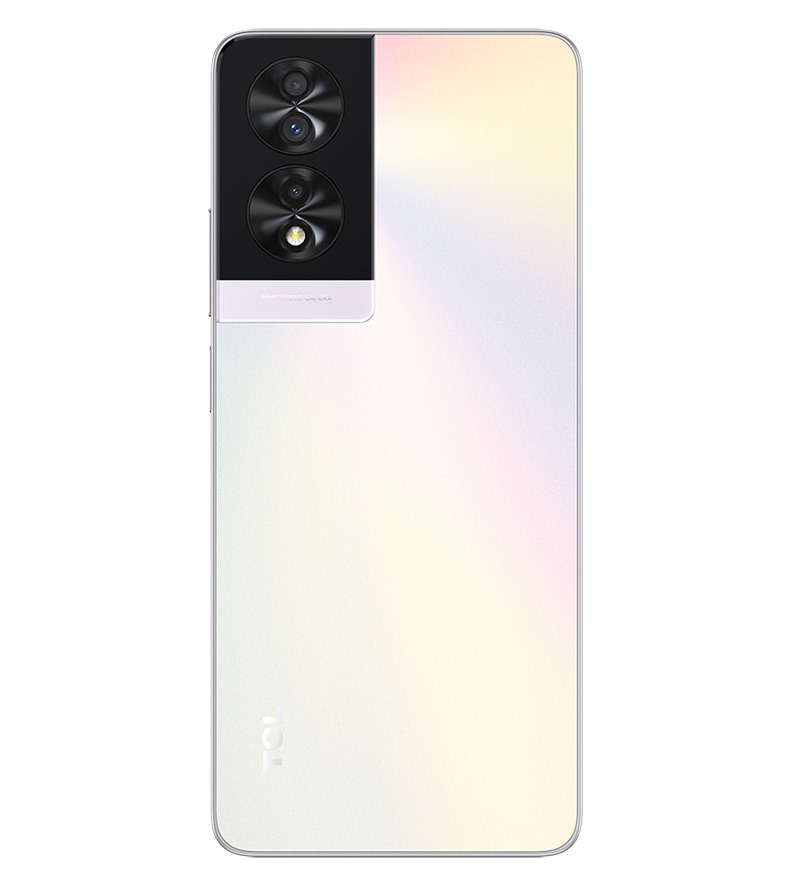
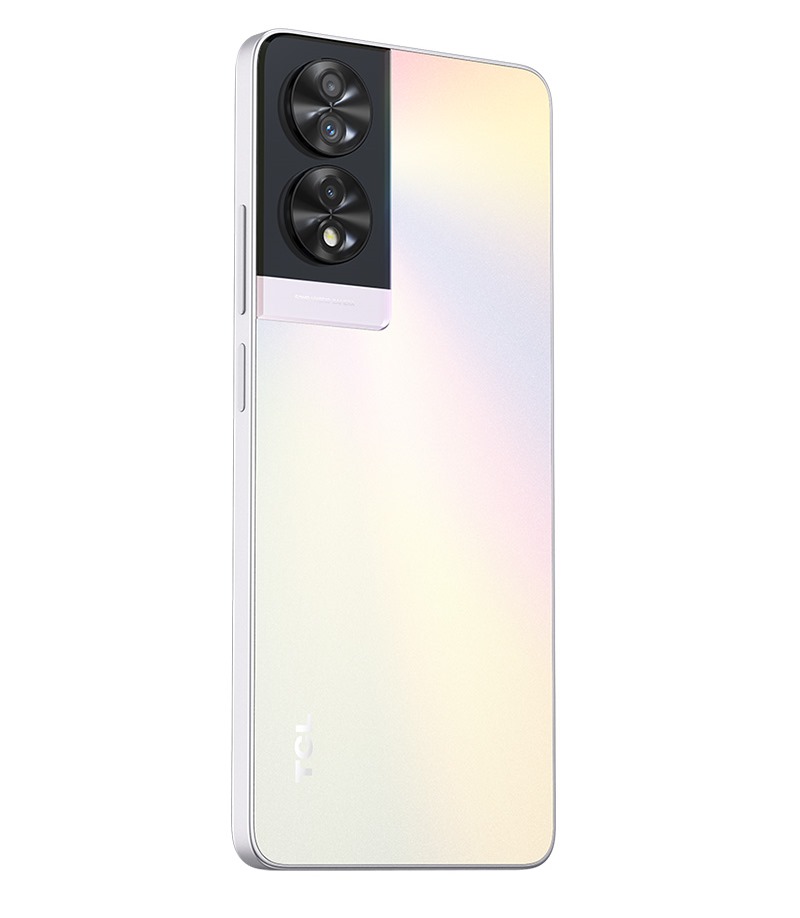
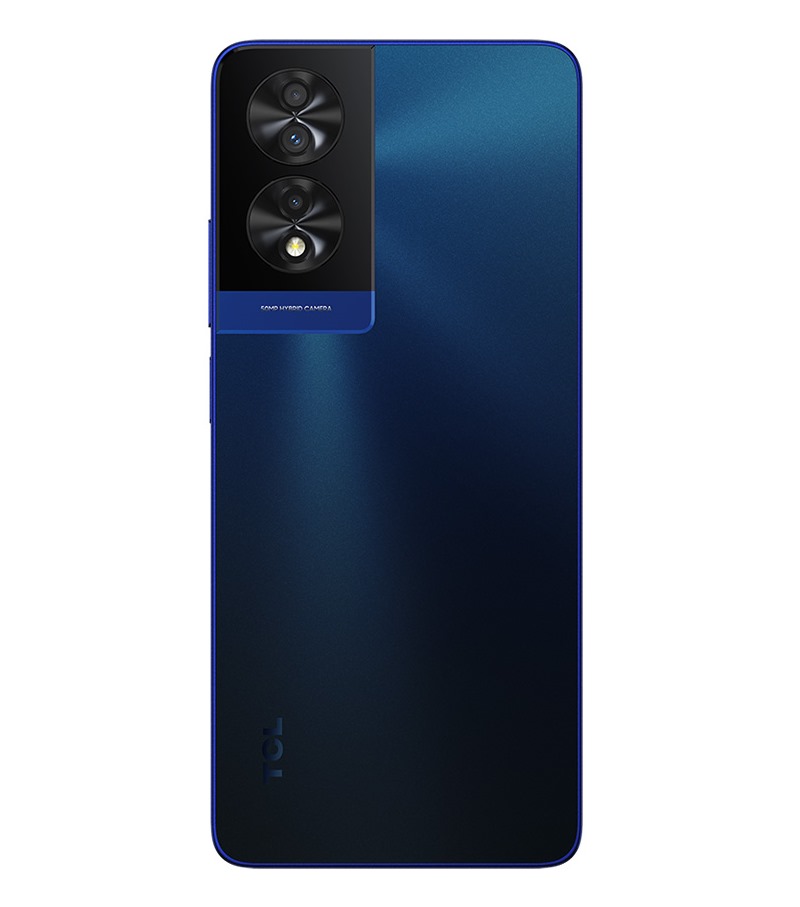
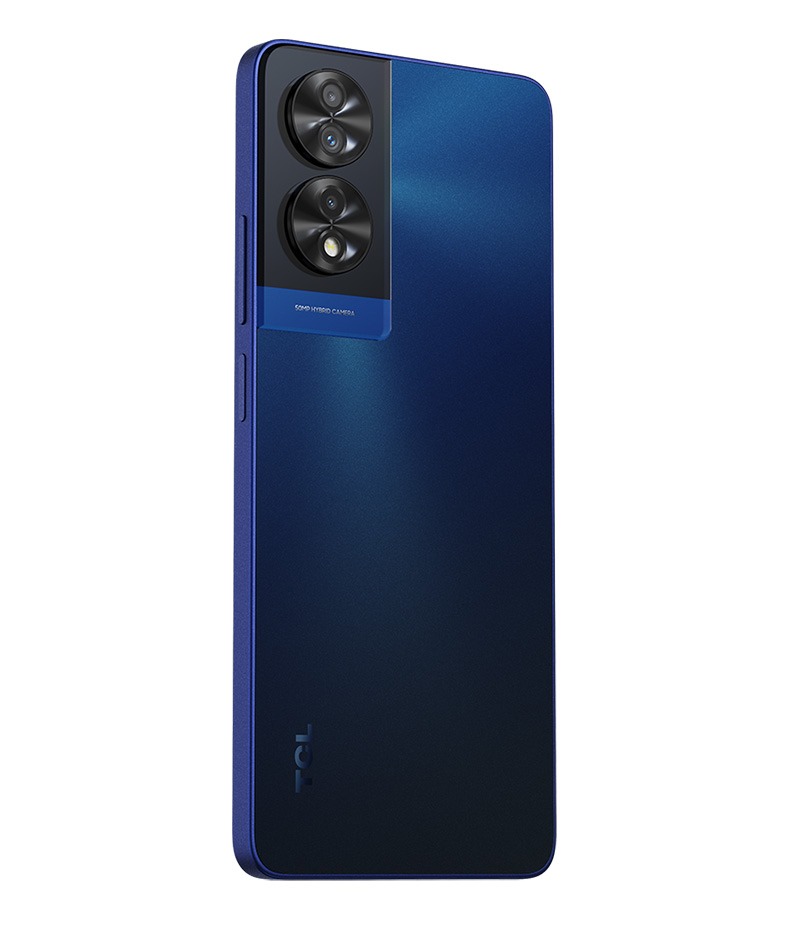
A dedicated NXTPAPER interface layer sits on top of the display hardware. TCL describes dedicated UI modes aimed at comfortable reading, outdoor use and low-light use, wrapped in a nature-themed look. Physically, the phone measures 168.16 x 75.53 x 7.89 mm and weighs 195 g. TCL says the back is fibreglass with rounded, pebble-like corners and offers two finishes, Midnight Blue and an Opalescent option that shifts between blue and yellow hues. Controls are simple: a power key that doubles as the side-mounted fingerprint sensor, and a volume rocker. Face unlock is also listed.
Performance and software
The processor is a MediaTek Helio G88 (MT6769), an octa-core design with two Cortex-A75 cores at 2.0 GHz and six Cortex-A55 cores at 1.8 GHz, paired with a Mali-G52 MC2 graphics unit. That is a well-understood entry-to-mid platform: comfortable for chat apps, maps, streaming and light casual gaming, but not a chip aimed at demanding 3D titles at high settings. TCL advertises NXTURBO, a visual-processing feature that it says can raise image rendering by up to 30%, which it positions as helpful for games, social feeds and video channels. As with any such claim, the figure comes from the manufacturer and depends on the workload.
Memory is 8GB of physical RAM plus an "8GB + 8GB RAM Expansion" feature. TCL's footnote is explicit that the expansion temporarily converts part of the phone's read-only storage into virtual RAM, giving a headline of 16GB. It is better read as 8GB of real memory with an optional swap-like extension. Storage is 256GB, of which TCL says around 227GB is typically available after pre-installed software, and a microSD card (sold separately, up to 2TB) can be added. The phone ships with Android 13 and TCL UI 5.0. TCL's page states a security-update commitment until December 2025 on a quarterly schedule, and names Android 14 as the future version update. Anyone buying the phone today should check how much of that window remains.
Cameras
The rear setup is led by a 50MP main camera with phase-detection autofocus, a 1/2.76-inch sensor with 0.64 micrometre pixels, an f/1.8 aperture and a 74.2-degree field of view. It is joined by a 5MP ultra-wide camera (f/2.2, 114.9-degree field of view) and a 2MP camera used for macro shots (f/2.4). The ultra-wide is the useful companion for group photos and landscapes; the 2MP unit is the sort of sensor that adds a feature on the spec sheet more than it adds image quality.
The front camera is a 32MP unit (f/2.0, 71.5-degree field of view), which is generous for this class and is one of the figures TCL highlights in its headline specifications. Software features listed include a night mode, a high-pixel mode, bokeh, HDR, panorama, AI scene detection, face detection and beautification, plus "One Shot" and "Steady Snap". Video capture is listed at 1080p and 30 frames per second, with no 4K recording, so video is clearly a secondary use case. As with any phone in this tier, the real-world quality of the 50MP output depends on processing, and the published data cannot settle how it behaves in low light.
Battery and charging
The battery is rated at 5010 mAh (typical), charged over USB-C with 33W fast charging. TCL states that a 50% charge takes 30 minutes and that a full charge takes about 100 minutes, with the footnote that the numbers come from internal lab tests and that real battery life depends on usage, network strength and apps. The in-box charger depends on the country. A 90Hz panel (rather than 120Hz), a modest chipset and no 5G modem is a combination that generally favours endurance, so the battery-to-performance balance looks sensible on paper, though TCL does not publish a screen-on-time figure.
Connectivity and extras
This is a 4G phone: LTE Cat 4 (150 Mbit/s down, 75 Mbit/s up) with VoLTE and VoWiFi, a long list of 4G bands, Wi-Fi 802.11 a/b/g/n/ac on 2.4 and 5 GHz, Bluetooth 5.1, NFC and a 3.5 mm audio jack. The SIM arrangement is two nano-SIM slots plus a dedicated TF card slot, although TCL notes that single or dual-SIM layouts vary by region. Audio comes from two speakers tuned with DTS, and TCL claims a "Sound Booster" mode that reaches 200% loudness. A T-pen stylus and a protective case that holds it are listed as optional accessories, with availability depending on the country, which turns the phone into a light drawing and note-taking device for those who want it.
Who it is for
The TCL 40 NXTPAPER suits people who spend long hours reading on a phone, who use it outdoors in bright light, or who are sensitive to the harshness of a standard glossy display. It also makes sense for buyers who value a headphone jack, expandable storage and a large front camera more than raw benchmark speed. Students, commuters and anyone reading e-books, web articles or comics will notice the screen treatment more than any spec-sheet item.
Compromises to weigh
- No 5G. Anyone who needs 5G should look at the TCL 40 NXTPAPER 5G or newer models.
- Entry-level processor. The Helio G88 handles everyday tasks but will not match recent mid-range chips in demanding games.
- Video tops out at 1080p/30. Social video is fine, but this is not a video-first phone.
- A matte finish is not a free lunch. Reflections drop, but so does the punchy, glossy look of a conventional screen, and the 450-nit typical brightness is moderate.
- Virtual RAM is not real RAM. Treat the 16GB headline as 8GB plus an optional extension.
- Update window. The stated security support runs to December 2025, so check what remains if you are buying later.
To see how it stacks up against the next generation, compare it with the TCL 50 NXTPAPER 5G, or browse the phone rankings for where its published specifications land across the wider market.
Where it ranks
Compare TCL 40 NXTPAPER with similar devices
More from TCL
Frequently asked questions
When was the TCL 40 NXTPAPER released?
The manufacturer’s release date for the TCL 40 NXTPAPER is not stated in the information we have.
What are the main specs of the TCL 40 NXTPAPER?
Headline figures for the TCL 40 NXTPAPER: Battery: 5,010 mAh, Refresh rate: 90 Hz, Main camera: 50 MP, RAM: 8 GB. The full specification table is further up this page.
Is the TCL 40 NXTPAPER worth buying?
That depends on your priorities. Use the editorial review on this page for our view, check the rankings above to see where the device stands on battery, display and camera, and compare it directly with similar models before you decide.


