Smartwatches
Polar Loop
Polar's screen-free band tracks heart rate, activity, sleep and recovery around the clock with up to 8 days of battery and no subscription, and shows everything in the Polar Flow app.
Key figures at a glance
Gallery
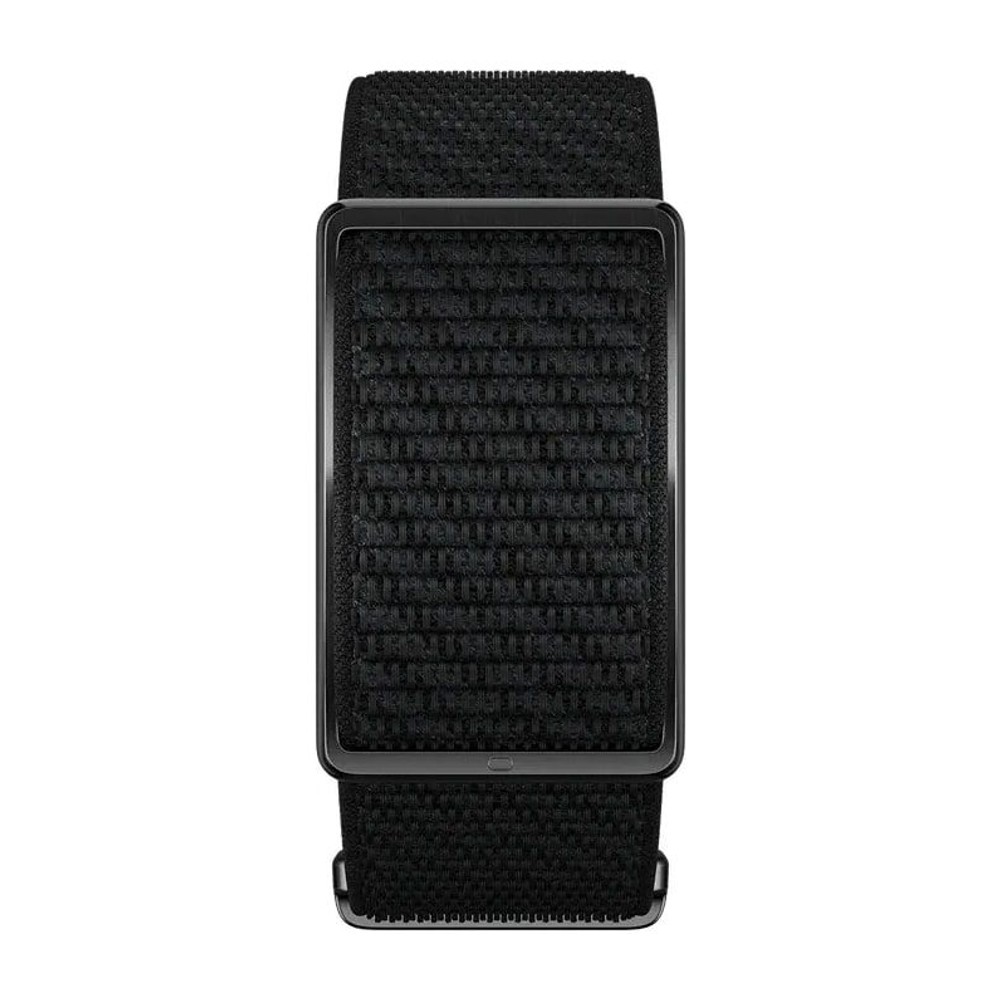
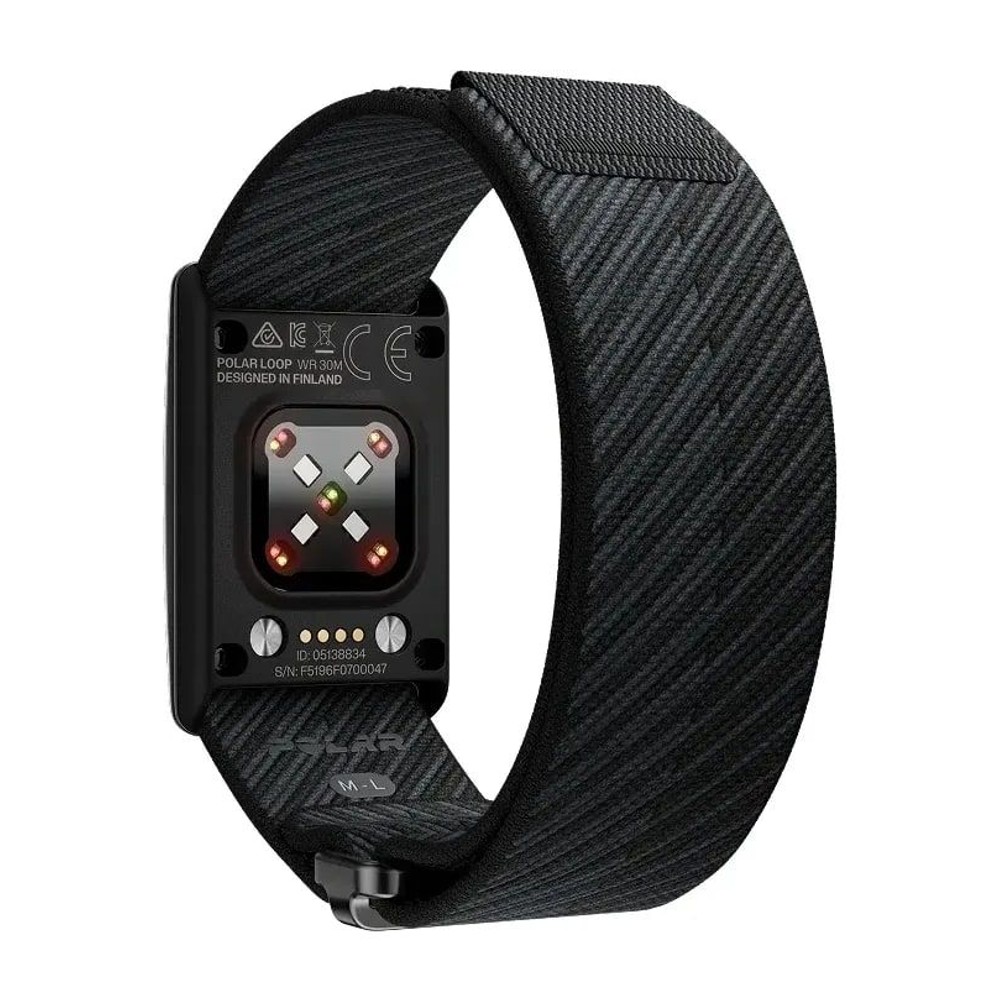
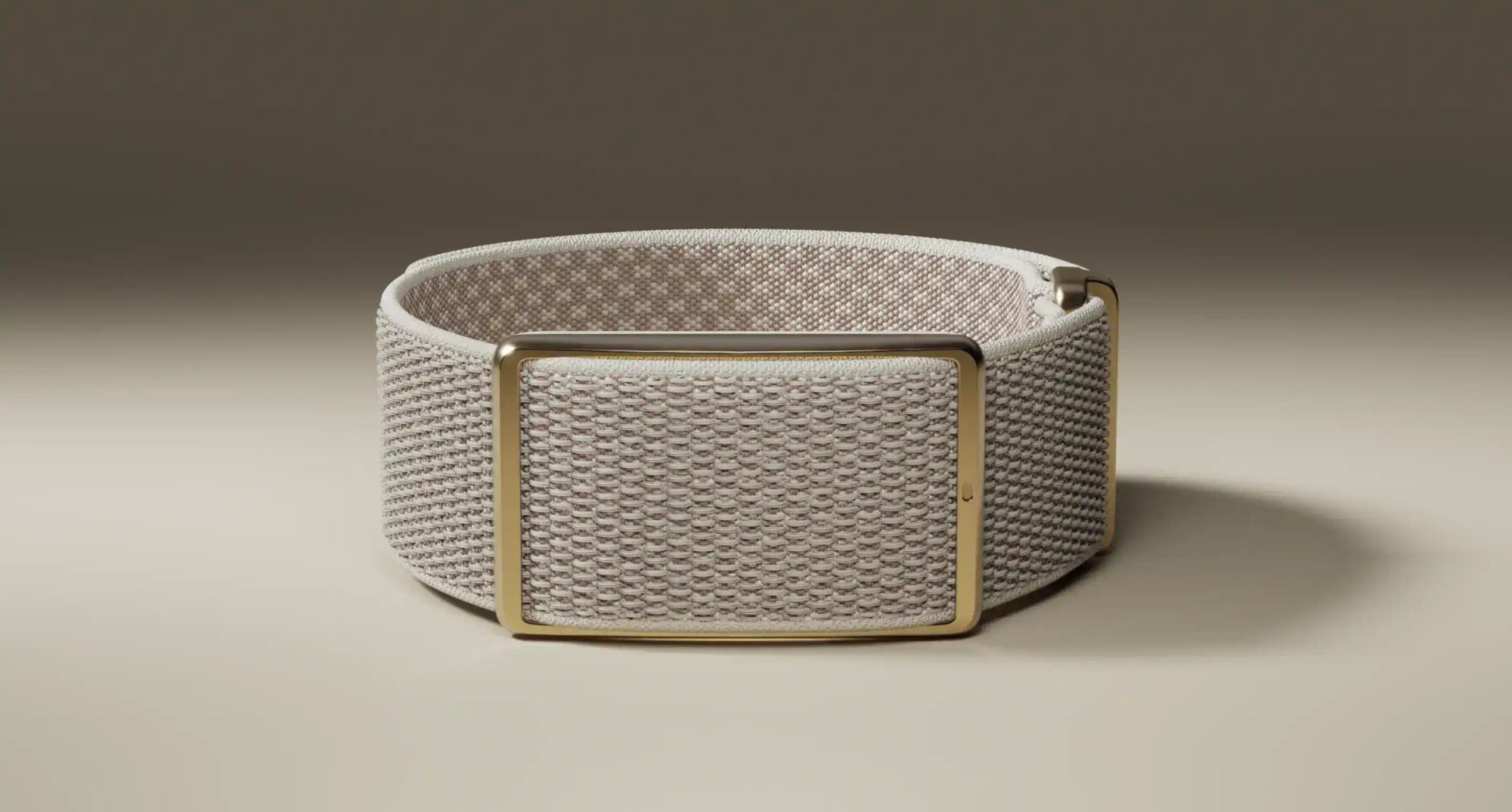
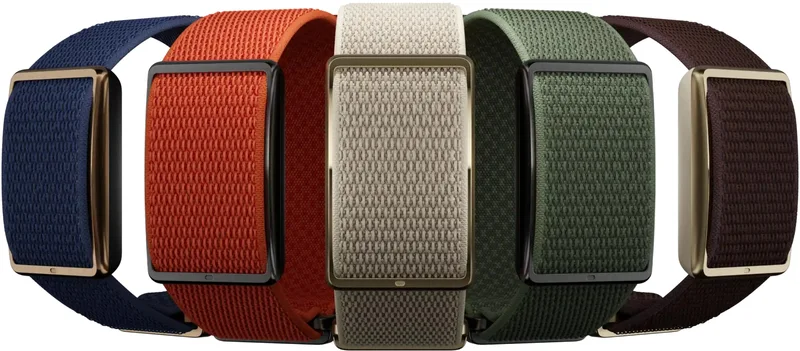
Specifications
- Display
- None - screen-free band with no buttons; data is shown in the Polar Flow app
- Body
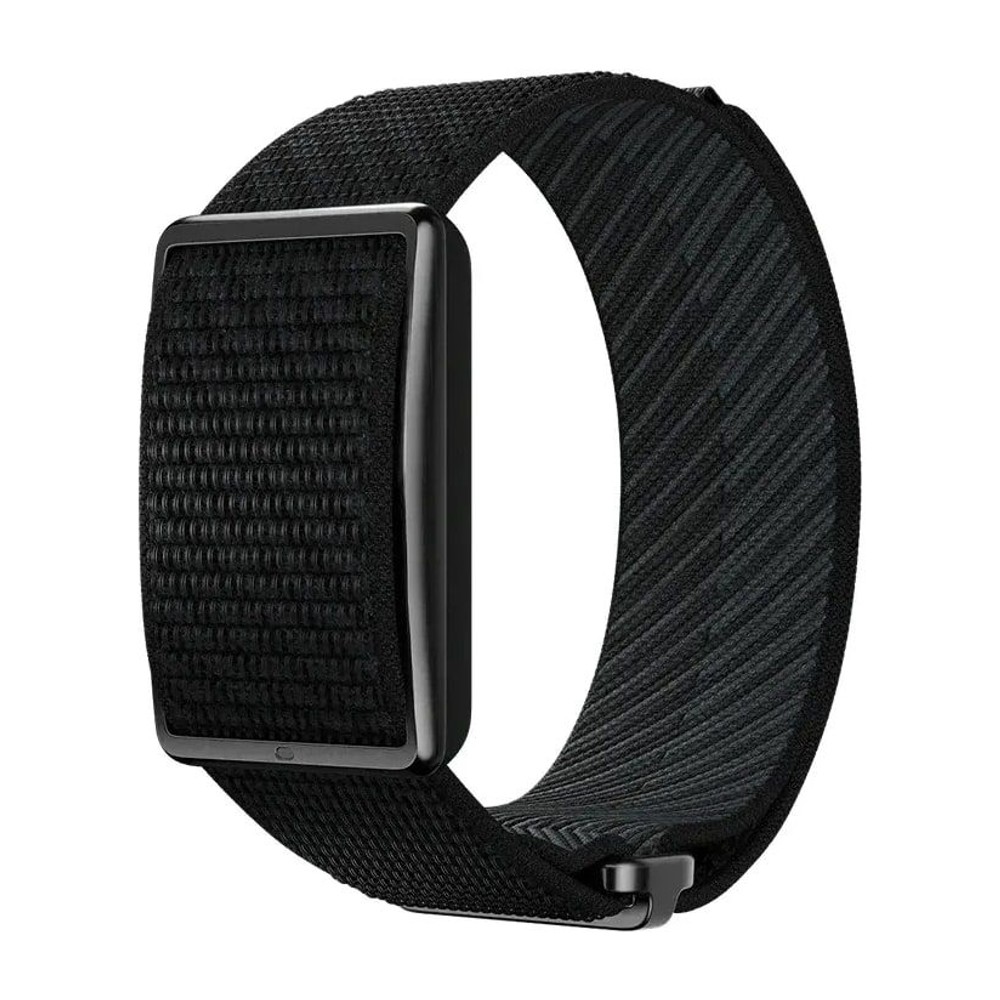
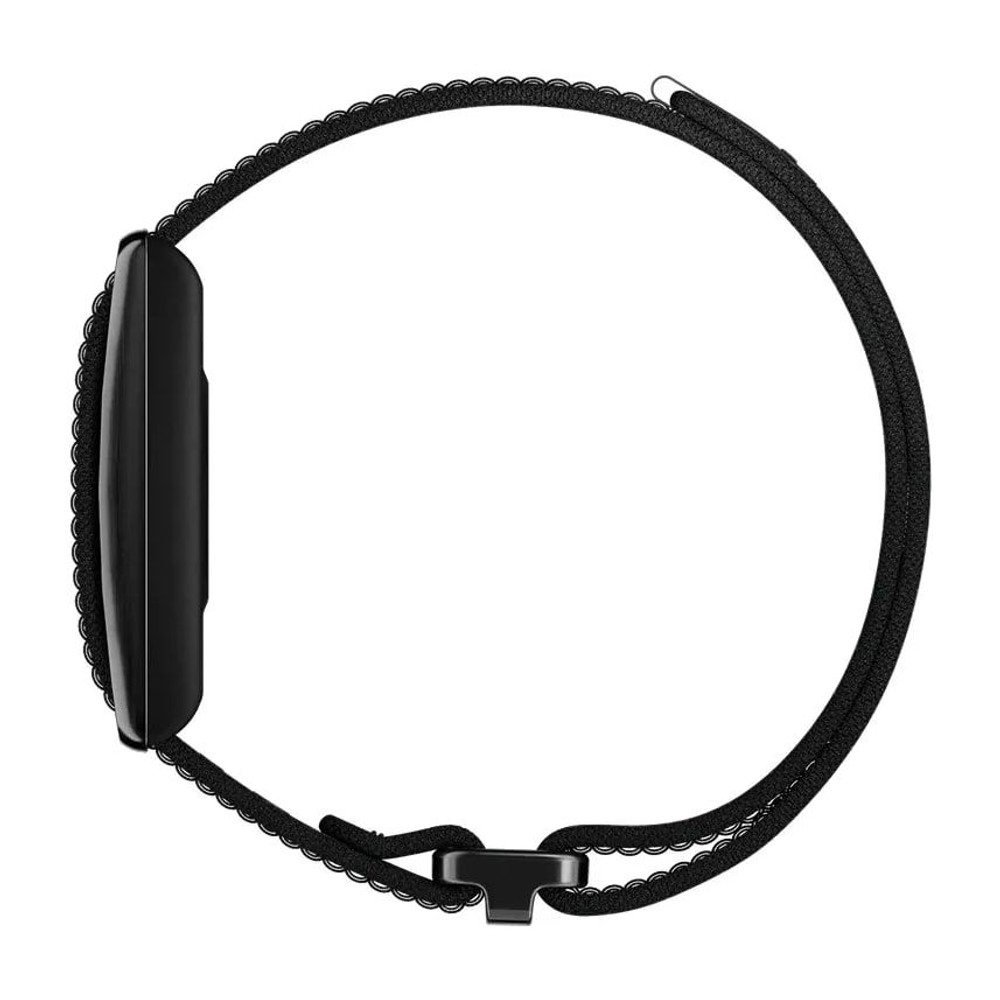
- Stainless steel sensor unit, 42 x 27 x 9 mm; 29 g with band (19.5 g without band); SoftWeave band in S/M and M/L sizes; WR30 water resistance
- Battery
- Up to 8 days, 170 mAh Li-Pol, USB-C charging cable
- Sensors
- Polar Precision Prime optical heart-rate sensor (OHR Gen 3.5), accelerometer; no skin temperature sensing
- Tracking
- 24/7 heart rate, activity, sleep and recovery tracking; Nightly Recharge, SleepWise, Sleep Plus Stages, Training Load Pro, automatic training detection
- Memory
- 4 weeks of data on the band (16 MB storage)
- Connectivity
- Bluetooth Low Energy (one connection, reserved for Polar Flow); no built-in GPS (uses phone GPS in Polar Flow)
- Software
- Polar Flow app (free, no subscription); one-time purchase
- Colors
- Greige Sand, Night Black, Brown Copper; extra bands USD 29.90
The Polar Loop is a screen-free activity and recovery band from the Finnish company Polar. It was announced on 3 September 2025, opened for pre-order on Polar.com that day and went on sale through all channels on 10 September 2025. Unlike a smartwatch, it has no display and no buttons: it sits quietly on the wrist, records heart rate, activity, sleep and recovery around the clock, and shows everything in the Polar Flow app. It is also sold as a one-off purchase with no subscription. This page is based on the published specifications and manufacturer information, and it explains what the band does, how it differs from a watch and who may prefer it.
Where it sits in the lineup
Polar's range has long been built around sports watches such as the Polar Street X, which has a bright AMOLED screen, GPS and an urban-sport focus. The Loop is a different kind of product. Polar says it was designed in Finland by the team behind the Grit X2 and Vantage V3 watches, and that it uses an enhanced Polar Precision Prime optical sensor platform. The company positions it as a cost- and weight-efficient way to carry the same heart-rate algorithms as its larger watches, without a screen to distract or a battery that needs daily attention. Polar's US price is 199.90 dollars, with 179.90 euros and 149.50 pounds in other markets. A band that is meant to be worn day and night is a straightforward alternative for people who find a watch intrusive or who want a tracker that does not buzz and glow every few minutes.
Design and materials
The sensor unit is a small stainless steel pod, 42 mm high, 27 mm wide and 9 mm thick, and Polar lists a weight of 29 grams including the supplied wristband, or 19.5 grams for the sensor unit alone. The standard SoftWeave band is a soft woven fabric that Polar presents as skin-friendly, and it comes in three colours: Greige Sand, Night Black and Brown Copper. Additional wristbands cost 29.90 dollars and are sold separately; Polar's accessory range includes a magnetic silicone band, a leather band and a sport armband, so the look can be changed to suit work, training or evenings out. The bands come in several size ranges covering wrists from about 135 mm to 230 mm in circumference, so buyers should check the size chart before ordering.
The lack of a screen and buttons is the central design decision. It removes the notifications, the glare at night and many of the small interactions that make a smartwatch feel demanding, and it also removes any way to check the time, a heart rate or a step count without a phone. Polar rates the band at WR30 for water resistance, which means it can be worn while washing hands, showering or swimming in shallow conditions, and the operating temperature range is minus 20 to 50 degrees Celsius.
Tracking and sensors
The optical sensor measures heart rate on the wrist, and the band uses an accelerometer to follow movement. It tracks steps and active periods through the day, sleep quality and duration, recovery and training load. Polar lists a range of features on the product page, including continuous heart rate, a daily activity goal and inactivity alerts, Smart Calories, Training Load Pro, a fitness test and Nightly Recharge for recovery. It also offers the Sleep Plus Stages sleep-phase analysis and SleepWise guidance on alertness. Automatic training detection starts recording an exercise session without a button press, and sessions can also be started manually from the Polar Flow app, which adds route recording, voice guidance and training targets.
There are some clear limits. The Loop has no built-in GPS; when a workout is recorded with an outdoor sport profile in the Flow app, the phone's GPS can supply route, speed and distance. Skin temperature tracking is not supported, so temperature-based insights in third-party apps are not available. The band supports one Bluetooth Low Energy connection, which is reserved for syncing with Polar Flow, so it cannot be paired as a heart-rate sensor with a bike computer or a gym machine and cannot broadcast to other devices. For people who want to share live heart rate with other equipment, a chest strap or an armband sensor remains the better tool.
Battery and memory
Polar states up to eight days of use on a single charge, from a 170 mAh lithium-polymer battery that charges through a proprietary USB-C cable, and the band stores four weeks of data in its memory, so it can be used for several days without syncing. That gap makes the Loop more convenient than watches that need charging every one or two days, although eight days is less than the multi-week figures of some rugged sports watches, and heavy use of sync and training detection will shorten it. Charging a wearable that you wear around the clock requires some planning, for example during a daily shower, to avoid losing sleep data.
Software, data and privacy
The Polar Flow app is free, and Polar states there are no subscriptions: all features are available from the first day. Data syncs automatically, and users can view, export or permanently delete it. Polar states that the data is designed to remain inside its own ecosystem, is not sold to third parties and is deleted when an account is closed. Polar's product page lists compatibility with Apple Health and with a range of third-party apps through the Flow ecosystem, and potential buyers should check the current list for the services they use.
Who it is for
The Loop suits people who want to understand their sleep, recovery and daily activity without wearing a screen, such as shift workers, people who use a separate sports watch for training, and anyone who has stopped wearing a watch because of the constant alerts. It is also a good second device for athletes who want recovery data from a lightweight band. People who want phone notifications, offline maps or built-in GPS should look at a watch instead, for example the Garmin Forerunner 970 for running or the Apple Watch Series 10 for a general-purpose smart device. For a direct look at how the Loop compares with Polar's own sports watch, see the Polar Loop vs Polar Street X table, and the rankings page shows how it scores in the catalogue.
Compromises to consider
- No screen or buttons. You cannot see the time, a heart rate or a step count without opening the app.
- No built-in GPS. Outdoor routes rely on the phone being carried.
- No skin temperature tracking. Some third-party cycle and health insights are unavailable.
- A single Bluetooth connection. It cannot act as a heart-rate sensor for other equipment.
- Daily-wear battery planning. Eight days is good, but a band worn day and night must still be charged at some point.
- Extra bands cost extra. Additional wristbands are 29.90 dollars each.
Overall, the Polar Loop is a focused, subscription-free recovery and activity band for people who would like to know more about their body and see less of their wrist. Its strengths are comfort, long battery life and clear data policies; its weaknesses are the ones that come with having no display and no GPS.
Where it ranks
Compare Polar Loop with similar devices
More from Polar
Frequently asked questions
When was the Polar Loop released?
The Polar Loop was released on 2025-09-10, according to the manufacturer’s published information.
How much does the Polar Loop cost?
The estimated range for the Polar Loop is $180 to $220 in US dollars, based on the launch list price. Actual prices vary by country, retailer and storage option.
What are the main specs of the Polar Loop?
Headline figures for the Polar Loop: Battery life: 8 days. The full specification table is further up this page.
Is the Polar Loop worth buying?
That depends on your priorities. Use the editorial review on this page for our view, check the rankings above to see where the device stands on battery, display and camera, and compare it directly with similar models before you decide.