Phones
Nokia 1.4
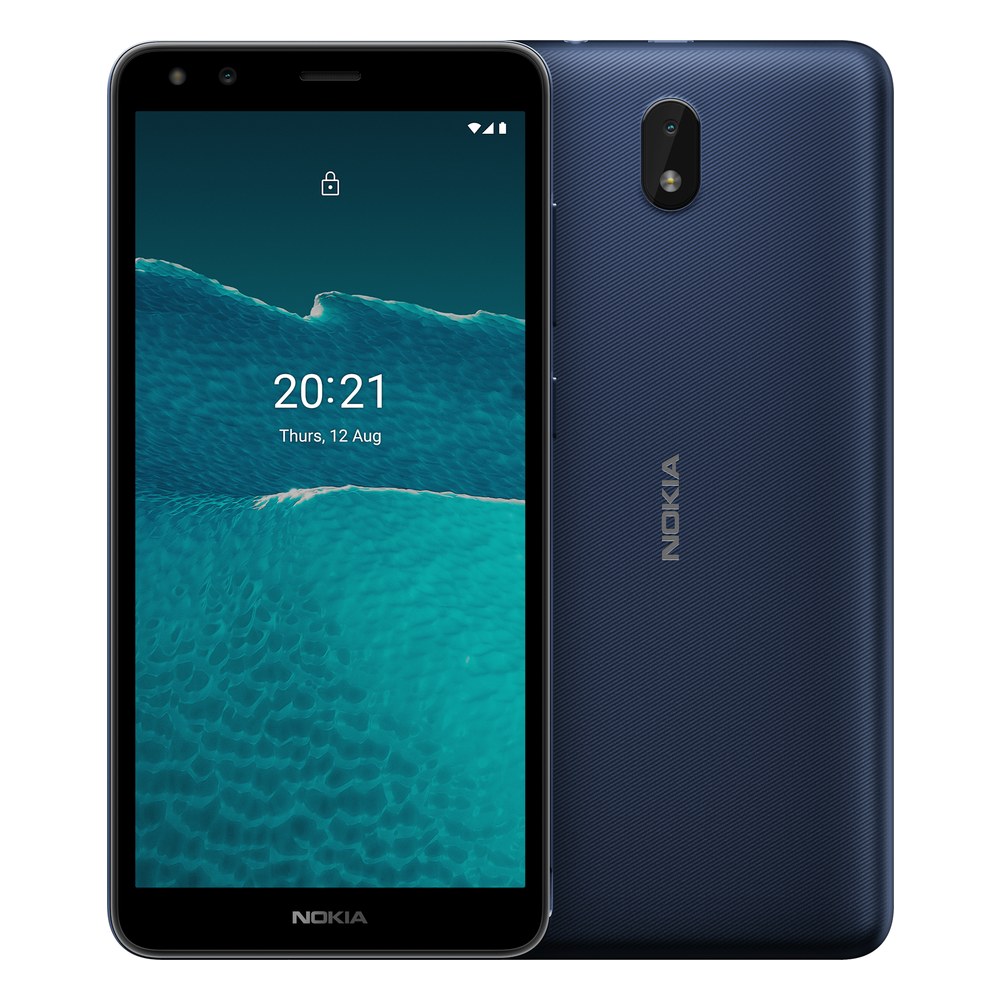
Nokia 1.4: an Android Go phone with a 6.52-inch HD+ screen, Snapdragon 215, a 4,000 mAh battery, 8MP dual camera with macro and a rear fingerprint reader.
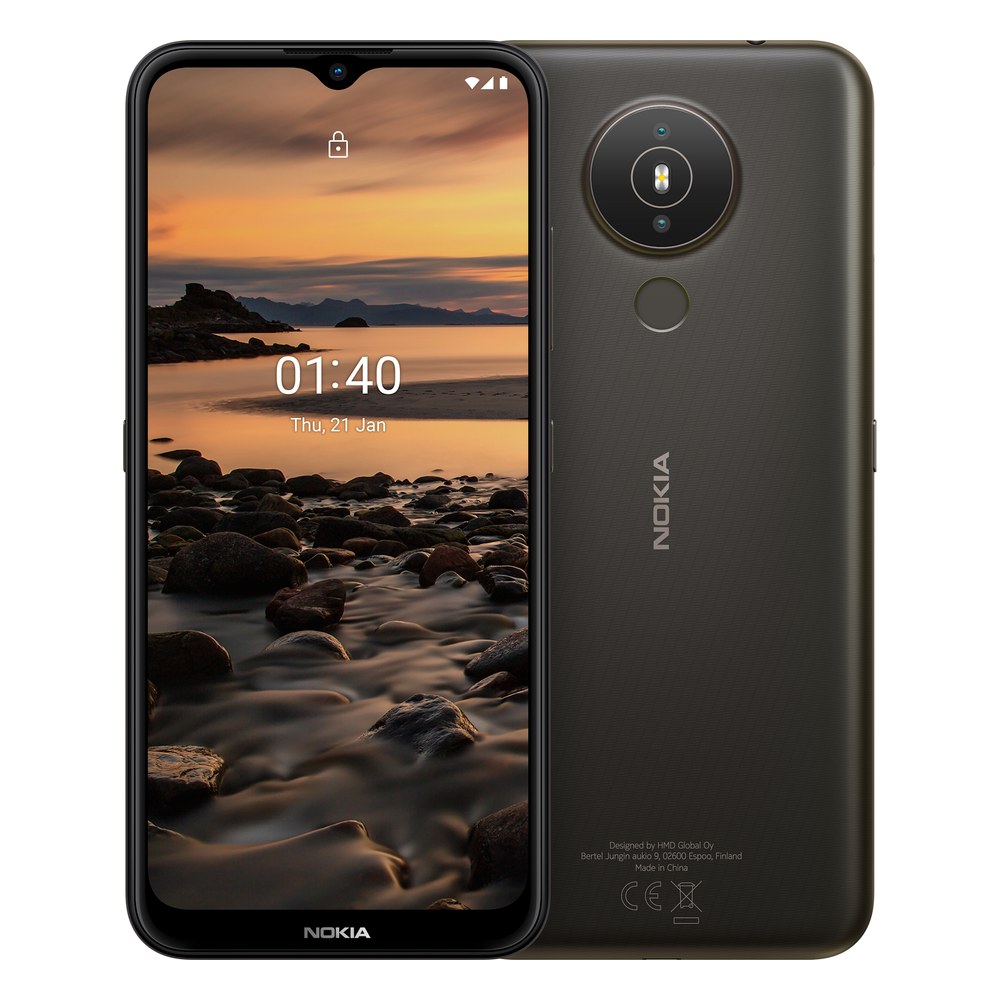
Key figures at a glance
Nokia 1.4 display
The display measures 6.52", below the median of the 367 phones we list with this figure (6.7"). The resolution is 1,600 × 720 pixels.
- Display
- 6.52" IPS LCD, HD+ (1600x720), 20:9
Nokia 1.4 performance and hardware
The chipset named in the spec sheet is Qualcomm Snapdragon 215. The largest RAM option is 3 GB, below the median of the 349 phones we list with this figure (12 GB). Storage goes up to 64 GB, below the median of the 363 phones we list with this figure (512 GB).
- Chipset
- Qualcomm Snapdragon 215 (28nm), quad-core 1.3GHz Cortex-A53, Adreno 308
- RAM
- 1GB, 2GB or 3GB
- Storage
- 16GB, 32GB or 64GB (eMMC 5.1), microSDXC
Nokia 1.4 camera
The main rear camera is listed at 8 MP, below the median of the 372 phones we list with this figure (50 MP). The rear camera line lists 2 lenses. The front camera is listed at 5 MP, below the median of the 359 phones we list with this figure (16 MP).
- Rear Camera
- 8MP main with AF + 2MP macro, LED flash, HDR, 720p@30fps video
- Front Camera
- 5MP, 720p@30fps video
Nokia 1.4 battery and charging
The battery capacity is 4,000 mAh, below the median of the 355 phones we list with this figure (5,050 mAh).
- Battery
- 4,000 mAh
Nokia 1.4 design and build
The weight is listed as 178 g, below the median of the 319 phones we list with this figure (196 g). The body is 8.7 mm thick, above the median of the 280 phones we list with this figure (8.2 mm).
- Dimensions
- 166.4 x 76.7 x 8.7 mm, 178 g
- Colors
- Fjord, Charcoal, Dusk
Nokia 1.4: more specs
- Connectivity
- 4G, single or dual nano SIM, Wi-Fi 802.11 b/g/n, Bluetooth 4.2, GPS, FM radio, microUSB 2.0, 3.5 mm jack, no NFC
- OS
- Android 10 (Go edition), planned upgrade to Android 11 (Go edition)
Every figure on this page comes from the published spec sheet; PhonesVS has not run its own lab tests on this device. Medians are calculated across the phones in our catalogue that list the figure in question.
Strengths and weak spots on paper
Strengths are figures that fewer than one in five phones in our catalogue beat; weak spots are figures that fewer than one in five fall below. Based on the spec sheet only, not on tests of our own.
Strengths
- Weight: 178 g, lighter than 91% of the 319 phones with this figure listed
Weak spots
- RAM (max): 3 GB, lower than 95% of the 349 phones with this figure listed
- Storage (max): 64 GB, lower than 92% of the 363 phones with this figure listed
- Main camera: 8 MP, lower than 96% of the 372 phones with this figure listed
- Front camera: 5 MP, lower than 93% of the 359 phones with this figure listed
- Battery capacity: 4,000 mAh, lower than 92% of the 355 phones with this figure listed
The Nokia 1.4 was announced and released on 3 February 2021. It continued Nokia's "1" line, the brand's cheapest numbered smartphones, and brought notable upgrades over what that line had offered before: a much larger 6.52-inch display, a 4,000 mAh battery, a fingerprint reader and a second camera for close-ups. At its core it is still a very modest device, built on the Qualcomm Snapdragon 215 with as little as 1GB of RAM and running the Go edition of Android 10. What the published specification says, and where it is silent, is set out below.
Context
A few months after the 1.4, Nokia launched the Nokia C20, which targets the same buyers with a similar screen but uses an octa-core chip, a removable battery and no fingerprint reader. The page Nokia 1.4 vs Nokia C20 weighs them against each other. Buyers with a slightly larger budget in 2021 could step up to the Nokia G10, with considerably more performance, memory and battery capacity.
Design
The phone measures 166.4 by 76.7 by 8.7 millimetres and weighs 178 grams, which is pleasantly light for its size. The front is glass, and the back and frame are plastic. No water or dust protection is listed. The three colours carry the names Fjord, Charcoal and Dusk.
On the back there is a fingerprint reader, a feature that was absent from many phones at this level in early 2021 and makes daily unlocking far more convenient than typing a PIN. The 1.4 was sold in single-SIM and dual-SIM versions and accepts a microSDXC card. The data does not specify whether the card has a dedicated slot.
Display
The 6.52-inch IPS LCD has a resolution of 720 by 1600 pixels at 20:9, about 269 pixels per inch, and takes up roughly 80 percent of the front. In the entry-level class of its time, a display of this size with HD+ resolution was a selling point, since many of the cheapest phones still used smaller and less sharp screens. Refresh rate, brightness and protective glass are not specified, so a standard 60Hz panel should be assumed.
Performance and memory
The Qualcomm Snapdragon 215, also known as QM215, is a 28 nm chip with four Cortex-A53 cores at 1.3GHz and an Adreno 308 graphics unit. It is Qualcomm's platform for the most basic 4G smartphones. In use, this means a phone that handles calls, messaging, email, music and light browsing, and that needs time for everything else. Launching the camera, switching apps and scrolling through busy pages all involve short waits, and games should be limited to simple ones.
Three versions are listed: 1GB of RAM with 16GB of storage, 2GB with 32GB, and 3GB with 64GB. The gap between them is large. The 1GB version runs the system and little else, and its 16GB of storage is nearly exhausted by the system and a few apps. The 2GB version is the minimum that can be recommended, and the 3GB version with 64GB is clearly the most usable. Storage is eMMC 5.1, expandable by microSDXC card.
Cameras
The rear camera combines an 8MP main sensor with autofocus and a 2MP macro camera. An LED flash and HDR are included, and video is recorded at 720p with 30 frames per second. Autofocus on the main camera is useful for documents and labels. The macro camera allows very close shots, though at 2MP the results are small and best viewed on the phone itself.
Image quality is basic. Outdoor photos in daylight are acceptable for messaging and social media; indoors, noise and blur set in quickly. The front camera has 5 megapixels and records 720p video at 30 frames per second, which is fine for video calls. No stabilisation or wide-angle options are listed.
Battery and charging
The 4,000 mAh lithium-polymer battery was a major improvement for the "1" line. In combination with a low-power processor and an HD+ screen, it can carry the phone through a full day and often into a second, especially for users who mainly call and message. The data does not state the charging power, and there is no mention of fast charging or wireless charging, so slow charging over several hours should be expected.
Connectivity and audio
The Nokia 1.4 is a 4G phone. LTE bands 1, 3, 5, 7, 8, 20, 28, 38, 40 and 41 are listed for the international version, with LTE Cat4 speeds of up to 150 Mbps for downloads. There is no 5G. Wi-Fi is 802.11 b/g/n on 2.4GHz, Bluetooth is version 4.2 with A2DP and LE, and GPS is used for positioning. NFC is not available.
The port is microUSB 2.0. There is a 3.5 mm headphone jack and an FM radio. The sensors listed are the fingerprint reader, an accelerometer and a proximity sensor.
Software
The phone launched with Android 10 (Go edition), and the data records a planned upgrade to Android 11 (Go edition). Go is the lightweight version of Android for devices with limited memory, designed to use less RAM, storage and mobile data. Whether a particular unit has received the Android 11 update can be seen in the settings. Both versions are old today, so the security patch level deserves attention, especially before using banking or payment apps.
Who it suits
The Nokia 1.4 suits users who need a large, simple and light phone for communication and who appreciate a fingerprint reader and solid battery life: older relatives, children, or anyone needing a secondary phone. It is important to choose the 2GB or 3GB version. It does not suit anyone who expects speed, good photos or current software. Our rankings and the phone catalogue offer newer alternatives.
Trade-offs
The limits are a slow quad-core processor, 1GB of RAM and 16GB of storage in the base version, cameras with 720p video, unspecified charging power, a microUSB port, Bluetooth 4.2, 2.4GHz-only Wi-Fi, no NFC, no 5G, no listed water protection and an old Android version. Versions and availability varied by market, and we do not show a price because we have no consistent reference.
Where it ranks
Positions of the Nokia 1.4 in our spec-sheet rankings. Each card opens the full list.
Devices similar to the Nokia 1.4
Same category, picked by estimated launch price (within 25%) or release date (within 12 months) and sorted by how close the spec-sheet figures are.
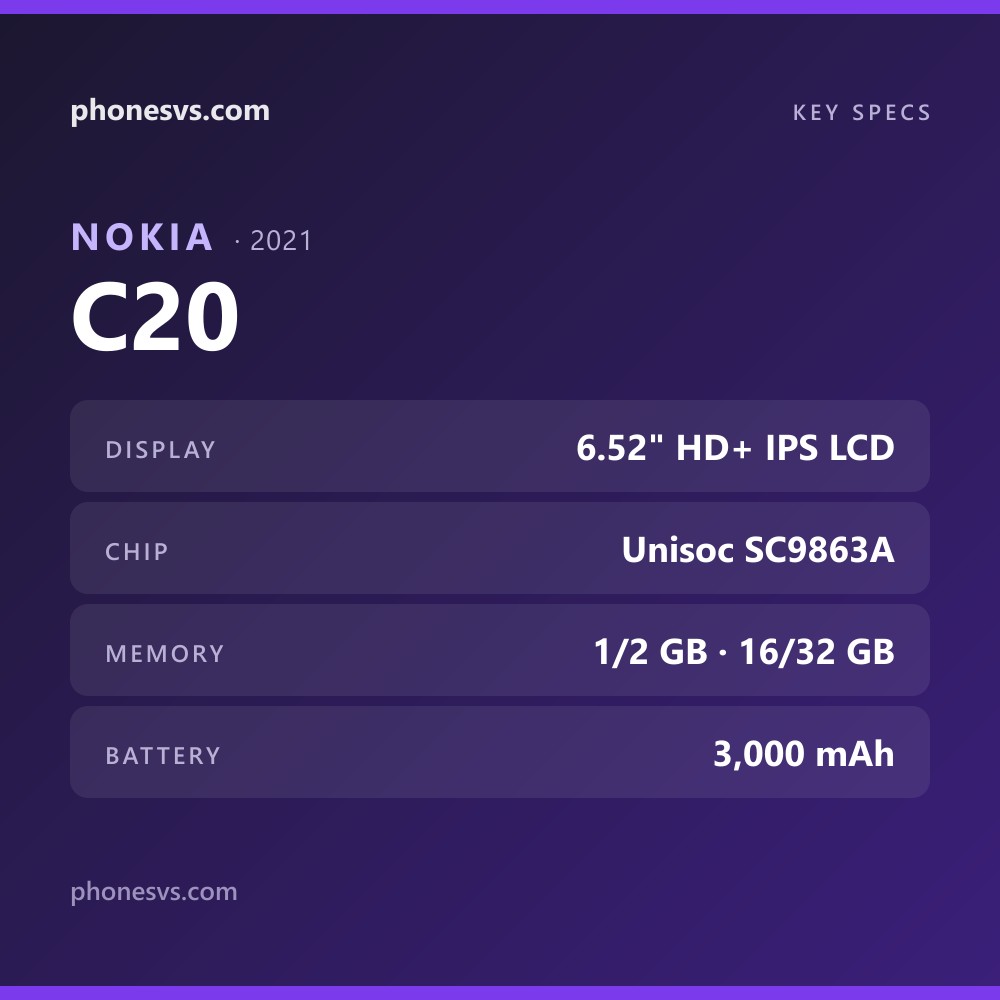
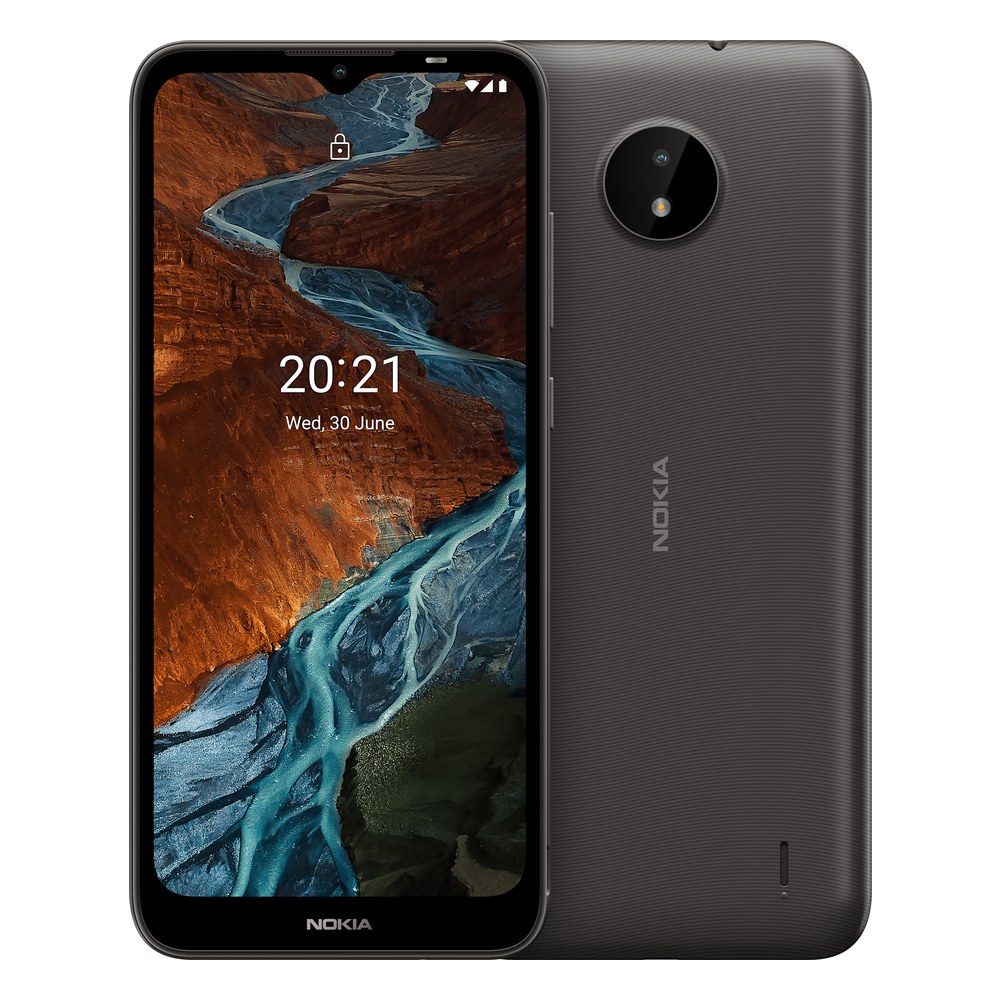
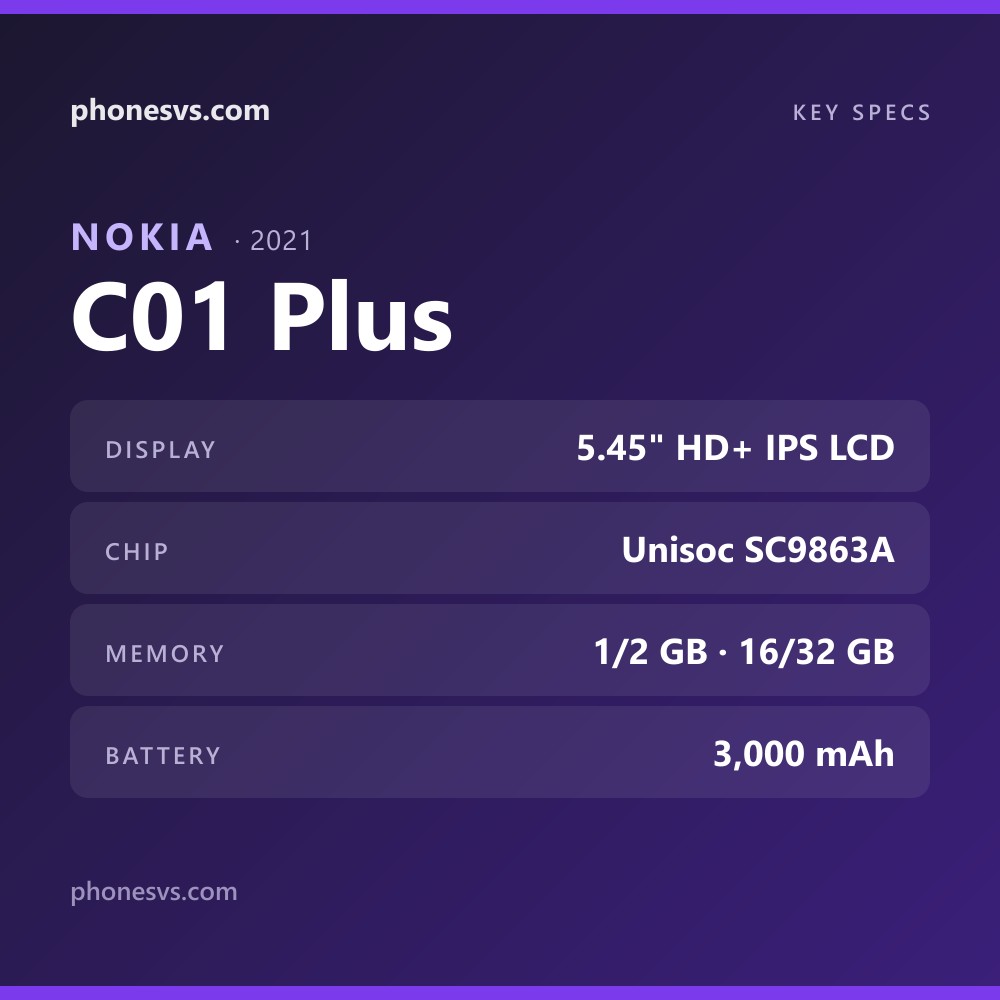
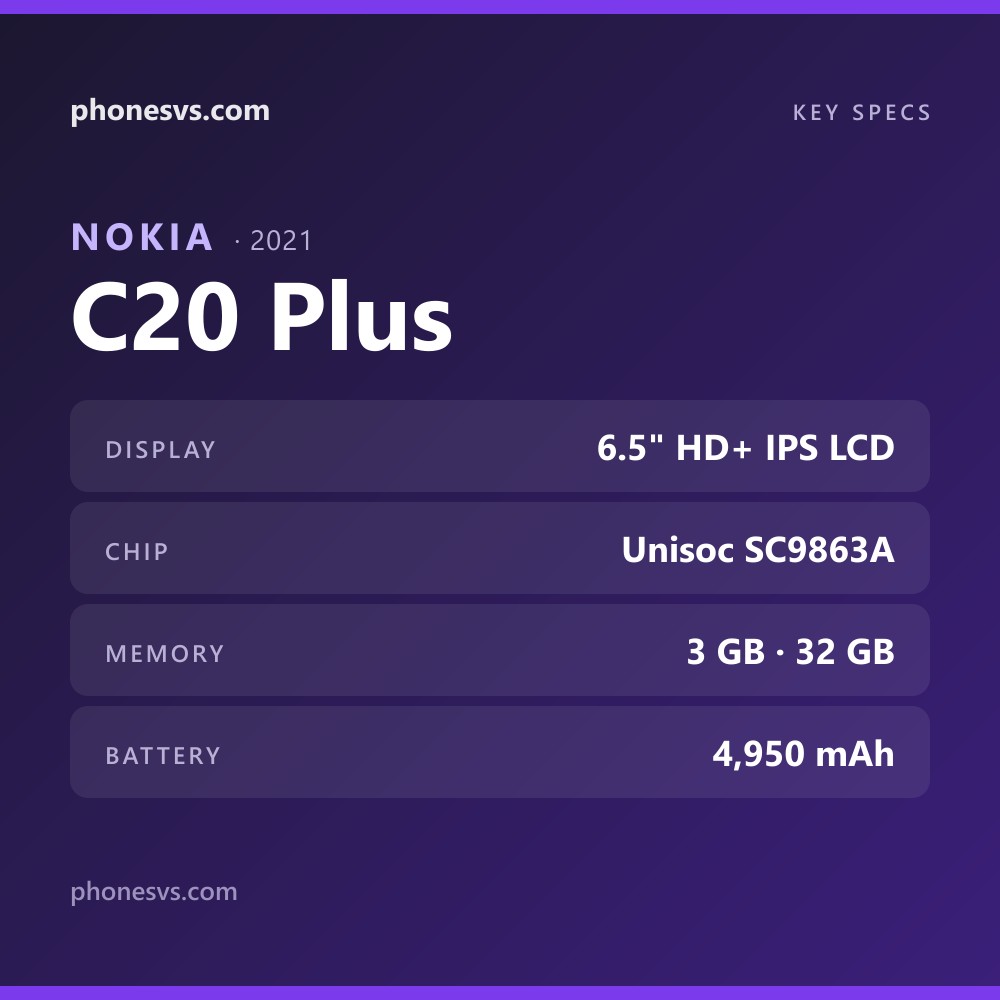
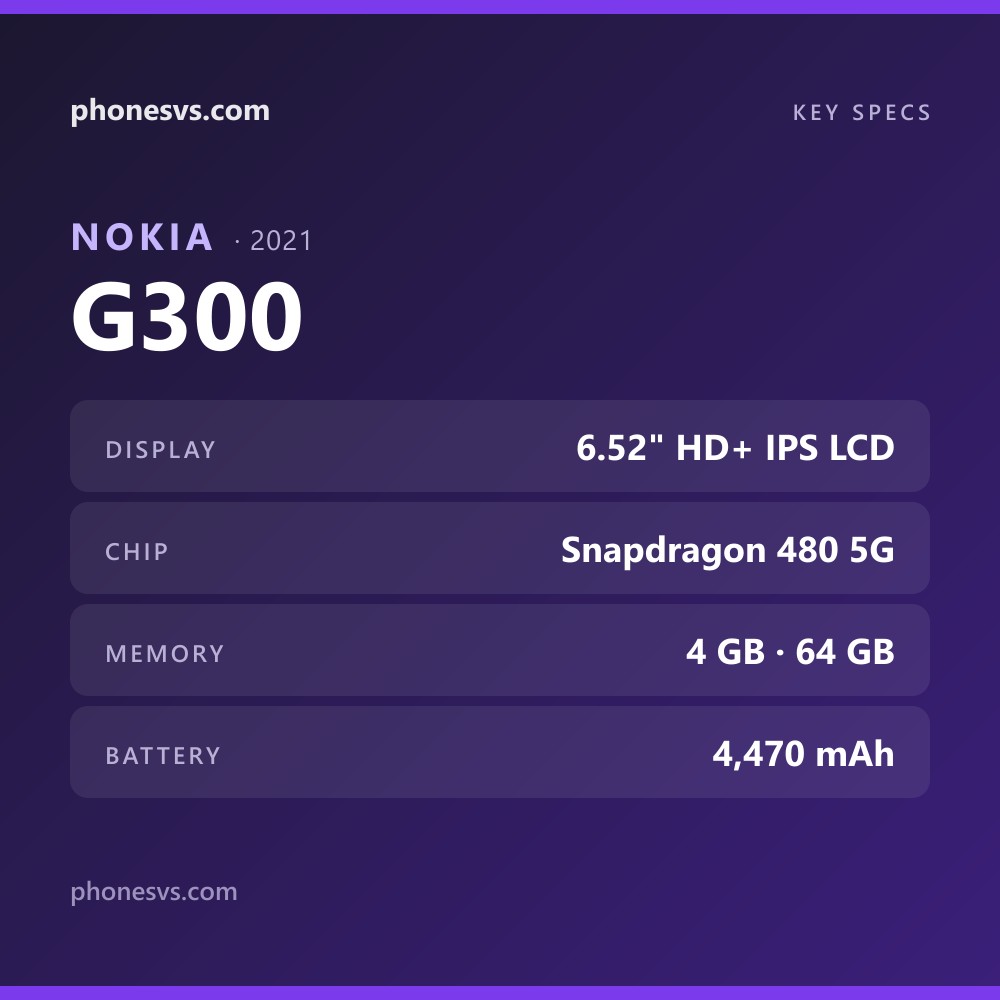
Compare Nokia 1.4 with similar devices
Open a ready-made comparison or pick any second device below.
Pick a category, then type two model names.
Choose two different devices from the list.
More from Nokia
Frequently asked questions
When was the Nokia 1.4 released?
The Nokia 1.4 was released on 2021-02-03, according to the manufacturer’s published information.
What are the main specs of the Nokia 1.4?
Headline figures for the Nokia 1.4: Display: 6.52", Chipset: Qualcomm Snapdragon 215, RAM / storage: 3 GB RAM · 64 GB, Main camera: 8 MP, Battery: 4,000 mAh. The full specification table is further up this page.
How big is the battery of the Nokia 1.4?
The battery capacity is 4,000 mAh, below the median of the 355 phones we list with this figure (5,050 mAh).
What display does the Nokia 1.4 have?
The display measures 6.52", below the median of the 367 phones we list with this figure (6.7"). The resolution is 1,600 × 720 pixels.
What camera does the Nokia 1.4 have?
The main rear camera is listed at 8 MP, below the median of the 372 phones we list with this figure (50 MP). The rear camera line lists 2 lenses. The front camera is listed at 5 MP, below the median of the 359 phones we list with this figure (16 MP).
Is the Nokia 1.4 worth buying?
That depends on your priorities. Use the editorial review on this page for our view, check the rankings above to see where the device stands on battery, display and camera, and compare it directly with similar models before you decide.