Phones
Nokia G300
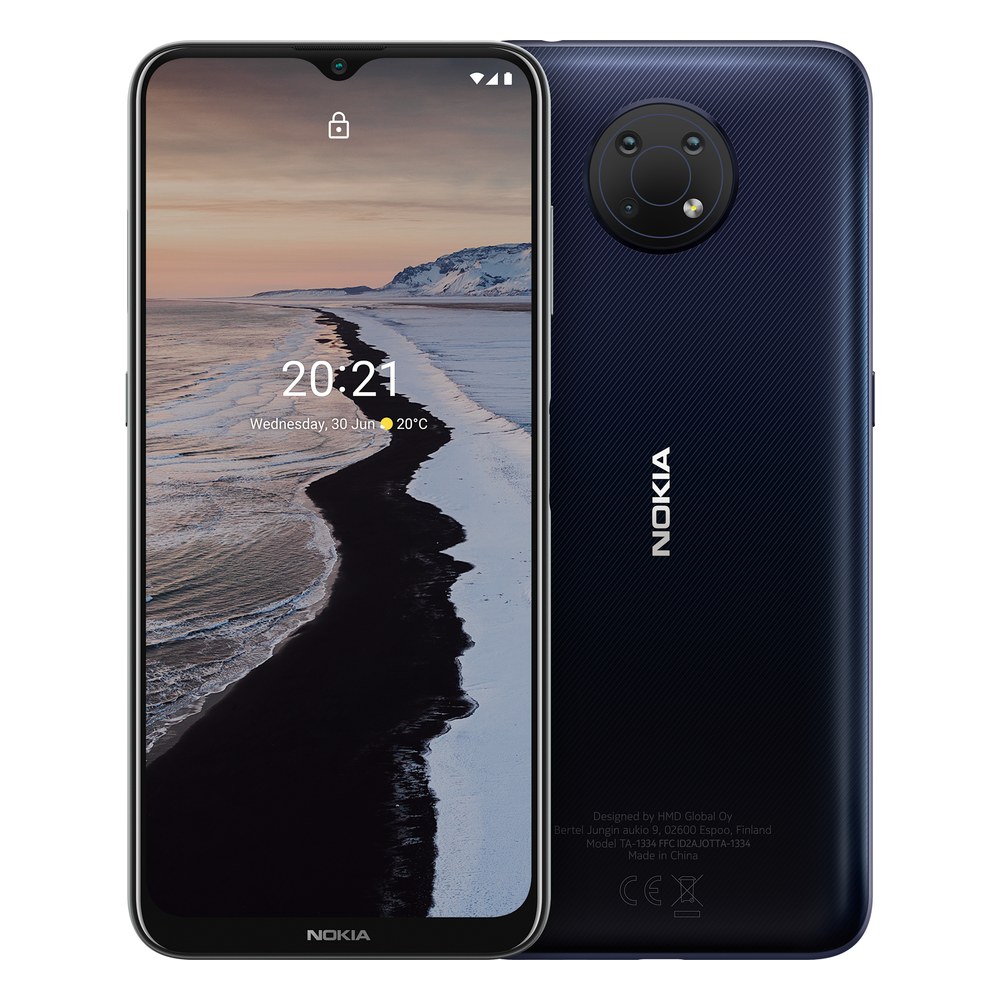
Nokia G300: a budget 5G phone with Snapdragon 480 5G, a 6.52-inch HD+ screen, 16MP main camera with 60fps video, dual-frequency GPS and a 4,470 mAh battery.
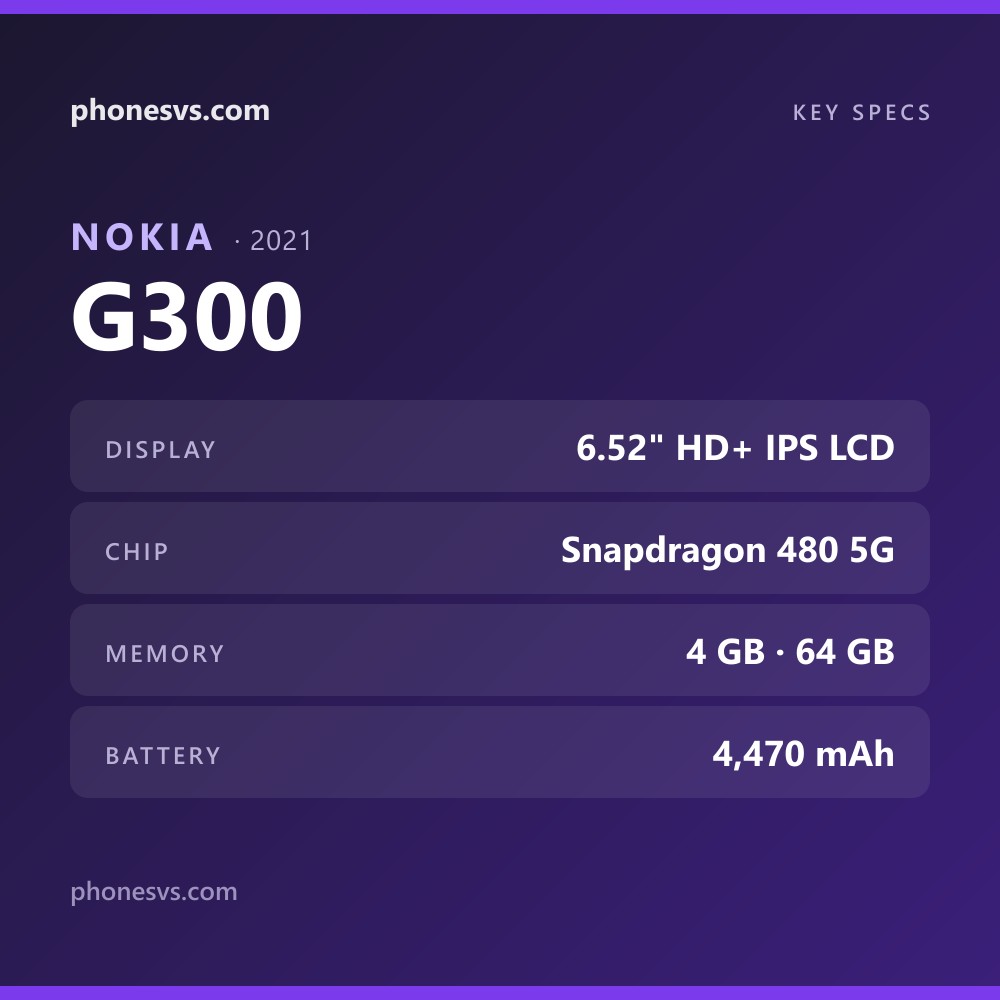
Key figures at a glance
Nokia G300 display
The display measures 6.52", below the median of the 367 phones we list with this figure (6.7"). The resolution is 1,600 × 720 pixels.
- Display
- 6.52" IPS LCD, HD+ (1600x720), 20:9
Nokia G300 performance and hardware
The chipset named in the spec sheet is Qualcomm Snapdragon 480 5G. The largest RAM option is 4 GB, below the median of the 349 phones we list with this figure (12 GB). Storage goes up to 64 GB, below the median of the 363 phones we list with this figure (512 GB).
- Chipset
- Qualcomm Snapdragon 480 5G (8nm), octa-core 2x 2.0GHz + 6x 1.8GHz Kryo 460, Adreno 619
- RAM
- 4GB
- Storage
- 64GB, microSDXC (dedicated slot)
Nokia G300 camera
The main rear camera is listed at 16 MP, below the median of the 372 phones we list with this figure (50 MP). The front camera is listed at 8 MP, below the median of the 359 phones we list with this figure (16 MP).
- Rear Camera
- 16MP f/1.8 main with PDAF + 5MP f/2.2 115° ultrawide + auxiliary lens, LED flash, 1080p@30/60fps video
- Front Camera
- 8MP, 1080p@30fps video
Nokia G300 battery and charging
The battery capacity is 4,470 mAh, below the median of the 355 phones we list with this figure (5,050 mAh). Wired charging is listed at up to 18 W, below the median of the 341 phones we list with this figure (45 W).
- Battery
- 4,470 mAh, 18W wired
Nokia G300 design and build
The weight is listed as 210.1 g, above the median of the 319 phones we list with this figure (196 g). The body is 9.3 mm thick, above the median of the 280 phones we list with this figure (8.2 mm).
- Dimensions
- 169.4 x 78.4 x 9.3 mm, 210.1 g
- Colors
- Meteor Grey
Nokia G300 software and features
The software listed is Android 11.
- OS
- Android 11
Nokia G300 connectivity
The connectivity line of the spec sheet mentions 5G, Wi-Fi 5, Bluetooth 5.0 and NFC.
- Connectivity
- 5G, single nano SIM, Wi-Fi 5 (802.11ac dual-band), Bluetooth 5.0, NFC, GPS (L1+L5), USB-C 2.0 with OTG, 3.5 mm jack
Every figure on this page comes from the published spec sheet; PhonesVS has not run its own lab tests on this device. Medians are calculated across the phones in our catalogue that list the figure in question.
Strengths and weak spots on paper
Strengths are figures that fewer than one in five phones in our catalogue beat; weak spots are figures that fewer than one in five fall below. Based on the spec sheet only, not on tests of our own.
Weak spots
- RAM (max): 4 GB, lower than 88% of the 349 phones with this figure listed
- Storage (max): 64 GB, lower than 92% of the 363 phones with this figure listed
- Main camera: 16 MP, lower than 90% of the 372 phones with this figure listed
- Front camera: 8 MP, lower than 78% of the 359 phones with this figure listed
- Battery capacity: 4,470 mAh, lower than 88% of the 355 phones with this figure listed
- Wired charging: 18 W, lower than 86% of the 341 phones with this figure listed
- Thickness: 9.3 mm, thicker than 94% of the 280 phones with this figure listed
The Nokia G300 was announced on 12 October 2021 and released a week later, on 19 October. It was designed to be one of the most affordable 5G phones in the Nokia range, and that goal shapes nearly every part of its specification. It uses the same Snapdragon 480 5G processor as the more expensive X10 and X100, but pairs it with an HD+ screen, a 16-megapixel main camera, 4GB of RAM and 64GB of storage. In short, it offers 5G first and asks the buyer to accept simpler hardware elsewhere. This page relies only on the published specification; when a value is missing, we leave it out rather than guess.
Where it fits
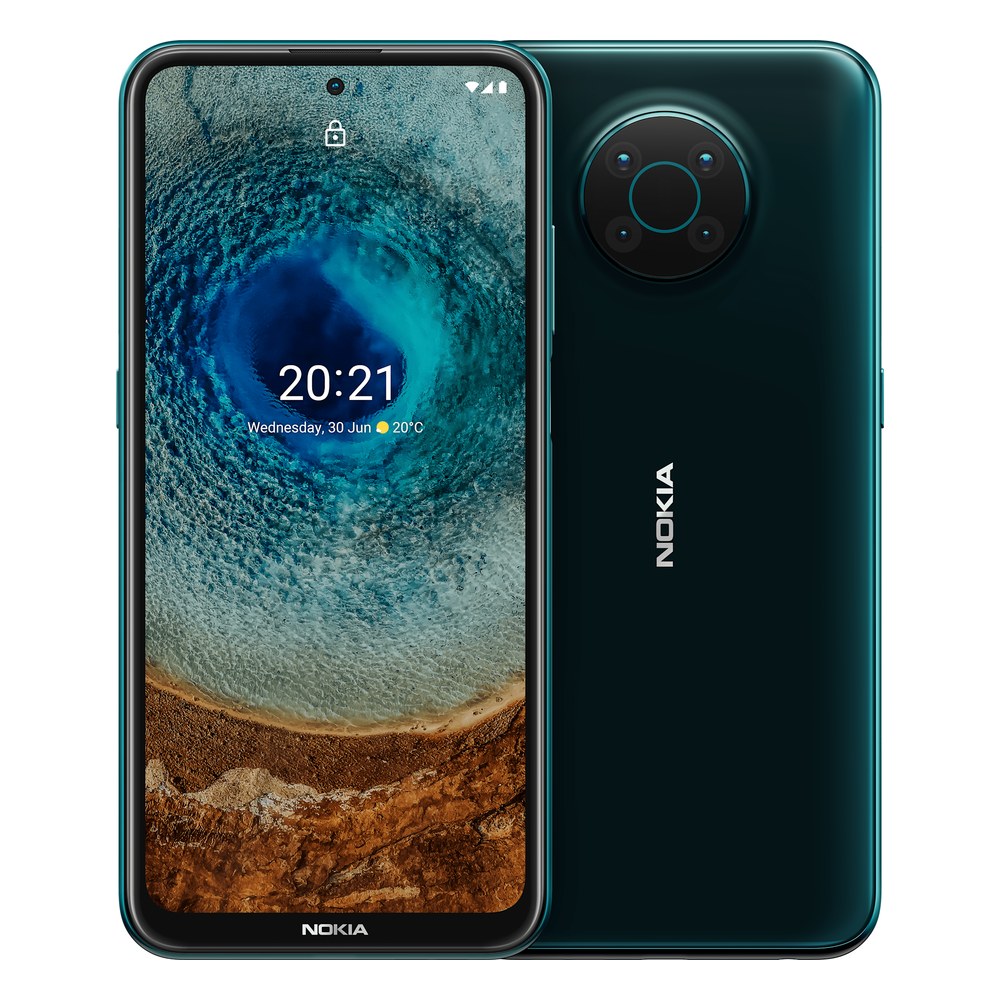
In the Nokia range the G300 sits below the Nokia X100, which shares its chipset and battery capacity but adds a Full HD+ screen, a 48MP main camera and 6GB of RAM. A year later the Nokia G400 took over the role of the affordable 5G Nokia, with a faster 120Hz Full HD+ display, an aluminium frame and a 5,000 mAh battery. The direct comparison Nokia G300 vs Nokia G400 shows how much changed in one generation.
Design and size
The G300 measures 169.4 by 78.4 millimetres, is 9.3 millimetres thick and weighs 210.1 grams. For a phone with a 6.52-inch screen that is quite bulky: the screen-to-body ratio is around 77 percent, which means relatively wide borders around the display. No dust or water protection rating is listed, so it should be kept away from rain and liquids. The only colour mentioned is Meteor Grey.
Unlocking uses a fingerprint reader built into the side key. The phone takes a single nano SIM card, and the microSDXC card has its own dedicated slot, so there is no need to choose between a SIM and extra storage. Two model numbers are listed, TA-1374 and N1374DL, which indicates more than one market variant.
Display
The 6.52-inch IPS LCD has a resolution of 720 by 1600 pixels in a 20:9 format, which works out to roughly 269 pixels per inch. That is the clearest sign of the G300's budget positioning. At normal reading distance text is legible, but fine details and small fonts look softer than on a Full HD+ screen. Refresh rate, brightness and the type of cover glass are not listed. For calls, messaging, social media and video streaming it does the job, but people who read a lot on their phone or watch high-resolution video may notice the lower sharpness.
Performance and storage
The Snapdragon 480 5G is built on an 8 nm process and combines two Kryo 460 cores at 2.0GHz with six at 1.8GHz, plus the Adreno 619 GPU. Paired with an HD+ screen, the GPU has fewer pixels to drive, which helps smoothness in simple games. For messaging, browsing, video and maps the chip is adequate; heavy 3D games need lower settings.
Memory is the weaker area: 4GB of RAM and 64GB of storage. With 4GB, apps reload more often when you switch between many of them, and 64GB fills up quickly with photos, videos and app updates. The dedicated microSDXC slot is therefore valuable, since photos, music and videos can be moved to a card without giving up the SIM. The storage type is not stated.
Cameras
The rear setup consists of a 16MP main camera with an f/1.8 lens, a 27 mm focal length and phase-detection autofocus, a 5MP ultrawide camera with an f/2.2 lens and a 115-degree field of view, and an auxiliary lens. An LED flash, HDR and panorama are included. Optical image stabilisation is not listed. Video is recorded in 1080p at 30 or 60 frames per second; 4K is not available.
A 16MP main sensor is modest compared with the 48MP and 50MP sensors that were common even in budget phones in 2021, but megapixel count alone does not determine image quality. In good light it will produce usable photos for social media and messaging, while low-light shots and zooming into details will be more limited. The 60fps video option is a nice touch at this level, making footage of moving subjects look smoother. The front camera has 8 megapixels and records 1080p at 30fps, enough for video calls and casual selfies.
Battery and charging
The battery has a capacity of 4,470 mAh, the same as the X10 and X100. Combined with the efficient 8 nm chip and the lower-resolution screen, which needs less power to drive, it should comfortably last a typical day. Charging is wired at up to 18W, which is slow by current standards; plan for a fairly long charge from empty. Wireless charging is not listed.
Connectivity and positioning
The G300 supports 5G, LTE and 3G. It has dual-band Wi-Fi 5 (802.11ac), Bluetooth 5.0 with A2DP and LE, and NFC for contactless payments. One unusual detail is the positioning: the specification lists GPS with both L1 and L5 frequencies. Dual-frequency GPS can improve location accuracy in cities with tall buildings, where signals bounce off walls. Other satellite systems are not listed. The USB-C port runs at USB 2.0 speed with OTG, and there is a 3.5 mm headphone jack. An FM radio is not included.
The sensor list is short: a fingerprint reader, an accelerometer and a proximity sensor. A gyroscope and a compass are not listed. That can matter for some apps: augmented reality features, certain games that use motion control and 360-degree photo or video viewing may not work fully, and map apps may have less precise direction indicators.
Software
The G300 launched with Android 11. The specification does not mention later Android versions, so we cannot confirm what upgrades it received. Nokia phones of this period ran an interface close to Google's standard Android, with few extra apps. Anyone considering the phone today should check the installed version and security patch level first.
Who it suits
The Nokia G300 suits buyers who want 5G at the lowest possible cost and mainly use their phone for calls, messaging, browsing and streaming, with a dedicated memory card slot for media. Those who care about screen sharpness, camera detail or memory headroom should look further up the range. Browse the phone catalogue for alternatives, or compare battery, screen and camera figures in our rankings.
Trade-offs
The compromises are the HD+ screen, the 16MP main camera, 4GB of RAM with 64GB of storage, the missing gyroscope and compass, no water rating, no FM radio, a single SIM slot and a bulky body. As a 2021 model, availability varies a lot between countries, and we do not list a price because no figure is consistent across markets.
Where it ranks
Positions of the Nokia G300 in our spec-sheet rankings. Each card opens the full list.
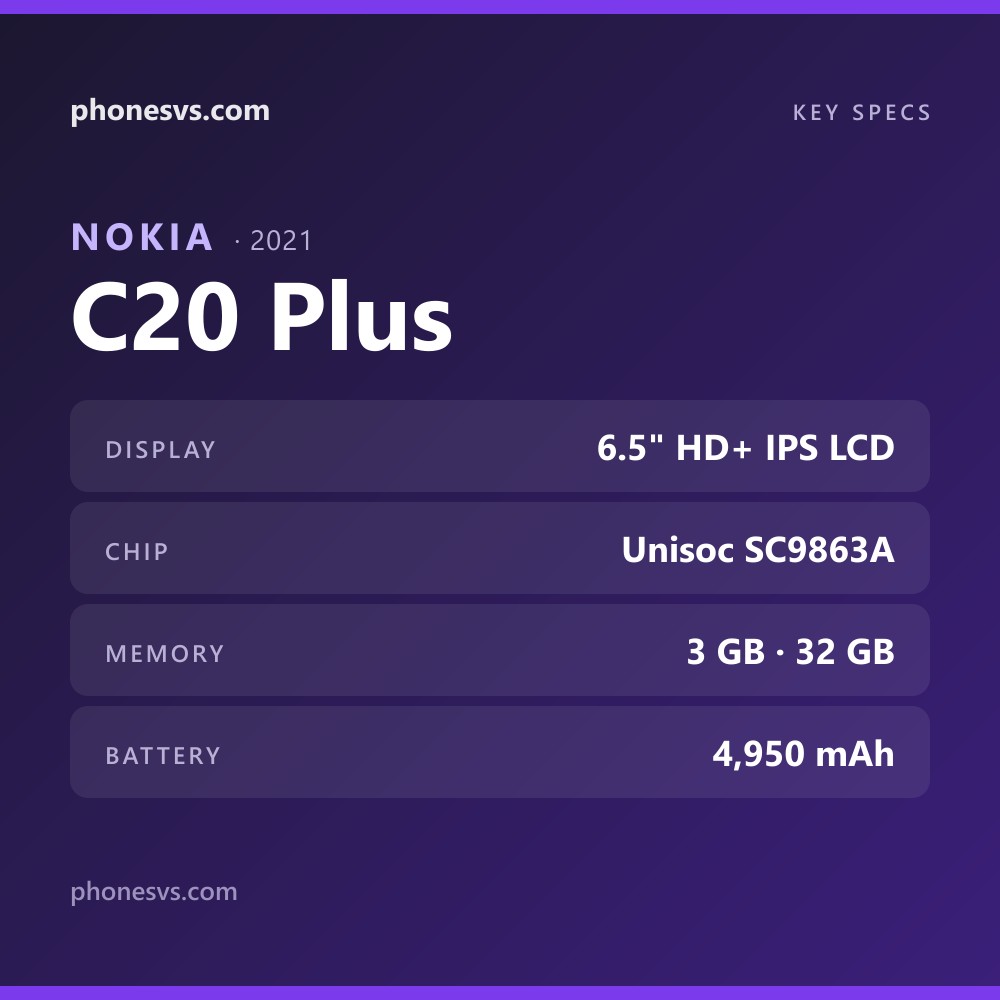
Devices similar to the Nokia G300
Same category, picked by estimated launch price (within 25%) or release date (within 12 months) and sorted by how close the spec-sheet figures are.
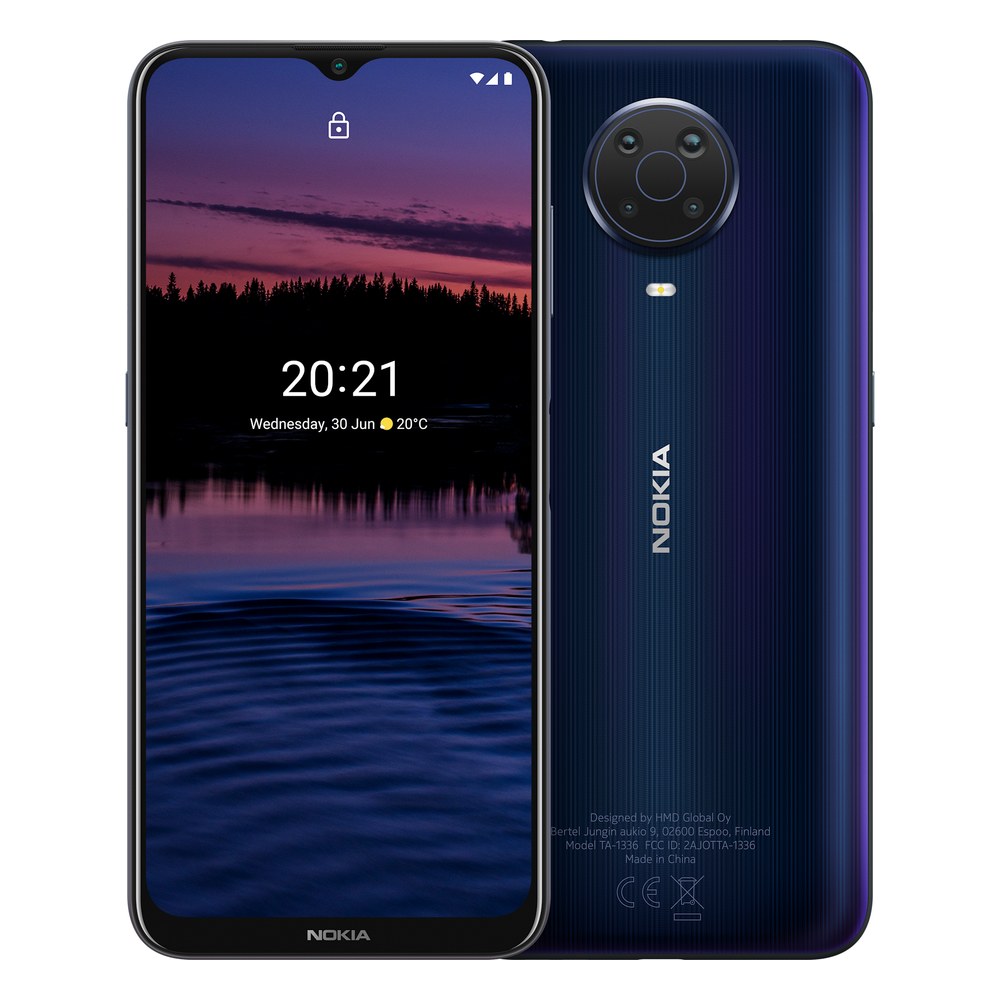
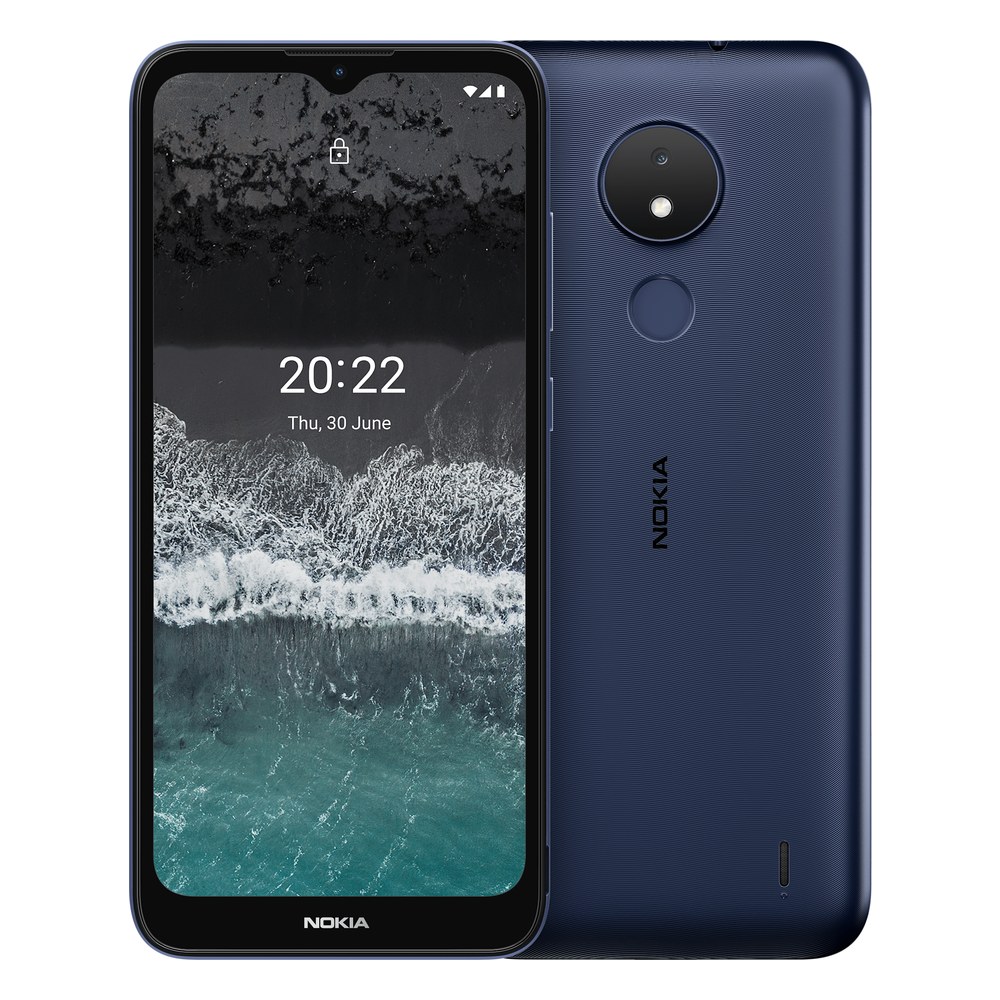
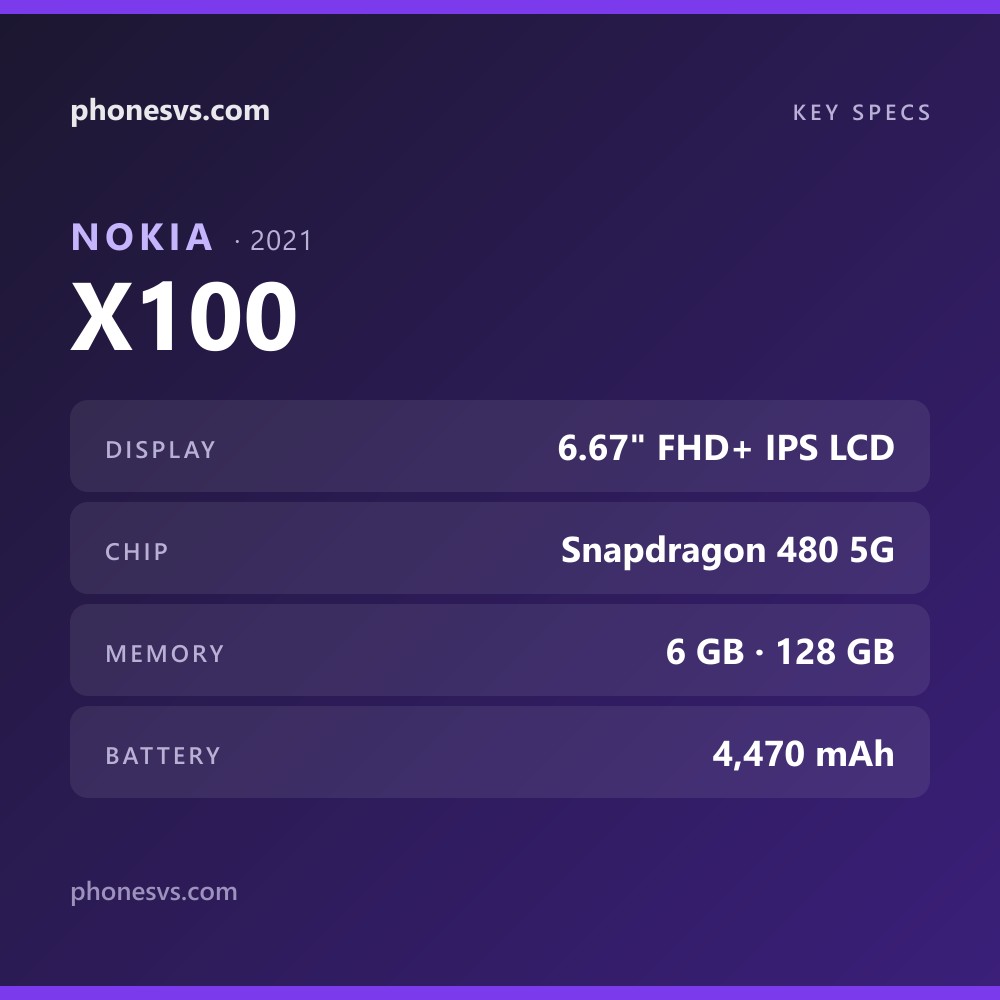
Compare Nokia G300 with similar devices
Open a ready-made comparison or pick any second device below.
Pick a category, then type two model names.
Choose two different devices from the list.
More from Nokia
Frequently asked questions
When was the Nokia G300 released?
The Nokia G300 was released on 2021-10-19, according to the manufacturer’s published information.
What are the main specs of the Nokia G300?
Headline figures for the Nokia G300: Display: 6.52", Chipset: Qualcomm Snapdragon 480 5G, RAM / storage: 4 GB RAM · 64 GB, Main camera: 16 MP, Battery: 4,470 mAh · 18 W. The full specification table is further up this page.
How big is the battery of the Nokia G300?
The battery capacity is 4,470 mAh, below the median of the 355 phones we list with this figure (5,050 mAh). Wired charging is listed at up to 18 W, below the median of the 341 phones we list with this figure (45 W).
What display does the Nokia G300 have?
The display measures 6.52", below the median of the 367 phones we list with this figure (6.7"). The resolution is 1,600 × 720 pixels.
What camera does the Nokia G300 have?
The main rear camera is listed at 16 MP, below the median of the 372 phones we list with this figure (50 MP). The front camera is listed at 8 MP, below the median of the 359 phones we list with this figure (16 MP).
Is the Nokia G300 worth buying?
That depends on your priorities. Use the editorial review on this page for our view, check the rankings above to see where the device stands on battery, display and camera, and compare it directly with similar models before you decide.