Smartwatches
Garmin Vivoactive 6
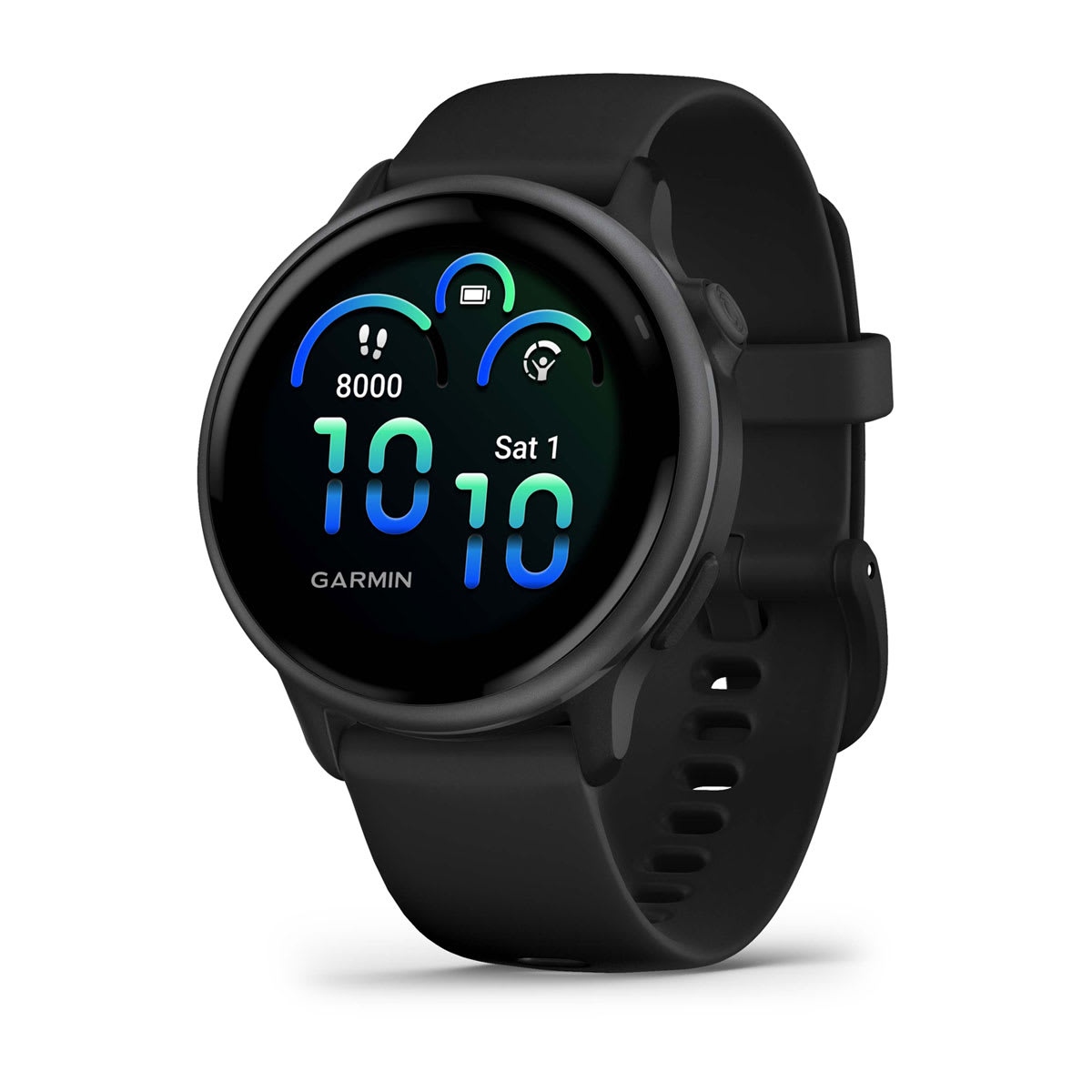
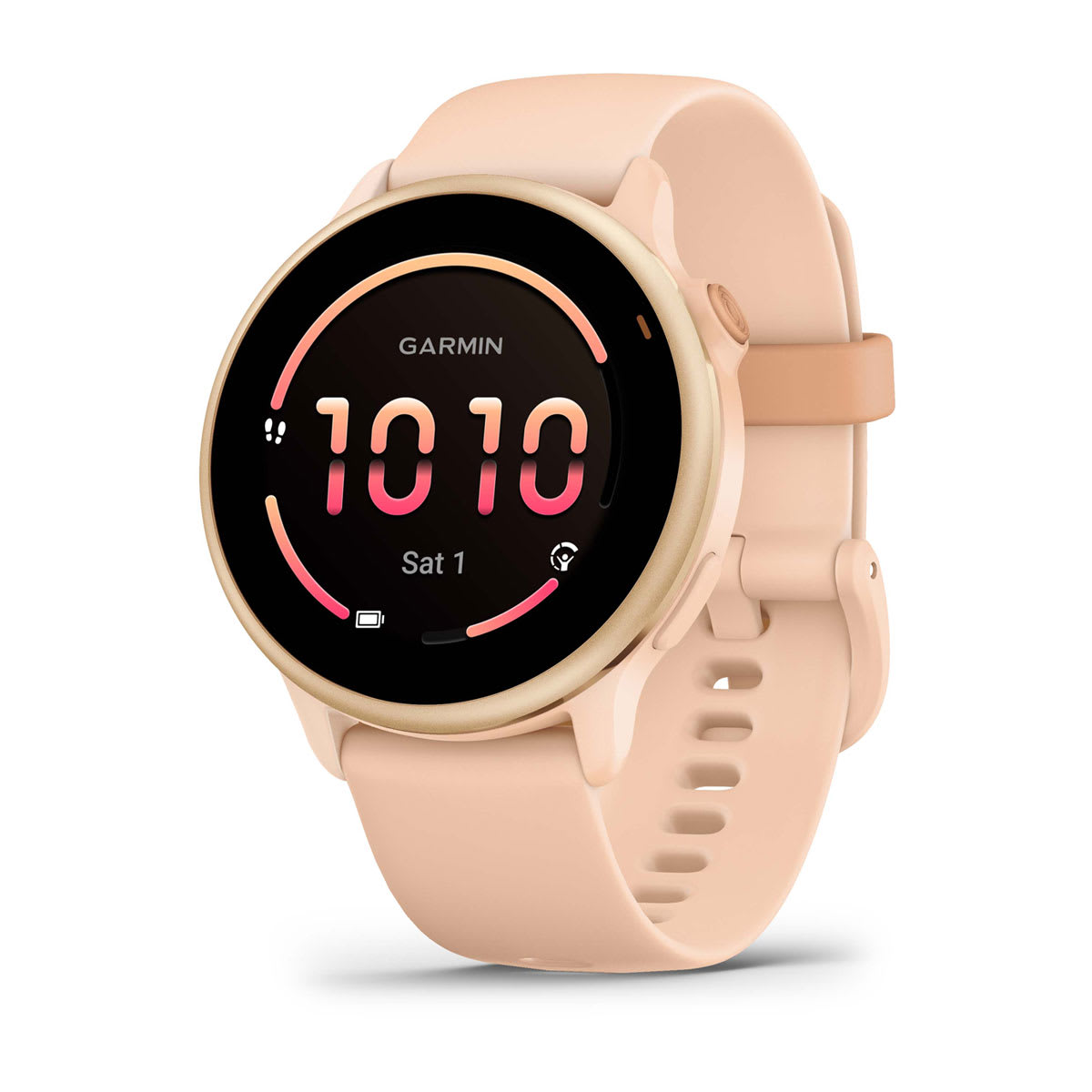
Garmin's Vivoactive 6 is a 42 mm AMOLED health and fitness watch with up to 11 days of battery, 8GB of storage, Garmin Pay and 80+ sports apps, listed at $299.99.
Key figures at a glance
Gallery
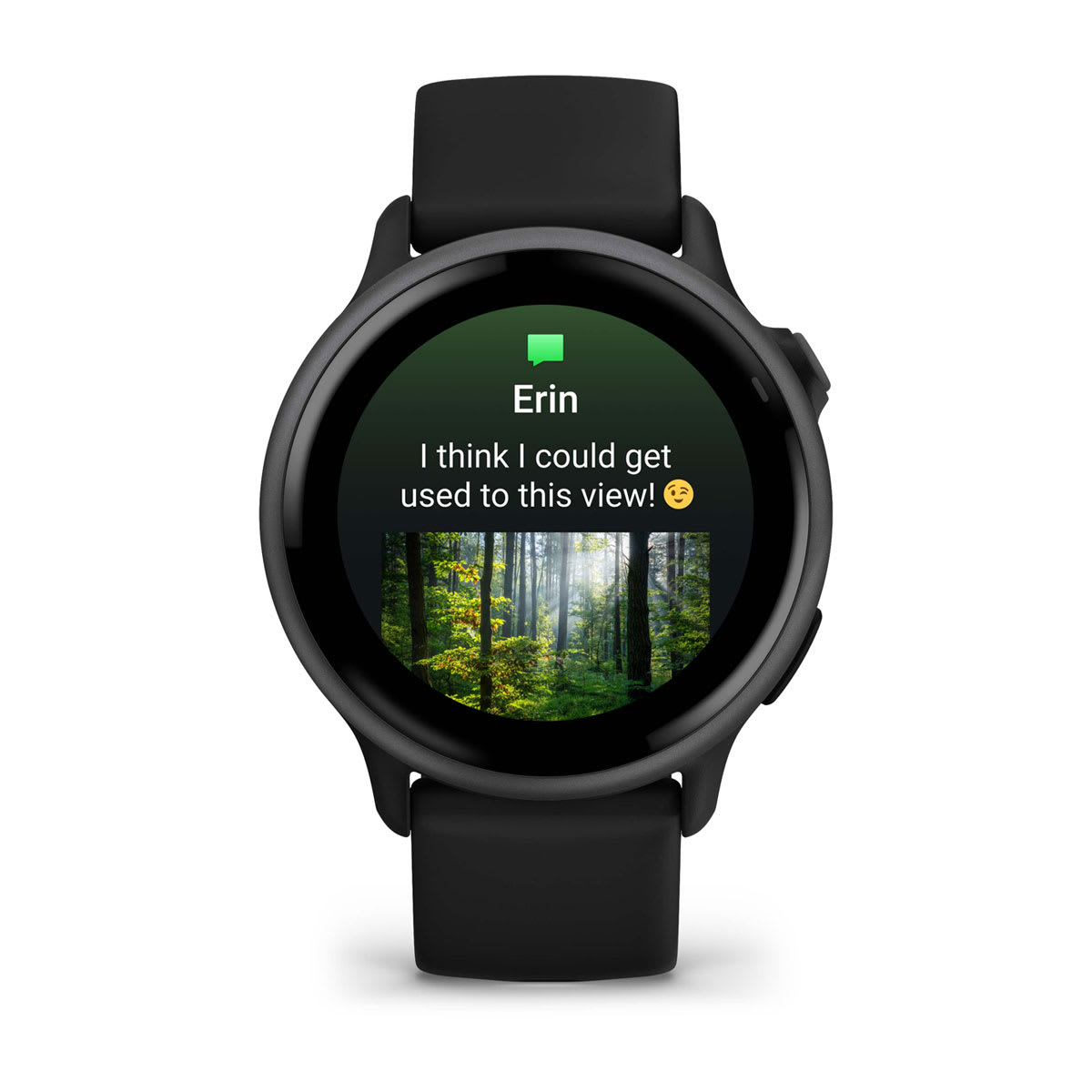
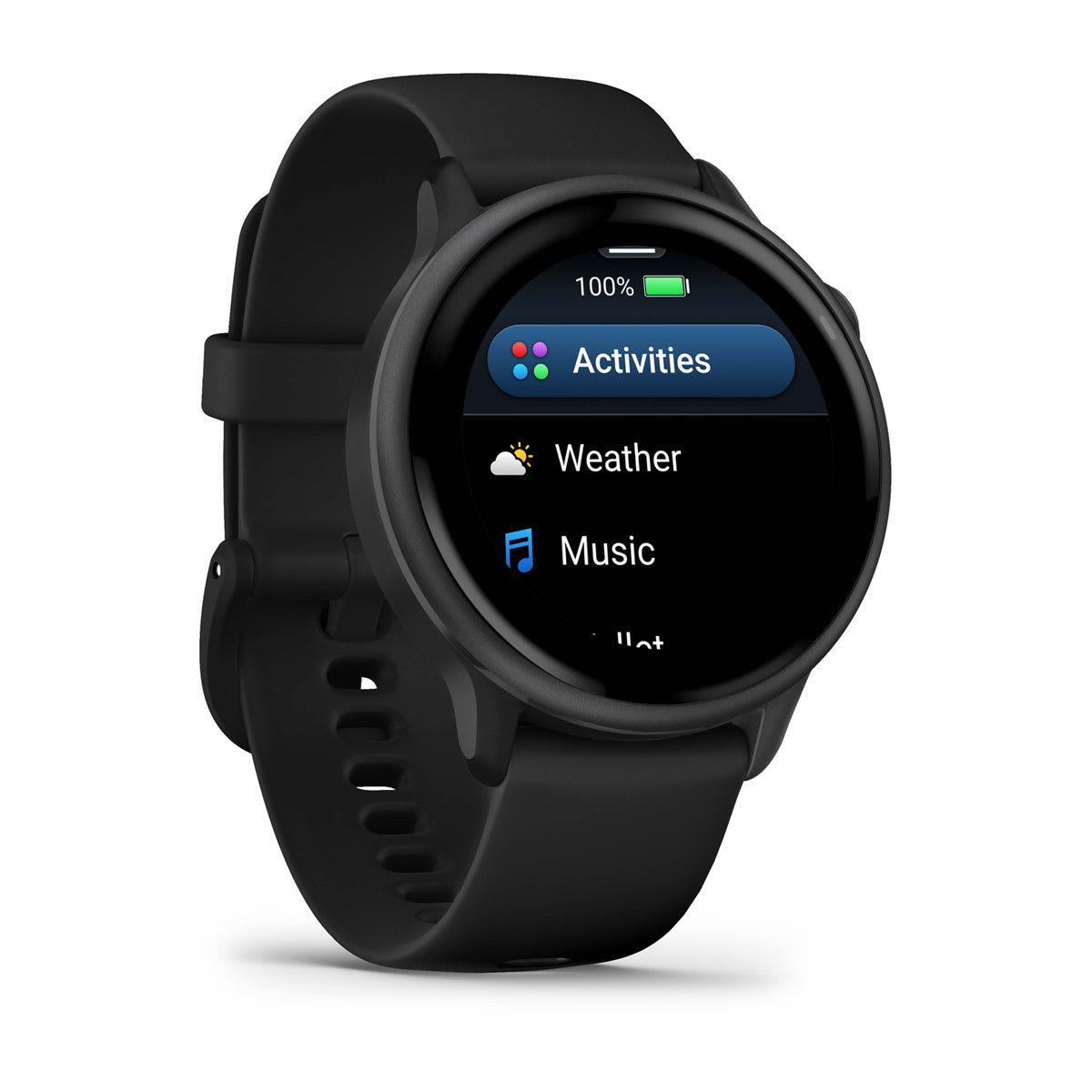
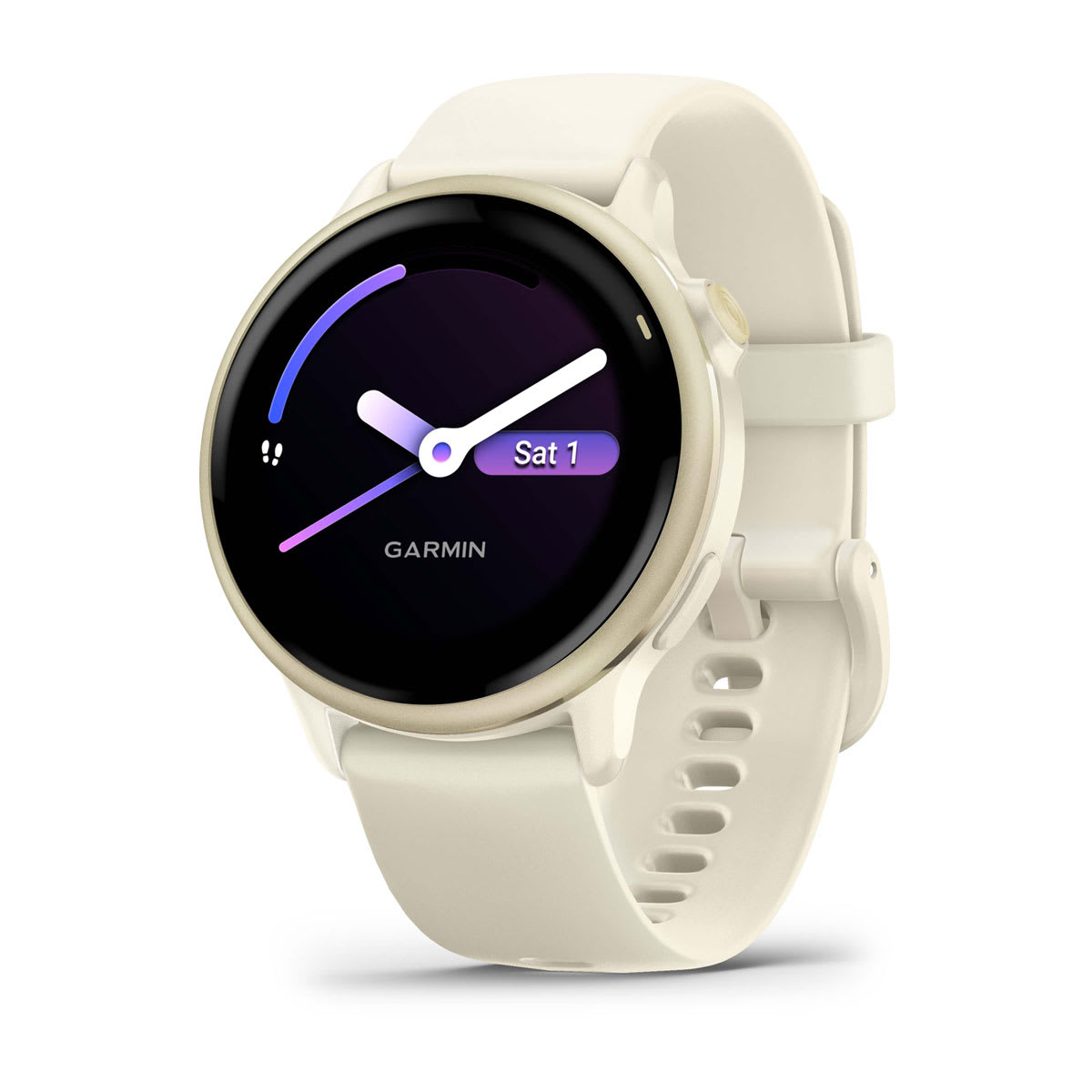
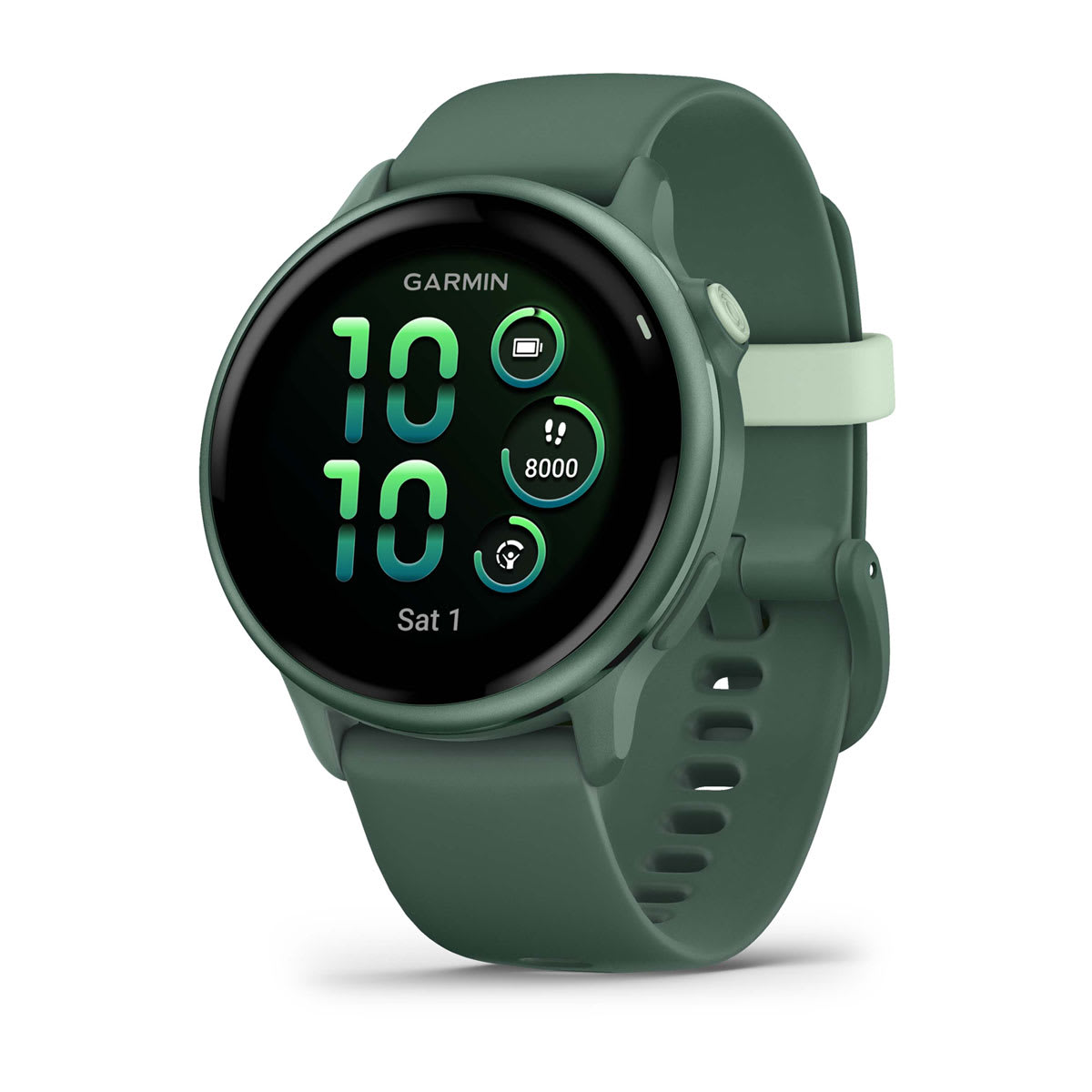
Specifications
- Display
- 1.2-inch (30.4 mm) AMOLED touchscreen, 390x390 pixels, optional always-on mode, Corning Gorilla Glass 3 lens
- Case
- 42.2 x 42.2 x 10.9 mm; fiber-reinforced polymer case with anodized aluminum bezel; 23 g (36 g with included silicone band); 20 mm quick-release band; fits wrists of 125-190 mm
- Battery
- Up to 11 days in smartwatch mode (5 days with always-on display); Battery Saver smartwatch mode up to 21 days; GPS-only up to 21 hours; all-systems GNSS up to 17 hours; all-systems GNSS with music up to 8 hours
- Storage
- 8GB for music, apps and history
- Navigation
- GPS, GLONASS, Galileo, QZSS and BeiDou; compass, gyroscope, accelerometer
- Health
- Garmin Elevate wrist heart rate, Pulse Ox (spot-check, optional all-day and during sleep), Body Battery, advanced sleep with sleep coach, HRV status, respiration, all-day stress, women's health tracking, ambient light sensor
- Features
- Garmin Pay, music storage with Spotify, Amazon Music and Deezer, 80+ preloaded sports apps, Garmin Coach plans, wheelchair mode, smart wake alarm, Connect IQ, smart notifications
- Connectivity
- Bluetooth, ANT+, Wi-Fi; works with iPhone and Android
- Durability
- 5 ATM water rating (swim)
- Colors
- Black/Slate, Bone/Lunar Gold, Jasper Green, Pink Dawn
The Garmin Vivoactive 6 is a round, 42 mm health and fitness smartwatch that Garmin announced on 1 April 2025 at a suggested retail price of $299.99. It is the brand's lifestyle-oriented model: an AMOLED touchscreen, a light aluminium and polymer body, a long list of everyday health tools and enough sport tracking to cover most gym and outdoor routines, without the cost or bulk of the fenix or Forerunner families. This page is a review based on the published specifications and manufacturer information. It looks at where the watch sits in Garmin's lineup, what the battery figures really describe, and which buyers will find it a good match.
Where it sits in the lineup
Garmin positions the Vivoactive line between simple activity trackers and the dedicated sports watches. The Vivoactive 6 shares most of its health software with the more expensive models: Body Battery, sleep coaching, HRV status, stress tracking and morning reports all appear on the specification sheet. What it leaves out are the features that drive up the price of a flagship, such as multi-band positioning, routable maps and the deepest training analytics. If you want a watch with a premium AMOLED display and a stronger sports focus, look at the Garmin Venu X1, and if running is the priority, the Forerunner 170 and Forerunner 70 are the natural neighbours. For a direct look at how the Vivoactive 6 compares with a rugged multisport watch, see Garmin Vivoactive 6 vs Garmin fenix 8. The rankings page shows where all of these watches land across the catalog.
Design and display
The case measures 42.2 x 42.2 x 10.9 mm. Garmin lists a weight of 23 g for the watch itself and 36 g with the included silicone band. The case is fiber-reinforced polymer with an anodized aluminium bezel, and the screen is covered by Corning Gorilla Glass 3. The band is a standard 20 mm quick-release design, so third-party straps fit, and Garmin gives a wrist range of 125 to 190 mm. Four colour combinations are offered: Black/Slate, Bone/Lunar Gold, Jasper Green and Pink Dawn.
The display is a 1.2-inch (30.4 mm) AMOLED panel with a resolution of 390 x 390 pixels. Garmin's announcement describes it as an even brighter AMOLED display than before, which is a manufacturer claim and not a measured figure. An always-on mode is optional, and the battery table makes the price of using it explicit. The touchscreen is the main way to navigate, with physical buttons for the essentials, and a large-font option is listed for readability. Compared with a memory-in-pixel screen, AMOLED gives deeper blacks and sharper watch faces, but the trade-off is that leaving it on all day uses a meaningful share of the battery.
Health and wellness tools
This is where the Vivoactive 6 spends most of its feature budget. The wrist-based heart rate sensor runs continuously, and Pulse Ox blood oxygen can be taken as a spot check or, optionally, throughout the day and during sleep. Garmin notes that Pulse Ox is not available in every country and is not a medical device. Respiration rate, resting heart rate, abnormal heart rate alerts and fitness age are listed as well.
Body Battery is Garmin's energy score, and the company says it factors in sleep, naps, stress and activity. The sleep feature set is broad: sleep score and stages, nap detection, a sleep coach that gives personalised guidance, sleep breathing variations and a smart wake alarm that tries to vibrate during a lighter stage within a window you set. HRV status is tracked during sleep. Stress tracking, relaxation reminders, breathwork and meditation round out the wellness side, and women's health tracking covers menstrual cycle and pregnancy with exercise and nutrition guidance. A morning report summarises sleep, recovery, Body Battery and your calendar. Garmin also includes wheelchair mode, which tracks pushes and gives weight-shift alerts, although the announcement notes that not all features work in that mode.
Sports and training
More than 80 sports apps come preloaded, and the specification table lists categories from gym work such as strength, HIIT and indoor rowing to running, cycling, pool and open-water swimming, golf, racket sports, snow sports and team sports. For people who prefer being told what to do, Garmin Connect provides step-by-step strength, HIIT, yoga, Pilates and mobility workouts, daily suggested walking workouts and Garmin Coach plans, some of which adapt as you train. Running-specific numbers include cadence, stride length and ground contact time, plus PacePro guidance for grade-adjusted pacing, workout benefit and recovery time.
Positioning relies on GPS together with GLONASS, Galileo, QZSS and BeiDou. The watch uses single-frequency satellite reception as far as the published material shows; the sheet does not mention multi-band support, so serious trail or urban-canyon runners should treat that as a point to check. A compass, gyroscope and accelerometer are included.
Battery and charging
Garmin quotes up to 11 days in smartwatch mode, falling to about 5 days with the always-on display enabled. Battery Saver smartwatch mode stretches that to up to 21 days. In GPS use, the figures are up to 21 hours in GPS-only mode and up to 17 hours in all-systems mode, and up to 8 hours in all-systems mode while playing music from the watch. These are manufacturer figures measured under Garmin's own conditions, so heavy notification use, frequent screen wake-ups and workouts with music will land below the headline number. Charging uses a Garmin proprietary plug charger, and a lithium-ion cell is fitted; the capacity in mAh is not published on the page we relied on, so it is omitted here.
Smart features and phone support
The watch pairs with iPhone and Android and handles notifications, calendar, weather, stocks, a calculator and Find My Phone. On Android, replies and call rejection with preset texts are possible, and Garmin's announcement mentions an on-watch keyboard for Android replies. Garmin Pay offers contactless payments where banks and countries support it. Music storage is included, with 8GB of memory in total, and downloads from Spotify, Amazon Music and Deezer are listed (Deezer requires a subscription). Connectivity covers Bluetooth, ANT+ and Wi-Fi, and Connect IQ adds third-party watch faces, data fields and apps. Safety features can send your live location to emergency contacts when an incident is detected, provided the watch is connected to a compatible smartphone.
Who it is for
The Vivoactive 6 suits people who want a good-looking, comparatively slim watch that does health tracking well and is also a competent sports companion. A walker, gym-goer, yoga or Pilates fan, or someone building up to a first 10K, gets Garmin's recovery and sleep tools and structured plans without paying for a flagship. Wheelchair users get dedicated tracking. Anyone who already lives in the Garmin Connect ecosystem will find the software familiar.
Compromises to weigh
- Always-on trade-off: the 11-day figure assumes the display is off between glances; with always-on, Garmin itself says about 5 days.
- Positioning: there is no mention of dual-frequency GNSS, and no offline maps or routing on the specification table.
- Medical-grade features: the sheet lists no ECG app; Pulse Ox and similar readings are wellness tools, not diagnostics.
- Size and materials: the polymer case and Gorilla Glass 3 keep weight low, but they are not the sapphire and titanium of the premium lines.
- Price versus rivals: at $299.99 it competes with feature-rich budget wearables that offer longer headline battery claims, so the choice often comes down to software and ecosystem preference.
In short, the Vivoactive 6 is an easy recommendation for everyday health and general fitness, and a less obvious one for competitive runners or navigation-heavy outdoor use.
Where it ranks
Compare Garmin Vivoactive 6 with similar devices
More from Garmin
Frequently asked questions
When was the Garmin Vivoactive 6 released?
The Garmin Vivoactive 6 was released on 2025-04-01, according to the manufacturer’s published information.
How much does the Garmin Vivoactive 6 cost?
The estimated range for the Garmin Vivoactive 6 is $270 to $330 in US dollars, based on the launch list price. Actual prices vary by country, retailer and storage option.
What are the main specs of the Garmin Vivoactive 6?
Headline figures for the Garmin Vivoactive 6: Battery life: 11 days. The full specification table is further up this page.
Is the Garmin Vivoactive 6 worth buying?
That depends on your priorities. Use the editorial review on this page for our view, check the rankings above to see where the device stands on battery, display and camera, and compare it directly with similar models before you decide.