Smartwatches
Garmin Forerunner 70
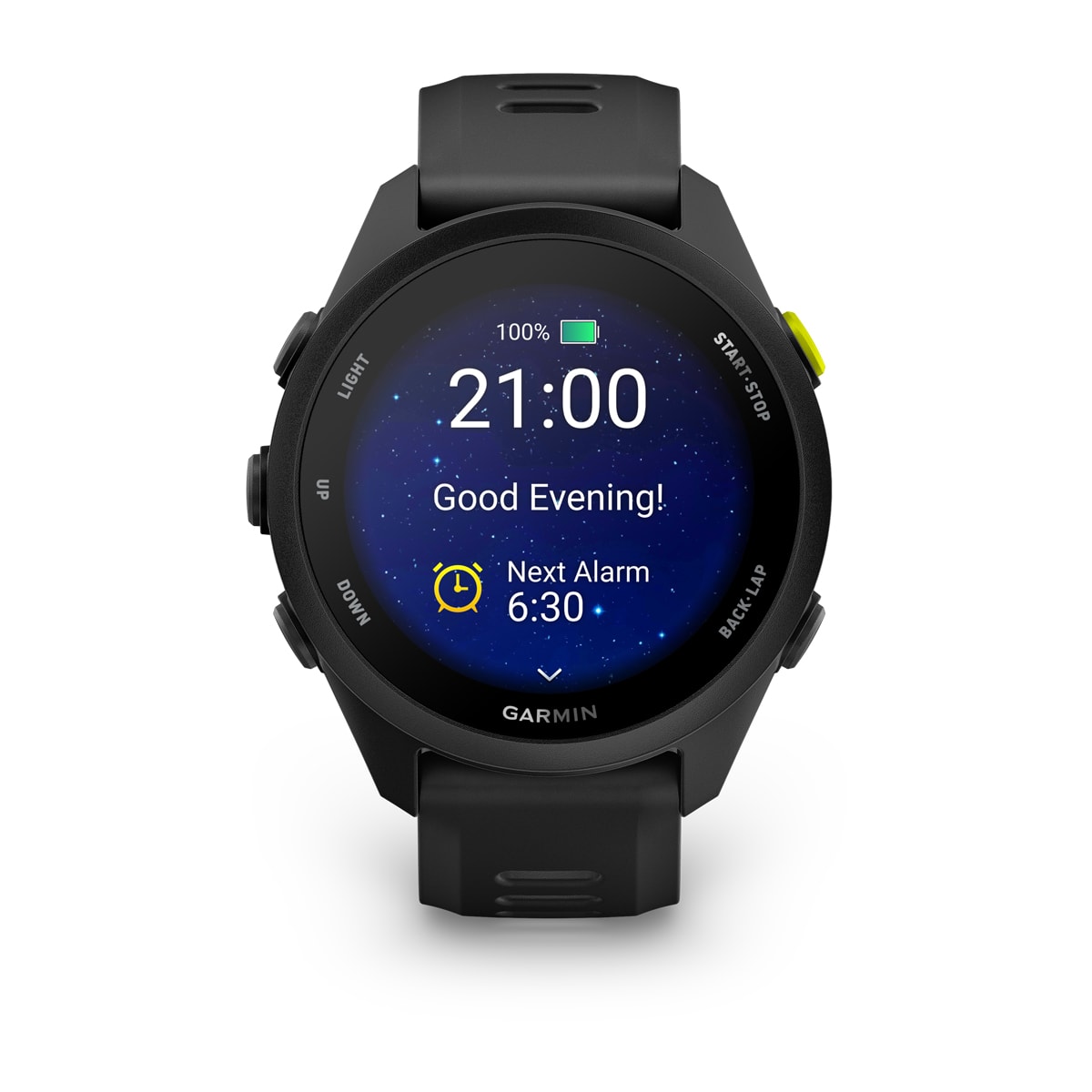
Garmin's entry-level 2026 running watch has a 1.2-inch AMOLED touchscreen, built-in GPS, adaptive training plans and up to 13 days of battery life in smartwatch mode, for $249.99.
Key figures at a glance
Gallery
Specifications
- Display
- 1.2-inch (30.4 mm) AMOLED touchscreen, 390x390, optional always-on mode, five-button design, chemically strengthened glass
- Body
- Fiber-reinforced polymer bezel, silicone strap; 42.6 x 42.6 x 11.9 mm; 40 g; 20 mm quick-release bands; fits wrists 126-203 mm
- Battery
- Up to 13 days in smartwatch mode (up to 5 days with always-on display), up to 28 days in battery saver mode, up to 23 hours in GPS-only mode, up to 16 hours in all-systems GNSS mode
- Memory
- 512 MB
- Positioning
- GPS, GLONASS and Galileo
- Sensors
- Garmin Elevate wrist heart rate monitor, Pulse Ox blood oxygen (not available in all countries)
- Connectivity
- Bluetooth, ANT+; smart notifications and LiveTrack with a paired smartphone
- Durability
- 5 ATM water resistance
- Training
- Quick workouts, Garmin Coach adaptive plans including run/walk, daily suggested workouts, training readiness, training status, wrist-based running power, running dynamics
- Sports
- 80+ built-in sports apps including running, swimming, cycling and strength training
- Health
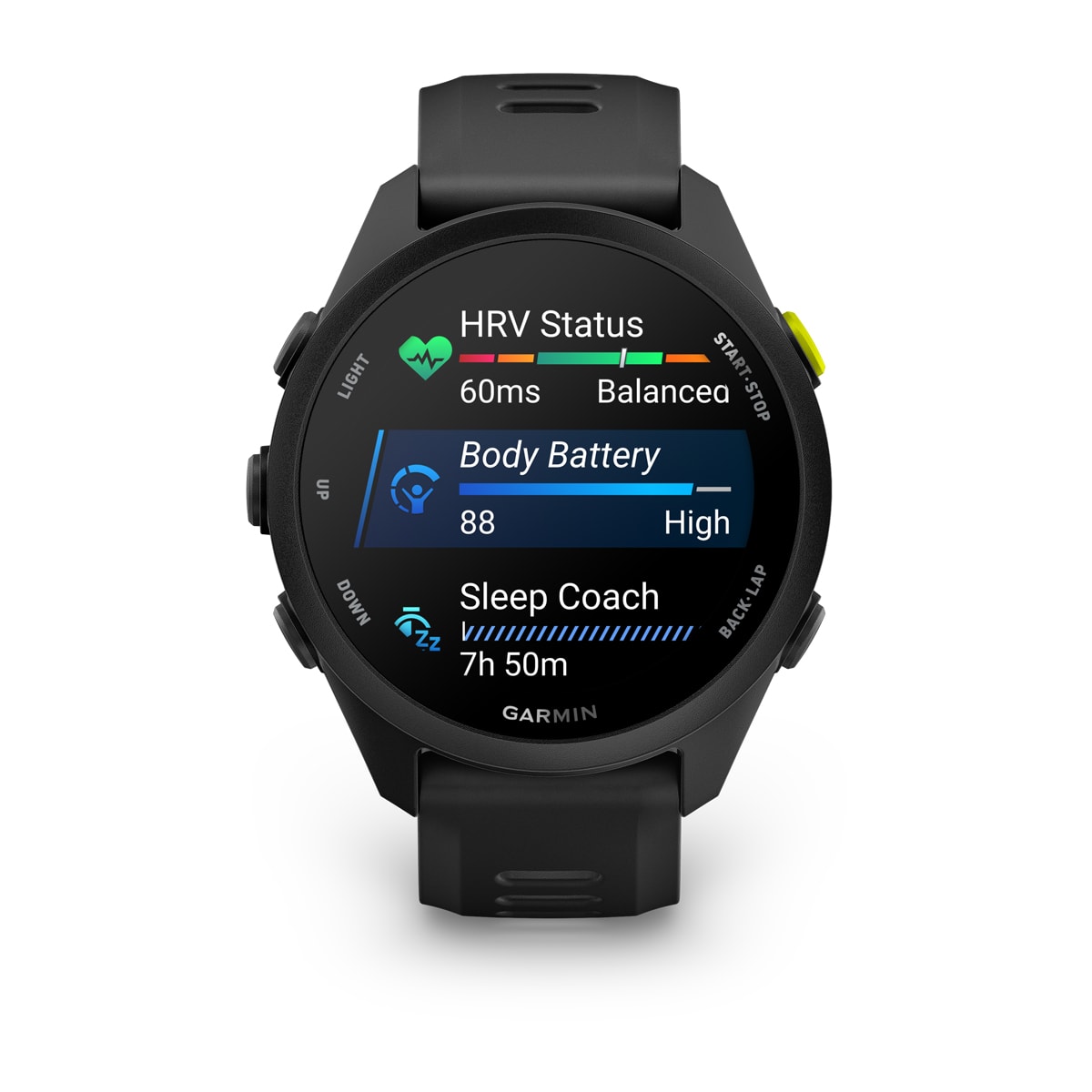
- Advanced sleep tracking, sleep coach, breathing variations, HRV status, lifestyle logging, Health Status
- Compatibility
- Garmin Connect app for iPhone and Android; Connect IQ watch faces and data fields
- Colors
- Citron, soft pink, tidal blue, cool lavender, black, whitestone
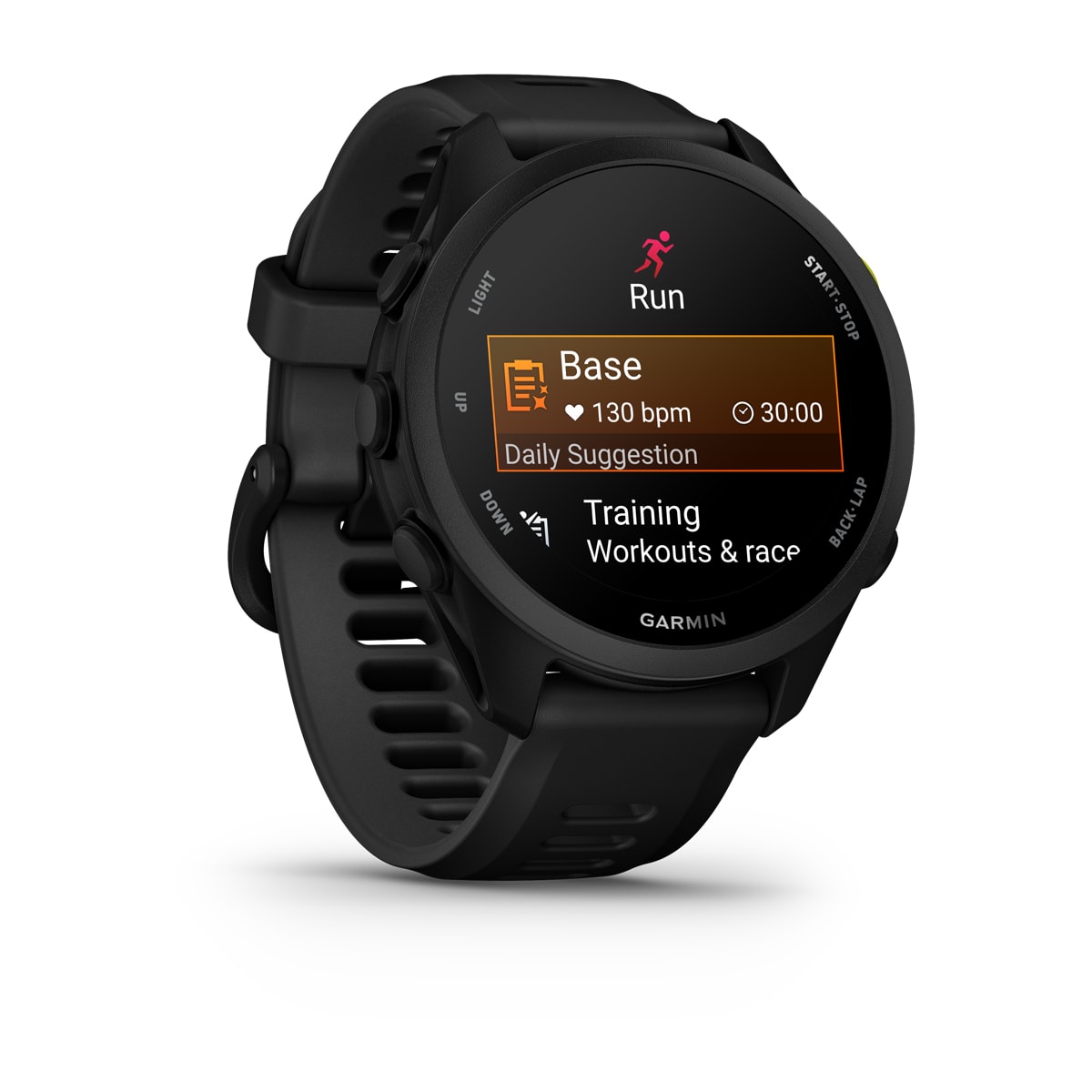
The Garmin Forerunner 70 is an entry-level GPS running watch that Garmin announced on May 12, 2026, alongside the Forerunner 170 family. It went on sale through garmin.com on May 15, 2026 at a suggested price of $249.99. The watch combines a 1.2-inch AMOLED touchscreen with a traditional five-button layout, built-in GPS, wrist-based heart rate, adaptive training plans and up to 13 days of battery life in smartwatch mode. Garmin positions it as a starting point for new and aspiring runners that borrows training tools from its more advanced Forerunner models. This page is based on the published specifications and manufacturer information, and it covers the place in the lineup, the design, the training and health features, battery life, and the trade-offs.
Place in the lineup
Garmin launched the Forerunner 70 and Forerunner 170 together, and the difference is straightforward. The Forerunner 70 is the cheaper, simpler model; the Garmin Forerunner 170 adds Garmin Pay contactless payments, more storage, and an optional Music edition for offline playlists, at $299.99 (or $349.99 for the Music version). Above both sits the Garmin Forerunner 970, the premium running flagship, and the fenix line, such as the Garmin fenix 8, serves outdoor and multisport users with much larger budgets. If you want to see how an entry-level model stacks up against a premium one, the page Forerunner 70 vs Forerunner 970 shows the gap in specifications. For a broader view, check the rankings.
The published figures show an interesting trade: the extra features of the Forerunner 170 cost some endurance. Garmin lists the Forerunner 170 at up to 10 days in smartwatch mode (4 days with the display always on), 19 days in battery saver mode and up to 20 hours of GPS-only tracking, against 13, 28 and 23 hours for the Forerunner 70. The 170 also weighs 41 g instead of 40 g and carries 4 GB of storage rather than 512 MB. Buyers who rarely pay by watch and do not listen to music while running may therefore prefer the Forerunner 70 for its longer battery and lower price.
Design and display
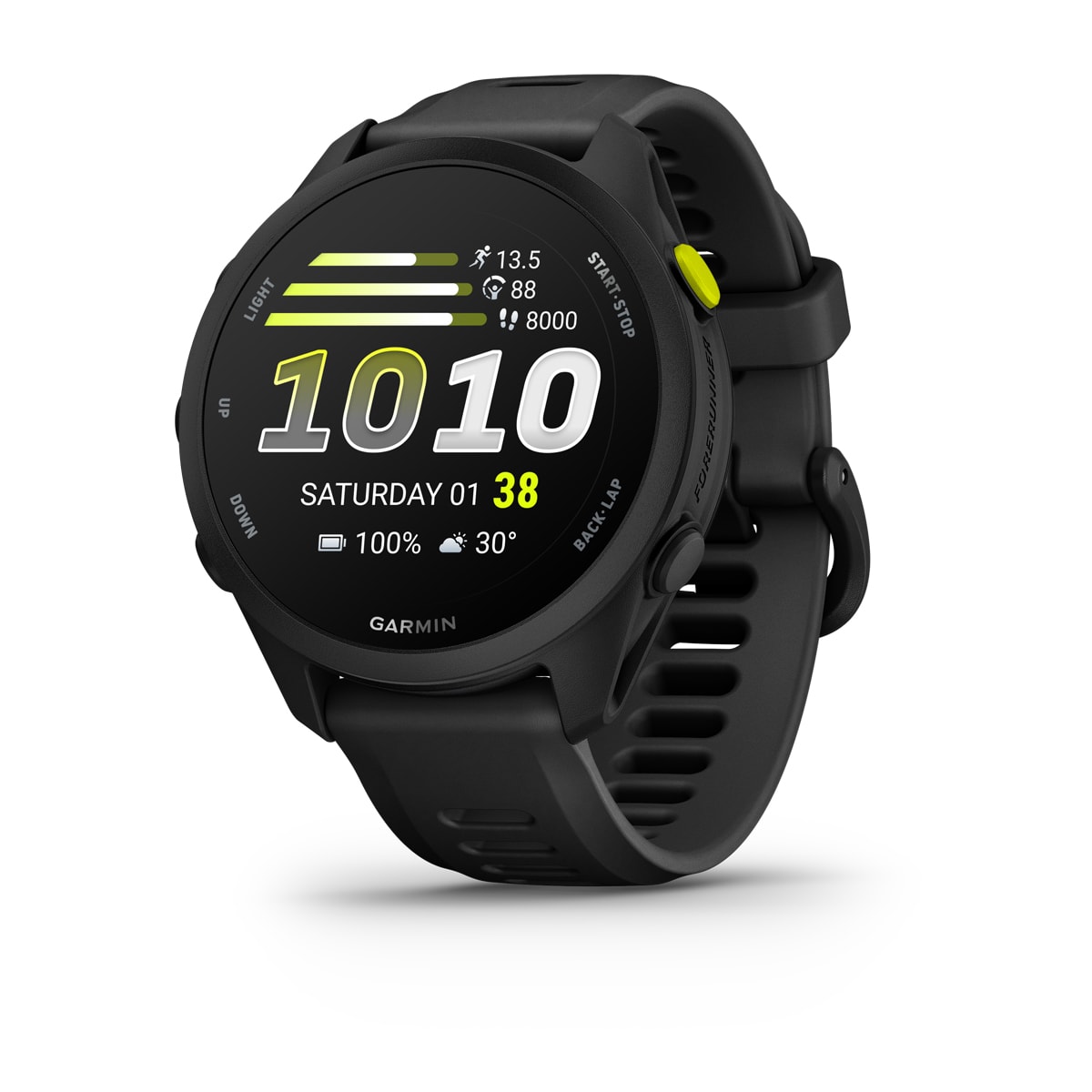
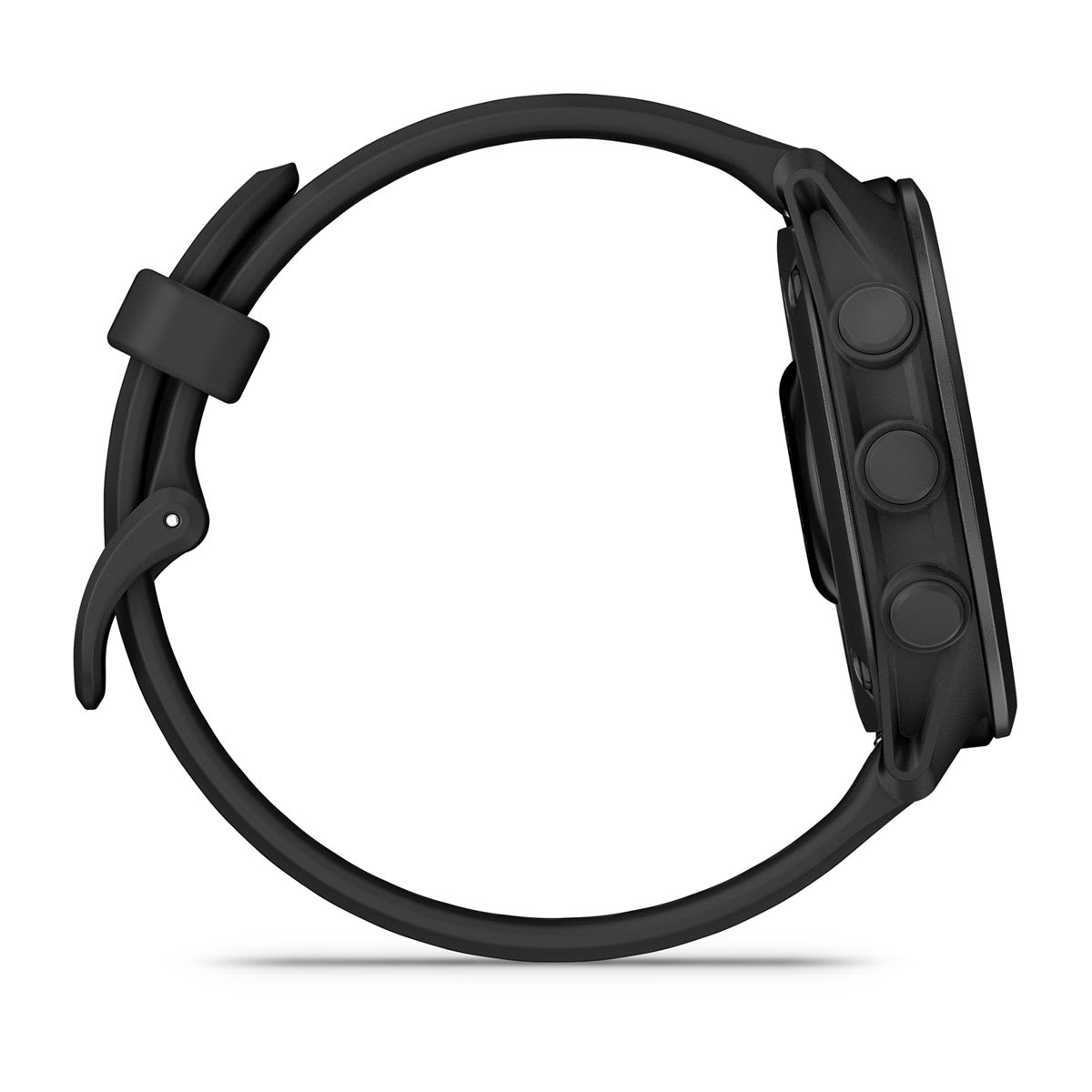
The case measures 42.6 x 42.6 x 11.9 mm and weighs 40 g without any extras, according to Garmin's regional specification page. The bezel is fiber-reinforced polymer, the lens is chemically strengthened glass and the strap is silicone with a 20 mm quick-release fitting, so standard 20 mm bands will fit. Garmin states that the watch suits wrists from 126 to 203 mm in circumference. Water resistance is rated at 5 ATM, equivalent to a depth of 50 meters according to the manual; Garmin points to its own water-rating guidance for details.
The screen is a 1.2-inch (30.4 mm) AMOLED panel with 390 x 390 pixels, a touchscreen and an optional always-on mode. Garmin did not publish a refresh-rate or peak-brightness number in the sources used here, so neither is listed. Garmin highlights that the five physical buttons remain alongside the touchscreen, which is helpful with sweaty fingers or gloves. Colors announced are citron, soft pink, tidal blue, cool lavender, black and whitestone, which gives the Forerunner 70 a more casual look than the stealthier tones of premium models.
Training and software
For running, the Forerunner 70 records time, distance, pace and wrist-based heart rate with built-in GPS, GLONASS and Galileo support. Garmin adds new "quick workouts", which suggest a session based on your fitness level and need only two inputs: how long you have and how hard you want to train. Garmin Coach training plans adapt daily to health and recovery metrics, and new plans include run/walk intervals and lower-volume options for beginners. Daily suggested workouts, including run/walk sessions, adjust after every run to match your performance and recovery.
More advanced features, which Garmin says come from its Human Performance Lab, include training readiness, training status, wrist-based running power and running dynamics. The watch also provides more than 80 built-in sports apps, covering swimming, cycling, strength training and more, so it is not limited to running. A list of profiles on Garmin's spec page includes running variants, indoor sports, cycling, pool swimming and winter activities. The page also lists customizable data screens, interval training, race predictions, VO2 max and finish-time estimates. It connects to the Garmin Connect app on iPhone or Android and supports Connect IQ watch faces and data fields, according to the specification table.
The published material does not mention onboard maps or music storage on this model; if you want to run phone-free with playlists, the Forerunner 170 Music is the relevant option.
Health and everyday use
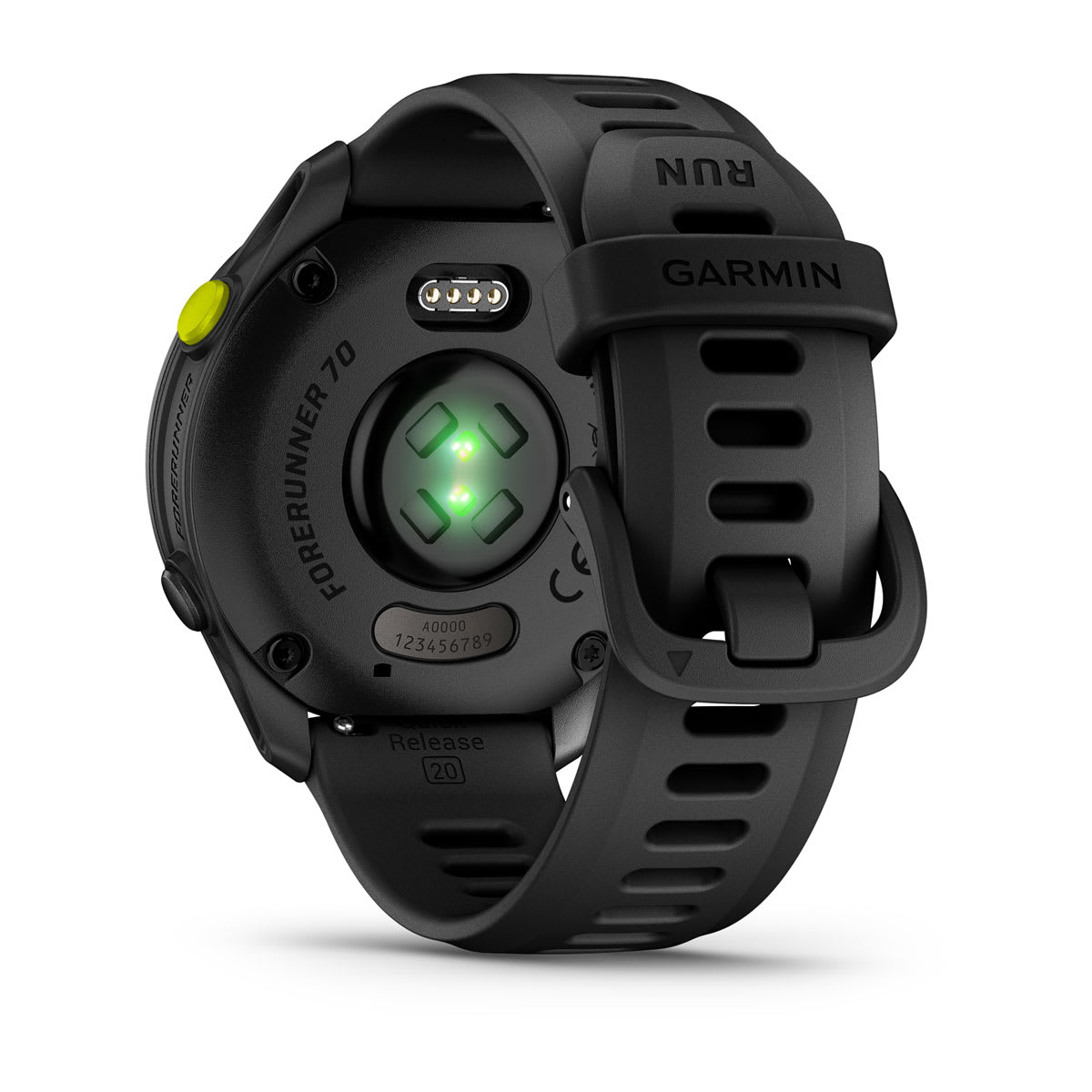
Garmin lists 24/7 monitoring that includes advanced sleep tracking, a sleep coach, breathing variations, heart rate variability status, Pulse Ox, lifestyle logging and Health Status. The company notes that these are not medical devices and that Pulse Ox and breathing variations are not available in all countries. Smart notifications arrive from a paired smartphone, and Garmin also lists safety and tracking features and LiveTrack, which require a compatible phone. Connectivity is Bluetooth and ANT+.
Battery life
Garmin rates the Forerunner 70 at up to 13 days in smartwatch mode, or up to 5 days with the display always on. Battery saver smartwatch mode extends that to up to 28 days. In GPS-only mode the manual and the specification list up to 23 hours; with all satellite systems enabled it falls to up to 16 hours. These are manufacturer figures obtained under specific conditions, and heavy notification traffic, bright screen settings or frequent workouts will shorten them. For most runners training four or five times a week, a charge every one to two weeks is a reasonable expectation, but this is an assumption, not a published claim.
The battery is a built-in lithium-ion cell, and Garmin does not publish a capacity in milliampere-hours. Charging uses a proprietary cable, and the device is sold with the watch, a charging cable and documentation.
Who it is for
- New runners who want GPS, heart rate and structured plans without a premium price.
- Returning runners who like run/walk plans and daily workout suggestions that adapt.
- Buyers who value physical buttons and a bright AMOLED screen in a light, 40 g watch.
- Casual multisport users who want more than 80 sports profiles on one device.
It is less suited to people who want to pay from their wrist or load playlists onto the watch; for those needs, the Forerunner 170 is the step up. Serious trail and ultra runners who want navigation will want to look at higher-end Garmin or other brands.
Compromises
- No payments or music. Garmin Pay and offline music belong to the Forerunner 170 family.
- Small memory. The specification page lists 512 MB of memory and history, much less than the 4 GB in the Forerunner 170.
- Shorter GPS endurance than ultra watches. Up to 23 hours in GPS-only mode suits marathons but not multi-day or ultra efforts.
- Regional limits. Pulse Ox and breathing variations are not available in every country, and health features are not intended for medical use.
- Manufacturer claims. Battery hours and the benefits of adaptive plans are claims from Garmin's own testing.
- Entry-level materials. A polymer bezel and silicone strap keep the weight and price down but do not feel like the metal construction of premium models.
In summary, the Forerunner 70 delivers the core of a modern Garmin running watch, GPS, adaptive coaching, health tracking and a bright AMOLED screen, at $249.99. It leaves out payments, music and mapping, which is exactly what keeps it approachable for people starting out.
Where it ranks
Compare Garmin Forerunner 70 with similar devices
More from Garmin
Frequently asked questions
When was the Garmin Forerunner 70 released?
The Garmin Forerunner 70 was released on 2026-05-15, according to the manufacturer’s published information.
How much does the Garmin Forerunner 70 cost?
The estimated range for the Garmin Forerunner 70 is $225 to $275 in US dollars, based on the launch list price. Actual prices vary by country, retailer and storage option.
What are the main specs of the Garmin Forerunner 70?
Headline figures for the Garmin Forerunner 70: Battery life: 13 days. The full specification table is further up this page.
Is the Garmin Forerunner 70 worth buying?
That depends on your priorities. Use the editorial review on this page for our view, check the rankings above to see where the device stands on battery, display and camera, and compare it directly with similar models before you decide.