Smartwatches
COROS PACE 3
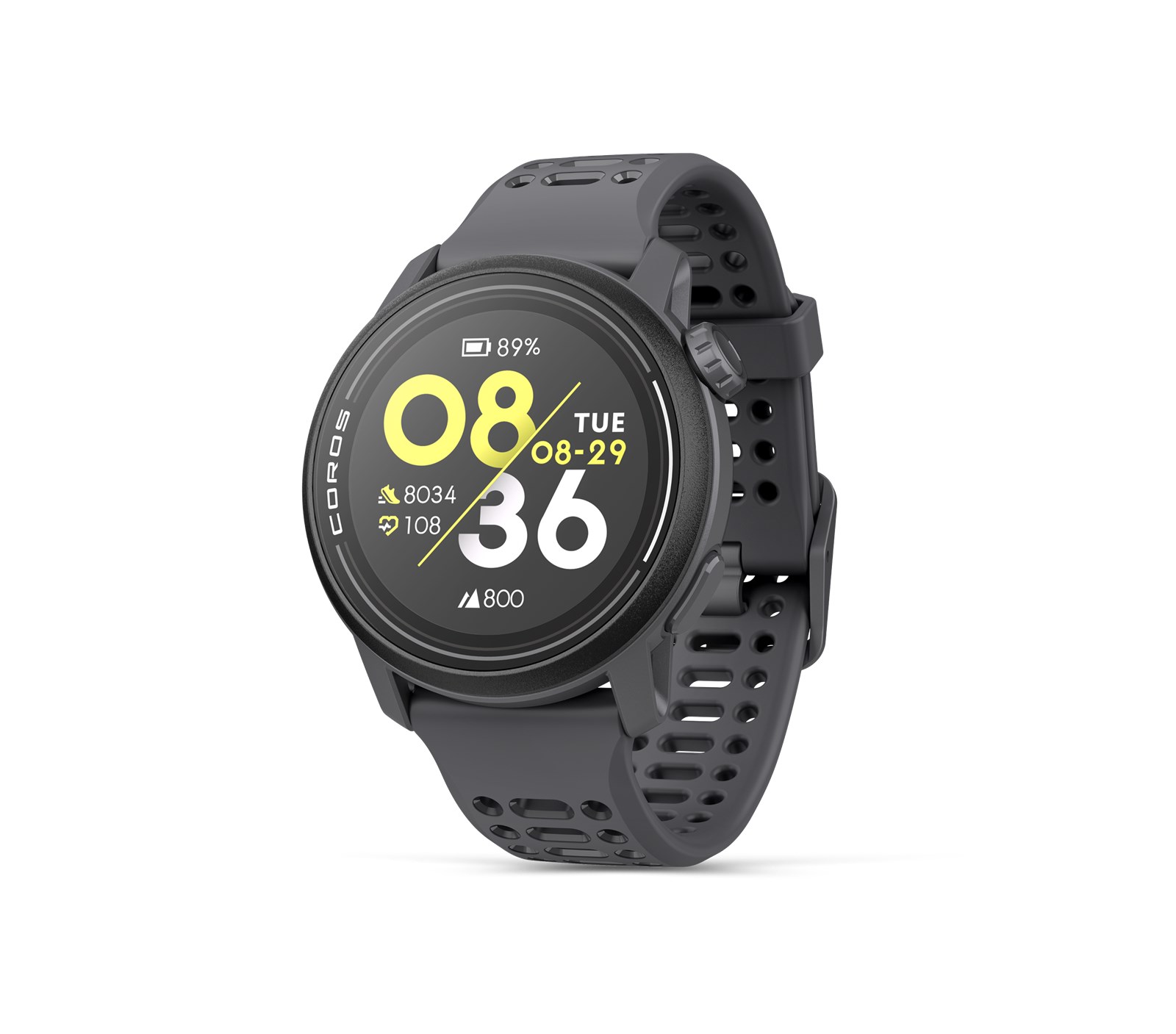
The COROS PACE 3 is a 30 g running watch with a 1.2-inch always-on touchscreen, optional dual-frequency GPS, up to 38 GPS hours or 15 days of regular use, and a US price of $229.
Key figures at a glance
Gallery
Specifications
- Display
- 1.2-inch always-on transflective touchscreen with mineral glass and a night mode
- Body
- 11.7 mm thick; 30 g with nylon band; silicone and nylon band options; 20 mm quick-release bands
- Battery
- Up to 15 days of regular use; up to 38 hours of full GPS (standard GPS mode)
- Positioning
- GPS with optional dual-frequency mode, barometric altimeter, breadcrumb and turn-by-turn navigation
- Sensors
- Optical heart rate and SpO2 sensor (5 LEDs, 4 photodetectors), barometric altimeter
- Water Resistance
- 5 ATM
- Sports
- Run, bike, swim, strength and snow activity modes; training plans, workouts and COROS Training Hub
- Connectivity
- Bluetooth; syncs with Strava, Nike Run Club, Apple Health and Health Connect; notifications, Find My Phone, GoPro and Insta360 control
- Music
- Built-in audio support for music (per COROS)
The COROS PACE 3 is a lightweight GPS sport watch for runners and multisport athletes, launched in September 2023 as the successor to the PACE 2. COROS positions it as a watch that is comfortable enough to wear around the clock while still carrying the tools a serious training week needs: dual-frequency satellite positioning, an optical heart rate and SpO2 sensor, a barometric altimeter and a 1.2-inch always-on touchscreen. The US list price was $229. This page is a specification-and-information review based on the published specifications and manufacturer information, so every battery, accuracy and training statement below is COROS's own claim, not a measurement made here. The sections that follow cover where the watch sits in the market, its design and display, positioning and navigation, sensors and health tracking, battery, who it suits and where it compromises.
Place in the lineup
COROS describes the PACE 3 as improving on its predecessor in every way, and the product page is built around that comparison: the company shows battery drain after ten hours of GPS use for the PACE 3 against the PACE 2, and highlights a larger battery capacity and a redesigned satellite chipset. In the brand's catalogue the PACE series is the lightweight, running-first line, positioned below the rugged APEX and VERTIX models that add bigger cases, more battery and mapping. That makes the PACE 3 an entry into serious training rather than a smartwatch replacement. It does not try to run third-party apps, take calls or hold an app store; it is a sports computer on the wrist with notifications and music support added on top.
If you are comparing it with a mainstream running watch from a larger brand, the COROS PACE 3 vs Garmin Forerunner 970 table shows the gap in price class and feature depth side by side, and the Garmin Forerunner 970 page lists what a premium running watch adds. The PACE 3 sits clearly in the value segment of that comparison.
Design, weight and bands
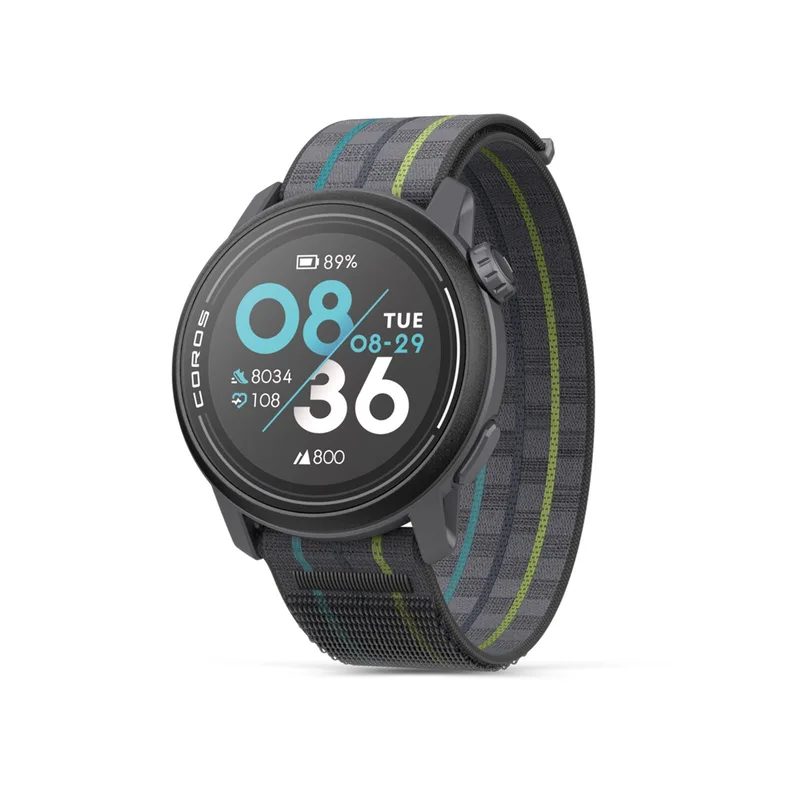
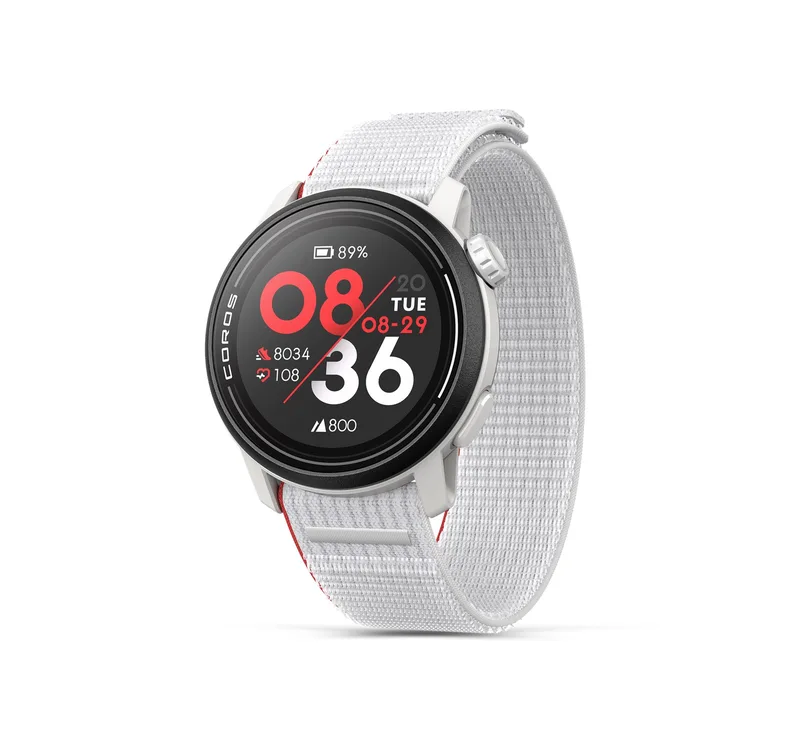
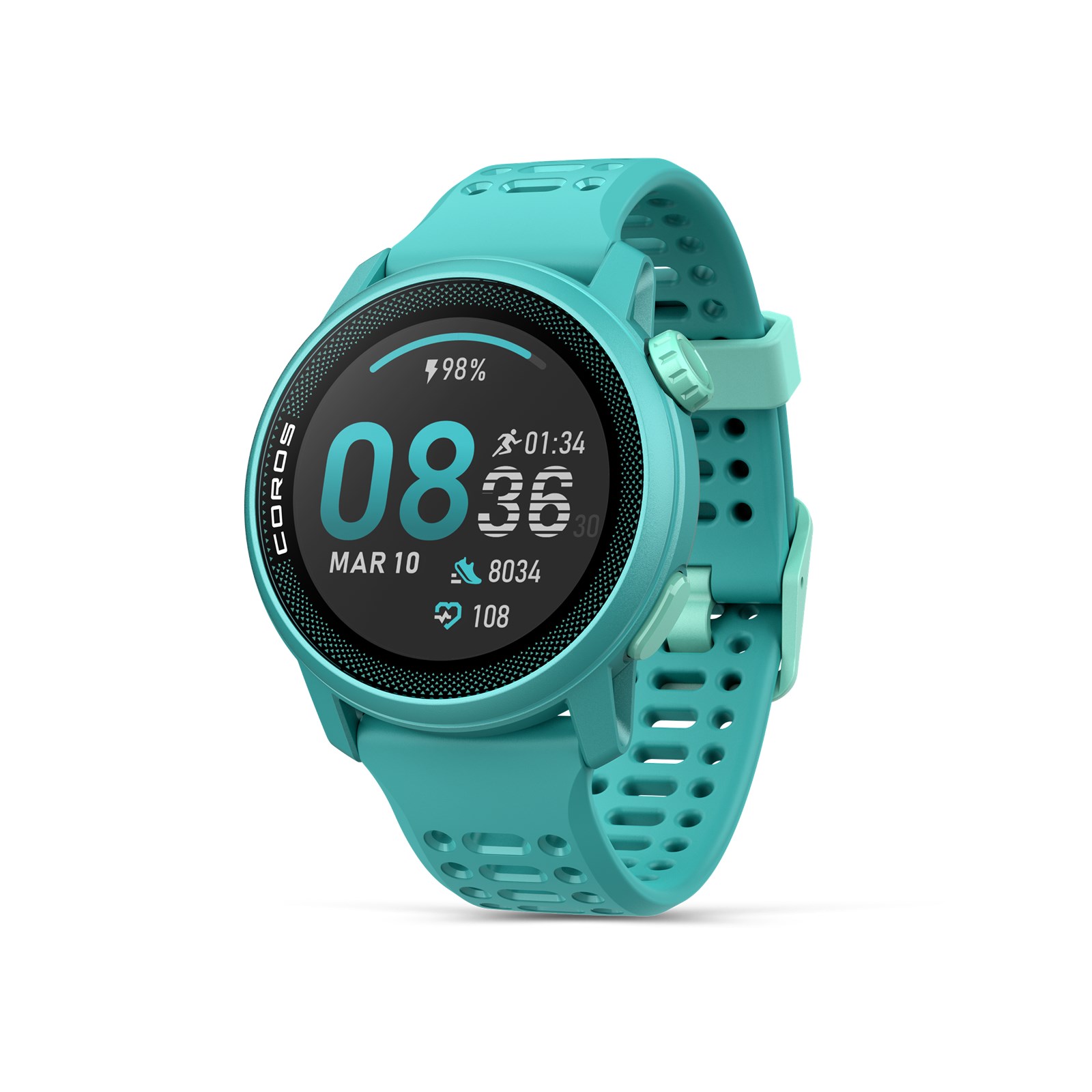
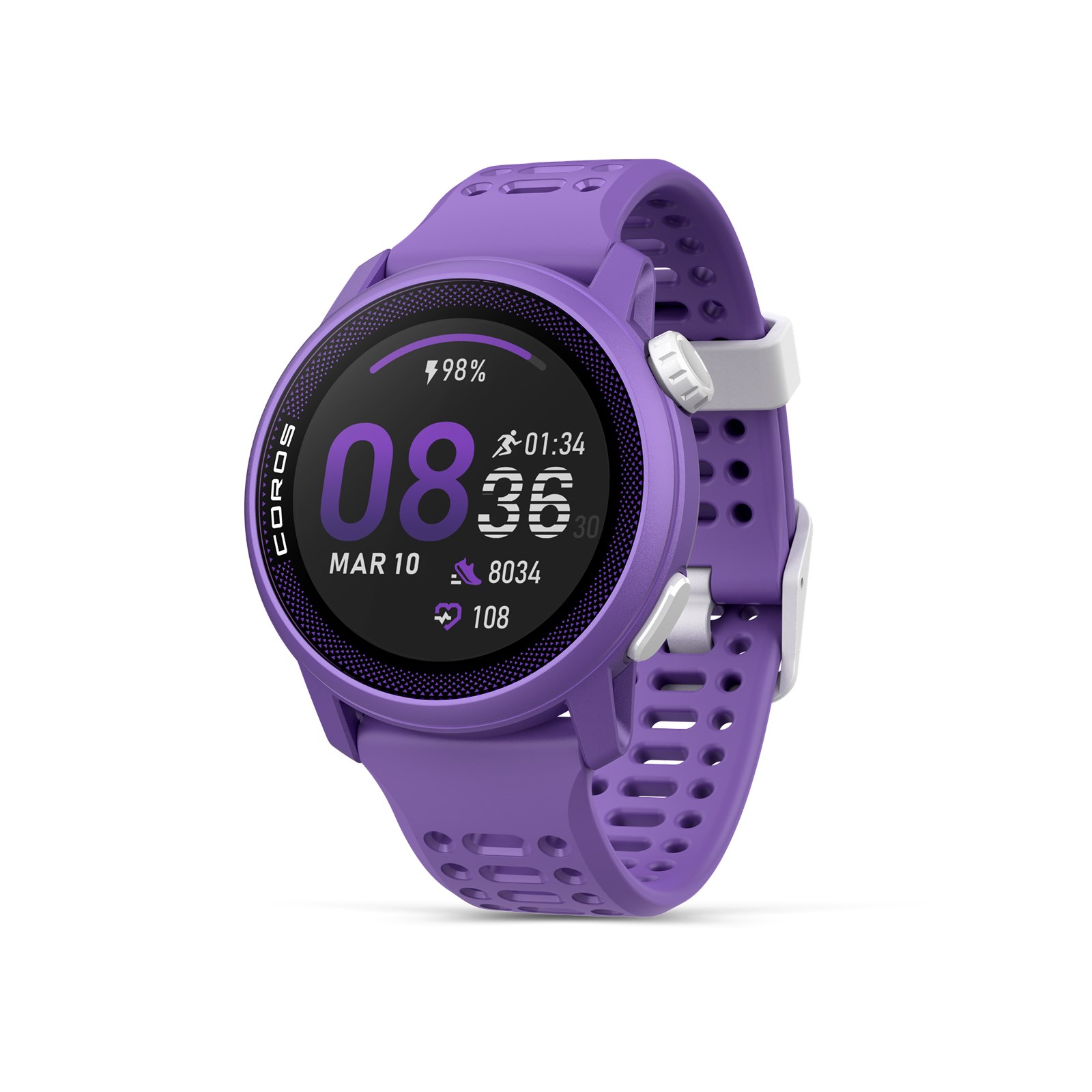
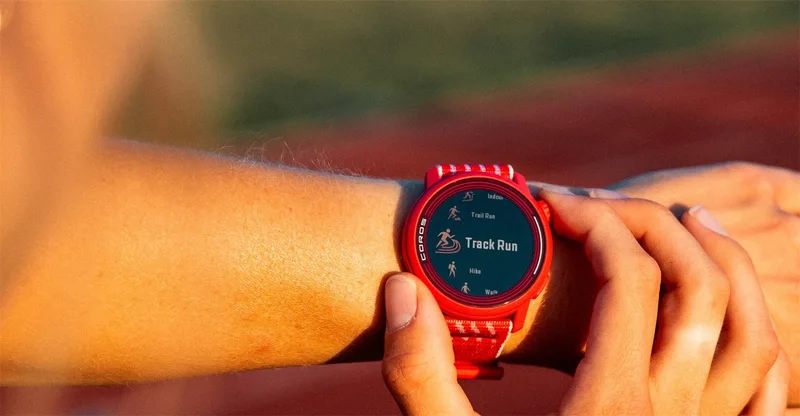
The headline number is weight: COROS quotes 30 g with the nylon band and a thickness of 11.7 mm. The company markets the watch as being made for distraction-free comfort day and night, which is why it emphasises sleep tracking and 24/7 wear. Bands are 20 mm quick-release and come in two materials. The silicone band is described as quick drying, easy to maintain and durable, while the nylon band is described as breathable and lightweight. Colour options listed on the product page include Black, White, Chalk, Ink, Emerald, Mist, Violet and Valencia, with several of them tied to a particular band type. A charging cable and a band are included in the box.
The case is not a luxury object. It is made to be worn through sweaty workouts, and the water resistance rating of 5 ATM covers showering and swimming in a pool, which is the level COROS describes with its "sweat, swim, shower" line. It is not a dive watch and COROS does not claim it is.
Display
The screen is a 1.2-inch touchscreen under mineral glass. It is always on and transflective, a technology that reflects ambient light so that the display stays readable in bright sunlight without needing much power. COROS says it adds a night mode for easy reading in the dark, and touch operation for menus. Alongside the touchscreen, the watch keeps physical controls for starting and stopping activities, which is the arrangement most runners prefer when their hands are wet or gloved. A transflective panel is less vivid than an AMOLED screen, so colours and contrast look flatter indoors, but the benefit is that the display is always visible without raising the wrist and the battery estimate does not collapse. If a colourful display is high on your list, note that COROS later moved the PACE line to AMOLED in newer models; the PACE 3 deliberately chooses visibility and endurance instead.
Positioning and navigation
COROS highlights a redesigned satellite chipset with an optional dual-frequency mode, which it says keeps GPS data accurate even in high-rise cities such as New York and Chicago, where signals bounce between buildings. Dual-frequency positioning generally improves accuracy in difficult environments but uses more power, which is why it is optional rather than the default. The standard GPS mode is the one behind the 38-hour battery figure.
The watch also has navigation tools that go beyond a simple route line. The product page lists sun movements (sunrise and sunset awareness), an elevation profile for a course before or during an activity, distance to destination, deviate alerts that tell you when you leave a route together with distance and heading to get back, checkpoints for water sources or aid stations, and exact GPS coordinates with air pressure and estimated elevation. Routes can be built or searched in the Explore page of the COROS app and synced to the watch. A barometric altimeter supports elevation measurement, a feature that matters on hills and trails. This is turn-by-turn style route guidance for training and racing, not a full topographic map display.
Sensors and health tracking
The optical heart rate sensor is described as next-generation, with five LEDs, four photodetectors and a protective glass cover, and it also works as a pulse oximeter for SpO2. COROS ties the sensor to sleep tracking, which records awake, REM, light and deep sleep and calculates resting heart rate, and to workout intensity. The company claims the most accurate wrist-based measurements possible, which is a marketing statement: wrist optical sensors vary with fit, skin tone, movement and temperature, and a chest strap remains the more reliable choice for interval work. The watch syncs data to Strava, Nike Run Club, Apple Health and Health Connect. It can show incoming texts and calls, includes a Find My Phone function and can control GoPro and Insta360 cameras from the wrist.
The activity list covers running, cycling, swimming, strength training and snow sports. Training plans from 5k to ultra distances and structured workouts can be downloaded at no extra cost, and the COROS Training Hub is a web tool for deeper analysis and communication with a coach. COROS also lists a human coaching service. The product page also lists built-in audio support so you can play music, but it does not publish a storage figure, so check current documentation before counting on a specific number of songs.
Battery
COROS quotes up to 15 days of regular use and up to 38 hours of continuous GPS in standard mode, with the footnote that all battery claims depend on features such as music, backlight and navigation, and that results will vary. Lithium-ion batteries lose capacity over charge cycles, a point COROS states openly. The practical reading is that a runner who trains five times a week with a one-hour GPS session can expect to charge roughly every week or two, and an ultramarathon runner has headroom for a long race but should use standard rather than dual-frequency GPS if the finish time is uncertain.
Who it is for
The PACE 3 suits runners and triathletes who want accurate tracking, structured plans and good battery life in a light watch at a mid-range price, and who prefer a focused sports interface to a smartwatch full of apps. It also suits people who find larger sports watches uncomfortable at night. If you want to see how it ranks against other wearables on the site, open the rankings, or browse the full smartwatches category.
Compromises
There are trade-offs. The transflective screen is less colourful than AMOLED. The watch has no offline maps, no contactless payments listed on the product page and no third-party app ecosystem, so it is not a replacement for a general smartwatch. The plastic and mineral-glass construction keeps weight down but is less scratch resistant than sapphire. Battery and accuracy numbers come from COROS and from its own test conditions. Finally, the PACE line has since moved on, and a buyer today should weigh the PACE 3 as a mature, proven model rather than the newest option, which is often an advantage when prices settle and the software has had time to mature.
Where it ranks
Compare COROS PACE 3 with similar devices
More from COROS
Frequently asked questions
When was the COROS PACE 3 released?
The COROS PACE 3 was released on 2023-09-12, according to the manufacturer’s published information.
How much does the COROS PACE 3 cost?
The estimated range for the COROS PACE 3 is $206 to $252 in US dollars, based on the launch list price. Actual prices vary by country, retailer and storage option.
What are the main specs of the COROS PACE 3?
Headline figures for the COROS PACE 3: Battery life: 15 days. The full specification table is further up this page.
Is the COROS PACE 3 worth buying?
That depends on your priorities. Use the editorial review on this page for our view, check the rankings above to see where the device stands on battery, display and camera, and compare it directly with similar models before you decide.