Smartwatches
Fitbit Ace LTE
The Fitbit Ace LTE is a kids smartwatch with built-in 4G LTE, GPS, calling and messaging, activity games and 50 m water resistance, priced at $229.95 and needing a Fitbit Ace Pass plan.
Key figures at a glance
Gallery
Specifications
- Display
- Color OLED, 333 ppi, DCI-P3, Corning Gorilla Glass 3
- Battery
- Up to 16 hours (328 mAh typical); about 30 minutes to 60%, about 70 minutes to 100%
- Case
- 41.04 x 44.89 x 13.35 mm, 28.03 g without band; band fits 120-200 mm wrists
- Water Resistance
- Water resistant to 50 m
- Connectivity
- Built-in 4G LTE (Fitbit Ace Pass subscription required), Wi-Fi 802.11 b/g/n 2.4GHz, Bluetooth 5.0, NFC (Tap to Pay), GPS/GNSS
- Sensors
- Accelerometer, optical heart rate sensor, altimeter, magnetometer, ambient light sensor, gyroscope
- Audio
- Built-in microphone and speaker
- Compatibility
- Fitbit Ace app on Android 11 or newer or iOS 16 or newer
- Target age
- Kids 7 and up
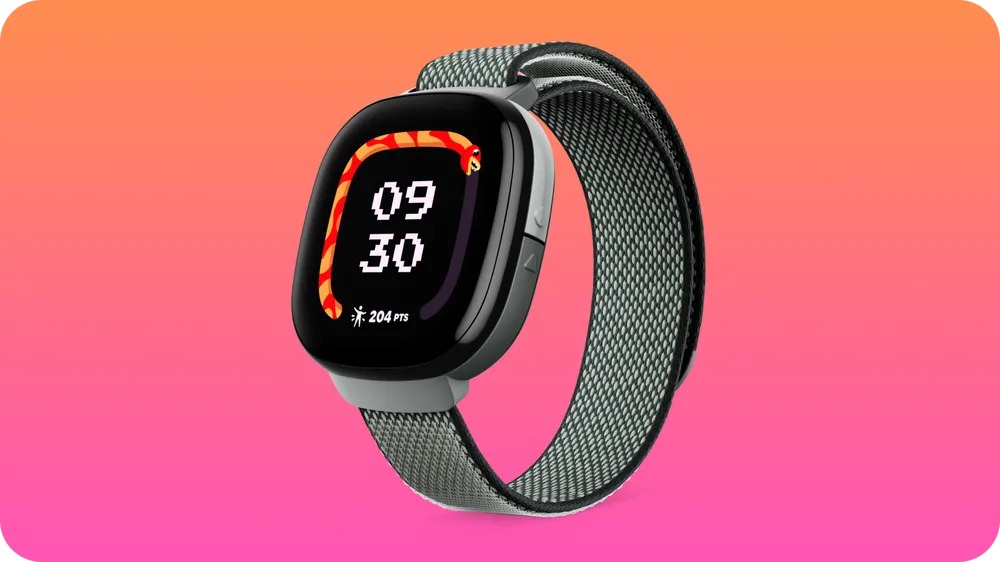
The Fitbit Ace LTE is a smartwatch designed specifically for children, and it differs from the adult watches on this site in almost every way that matters: it is built around a parent's phone, a game-like activity system and a cellular connection that works without the child owning a phone. It was announced on 29 May 2024, with sales beginning on 5 June 2024, at a price of $229.95 in the United States. This overview is based on the published specifications and manufacturer information, so it describes what the watch is designed to do and marks Google's statements as claims.
Where it sits in the lineup
The Ace LTE sits at the top of Fitbit's kids range. Earlier Ace models focused on activity tracking and games; the LTE version adds a built-in 4G radio, GPS and the ability to call and message approved contacts. It is aimed at children aged seven and up and is managed through the Fitbit Ace app on the parent's Android 11 or newer phone, or iPhone running iOS 16 or newer according to the Google Store specification page (the launch announcement quoted iOS 15, so the requirement may have been raised since). It is not an adult product with a smaller case; the content, the privacy rules and the games are designed around children. For a rival with a different philosophy, compare it with the Garmin Bounce 2, which targets the same family use. Adult-oriented devices such as the Pixel Watch 3 serve a very different audience.
Design and display
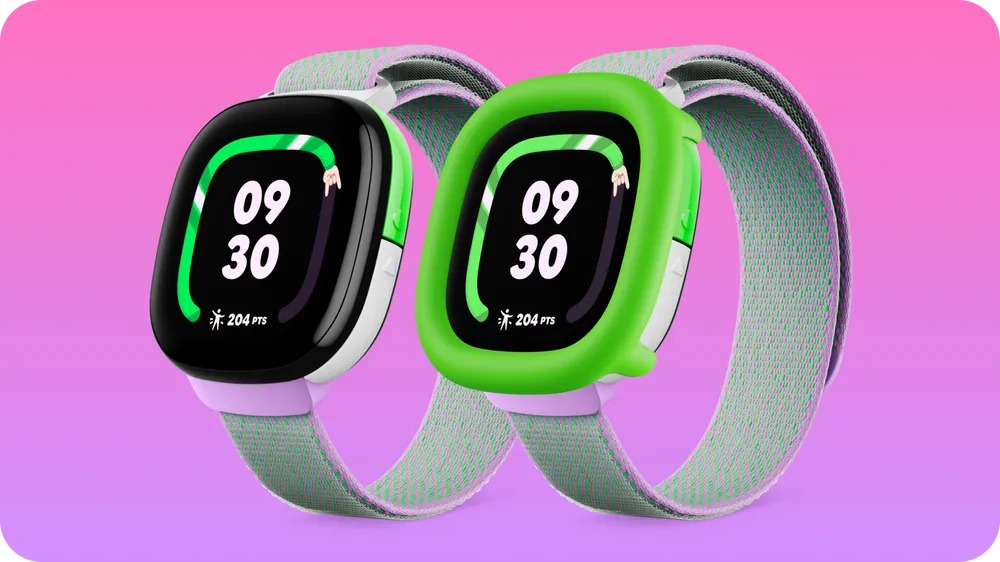
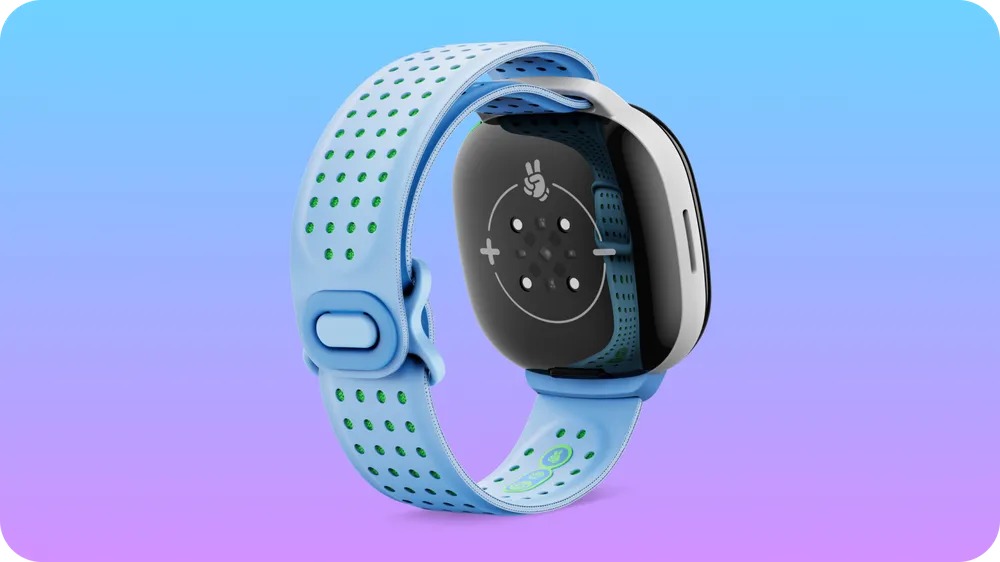
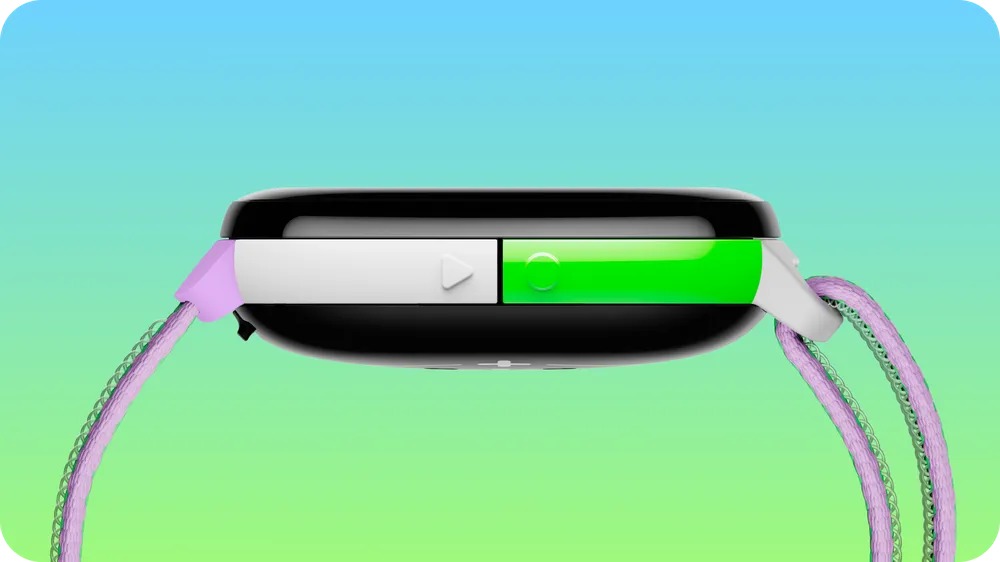
The case measures 41.04 by 44.89 mm and is 13.35 mm thick, weighing 28.03 g without the band. The screen is a colour OLED display with a density of 333 pixels per inch and coverage of the DCI-P3 colour range, covered by Corning Gorilla Glass 3. Google does not state the diagonal size of the display on the pages we used, so we do not either. The band fits wrists from 120 to 200 mm in circumference, which covers a wide range of children. A protective bumper is included in the box, and the watch is water resistant to 50 metres; Google adds that it is not waterproof, a distinction parents of swimmers and bath-time wearers should note.
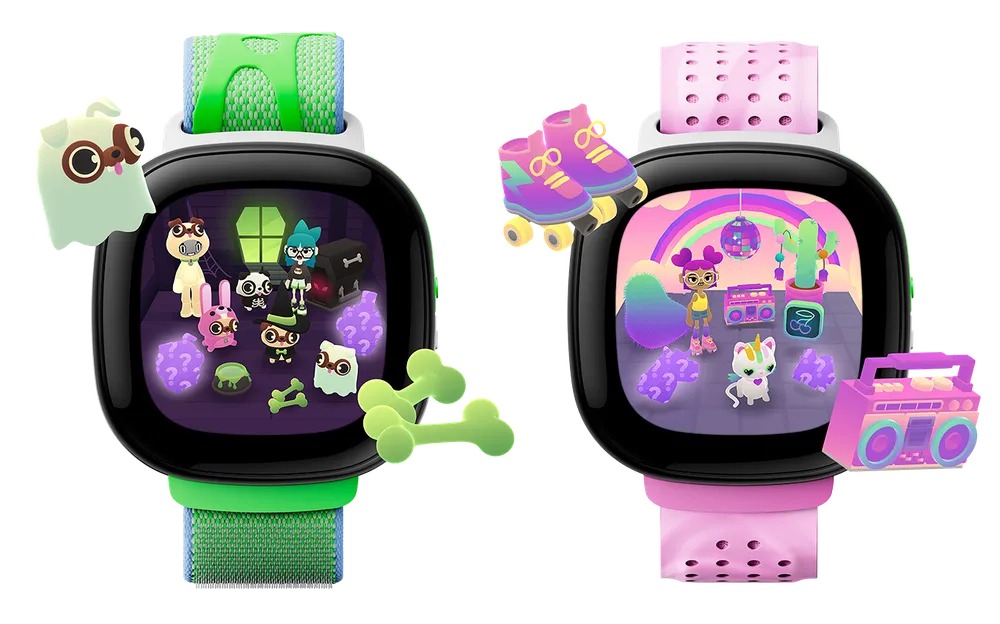
Bands are a central part of the design. Google sells collectable bands separately, with names such as Strange Arcade, Moovin', Spooky Pugs, Glitterbomb Skate, Camp Nightmare and Courtside. Each band unlocks items, rooms and creatures in the watch's game world the first time it is attached, which turns an accessory into a reason to keep wearing the watch. Whether that is clever design or a gentle sales funnel depends on your point of view. Buyers on the annual Ace Pass plan received a free band in the launch offer, in the United States.
Cellular, location and communication
The headline feature is built-in 4G LTE. It requires the Fitbit Ace Pass subscription, which at launch cost $9.99 per month or $119.99 per year; no SIM card, activation fee or visit to a carrier store is needed. Parents can see the child's real-time location, make and receive calls, exchange text and voice messages, add trusted contacts and set School Time to limit distractions during lessons. The watch also contains Wi-Fi (802.11 b/g/n on 2.4GHz), Bluetooth 5.0, NFC and GPS with GNSS support. Setup requires Wi-Fi and an Ace Pass plan.
Google states that only contacts added by the parent can call or message the child, that there are no ads or third-party apps, that location data is deleted after 24 hours and that activity data is deleted after up to 35 days. These are the company's claims, and parents should read the current privacy terms. Google also cautions that calling and location sharing depend on network conditions and may not be reliable in an emergency, so the watch should be treated as a convenience rather than a safety device. NFC supports Tap to Pay, which the launch announcement said was planned to arrive a couple of months after launch, and availability may depend on region.
Activity and games
Instead of adult fitness metrics, the Ace LTE uses a playful system. A ring on the home screen called Noodle tracks the daily movement goal. Small creatures called Eejies live in a virtual place called Bit Valley and grow healthier as the child moves. Fitbit Arcade offers 3D games that are unlocked by activity, with new games promised every few months. The movement algorithm was developed with Google Research, Google says. The sensor set is broad for a children's watch: accelerometer, optical heart rate sensor, altimeter, magnetometer, gyroscope and ambient light sensor, along with a built-in microphone and speaker for calls.
The design logic is to reward activity and not screen time alone. The risk, as with all gamified products, is that children may focus on the rewards rather than the movement. That can be managed by parents with School Time and by choosing how many bands to buy.
Battery and charging
Google gives battery life as more than 16 hours, based on testing of pre-production hardware in 2023, and the Google Store lists the same figure. The battery is a rechargeable lithium-ion cell with a typical capacity of 328 mAh. Charging reaches 60 percent in about 30 minutes, or about 11 hours of use, and 100 percent in about 70 minutes, using the USB-C fast charging cable in the box. In practice that means a child's watch must be charged every night, and a forgotten charge will leave the watch useless the next afternoon. For parents who want weeks of battery life, a basic tracker is a better fit than a cellular smartwatch.
Who it is for
This watch suits families who want to give a child some independence, such as walking to school or visiting friends, without handing over a full smartphone. It is also a reasonable fit for children who respond to game-based motivation. It is less suitable for families who do not already have an Android or iOS phone for the parent, who cannot commit to a monthly plan or who want long battery life.
To see how it compares with another family watch, open the Fitbit Ace LTE versus Garmin Bounce 2 comparison, or browse the rankings.
Compromises to weigh
- Ongoing cost: the watch costs $229.95, and the Fitbit Ace Pass adds $9.99 per month or $119.99 per year.
- Daily charging: 16 or more hours means a nightly routine.
- Not an emergency device: Google itself warns that calling and location may be unreliable.
- Water resistance, not waterproofing: 50 m rated, but Google says not waterproof.
- Collectable bands: the game depends partly on accessories sold separately.
- Manufacturer claims: battery life, privacy rules and game plans are Google's statements.
In short, the Fitbit Ace LTE is a thoughtfully designed first connected watch for children: it trades long battery life and low cost for location sharing, calling, privacy controls and a movement-based game world that many families will find worth the price.
Where it ranks
Compare Fitbit Ace LTE with similar devices
More from Fitbit
Frequently asked questions
When was the Fitbit Ace LTE released?
The Fitbit Ace LTE was released on 2024-06-05, according to the manufacturer’s published information.
How much does the Fitbit Ace LTE cost?
The estimated range for the Fitbit Ace LTE is $207 to $253 in US dollars, based on the launch list price. Actual prices vary by country, retailer and storage option.
What are the main specs of the Fitbit Ace LTE?
Headline figures for the Fitbit Ace LTE: Battery life: 16 h. The full specification table is further up this page.
Is the Fitbit Ace LTE worth buying?
That depends on your priorities. Use the editorial review on this page for our view, check the rankings above to see where the device stands on battery, display and camera, and compare it directly with similar models before you decide.