Apple Watch Series 10 Review: Bigger Screen, Same Winning Formula
8.9/10
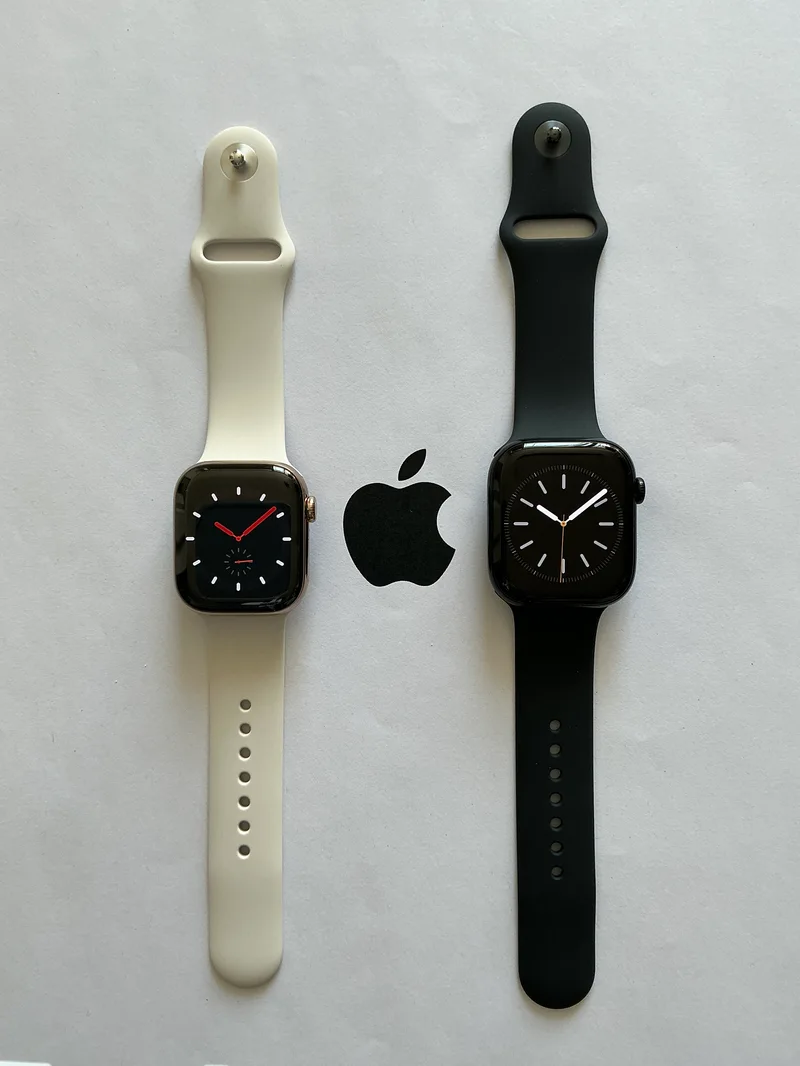
The Apple Watch Series 10 marks the biggest physical redesign the Apple Watch has received since the Series 4 introduced the larger display format back in 2018. The case is thinner, the display is up to 30% larger in usable area compared to the Series 9 at equivalent case sizes, and Apple added a wide-angle OLED panel that remains legible at extreme viewing angles — genuinely useful for checking the time or a notification with your wrist barely turned.
Available in 42mm and 46mm case sizes, the Series 10 runs on Apple’s S10 chip, built around the same efficiency cores found in the A16 Bionic that also powers the iPhone 15. Apple does not chase raw performance with Watch silicon the way it does with iPhone chips — the S10’s job is running watchOS smoothly and processing health sensor data efficiently, not benchmark scores.
Health features
Apple added FDA-approved sleep apnea detection with the Series 10, using the accelerometer to detect breathing disturbances during sleep and flag potential signs of moderate-to-severe sleep apnea over a 30-day period — a genuinely significant health feature that moves the Apple Watch further into medical-adjacent territory. The existing ECG and blood oxygen sensors continue alongside always-on heart rate monitoring, and the watch now also supports water depth and temperature sensing for casual swimming and snorkeling use.
Battery life
Apple rates the Series 10 at 18 hours of typical use, a figure that has remained stubbornly similar across several Apple Watch generations despite efficiency improvements, because Apple consistently spends those efficiency gains on new features (like the sleep apnea detection’s background sensor processing) rather than extending battery life. In practice, most owners charge nightly, which conflicts somewhat with using sleep tracking features unless charging habits adjust to a different part of the day.
iPhone-only, as always
The Apple Watch remains exclusively compatible with iPhones, a restriction unchanged since its 2015 launch. This is the single biggest factor in any smartwatch purchase decision for iPhone owners: no Wear OS watch, however capable, integrates with iOS as deeply as Apple’s own watch does.
How it compares
For iPhone owners, the comparison against the Galaxy Watch6 or Pixel Watch 2 is moot — neither pairs with iOS. Within Apple’s own lineup, the Series 10 offers nearly everything the pricier Ultra 2 does for most users, minus the Ultra’s ruggedized case and multi-day battery mode.
Design and materials
Beyond the thinner case, Apple introduced a new polished titanium finish option alongside the standard aluminum case, giving Series 10 buyers a lighter, more scratch-resistant premium material option that previously required stepping up to the pricier Watch Ultra line. The wide-angle OLED panel’s off-axis legibility is a genuinely noticeable upgrade in daily use, particularly when glancing at the watch while it is resting flat on a desk or table rather than raised to eye level.
Pricing and lineup context
At $399 for the 42mm aluminum model at launch, the Series 10 costs more than either the Galaxy Watch6 or Pixel Watch 2, reflecting Apple’s consistent premium pricing across the Watch lineup. Apple’s trade-in program for older Apple Watch models can meaningfully offset this for existing owners upgrading, and the Series 10’s feature set now covers nearly everything the significantly pricier Watch Ultra 2 offers except ruggedized durability and extended multi-day battery modes.
Common complaints
Battery life remains the most persistent criticism across every Apple Watch generation including the Series 10 — the rated 18 hours means genuinely all-day use without a mid-day top-up is not realistic for anyone using always-on display, workout tracking, or cellular connectivity heavily, and nightly charging remains mandatory for most owners. A smaller complaint from reviewers involves the new sleep apnea detection feature requiring several nights of data collection before providing any results, meaning it is not a same-night feature the way marketing sometimes implies.
Fitness and workout tracking
Apple’s workout tracking remains among the most refined in the industry, with automatic workout detection, detailed running metrics (including running power and vertical oscillation on supported models), and deep integration with third-party apps like Strava that sync seamlessly without the setup friction some Wear OS fitness app integrations still require. The Series 10 also adds a temperature-sensing water depth feature for casual swimmers, tracking water temperature alongside depth for recreational snorkeling.
Ecosystem lock-in, for better and worse
Family Setup allows an Apple Watch to be paired with a family member’s iPhone rather than requiring the wearer to own an iPhone themselves, useful for children or elderly relatives, a flexibility neither Samsung nor Google’s Wear OS ecosystems currently replicate as smoothly. The tradeoff, as with every Apple Watch generation, is total lock-in: switching to an Android phone later means the watch becomes largely unusable beyond basic timekeeping, a genuinely significant switching cost worth weighing before committing to the platform.
Software and app ecosystem
watchOS 11’s widget-based Smart Stack, which surfaces relevant complications based on time of day and location automatically, is a genuinely useful refinement that makes glancing at the watch face feel more purposeful than earlier watchOS versions, and the deep App Store library means third-party apps for banking, transit, and fitness are almost always available and well-maintained on Apple Watch first, before (if ever) reaching Wear OS.
Who should look elsewhere
Existing Series 9 owners will find the upgrade marginal, since the S10 chip is nearly identical in performance and most software features arrived via a watchOS update available to older models too; the display size increase is the main reason to consider skipping a generation and upgrading now instead. Buyers wanting genuinely rugged durability for outdoor sports or diving should look at the pricier Watch Ultra 2 instead, which offers a titanium case as standard along with a dramatically longer multi-day battery mode the Series 10 does not match.
Verdict
The Series 10’s larger, flatter display, new titanium option, and genuinely useful sleep apnea detection make it the best Apple Watch yet for the price, though battery life remains its one persistent weak point across the entire product line, and the iPhone-only requirement remains the biggest practical constraint on the purchase decision. Score: 8.9/10.
Related Reading
See our resale value guide for how smartwatches hold up financially compared to phones.