Samsung Galaxy S25 Review: Refinement Over Reinvention
8.7/10
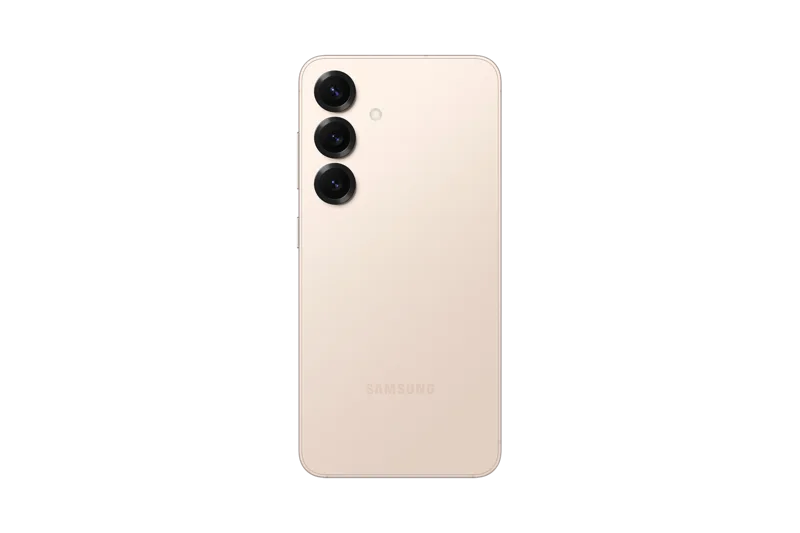
Samsung's habit of quietly refining its compact flagship rather than reinventing it continues with the Galaxy S25, and after two years of the S23 and S24 keeping the same 6.2-inch footprint, that consistency has become the phone's biggest selling point. What's new this time is a faster chip shared across the entire lineup, a noticeably smarter Galaxy AI assistant, and a body that finally sheds the slightly boxy feel of its predecessors in favor of gently rounded edges that sit better in the hand during long scrolling sessions.
Display and design
The 6.2-inch Dynamic AMOLED 2X panel keeps the same 2340x1080 resolution and 120Hz LTPO refresh rate as the S24, but peak brightness climbs meaningfully, which matters more in daily outdoor use than the unchanged resolution figure suggests. The frame is thinner at the edges than the previous two generations, and Samsung has shaved a few grams off the overall weight without sacrificing the reassuring, slightly dense feel that separates a flagship from a mid-ranger. Gorilla Glass Victus 2 on the front and a new anti-reflective coating cut down on glare noticeably compared to the S24 when using the phone outdoors on a bright day.
Performance
Every Galaxy S25 model, regardless of region, ships with a variant of the Snapdragon 8 Elite for Galaxy, which ends the split-silicon confusion that dogged earlier S-series generations where some regions got a weaker Exynos chip. In practice this means multitasking between a dozen browser tabs, a couple of camera-heavy social apps, and a game in the background stays fluid far longer than on the S24, and thermal throttling under sustained load — like a 20-minute gaming session — arrives noticeably later. With 12GB of RAM standard across the whole line, background app retention is excellent, and Samsung's DeX desktop mode, when connected to an external display, handles genuinely demanding split-screen workflows without stutter.
Camera system
The 50MP main sensor carries over largely unchanged from the S24, which remains one of the most dependable point-and-shoot cameras on any Android phone, producing consistent color science across daylight, indoor, and low-light shots without the oversaturation Samsung was once known for. The 10MP 3x telephoto and 12MP ultrawide round out a genuinely versatile three-lens system that covers most everyday framing needs without switching to a dedicated zoom lens. What has changed is processing: Galaxy AI's on-device generative editing tools — object removal, reframing, and portrait studio effects — run noticeably faster than on the S24, cutting a several-second wait down to something closer to instant on most edits.
Battery life and charging
The 4,000 mAh cell is unchanged from the S24 on paper, but the more efficient Snapdragon 8 Elite stretches that capacity further in real-world testing, adding what feels like an extra hour or so of screen-on time during a typical day of messaging, browsing, and camera use. 25W wired charging remains conservative next to some Chinese competitors' 80W-plus standards, but 15W Qi2 wireless charging with magnetic alignment is a genuine convenience upgrade for anyone who parks their phone on a charging pad overnight rather than plugging in a cable.
Software and Galaxy AI
The Galaxy S25 launches on Android 15 with One UI 7, and Samsung has folded several Galaxy AI features — Circle to Search, live translation during calls, and a "Now Brief" daily summary — directly into the base model rather than reserving them for the Ultra, which was not always the case in earlier generations. Samsung's update policy now guarantees several years of major Android versions plus additional years of security patches, a commitment that has closed most of the gap with Apple's longer-standing software support record and makes the base S25 a far safer long-term purchase than Samsung flagships from five or six years ago.
Durability and build quality
Samsung rates the Galaxy S25 for IP68 dust and water resistance, matching the industry standard among flagships, and the aluminum frame's tighter tolerances compared to the S24 result in a phone that feels less prone to creaking or flexing when gripped firmly, a small but noticeable difference for anyone who has dropped a phone on a hard floor before. The anti-reflective coating on the front glass also happens to reduce visible fingerprint smudging slightly compared to the S24's finish, which is a welcome side benefit rather than a headline feature. In informal drop testing from waist height onto a carpeted floor, the phone survived without incident across multiple attempts, though as with any glass-backed phone, a case remains cheap insurance against a harder fall onto concrete or tile.
How it compares
Against Apple's new iPhone 17, the Galaxy S25 keeps its advantages in optical zoom range and a more customizable Android interface, while the iPhone closes the display refresh-rate gap that used to separate the two. Against Samsung's own outgoing Galaxy S24, the improvements are real but incremental — chip efficiency, camera processing speed, and Galaxy AI responsiveness are all better, but anyone who bought an S24 within the last year has little urgent reason to upgrade immediately.
Storage, pricing, and who should buy it
Samsung offers the Galaxy S25 in 128GB, 256GB, and 512GB configurations at a $799 starting price, matching the S24's launch pricing and undercutting the iPhone 17's effective per-storage-tier cost once Apple's higher base storage is accounted for. Anyone upgrading from a Galaxy S21 or older will feel the difference immediately in camera speed and AI features; owners of an S23 or S24 should think carefully, since the year-over-year jump between adjacent S-series generations remains modest by design.
Common complaints worth knowing about
The most frequent criticism from reviewers and long-term owners alike is that Samsung's unified chip strategy, while welcome, came with a modest price increase in several international markets compared to the outgoing model, narrowing what used to be a clearer value advantage over Apple. A second recurring complaint involves the base 128GB storage tier filling up quickly once several generative AI features and their associated on-device models are installed, making the 256GB tier the more sensible starting point for most buyers rather than a purely optional upgrade.
Verdict
The Galaxy S25 is proof that a flagship doesn't need a redesign every year to stay genuinely competitive. A universal Snapdragon 8 Elite chip, faster on-device AI processing, and Qi2 magnetic wireless charging add up to a phone that refines nearly everything about the S24 without asking existing Samsung fans to relearn anything. Score: 8.7/10.
See also
Galaxy S25 product page · Galaxy S24 review · iPhone 17 review
Further reading
Curious how repairable this generation of flagships actually is? Our repairability and right-to-repair guide compares parts pricing and official repair programs across brands.