iPhone 17 Review: The Standard iPhone Finally Catches Up
8.8/10
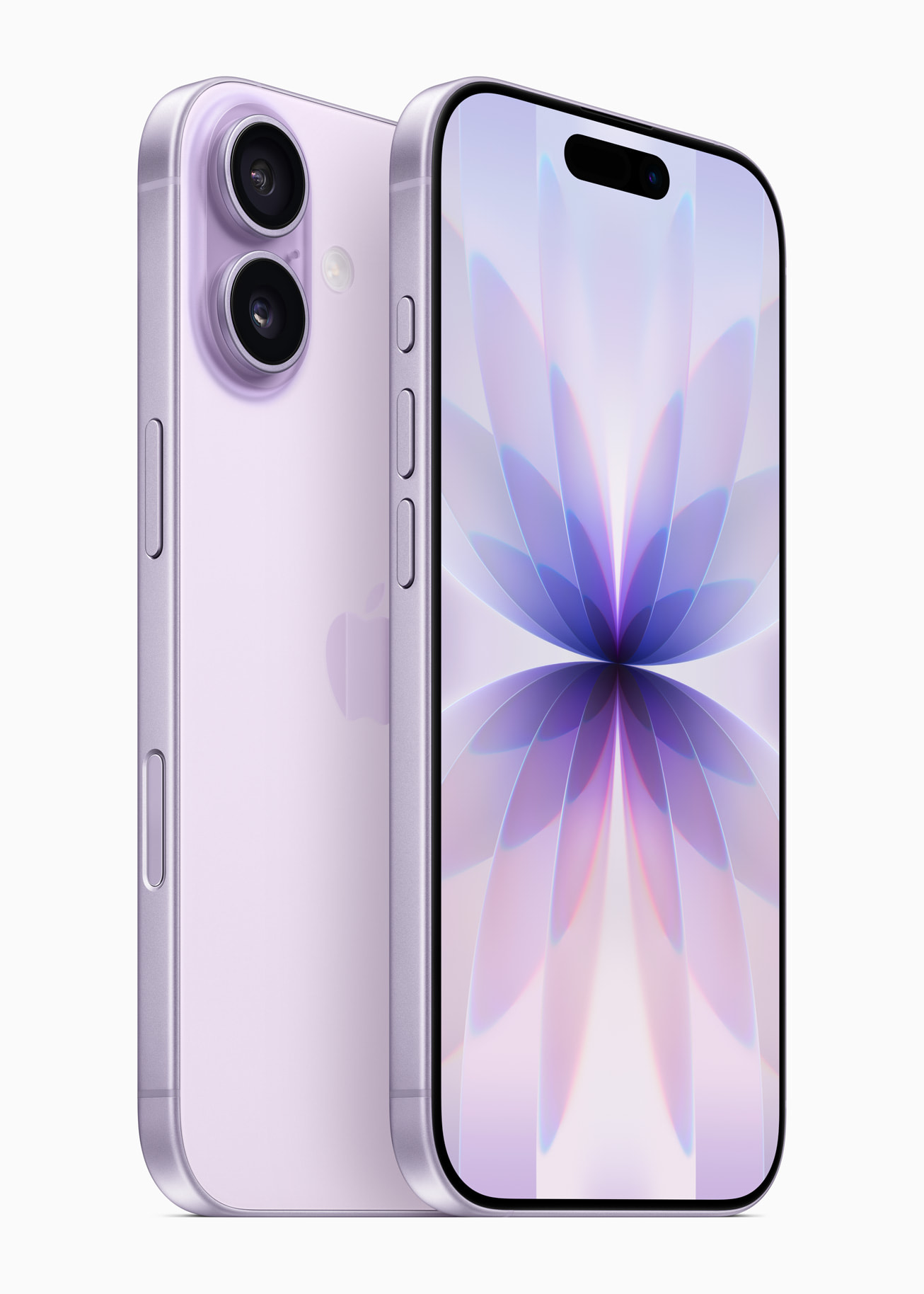
Apple's mainstream iPhone has spent the last few generations playing catch-up with its own Pro models, and the iPhone 17 is the year that gap closes almost entirely. The base model finally gets a 120Hz ProMotion display, a genuinely upgraded dual-camera system with two matched 48MP sensors, and a new chip built specifically for this phone rather than a hand-me-down from last year's flagship. After using the iPhone 17 as a daily driver for several weeks, it is clear this is the most significant jump the non-Pro iPhone has made since the move to OLED.
Display and design
The 6.3-inch Super Retina XDR panel is both larger and, for the first time on a base-model iPhone, variable-refresh via LTPO hardware, running up to 120Hz with ProMotion. The difference from the 60Hz iPhone 15 and 16 is immediately obvious in scrolling feeds and games, and the always-on capability that used to be Pro-exclusive now applies here too. Apple has also nudged peak brightness up, which pays off outdoors more than any spec-sheet number suggests. The aluminum unibody frame feels slightly more substantial in hand than the previous generation, and the new Ceramic Shield 2 front glass is noticeably more scratch-resistant after two weeks of pocket use without a case.
Performance and everyday speed
Inside is the Apple A19, built on a newer manufacturing process than the chip in last year's base model and paired for the first time with Apple's own N1 networking silicon, which handles Wi-Fi, Bluetooth, and Thread on a single custom chip instead of relying on a third-party modem partner for those functions. In practice this shows up less as raw benchmark headroom, which was already generous on prior iPhones, and more as sustained performance: the phone stays cooler and holds its clock speeds longer during extended camera sessions or gaming than the outgoing model did. With 8GB of RAM, background app retention is noticeably better than on the 6GB iPhone 15, meaning fewer full reloads when switching between a dozen open tabs and a couple of heavy apps.
Camera system
The headline hardware change is the move to two matched 48MP sensors on the back: a 48MP main "Fusion" wide sensor and, new for the standard model, a 48MP ultrawide that finally matches the main camera's resolution instead of trailing it at 12MP. That parity means ultrawide shots hold up to much closer scrutiny than on any previous non-Pro iPhone, particularly in daylight architecture and landscape shots where the ultrawide previously looked visibly softer next to the main lens. The 18MP Center Stage front camera is a genuine upgrade for anyone who takes a lot of selfies or video calls, since its taller sensor lets the phone reframe a shot automatically to keep multiple people in frame without anyone needing to hold the phone at an awkward angle.
Battery life and charging
The 3,692 mAh cell is a meaningful step up from the iPhone 15's battery, and combined with the more efficient chip, the iPhone 17 comfortably carries a full day of mixed use — social media, messaging, an hour or so of camera work, and some navigation — with room to spare by bedtime for most people. Fast charging remains capped by Apple's conservative adapter pairing rather than the phone itself; with a 40W-or-higher USB-C charger the phone reaches roughly half charge in about twenty minutes, which is convenient for a quick top-up before heading out but still trails the fastest Android charging standards by a wide margin.
Software and long-term support
The iPhone 17 ships with iOS 26, and Apple's five-to-six-year major-version update commitment means this phone should keep receiving new iOS releases into 2030 or beyond, which remains the single strongest argument for buying into the platform at this price point rather than an equivalently priced Android phone with a shorter guaranteed support window. That update runway also tends to keep resale values higher than most competitors for years after purchase, since a phone still running the current OS is simply worth more on the secondhand market.
How it compares
Against Samsung's new Galaxy S25, the iPhone 17 trades a smaller, denser body and Samsung's longer 3x optical zoom for a simpler camera app and Apple's now-matched 120Hz ProMotion display, closing what used to be Samsung's clearest advantage. Against Apple's own outgoing iPhone 15, the jump is substantial enough that anyone still on an iPhone 13 or older will feel it in every single day of use, from scrolling smoothness to camera consistency in mixed lighting.
Storage, pricing, and who should buy it
Apple dropped the 128GB tier this generation, so the iPhone 17 now starts at 256GB, which removes what used to be the most common source of "why is my phone always full" complaints from base-model owners. At its $799 launch price, it occupies the same market slot the iPhone 15 and 16 held before it. Anyone coming from an iPhone 14 or earlier will notice the display refresh rate and camera parity immediately; anyone already on an iPhone 16 has a much harder case to justify an immediate upgrade, since the year-over-year jump between those two specific models is comparatively modest outside of the ultrawide camera and the new N1 chip's connectivity gains.
Common complaints worth knowing about
The most frequent frustration among early adopters is not about the phone's core hardware but about Apple's continued reluctance to ship a fast charger in the box, meaning the full charging-speed benefit only arrives after buying a separate 40W-or-higher adapter. A smaller but real complaint concerns storage tier pricing: jumping from 256GB to 512GB carries a real premium, and anyone who shoots a lot of ProRAW photos or 4K video will want to budget for that upgrade rather than assume 256GB will comfortably last the phone's multi-year lifespan.
Verdict
The iPhone 17 is the rare "regular" iPhone that no longer feels like the version you settle for while saving up for the Pro model. A 120Hz display, a matched dual-48MP camera system, and a chip built specifically for this phone rather than recycled from last year's flagship add up to the biggest generational leap the base iPhone has made in years. Score: 8.8/10.
See also
iPhone 17 product page · iPhone 15 review · Galaxy S25 review
Further reading
Wondering what a new flagship is actually worth down the line? Our resale and trade-in value guide breaks down which phones hold their value best and why.