Repairability Compared: iPhone 15 vs. Galaxy S24 vs. Pixel 8 and the Right-to-Repair Movement
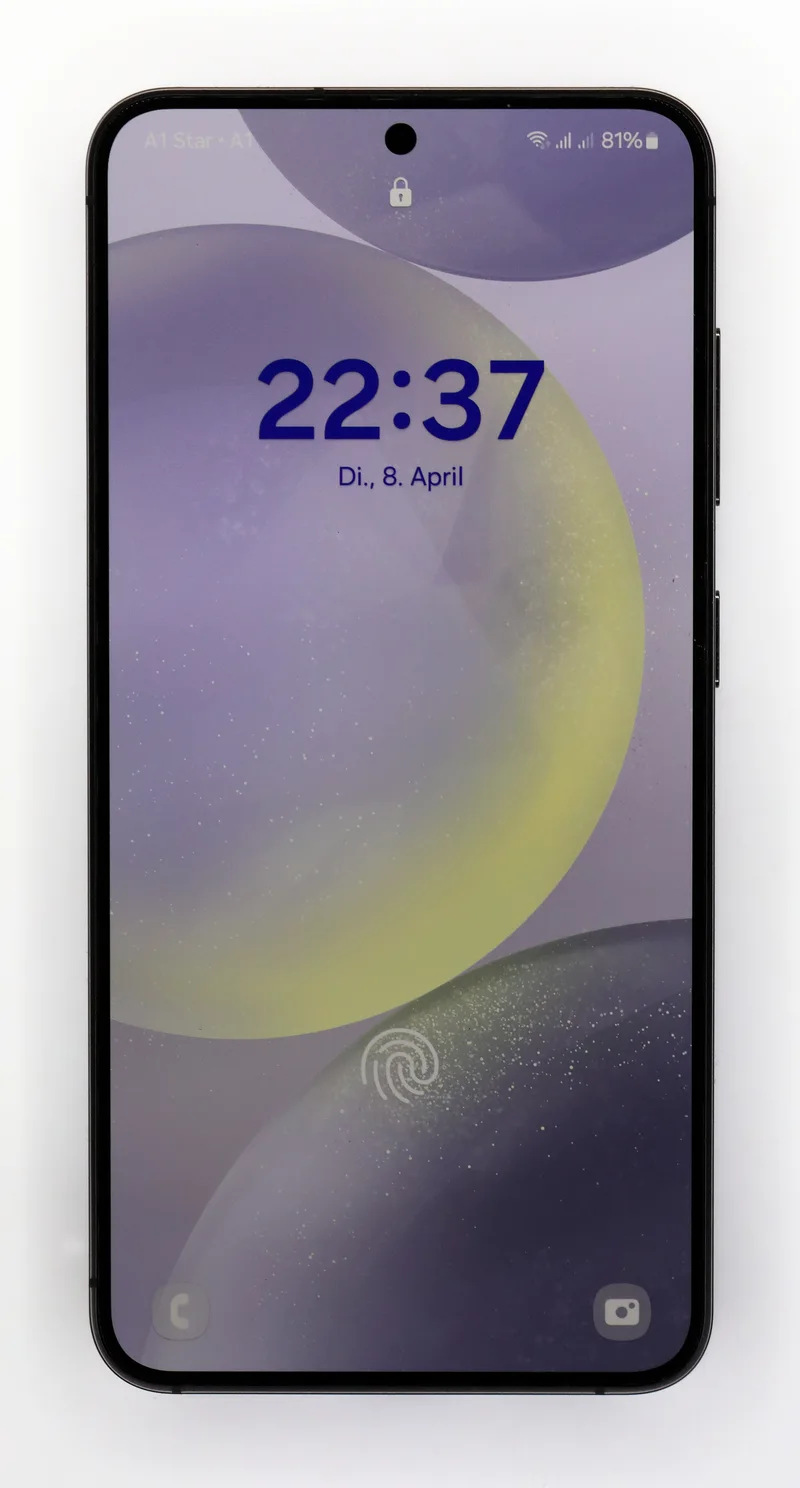
For years, repairability was a niche concern for tinkerers with a set of precision screwdrivers. That's changed. Between rising device prices, new right-to-repair legislation, and manufacturers themselves launching official self-repair programs, how easily a phone can be fixed has become a mainstream buying consideration — one that affects both your wallet and how long a device stays out of a landfill.
The Legal Landscape Has Shifted
Right-to-repair laws have moved from advocacy talking point to enacted legislation in multiple jurisdictions. The European Union's ecodesign and right-to-repair rules now require manufacturers selling phones in the EU to guarantee spare-parts availability and provide repair information for a set number of years after a model's release. In the United States, states including New York, Minnesota, and California passed right-to-repair laws between 2022 and 2023 covering electronics, forcing manufacturers to make parts, tools, and documentation available to independent repair shops and consumers, not just authorized service centers. This legal pressure is a major reason all three of the phones compared here — the iPhone 15, the Galaxy S24, and the Pixel 8 — now ship with official manufacturer self-repair programs, something that was rare just five years ago.
Official Self-Repair Programs, Side by Side
All three manufacturers now operate self-repair programs in partnership with iFixit, letting owners order genuine parts and tools directly. Apple's Self Service Repair program covers the iPhone 15, offering official parts for the display, battery, and back glass, alongside Apple's own repair manuals. Notably, Apple redesigned the iPhone 15's internal structure specifically to make the back glass replaceable without removing the entire logic board — a meaningful engineering change from earlier iPhone generations, where back-glass repairs were among the most expensive and involved. Samsung's Self-Repair Program covers the Galaxy S24 for similar core components, also through a direct iFixit partnership, though Samsung's more tightly integrated internal design has historically made screen and battery swaps more involved than on the iPhone. Google's Pixel repair program, also run through iFixit, covers the Pixel 8's screen, battery, and back cover, and Google has publicly emphasized reducing adhesive use in recent Pixel generations specifically to ease battery replacement.
Battery Replacement: The Repair That Matters Most
Battery replacement is by far the most common repair request across a phone's lifespan, since every lithium-ion battery degrades with charge cycles regardless of how carefully a phone is used. This makes battery accessibility arguably the single most important repairability factor for real-world ownership. All three phones here use adhesive to secure the battery rather than screws, which is standard across the industry, but the amount and type of adhesive varies — stretch-release adhesive tabs, which are pulled rather than dissolved with solvent, make a meaningfully faster and safer battery swap than older glue-only designs. Buyers planning to keep a phone for four-plus years, well past the point where a battery typically drops below 80% health, should weigh how straightforward a battery swap is, since it directly extends a phone's usable life at a fraction of the cost of a new device.
USB-C: An Unexpected Repairability Win
All three phones compared here ship with USB-C, following the EU's 2024 mandate requiring USB-C on new phones sold in the bloc. Beyond charging-cable convenience, this is a genuine repairability and sustainability win: USB-C ports are more standardized and easier to source as replacement parts than proprietary connectors, and a single cable now serves phones, tablets, and most laptops, reducing e-waste from obsolete charging accessories.
What This Means When You're Buying
For buyers who value long-term repairability, a few practical takeaways stand out. First, check whether official parts are available in your region — self-repair programs from Apple, Samsung, and Google don't yet ship everywhere, so availability should be confirmed before assuming a DIY repair is an option. Second, factor in third-party repair shop access; because of right-to-repair laws, independent shops can now access genuine parts for all three phones, which typically means lower labor costs than a manufacturer service center. Third, remember that a more repairable phone is also a better trade-in and resale candidate down the line, since a healthy battery and intact screen directly affect resale offers, a topic covered in depth in our resale value guide. Finally, durability and repairability are related but distinct — a phone that survives drops well still needs an accessible, affordable repair path for the inevitable day something does break.
Screen Repair Costs in Practice
Screen replacement remains the single most common repair request across all three phones, and it's typically the costliest individual repair a smartphone owner ever faces — frequently exceeding the combined cost of a battery and back-glass repair on the same device. This is precisely why a crack-resistant case paired with a tempered-glass screen protector remains one of the highest-value accessory purchases available, often costing less than 5% of what an out-of-warranty screen repair runs. All three self-repair programs covered here offer official replacement displays, but pricing and shipping times for genuine parts vary by region, and in many cases a local independent shop working with the same genuine parts can complete the repair faster than mailing a phone to a manufacturer service center. Anyone budgeting for long-term ownership of an iPhone 15, Galaxy S24, or Pixel 8 should treat eventual screen repair cost, not just the purchase price, as part of the phone's true total cost of ownership.
None of these three phones is dramatically ahead on repairability today — all three now offer official parts, all three use USB-C, and all three are shaped by the same right-to-repair legislation. The more meaningful differentiator is regional parts availability and independent shop pricing, both of which are worth a quick local check before you buy if a long, repair-friendly ownership period matters to you. Owners who plan to keep a device for the long haul should also periodically check for firmware and parts-pairing updates from the manufacturer, since some repairability features, like error-free sensor calibration after a screen swap, depend on software recognizing genuine replacement parts correctly rather than flagging them as unverified.