Best Android Phones You Can Buy Right Now
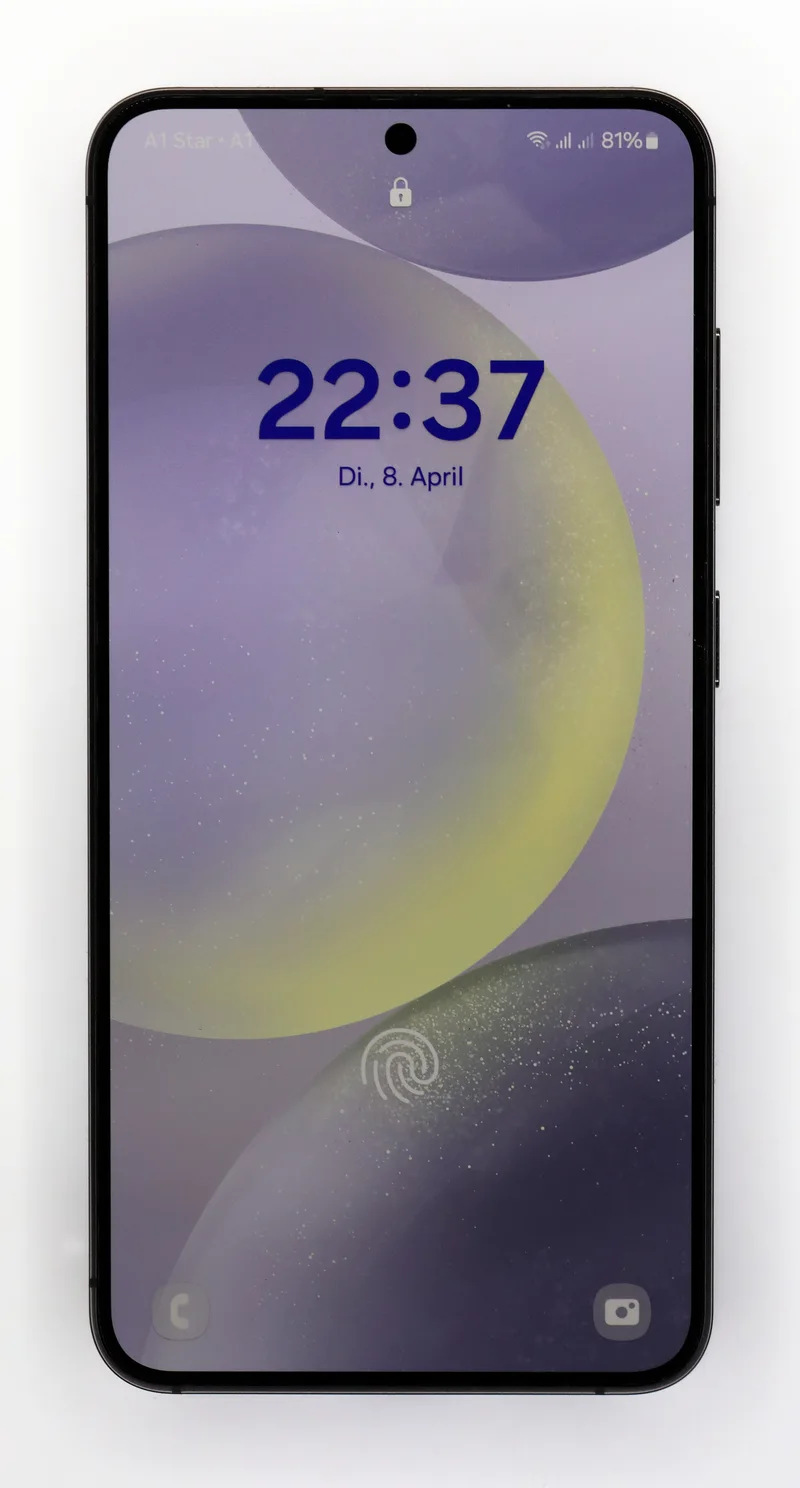
Choosing an Android phone in 2024 mostly comes down to how much you value camera versatility, raw performance, and software update longevity against each other, since the three strongest options at the flagship-adjacent price point — Samsung’s Galaxy S24, Google’s Pixel 8, and (for context) Apple’s iOS-based iPhone 15 — each make different tradeoffs rather than one simply beating the others across the board.
Best all-around: Samsung Galaxy S24
The Galaxy S24 earns the all-around pick largely on the strength of its triple-camera system, which includes a genuine 3x optical telephoto lens neither the Pixel 8 nor iPhone 15 offer at this price. Combined with a sharp 120Hz display, seven years of promised software updates, and Samsung’s increasingly useful Galaxy AI features like Circle to Search, the S24 covers the widest range of use cases without a glaring weakness.
Best camera for the price: Google Pixel 8
The Pixel 8 costs less than the Galaxy S24 while matching or beating it in day-to-day photo quality, thanks to Google’s computational photography software refined over multiple Pixel generations. Features like Best Take (merging several group photos to get everyone smiling) and Magic Eraser remain genuinely useful rather than gimmicky, and the seven-year update commitment matches Samsung’s.
Best build quality and resale value: consider the ecosystem
If you are choosing between staying in the Android ecosystem or switching to iOS, it is worth noting that the iPhone 15 typically holds resale value better over 2-3 years than either Android flagship, a real financial consideration if you plan to sell or trade in your phone within that window, even though this guide focuses on Android.
Budget-conscious alternative
Neither the S24 nor Pixel 8 is truly "budget," but both sit meaningfully below the price of Samsung’s own Ultra line or the iPhone Pro models, making them the realistic ceiling for most buyers who want flagship-adjacent performance without flagship-Ultra pricing.
What actually matters when choosing between them
Most buyer regret in this price bracket comes from optimizing for the wrong thing. If you frequently photograph distant subjects — kids’ sports games, concerts, wildlife on a hike — the S24’s optical telephoto is a genuine, daily-use advantage over digital-crop alternatives, not a marketing checkbox. If you mostly photograph close subjects, food, and casual moments, the Pixel 8’s computational processing will produce more consistently pleasing results with less manual adjustment, regardless of zoom range.
Software philosophy differences
Samsung’s One UI leans toward giving users extensive customization options and pre-installed features, which some buyers love and others find cluttered; Google’s stock-Android-adjacent Pixel software leans minimal and lets Google’s AI features do more of the work automatically rather than exposing settings. Neither approach is objectively better, but it is worth handling both in person at a store before deciding, since this difference affects daily use far more than most spec sheet comparisons suggest.
Update policy comparison
Both the Galaxy S24 and Pixel 8 now carry matching seven-year update commitments for OS versions, security patches, and (for Pixel) Feature Drops, a genuinely significant shift from just a few years ago when three-year support was the Android norm. This means the choice between them no longer needs to factor in one phone becoming obsolete faster than the other, unlike Android phone comparisons from the early 2020s.
Battery and charging compared
The Pixel 8’s larger 4,575 mAh cell gives it a raw capacity edge over the Galaxy S24’s 4,000 mAh, though Samsung’s more efficient Snapdragon silicon narrows the real-world gap more than the spec sheet suggests. Neither phone leads on charging speed compared to Chinese competitors offering 65-100W charging, a category both Samsung and Google have been notably conservative about adopting across multiple generations, reportedly over battery longevity and safety-margin concerns.
Durability and water resistance
Both phones carry matching IP68 ratings for dust and water resistance, and both use Gorilla Glass Victus-family front glass, meaning day-to-day durability is essentially a wash between them — neither has a meaningful advantage in accidental drop or splash protection, unlike some previous-generation comparisons where one manufacturer clearly led.
Where to buy and typical deals
Both phones are widely available through carriers, each manufacturer’s direct store, and major retailers, and trade-in promotions are the most reliable way to reduce the effective price on either — watching for Samsung’s Unpacked-adjacent sales and Google’s periodic Pixel discounts, rather than paying full list price at launch, typically saves meaningfully on either phone within a few months of release.
What about foldables and other form factors?
This guide deliberately focuses on conventional slab-style flagships rather than folding phones like Samsung’s Galaxy Z Fold and Z Flip lines, which occupy a genuinely different price and use-case category. Foldables remain a smaller, pricier niche best suited to buyers specifically drawn to the larger unfolded screen or compact folded form factor, rather than a default recommendation for most Android buyers, who are generally better served by one of the two phones compared in depth here.
Timing your purchase
Both phones typically see their steepest discounts in the few months before their successors launch, so buyers who are not in a hurry can often save meaningfully by waiting for that window rather than buying immediately after either phone’s initial release, when prices are at their firmest. Carrier-locked models sold through installment plans can also complicate resale later, so buyers planning to sell or trade in within a couple of years should favor an unlocked purchase directly from the manufacturer where possible. It is also worth checking whether your specific carrier fully supports both phones’ 5G bands, since regional network compatibility occasionally varies more between manufacturers than buyers expect, particularly for mmWave 5G coverage in the United States.
Bottom line
For most buyers, the Galaxy S24’s combination of telephoto camera, bright display, and long update support makes it the safest all-around Android recommendation in 2024, with the Pixel 8 as the better value pick for anyone prioritizing camera quality over zoom range and willing to save some money, and both phones now offer update longevity that used to be an iPhone-exclusive advantage.