Gaming Performance Deep Dive: iPhone 15 vs Galaxy S24 vs Pixel 8
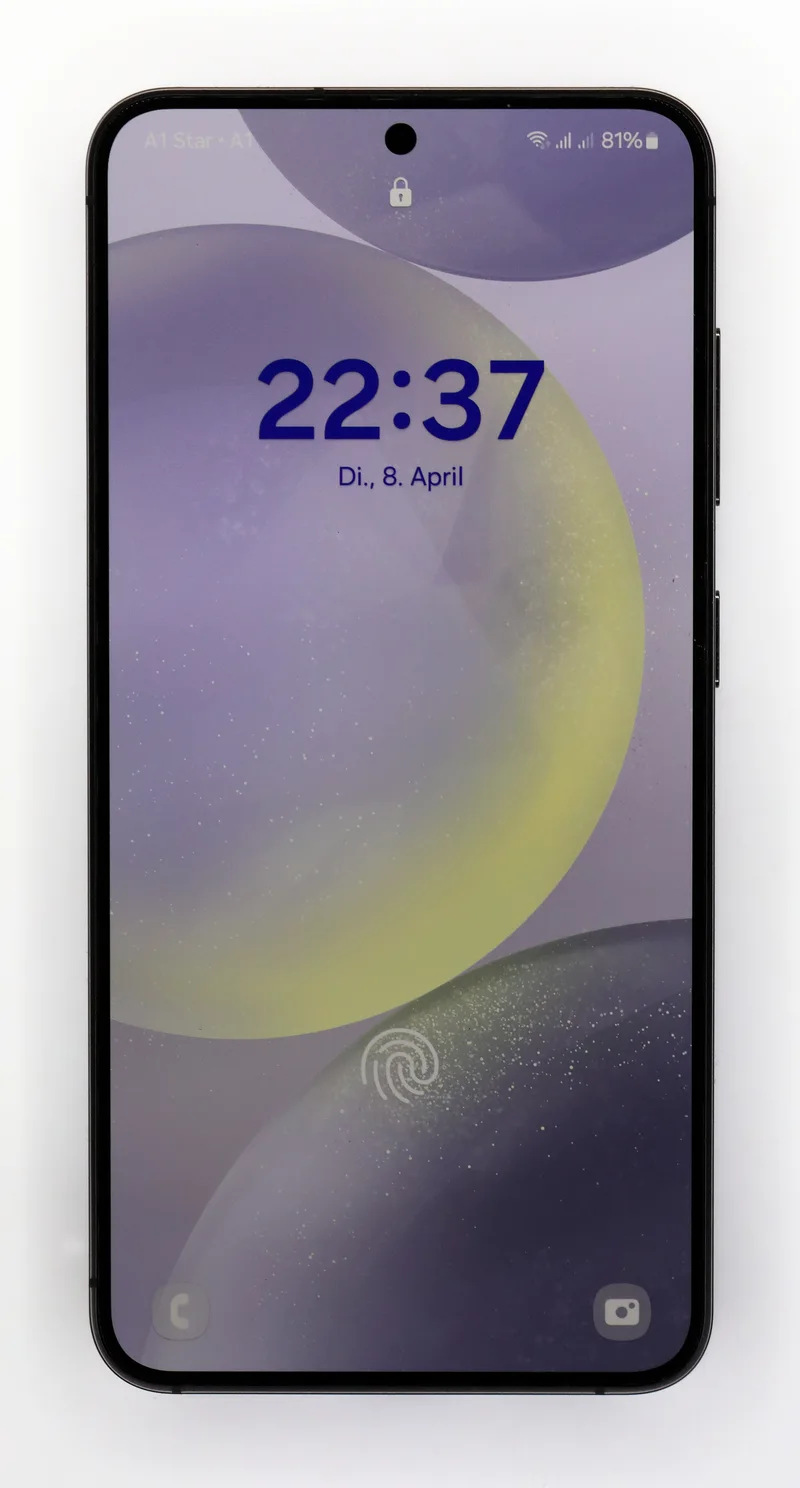
Camera comparisons get most of the attention in flagship phone reviews, but for a growing share of buyers the more important question is which phone actually runs games well — not just Genshin Impact or Call of Duty Mobile at launch, but two years from now when the next graphically demanding title ships. We dug into the raw silicon, thermal design, and display specs of the iPhone 15, Galaxy S24, and Pixel 8 to work out which one actually holds up as a gaming phone.
The Chipsets: A16 Bionic vs Snapdragon 8 Gen 3 vs Tensor G3
The iPhone 15 ships with Apple's A16 Bionic, the same chip that powered the iPhone 14 Pro a year earlier — a deliberate choice by Apple to keep its newest A17 Pro silicon exclusive to the Pro line. The A16's 5-core GPU is still genuinely fast for its age and benefits enormously from Apple's tight hardware-software integration, but it is, on paper, the oldest chip of the three here.
The Galaxy S24 runs a Snapdragon 8 Gen 3 (or an Exynos 2400 in some regions), Qualcomm's flagship chip built specifically with ray tracing and sustained gaming performance in mind. Its Adreno 750 GPU is the strongest pure graphics performer of the three phones in this comparison, and Qualcomm specifically marketed the 8 Gen 3 around real-time ray tracing support in mobile titles that increasingly ship with it, like Diablo Immortal.
The Pixel 8 uses Google's Tensor G3 chipset, paired with a Mali-G715 GPU. Tensor chips have historically prioritized machine-learning and camera-processing tasks over raw gaming throughput, and the G3 is no exception — it's a capable chip for everyday use and even for most 3D games, but it is consistently the slowest of the three in sustained graphics benchmarks, and it runs noticeably warmer under load than the Snapdragon in the S24.
Thermal Throttling: What Happens After 20 Minutes
Peak benchmark numbers only tell half the story, because phones throttle their performance to manage heat during longer sessions — and this is where the three diverge more than their spec sheets suggest. The Galaxy S24's vapor chamber cooling, larger than the setup in the standard S23, lets the Snapdragon 8 Gen 3 sustain a higher percentage of its peak clock speed through 20-30 minute gaming sessions than either rival. The iPhone 15 throttles more aggressively than the S24 but recovers quickly once a session ends, and its smaller, lighter aluminum body simply has less surface area to dissipate heat than Samsung's flatter design. The Pixel 8 throttles the earliest and the most of the three — noticeable within 10-15 minutes in graphically demanding titles — which lines up with independent sustained-performance benchmarks that consistently rank Tensor G3 behind both Apple and Qualcomm silicon under thermal load.
Refresh Rate, Touch Sampling, and Feel
The iPhone 15 is capped at a 60Hz display, a genuine downgrade on paper against the other two — Apple reserves ProMotion's 120Hz adaptive refresh for the Pro models only. Competitive mobile gamers who care about visual smoothness in fast-paced titles will feel this gap immediately, even though Apple's touch latency and haptic feedback remain excellent at 60Hz. The Galaxy S24 runs up to 120Hz with adaptive refresh that scales down for battery savings during less demanding tasks, and its touch sampling rate is tuned well for fast-paced shooters and rhythm games. The Pixel 8 also supports up to 120Hz, though its panel is generally considered a step behind the S24's Dynamic AMOLED 2X in peak brightness and color accuracy during bright outdoor gaming sessions.
Battery Life and Storage for Gaming
Gaming drains a phone's battery faster than almost any other task, and here the Galaxy S24's 4,000 mAh cell and the Pixel 8's larger 4,575 mAh cell both outlast the iPhone 15's smaller 3,349 mAh battery in continuous gaming sessions, even accounting for Apple's chip efficiency advantages. If you play mobile games for an hour or more at a stretch, expect to need a charger nearby with the iPhone 15 well before you would with either Android alternative. Storage matters too: large open-world mobile titles and their update files can eat tens of gigabytes quickly, and all three phones' base 128GB configurations fill up faster than gamers expect — budgeting for the 256GB tier is worth it if your game library skews toward the biggest titles.
Controller Support and Cloud Gaming
All three phones support Bluetooth game controllers like the Xbox Wireless Controller and DualSense, and all three run cloud gaming apps like Xbox Cloud Gaming and GeForce Now reasonably well given a stable connection, since cloud gaming shifts the graphical workload off the phone's own chip entirely. This is actually where the iPhone 15's 60Hz cap matters less, since cloud-streamed games are typically capped around 60fps anyway regardless of the receiving device. If cloud gaming is your primary use case rather than locally rendered titles, the gap between these three phones narrows considerably and network quality becomes the dominant factor instead of the chipset.
Verdict: Which Phone Wins for Gaming
For sustained local gaming performance, the Galaxy S24 is the clear pick among these three — the Snapdragon 8 Gen 3's ray-tracing-capable Adreno 750 GPU, superior thermal management, and 120Hz display combine to make it the most complete gaming phone of the flagship trio. The iPhone 15 remains a good choice if you're gaming casually or primarily through Apple Arcade and cloud services, but the 60Hz cap and smaller battery are real limitations for anyone gaming seriously. The Pixel 8 is the weakest of the three for gaming specifically, even though it remains an excellent phone overall for photography and software experience — see our full three-way flagship comparison before deciding which configuration to buy.
Accessories and the Broader Gaming Ecosystem
Beyond raw hardware, the accessory ecosystem shapes the actual gaming experience more than most buyers expect. Samsung sells official gaming-focused cases and has a long history of partnerships with controller makers, and the S24's flatter frame is noticeably more comfortable to grip in landscape orientation for extended sessions than the more rounded iPhone. Apple's MFi certification program means a huge range of third-party controllers work reliably with the iPhone 15, and Apple Arcade's flat-fee subscription library remains the single best value proposition for casual mobile gamers regardless of raw chip performance. Google's Pixel 8 has no dedicated gaming accessory ecosystem to speak of, leaning instead on generic Android compatibility with the same Bluetooth controllers that work across all three platforms. For most buyers, the accessory question ends up mattering as much as the chipset benchmarks once you actually settle into a regular gaming routine on whichever phone you choose.