Charging Standards Explained: USB-C Power Delivery, Qi2 Wireless, and What Those Watt Numbers Actually Mean
Charging specs are some of the most confusing numbers on a spec sheet, because "25W fast charging" or "15W wireless" tell you almost nothing without context: what cable, what charger, what protocol, and what the actual charging curve looks like across a full cycle. This guide walks through the real charging standards in use across today's phones, tablets, and watches — using real devices sold on this site — so the wattage numbers on a box actually mean something when you're deciding what to buy.
USB-C Power Delivery: The Standard That Finally Won
USB Power Delivery (USB PD) is the charging protocol that let USB-C move beyond simple 5-watt trickle charging into genuinely fast charging across phones, tablets, and laptops using one universal connector and negotiation standard. The device and charger negotiate a voltage and current combination during the first moments of connection, which is why the same USB-C charger can slow-charge a set of earbuds and fast-charge a tablet without any manual switching. The most symbolic recent example of USB PD's dominance is the iPhone 15, which was Apple's first iPhone to abandon the proprietary Lightning connector for USB-C — a shift driven partly by EU regulation and partly by the simple fact that USB-C had already won as the universal standard across nearly every other device category.
Reading the Watt Number: Why 25W Isn't Always 25W
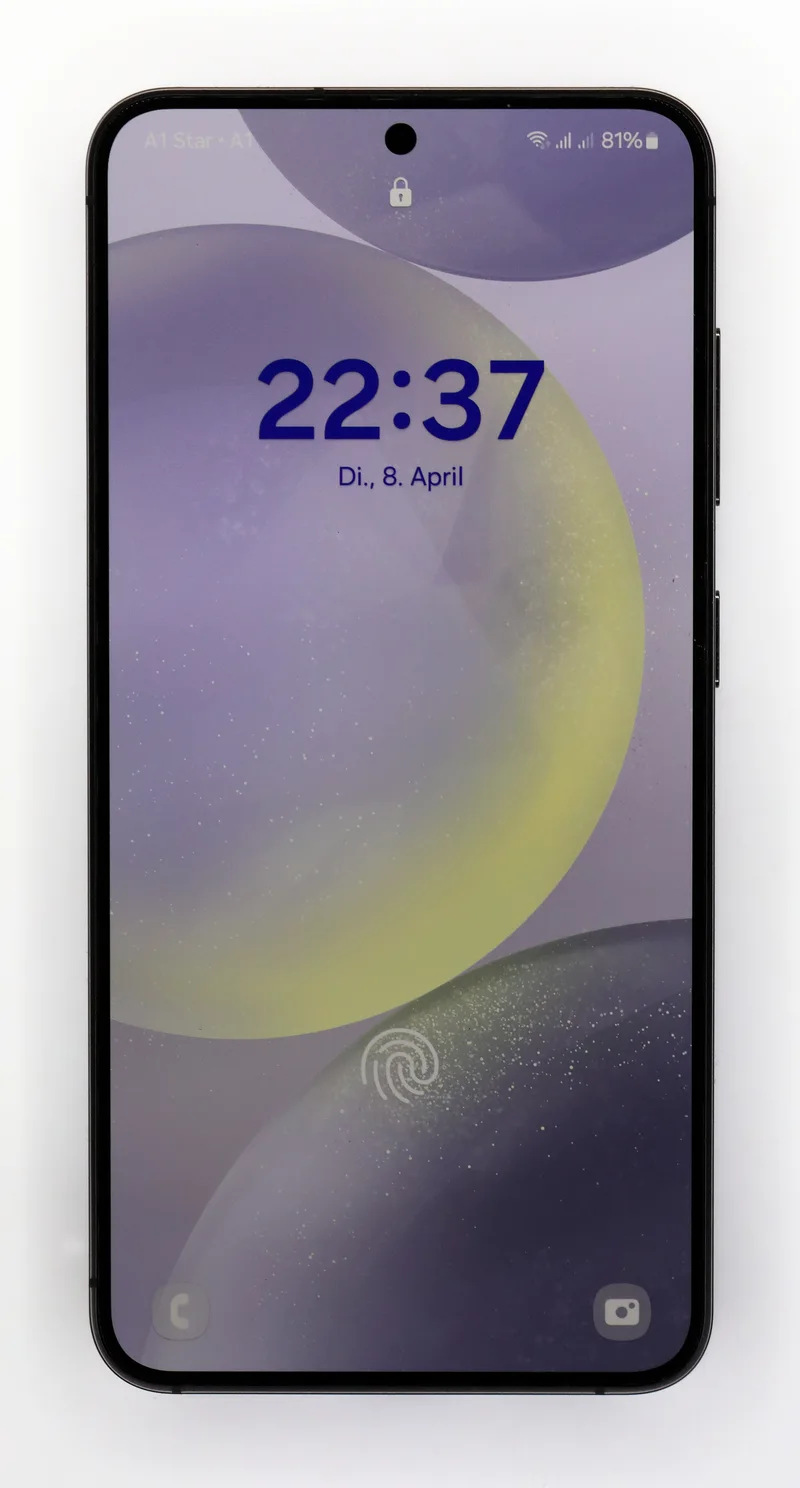
A charger's rated wattage is a ceiling, not a guarantee, and the actual charging speed a device experiences depends on the cable, the charger's supported protocols, and the phone's own charging curve. The Galaxy S24's rated 25W wired charging only happens with a PD-compatible charger and cable that both support the exact voltage/current combination the phone requests — plug it into a cheap 10W charger and it simply charges slower, with no damage but no speed benefit either. Charging curves also aren't linear: most modern phones charge fastest from roughly 20% to 60% battery and then deliberately slow down as the battery approaches full, both to protect long-term battery health and because lithium-ion cells physically can't accept charge as quickly once nearly full. This is why "charges to 50% in 30 minutes" marketing claims are usually true, while "charges to 100% in under an hour" claims for the same charger are often not.
Wireless Charging: Qi, Qi2, and the MagSafe Wrinkle
Wireless charging uses electromagnetic induction between coils in the charger and the device, and for years this meant noticeably slower charging and real efficiency losses compared to a cable — some energy is always lost as heat in the induction process. Qi2, the newer wireless standard, closes much of that gap specifically by adding a magnetic alignment ring borrowed directly from Apple's MagSafe design, ensuring the device and charging coil line up precisely rather than roughly, which is where a lot of older Qi charging's inefficiency actually came from. Apple's MagSafe system on iPhone effectively became the template the entire industry standardized around once Qi2 launched, which is a rare case of a proprietary feature becoming an open standard rather than the other way around.
Tablet and Budget-Device Charging: Where Corners Get Cut
Charging speed is one of the most common places manufacturers cut cost on budget devices, because a slower charging chip and lower-spec cable are cheap ways to shave a few dollars off a bill of materials. The Galaxy Tab A9 ships with 15W USB-C charging — perfectly adequate for a budget tablet with a 5,100 mAh battery, but noticeably slower than flagship phone charging despite the tablet having a larger battery to fill, simply because Samsung didn't include the faster charging silicon on a device built to hit an aggressive price point. This is a genuinely useful signal when comparison-shopping budget devices: charging wattage is one of the easier corners to spot being cut on a spec sheet, and it directly affects daily convenience in a way many buyers don't think about until they're waiting on a charger overnight.
Smartwatch Charging: A Different Problem Entirely
Smartwatches don't use USB-C or standard wireless charging at all — nearly every modern smartwatch uses a proprietary magnetic charging puck or pin-based dock, because the watch case is too small and too curved to reliably fit a standard charging coil or port. This is one of the few areas where the industry hasn't converged on a shared standard the way phones have around USB-C, which means a charger for one smartwatch almost never works with a competitor's watch, and even generational changes within the same brand occasionally break compatibility with older charging docks.
Why This Connects to Connectivity Standards More Broadly
Charging speed is really just one piece of a device's broader connectivity and standards story, alongside cellular bands, Wi-Fi generation, and Bluetooth version, all of which follow the same basic pattern: newer standards deliver real improvements, but only when both ends of the connection — device and accessory, or device and network — actually support the same protocol. Our 5G and Wi-Fi 6E connectivity guide covers this same "both ends need to match" logic as it applies to wireless data rather than power, and the two topics are worth reading together for anyone trying to understand why a device's spec sheet numbers don't always translate directly into real-world performance.
What to Actually Look For When Buying
When comparing charging specs across devices, look past the headline wattage number and check three things: whether the device ships with a compatible charger in the box (many flagships no longer include one), whether wireless charging support includes Qi2 or only older Qi (a meaningful speed and alignment difference), and whether the charging curve claims are backed by independent testing rather than just the manufacturer's best-case marketing number. A device with a modest 25W spec but genuinely reliable delivery of that number in practice often charges faster in real-world use than a device advertising a higher peak number it rarely actually reaches.
Frequently Asked Questions
Does fast charging damage battery health long-term? Modern phones manage this actively through charging curve throttling and battery health software, so normal fast-charging use has a much smaller long-term impact than it did on early-generation fast-charging phones a decade ago.
Is wireless charging always slower than wired? Generally yes, due to induction losses, though the gap has narrowed significantly with Qi2 and high-wattage wireless chargers — wired remains the faster option for anyone who needs the fastest possible top-up.
Can I use any USB-C charger with any USB-C device? Physically yes, but charging speed depends on both sides supporting the same PD profile — a universal connector doesn't guarantee a universal charging speed.
The Bottom Line
Charging technology has genuinely converged around USB-C and Qi2 as shared standards in a way the industry hasn't matched for smartwatches, which still rely on proprietary docks. Understanding USB-C Power Delivery and how wattage claims translate to real-world speed is one of the more practically useful pieces of spec-sheet literacy a buyer can have, since it directly affects daily convenience in a way that's easy to overlook next to flashier specs like camera resolution or chipset benchmarks.