iPad vs Galaxy Tab vs Xiaomi Pad: Which Tablet Should You Actually Buy?
Tablet shopping in 2024 splits cleanly into three tiers, and matching your budget and use case to the right tier matters more than chasing the single "best" tablet on a spec sheet. We compare the iPad (10th gen), Galaxy Tab S9, Xiaomi Pad 6, and budget Galaxy Tab A9 across the situations that actually matter to buyers.
If you want the safest, most polished experience
The iPad (10th gen) remains the easiest tablet to recommend to someone who does not want to think hard about the decision. Apple’s tablet-optimized app library is still the deepest of any platform, and iPadOS receives updates for longer than most Android tablet software. The tradeoff is the outdated first-generation Apple Pencil support, which requires an awkward dongle to charge.
If you want a stylus included and a premium display
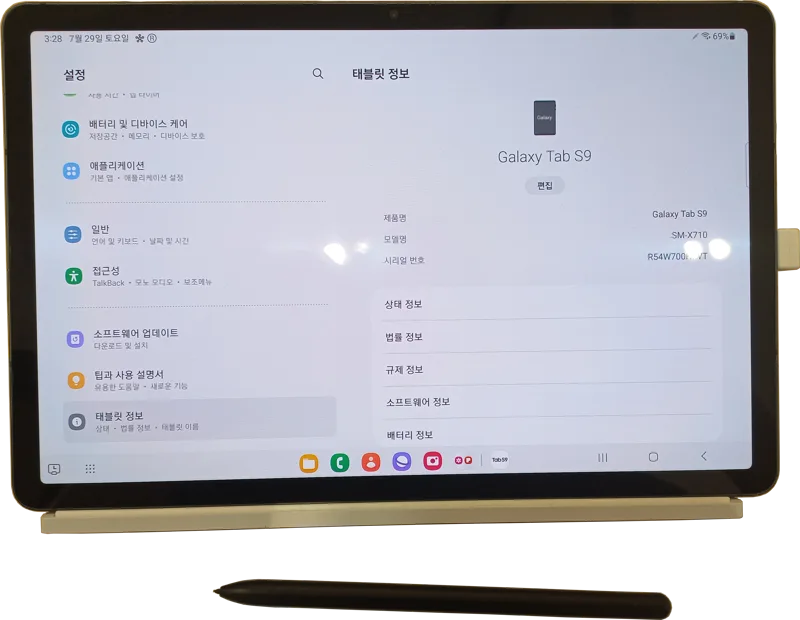
The Galaxy Tab S9 is the pick for anyone who wants to actually use a stylus regularly — the S Pen ships in the box rather than costing extra, and the 120Hz AMOLED display is genuinely one of the best tablet screens available at any price. IP68 water resistance is a bonus almost no other tablet at this price offers.
If display smoothness and value matter most
The Xiaomi Pad 6 undercuts the Tab S9 substantially while offering an even faster 144Hz refresh rate, at the cost of AMOLED contrast, an included stylus, and Samsung’s longer software support window.
If this is a kids’ tablet or a simple second screen
Do not overspend here — the Galaxy Tab A9 is built specifically for casual video streaming, e-reading, and Samsung Kids’ parental controls, and comparing it against the premium options above misses what it is actually designed to do well.
The stylus question
If handwriting notes, sketching, or annotating PDFs is a genuine daily habit rather than an occasional novelty, the stylus experience should be the deciding factor over almost every other spec. The base iPad’s first-generation Apple Pencil requirement is a real ergonomic downgrade — fumbling with a charging dongle every time the battery runs low — while the Galaxy Tab S9’s included, magnetically-charging S Pen removes that friction entirely, which matters more in daily use than most spec-sheet comparisons capture.
Operating system longevity
Apple has historically supported iPads with major iPadOS updates for five to six years after release, a track record Samsung and Xiaomi’s Android tablets have not consistently matched, though Samsung has meaningfully closed that gap in recent years with longer-than-before update promises on its premium tablets specifically. Budget tablets like the Tab A9 typically receive a shorter update window than premium models from the same manufacturer, worth checking directly before buying if longevity matters to you.
Screen size considerations
All four tablets compared here land in a similar 8.7"-11" range, small enough for one-handed portrait reading but large enough for comfortable two-handed landscape video or split-screen multitasking. Buyers who specifically want a larger canvas for drawing or spreadsheet work should look at Samsung’s pricier Tab S9+ or Ultra variants, or Apple’s 12.9" iPad Pro, neither of which is covered in this comparison since both sit meaningfully above the price range discussed here.
Budget breakdown across the four
The price spread across this comparison is genuinely wide: the Tab A9 at $149 costs roughly a fifth of the Galaxy Tab S9 at $799, with the Xiaomi Pad 6 at $349 and base iPad at $449 occupying the middle ground. Rather than asking "which tablet is best" in the abstract, the more useful question is which price tier actually matches your use case — overspending on premium features you will not use is as common a mistake as underspending and being frustrated by a sluggish budget device.
Multitasking and productivity comparison
Of the four, only the Galaxy Tab S9 offers a genuine desktop-style multitasking mode (Samsung DeX) capable of running multiple resizable windows with a connected keyboard and mouse, making it the only one of the four realistically able to substitute for a laptop on lightweight tasks like email, document editing, and web-based work. The iPad’s Split View and Stage Manager multitasking is more limited but still meaningfully more capable than the basic split-screen offered on the Xiaomi Pad 6 and Galaxy Tab A9.
Camera quality across the four
Tablet cameras rarely match phone camera quality and none of the four devices compared here are an exception, but for video calling — the most common tablet camera use case — all four are perfectly adequate, with the iPad’s landscape-oriented front camera placement being the most thoughtfully designed for how people actually prop up tablets during video calls.
Accessory ecosystem considerations
Before committing to any of the four, check the real-world availability and pricing of cases, keyboard covers, and stylus options for that specific model in your region — Apple and Samsung’s accessory ecosystems are consistently well-stocked worldwide, while Xiaomi and Samsung’s budget Tab A9 accessories can be more limited outside markets where those brands have a stronger retail presence, an easily overlooked factor until after purchase.
Final word on longevity
If keeping the tablet for four or more years is the plan, weight the decision toward whichever option has the longest confirmed software update commitment for its specific model year rather than assuming all four will age at the same rate — that gap is real and compounds over time as apps drop support for older OS versions. It is also worth checking current-generation pricing against outgoing previous-generation models from the same manufacturer, since last year’s flagship tablet often undercuts this year’s by a meaningful margin while still offering several more years of software support ahead of it.
Bottom line
Match the tablet to the job: iPad for the simplest all-around experience and longest guaranteed software support, Galaxy Tab S9 if you want a stylus included, the best screen, and genuine productivity multitasking, Xiaomi Pad 6 for value-focused buyers who prioritize display smoothness over brand polish, and the Tab A9 for a genuinely low-cost second tablet or a child’s first device.